Shownotes
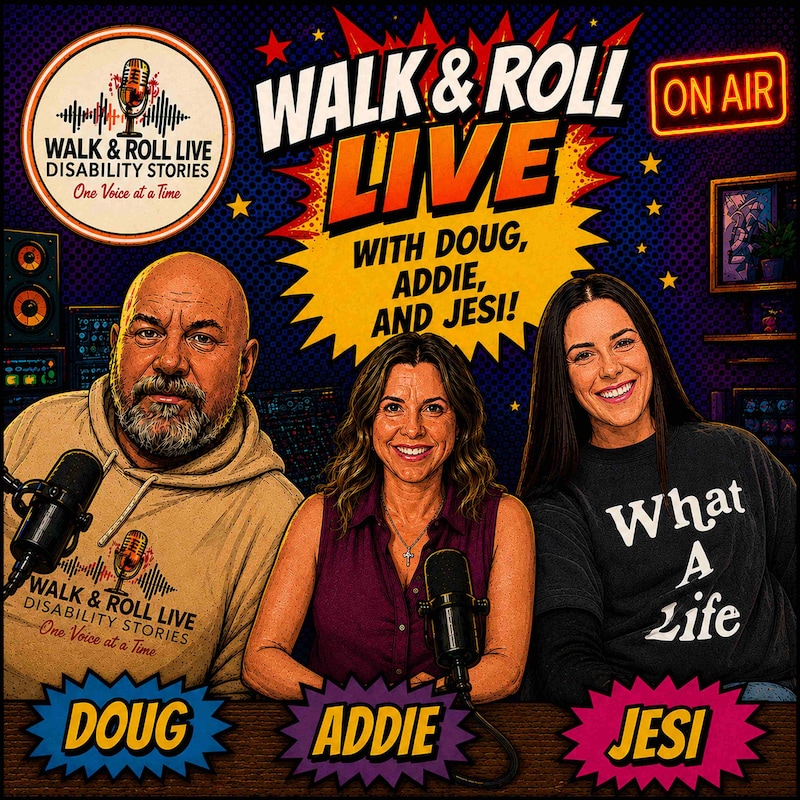
In this enlightening discussion, we engage with Jesi Stracham, a prominent social media influencer, health coach, and advocate for the disabled community. Jesi shares her profound journey of overcoming personal adversity following a life-changing injury, illustrating her resilience and determination to reclaim her life. Throughout our conversation, we delve into the challenges she faced and the transformative strategies she employed in her path to recovery. Jesi’s commitment to empowering others within the disability community is palpable as she discusses her initiatives, including her innovative fitness app tailored for individuals with disabilities. Join us as we explore Jesi’s remarkable story, highlighting the importance of community support, self-acceptance, and the relentless pursuit of one’s aspirations despite the obstacles encountered. The conversation unfolds with the remarkable Jesi Stracham, a social media influencer and health coach who has emerged as a leading advocate for the disabled community. As Doug and Addie guide her through her life story, listeners are invited to delve into the complexities and challenges she has faced since her injury. Jesi articulates her journey of recovery with a candidness that resonates deeply, revealing the multifaceted aspects of navigating life as a person with a disability. The dialogue pivots around themes of resilience, empowerment, and the importance of community support, drawing attention to how these elements have shaped Jesi's identity and advocacy work. In exploring her transition from her pre-injury life to her current endeavors, Jesi emphasizes the necessity of embracing one's realities and utilizing them as catalysts for growth and change. Her narrative serves not only as a personal testament but as an inspiring call to action for others facing similar challenges, illustrating that the path to recovery is often laden with both struggles and profound triumphs.
Takeaways:
- Jesi Stracham emphasizes the importance of community among individuals with disabilities, advocating for support systems that foster empowerment and independence.
- The discussion highlights Jesi's journey from a mindset of denial about her disability to one of acceptance and proactive engagement with her life and goals.
- Through her experiences, Jesi illustrates that embracing one's circumstances can lead to personal growth and the pursuit of new opportunities, such as her fitness app for wheelchair users.
- The conversation delves into the challenges faced by people with disabilities regarding societal perceptions and the stigma of victimhood, advocating for a shift towards empowerment and resilience.
- Jesi reveals that her transition to advocating for the disabled community was driven by her desire to share not only struggles but also triumphs, thereby inspiring others to pursue their aspirations.
- The episode underscores the significance of self-advocacy and vocalizing issues that affect the disabled community, emphasizing that persistence in communication with legislators can lead to meaningful change.
Companies mentioned in this episode:
- Casa Colina
- Triumph Foundations
- Aguiar Professional Training
- Wheel with Me Foundation
- Adapt Fit
Transcripts
The following is a productions original series.
Speaker B:Hello, and welcome to Walk and Roll Live.
Speaker B:I'm Doug Vincent, joined by Addie Rich.
Speaker B:Our podcast is dedicated to amplifying the voices of the disability community, which we are a couple of people that are involved in that community in a big way.
Speaker C:Where are you gonna go with that one?
Speaker C:That one sounded weird.
Speaker C:That segue was like, oh, what's happening?
Speaker B:I am a polio survivor, and Addie is.
Speaker C:I have cerebral palsy.
Speaker B:Yeah.
Speaker B:Yep.
Speaker B:You know, and I say survivor because.
Speaker B:And people, you know, will ask me, you know, you know, what do you have?
Speaker B:You know, the people that are questioning and.
Speaker B:And it's like.
Speaker B:And I tell them it's polio.
Speaker B:These are the after effects of polio.
Speaker B:You know, it's like when you have a cold, it's a virus.
Speaker B:Polio is a virus, you know, and it kind of runs its course.
Speaker B:The virus runs.
Speaker B:This is what's left afterwards, you know, you know, I'm a paraplegic.
Speaker B:But other people, you know, there is a long list of, like, celebrities that have had polio, but you would never know it because they're not walking on crutches.
Speaker B:You know, Neil Young is one of them.
Speaker B:And there's just so many.
Speaker C:Yeah.
Speaker B:If you ever want to Google it.
Speaker B:It's interesting.
Speaker B:Yeah.
Speaker B:If you want to Google it, you'll.
Speaker B:You'll be amazed at how many people.
Speaker B:But so that's why I say survivor.
Speaker B:This is what's left afterwards.
Speaker B:Whereas cerebral palsy, something different.
Speaker B:You know, you've lack of oxygen.
Speaker B:Right.
Speaker B:While you're being born.
Speaker A:Correct.
Speaker B:Yeah.
Speaker C:Yeah.
Speaker C:It's a brain.
Speaker C:It's interesting that we're having this conversation, though, because I talked about it before, like, on our.
Speaker C:I mean, my ERG employee resource group at work.
Speaker C:Right.
Speaker C:And so we published.
Speaker C:I can't remember.
Speaker C:Oh.
Speaker C:Because they do, like, a cohort of people that come in.
Speaker B:Yeah.
Speaker C:Of young students who, like, want to learn in the distribution world or whatever.
Speaker C:Right.
Speaker C:So they almost do, like, a paid internship.
Speaker C:Right.
Speaker C:But it's called the step program.
Speaker C:Anyway, each of the ergs introduces themselves and encourages these new people that are coming in to get involved with us or whatever.
Speaker B:Right.
Speaker A:So you get three to five minutes.
Speaker C:To explain your ERG and, you know, do your best song and dance to make people want to join or whatever.
Speaker C:And so our little erg, one of the ladies, decided that she would do a quiz about, like, disability and disability history and all these things and sent it to the board of directors that we all are and was like, okay, here are the Questions.
Speaker C:What do you all think?
Speaker C:Well, then somebody wrote back and was like, well, you need to call us disabled.
Speaker C:Don't call us this.
Speaker C:And, like, we got into this big thing of differently disabled versus disabled versus, like, politics of, like, what to say.
Speaker C:And it was just.
Speaker C:I mean, we're all amiable people, so we kind of were like, isn't it funny how everybody just calls it something different?
Speaker C:But you having that conversation of saying, you know, this is the after effect.
Speaker C:I don't currently have polio.
Speaker C:This is the.
Speaker C:The cast off of having polio.
Speaker C:Whereas for me, like, it also kind of is like, have something.
Speaker C:It is a brain damage.
Speaker C:But it's like, yeah, it can be different for everybody depending on what part of your brain died in the traumatic event.
Speaker C:So for some people, it's in speech.
Speaker C:For me, I have spastic cerebral palsy.
Speaker C:But you could have ataxic, which looks a lot like Parkinson's.
Speaker A:Like, we're all.
Speaker C:It's a rainbow.
Speaker B:Yeah, yeah, absolutely.
Speaker B:And rainbow within the same diagnosis, you know, Many, many times.
Speaker B:Yes.
Speaker B:Just out of curiosity, I wonder how.
Speaker B:How did the differences kind of fall on age difference, you know?
Speaker C:Oh, like.
Speaker C:Well, we.
Speaker C:Well, we got chosen.
Speaker C:What we chose to identify as.
Speaker B:No, just is in that discussion.
Speaker B:And what was.
Speaker B:You can't say that.
Speaker B:You know.
Speaker C:Yeah, I'm.
Speaker C:Well, I'm the youngest.
Speaker B:Oh, really?
Speaker C:Yeah.
Speaker B:Yeah.
Speaker B:Okay.
Speaker C:I mean, I'm 47, but I mean, I was kind of the champion for, like.
Speaker C:No, I want you to call me differently abled.
Speaker C:I don't want you to call me disabled because it's not a disadvantage to me.
Speaker C:It's a difference.
Speaker B:Well, it is odd that one little disability defines, you know, our entire perception of people, by people.
Speaker B:And when it's our abilities, if you were to rank and enlist our abilities, you know, it's like, in some people, it's like 98 to 2, you know?
Speaker C:Yeah.
Speaker B:You know, I got 98 abilities and.
Speaker B:And maybe two disabilities.
Speaker A:Yeah.
Speaker C:Yeah.
Speaker C:Don't ask me to drive you anywhere or, like, be the person in charge of standing up straight.
Speaker C:But, you know, ask me to do your books.
Speaker B:Yep.
Speaker C:And I got you, like.
Speaker C:But it was just so interesting to see it evolve into this thing.
Speaker C:And then, like, I don't know that we ever came to a conclusion except to be like, yeah, it's fine.
Speaker C:Just leave it on the quiz.
Speaker C:And if somebody asks and you're moderating, like, make a statement of some sort that it's a spectrum and that people make personal choices about how to identify,.
Speaker B:And it's not like you can't adjust it at some point.
Speaker B:You know, if you get more consensus, you can kind of go in that direction.
Speaker B:Whatever.
Speaker C:Yeah.
Speaker B:So.
Speaker B:Well, good luck.
Speaker B:I look forward to updates on that.
Speaker B:I.
Speaker B:My highlight of my week, I think is, is I.
Speaker B:It was a busy week, I'll tell you that.
Speaker B:Since I've been retired, I don't think I've gotten up at like 6:30 in the morning so many days in a row.
Speaker B:You know, I had something every day to do, you know, some things, you know, more kind of business related some things, you know, maybe some appointments for doctors, whatever it was.
Speaker B:Yeah, this was kind of lining up the same way.
Speaker B:But I did make time to go and go to Costa Kalina and go to their sports day that they have every Friday and they kind of do it a different sport.
Speaker B:So.
Speaker B:You remember I went to bocce ball a few weeks ago.
Speaker B:Yeah, this was over the line, which I saw being played at the Triumph Foundations, the sports festival, but couldn't quite totally make sense out of it.
Speaker B:So.
Speaker B:Yeah, learn the rules, played and, and you know, held my own.
Speaker B:I, I didn't embarrass amazing myself or my family or anything.
Speaker C:Doug is evolving, people.
Speaker C:Doug is evolving.
Speaker C:He might not want to do exercise with like Jeff, like you know, Silver strong, but he will go to the sports days.
Speaker C:So whatever gets you out of your house.
Speaker C:I mean, that is a good pitch, right?
Speaker C:That whatever gets you moving and gets you out of your house.
Speaker C:Whatever it is, if it ignites, you do it.
Speaker B:Yeah.
Speaker B:And I'm going back for this definitely, because one of the things, you know, I wanted to try it and I wanted to see, you know, how I felt later that evening or the next day.
Speaker B:And you know, yeah, you know, it aggravated some things in the shoulders, but not, not nearly as bad, you know, and I kind of took some steps proactively.
Speaker B:You know, I iced my shoulder when I got home and stuff.
Speaker B:Yeah.
Speaker B:So it wasn't bad.
Speaker B:I'd do it again.
Speaker B:I do it again.
Speaker B:Yeah, the fun far outweighed any, you know, potential aggravation in the pain department.
Speaker C:Whereas I feel like my only exercise lately has been coughing.
Speaker C:And I keep telling my friends, like, do I get a six pack as the, you know, as the award for three weeks of a cough that hurts your back every time you cough.
Speaker B:Now that could be an exercise.
Speaker B:Get it?
Speaker B:Have you ever coughed so much that you feel your, the muscle strain in your chest?
Speaker C:My goodness, yes.
Speaker C:But I keep looking in the mirror like, okay, where's at least the two Coming out of the pack, nothing, my friend was like, no, no, you have to do dead bugs and things like that if you want to get those.
Speaker C:And I was like, yeah, but I just, I. I feel like I need to earn something.
Speaker B:Yeah.
Speaker B:Yeah.
Speaker B:Very nice.
Speaker B:So tonight, which is last night when you're hearing this, I going with possibilities to a.
Speaker B:A special cooking class that they put together for a few of the members.
Speaker B:So we're going to go to someone's home who's a chef, and we're going to homemake pasta.
Speaker C:Oh, I've done that.
Speaker B:I did that.
Speaker B:All right.
Speaker B:So I'm looking for.
Speaker C:Have a good time.
Speaker B:Good.
Speaker B:So I will.
Speaker B:I will report how we did next week.
Speaker C:Yes.
Speaker C:And I would like to know what you made.
Speaker C:Like, do you actually make noodles?
Speaker C:Do you make noi?
Speaker C:What do you make?
Speaker C:Because if you want to use big.
Speaker B:Square, I think it's new, but we'll see how it goes.
Speaker B:All right.
Speaker B:And then today, the.
Speaker B:We debut the episode of Doug's long Stalking of.
Speaker B:Of Jesse Straham.
Speaker B:You know, many people will probably recognize that name and you'll definitely recognize if you saw her from her social media and so much more.
Speaker B:She's started a workout app for people with disabilities and in so many other things that we're going to hear all about them today.
Speaker B:But, yeah, it was.
Speaker B:I probably said this ad nauseam, but yeah, just.
Speaker B:It was a long process.
Speaker B:And not that she was avoiding me and I was really.
Speaker B:I wasn't really stalking her, but I was just.
Speaker B:There's just so many kind of hurdles put in place for people who are big influencers.
Speaker B:You know, I guess I just can't sit and have a conversation with her on the dms, right.
Speaker B:And invite her to come, like, hey, yeah, so.
Speaker B:So it took a while to, you know, to get through that process and.
Speaker B:And, you know, just.
Speaker B:It was like I was courting her almost.
Speaker C:Right.
Speaker C:Doug did all the grease, and then.
Speaker B:Addie and I ran into her at the Abilities Expo, and I think that was kind of the final, you know, the final thing that kind of cemented it because we did have an appointment with her before, but she had some issues that she had to deal with.
Speaker B:Health issues.
Speaker B:Yeah.
Speaker B:So.
Speaker B:So she's good.
Speaker B:She's healthy.
Speaker B:I think she was going through something actually, when we talked to her, but I think it was towards the end.
Speaker B:So hopefully she's doing well now.
Speaker B:But we'll.
Speaker B:We'll talk to her next and.
Speaker B:And then we'll see on the back end.
Speaker B:And we would like to Say hello and thank you to Aguyar Professional Training, one of our wonderful supporters.
Speaker B:So we'll get to Jesse right after this.
Speaker D:At AGYAR Professional Training, we know that your greatest asset is your team.
Speaker D:Investing in their development, knowledge and happiness is essential for your business's success and growth.
Speaker D:To achieve new heights, it's important to hire intelligent, talented individuals and empower them to excel in their areas of strength and passion.
Speaker D:AGYAR is committed to transforming your employees into happier, more productive and fulfilled individuals.
Speaker D:When your team thrives, your business prospers.
Speaker D:Wise leaders understand that providing team members with opportunities to shine in their strengths and unlocks untapped potential.
Speaker D:Elevate your team with AGYAR Professional Training and witness the growth of your business.
Speaker A:From the AGYAR Professional Training Studios, you're listening to Walk and Roll Live Disability Stories.
Speaker E:I learned young how to read a room before anybody spoke Saw the questions in their faces before they ever knew my soul they saw ramps and they saw scars Saw the way I moved through space but they never saw the long nights Building strength they can't replace and I've climbed mountains they'll never know not with my legs but with my hope I'm not the story people whisper when I pass by I'm not the struggle Frozen in somebody's eyes See me for the life I'm living Not the chair that gets me there for the dreams I keep on giving for the fire I still carry everywhere I don't need your sympathy I just need room to rise we are more than surviving we are futures in disguise and don't call us inspiration Just because we made it through we're out here building something beautiful Same as you.
Speaker B:Well, thank you to Aguilar Professional Training for their support.
Speaker B:We appreciate that.
Speaker B:And today's guest is Jesse Straham.
Speaker B:I have been following her for at least a couple of years on social media.
Speaker B:You probably know who that is.
Speaker B:And the things that she would talk about really resonated with me.
Speaker B:And so I, I started at least a couple of years ago to try to get you on the show and, you know, so I, I wondered, were you aware, was I annoying?
Speaker B:No, no.
Speaker A:The times just didn't line up.
Speaker A:Yeah, we found an alignment with the coast difference.
Speaker A:I think that was the biggest thing.
Speaker B:We run into that.
Speaker C:Yeah, the stars have aligned, but Jesse is actually the reason that we came back together.
Speaker C:Doug, if you remember, because you commented on something of Jesse's and I wrote.
Speaker C:Commented?
Speaker C:Yes, it was, it was like a shake plate thing or something.
Speaker C:You.
Speaker C:Oh, yeah.
Speaker A:The vibration platform that I use yes.
Speaker C:Yes.
Speaker C:And so I had commented, and then I sent Doug a message and said, okay, I'm either a super weirdo or we know each other, and, like, wrote this little blurb because I had known him when I was a little kid.
Speaker C:And thus began this whole adventure.
Speaker B:We hadn't been in touch for probably close to 40 years, and it just.
Speaker B:It was kismet.
Speaker C:Yeah, it was.
Speaker C:Yeah.
Speaker C:When I was 5, 5 and 6, I was a poster child, and he was a radio DJ in my hometown.
Speaker C:If you listen all the time, you know the story.
Speaker C:But he became close with my family and then moved to LA to be a big star.
Speaker A:Right.
Speaker A:And we lost.
Speaker C:We lost touch.
Speaker C:But the Internet and your post kind of made me go, wait, I think I know this guy.
Speaker C:And then he said, well, I'm retired, and I have this podcast, and you should do it.
Speaker C:And I'm like, no, I don't really talk about my disability, but okay.
Speaker B:Oh, man.
Speaker B:I've opened her up to a whole new world.
Speaker A:It's freeing.
Speaker A:It's so freeing.
Speaker A:I wrote a book and, like, that.
Speaker A:That probably was the most healing thing I've ever done and just let go of so much.
Speaker A:And, like, it's not even just about the wheelchair.
Speaker A:It's about, like, who I was before I was injured and the.
Speaker A:The pre.
Speaker A:You know, we have, like, pre and post.
Speaker A:It's like, before Christ and after Christ.
Speaker A:Right.
Speaker A:Post injury, same idea where it's like, we have this whole other human in life that we lived a lot of times that we kind of just forget about and leave out.
Speaker A:And I was like, man, I didn't realize how much of that trauma I was carrying into how I operate as a person with a disability.
Speaker A:And I'm like, all right, we gotta, like, heal some of this.
Speaker A:And so I wrote a book about it, and it was, like, the most healing thing.
Speaker A:So I'm proud of you, Addie, for getting on here and, like, actually opening up, because it's so healing.
Speaker A:It's so healing.
Speaker C:Yeah.
Speaker C:It wasn't an injury.
Speaker C:Oh, go ahead.
Speaker B:I was just saying.
Speaker B:And she's a pro at it for somebody, you know, that didn't have any history and it didn't want to do it, was reluctant, and she just.
Speaker B:She shines all the time.
Speaker B:She makes me look good.
Speaker C:Yeah.
Speaker C:For me, I mean, I was born with my disability, but it was always like, how do I overcome this and do things anyway, like, despite it.
Speaker C:Right.
Speaker C:So it felt like acknowledging it and, like, really talking about it and leaning into it would.
Speaker C:I don't know, not invalidate me, but in some way, I was like, okay, all this stuff, I was working to get past it, and now let's just talk about it for an hour a week at least.
Speaker C:It felt funny.
Speaker C:And now I'm like, nope, this is community, and this is loving on people and saying, here's my experience.
Speaker C:And so I. I get you, Jesse.
Speaker B:And, like, you.
Speaker B:You know, we talk about this a lot.
Speaker B:I mean, probably every week now, just encouraging people to find their.
Speaker B:Their community whenever they're ready, because some people just aren't ready.
Speaker B:But when you do, it's.
Speaker B:It's cathartic and it's, you know, a paradigm shift in your life.
Speaker B:So.
Speaker A:Yeah.
Speaker B:Yeah, give it a try.
Speaker A:I tell people to get over, like, the not being ready part.
Speaker A:I'm like, I'm telling you, community will literally save you.
Speaker B:Yeah.
Speaker A:As a wheelchair user.
Speaker A:And it doesn't matter where you're at in your wheelchair using journey, like, you get some wheel friends.
Speaker A:It's such a game changer because it's like, wow, there's somebody in my life that actually understands what I'm going through.
Speaker A:Like, I've been mentoring somebody who.
Speaker A:He's been injured only eight months, and he called me the other day randomly, and he's like, I'm so glad you answered.
Speaker A:I'm just tired of this shit.
Speaker A:And I was like, you know, it's been 11 years, and sometimes I'm still tired of it, too.
Speaker A:Like, I feel you.
Speaker C:Yeah.
Speaker A:I think it's part of being human.
Speaker A:I had to remind him, like, you know, especially those of us that acquire our disability and, like, lived a certain amount of time, it's like.
Speaker A:And even without, like, you have so much in life that is hard and it bothers you and it makes you mad.
Speaker A:Like, before I was paralyzed, I. I struggled with sex addiction, and I abused prescription pharmaceuticals, and I drank all the time, and I had filed bankruptcy, and, like, I had no money.
Speaker A:I was living barely paycheck to paycheck.
Speaker A:Like, it'd be Wednesday or Monday, and payday is Wednesday, and I'm charging my debit card as a credit card just to get gas to go to work that week.
Speaker A:Type of, like, struggle.
Speaker A:And I'm like, man, being paralyzed is a lot easier than that struggle I was dealing with every single day.
Speaker A:And when you look at, like, the struggles you had before and then you look at your injury, it's like, you know, regardless of who you are and where you're at, life's going to be hard.
Speaker A:It's going to be a struggle.
Speaker A:And if you continue to focus so much on, oh, my God, I keep dropping things off my lap.
Speaker A:I'm just so tired of having to do all these million turns just to, like, turn around or get to one place the other.
Speaker A:And, like, if you start focusing on those inconveniences that it brings, then that's all you're going to see.
Speaker A:Whereas when you get involved with community, it's like, oh, man, I have these amazing humans.
Speaker A:I have this amazing resource.
Speaker A:Wow, I'm actually not doing that bad, man.
Speaker A:I need to give myself a little more grace.
Speaker A:And it just.
Speaker A:It makes all of that struggle that you think is so life ending a little more normal and a little less of.
Speaker A:I feel like it's less of a struggle because you're not focusing so much on how hard it is.
Speaker A:Just, it's like, this is my normal,.
Speaker B:You know, that's another thing we do in our.
Speaker B:In our open of the show.
Speaker B:You know, we always tell what our.
Speaker B:What our disabilities are, just to give the rest of the conversation context.
Speaker B:So, you know, I was a year old when I got polio, so I'm a paraplegic from polio.
Speaker B:And so, yeah, years and years and doing this and.
Speaker B:And really, the way I was growing up, thank God, you know, was it wasn't focused on really, so I didn't really focus on.
Speaker B:It went through my life, and when I got to be 15, 16 years old, I'm thinking, you know, won't be long before I'm 18, I'm gonna have to think about work.
Speaker B:And, you know, you know, it's like you can't just not think about it because once you're thinking about work, I got to think about now, work that I can do, you know, that kind of thing.
Speaker B:Yeah.
Speaker B:So, yeah, it never leaves you.
Speaker B:But, you know, and I hear, you know, this is one of the reasons why I really, you know, you resonated with me is because you're really.
Speaker B:No nonsense, you know, and some of the posts that you would do in a lot of the amount of frustration, you know, you would get on there and it was raw and real.
Speaker B:There's no way that it was, you know, just something you've been thinking about for a while.
Speaker B:I mean, maybe thinking about it in a passive way, but somehow that you got to that point where, you know, the straw broke the camel's back and you had to let this out.
Speaker B:And you are different than a lot of people I see now where, you know, you talk about your life before, you know, your Injury.
Speaker B:I hear a lot of people that are struggling, they think they want to get back to that life or they're trying to get back to that life.
Speaker B:And, you know, they have to get to that realization where, you know, there's a new life now and you really.
Speaker B:And you're going to be much better off if you embrace it.
Speaker B:Easy for me to say, but when you're going through it, it's.
Speaker B:It's very difficult, you know, so.
Speaker A:Well, that's.
Speaker A:I mean, that's the first thing I say.
Speaker A:I volunteer regularly here in Charlotte at Carolina's rehab, and I literally, I'll go into somebody's room and they just got their eval for rehab, and we're figuring out, you know, what PT Is going to look like and all the things I'm like, listen, I know this sucks.
Speaker A:And, like, I'm not here to tell you you're going to walk.
Speaker A:I'm not here to tell you you're not going to walk.
Speaker A:That's not my place.
Speaker A:I'm not God.
Speaker A:But I am here to tell you if you embrace this life and just figure it out and try to become as independent as possible, you will be able to live a full life.
Speaker A:You will be able to figure this out.
Speaker A:And, you know, the big thing, people, it's like, the pain.
Speaker A:The pain's not going anywhere.
Speaker A:Like, I live, you know.
Speaker A:You know, you guys know what it's like seven to eight every single day.
Speaker A:That is your pain baseline.
Speaker A:And if you don't stay busy and if you don't have purpose, that pain is going to control your life.
Speaker A:But if you got some purpose and you stay a little busy and you don't give yourself time to think about it, that pain no longer runs your life.
Speaker A:Now, that's not to say that some days my pain's not so high that I'm like, oh, my gosh, I do not want to get out of this bed.
Speaker B:Yeah.
Speaker B:Yeah.
Speaker A:But we also can't give into those feelings.
Speaker A:And I think because we're disabled, we often get this passion to be like, okay, you don't feel good.
Speaker A:You can't.
Speaker A:And I mean, society, let's be real honest, like, society is pretty soft these days as a whole lot of passes for everything, you know?
Speaker A:And I'm just like, at what point do we hold ourselves to this higher standard and hold ourselves to this without overly stressing ourselves out?
Speaker A:Like, I just had this whole entire.
Speaker A:I was just hospitalized a couple weeks ago.
Speaker A:I got admitted to the hospital for a week.
Speaker A:I started running 103 degree fevers.
Speaker A:And they couldn't figure out why my wounds not infected.
Speaker A:I got.
Speaker A:It's cool.
Speaker A:I got CTs to make sure my wound wasn't tunneling and there was no infection.
Speaker A:My wounds, great.
Speaker A:So that's not the reason it's not healing, which is awesome.
Speaker A:I got exposed to a new wound care product all because I went to the hospital.
Speaker A:But I had four days straight of physicians being like, we don't know what's wrong with you.
Speaker A:We can tell you you have a little bit of bacteria in your bladder, but you.
Speaker A:You self cath and you have the amount that someone that self cast does.
Speaker A:Like, you don't have UTI bacteria, but we're gonna give you antibiotics and, you know, wish for the best.
Speaker A:Since they gave me around antibiotics, the fever started going away.
Speaker A:But the biggest thing was I was in a very stressful situation.
Speaker A:This wound, I'd be lying if I said that it wasn't consuming a lot of my peace.
Speaker A:I miss showering every day.
Speaker A:Anyone that's had a wound, you guys know, bandage change every other day.
Speaker A:So I'm somebody who showers every day, sometimes twice a day.
Speaker A:I'm a big sweat.
Speaker A:Summertime's here in the South.
Speaker A:We got a lot of humidity.
Speaker A:Thank goodness it's been a little chillier than normal.
Speaker A:But not showering every day.
Speaker A:And then I have responsibilities.
Speaker A:I still work full time.
Speaker A:I have a fitness app for wheelchair users.
Speaker A:Like, we have these events that we're having to go to.
Speaker A:And I'm like, oh my gosh, I'm gonna have to get on a plane.
Speaker A:I'm gonna have to do all these things.
Speaker A:And it's like I had this big week ahead of me where we were getting ready to move, and then I had to go to New Jersey.
Speaker A:And they think the stress caused my body to freak out.
Speaker A:And so, like, there's a.
Speaker A:There's two different kinds of.
Speaker A:There's like busy, where it's like, you're stressed out busy.
Speaker A:Don't do that to yourself.
Speaker A:You gotta learn how to manage the things that come to you.
Speaker A:Breathing techniques are my favorite.
Speaker A:I stop and breathe throughout the day.
Speaker A:But like, you also, you gotta put a little bit of stress on yourself as far as, like, okay, I need to have some purpose.
Speaker A:I need to have more to do.
Speaker A:And there's programs in states now.
Speaker A:Like, I work full time, but I'm on a program in North Carolina called Workers with Disabilities Medicaid.
Speaker A:So I receive full Medicaid benefits even though I work full time.
Speaker A:And like, there's programs in these states to help people like us go back to work, be able to afford things.
Speaker A:And, you know, for the first time since being disabled, I'm like, oh, my gosh, I might be able to buy a house.
Speaker C:Right.
Speaker A:Holy crap.
Speaker A:Like, not enough of us are homeowners.
Speaker A:Not enough of us work.
Speaker A:I have a spinal cord injury.
Speaker A:And so my community alone, over 50% of our population relies solely on government assistance for their independence, solely.
Speaker A:And that's not a way to live.
Speaker A:I've lived on both sides.
Speaker A:I lived on government assistance for seven years before I went back to work.
Speaker A:And it definitely.
Speaker A:Now, going back to work, I don't want to say it's an easy process.
Speaker A:It's not.
Speaker A:It's a lot.
Speaker A:You got to get yourself in this routine of waking up early, going to work.
Speaker C:Yeah.
Speaker C:You're like, what?
Speaker B:It's hard?
Speaker B:Yes.
Speaker A:Yeah.
Speaker A:Navigating it all.
Speaker A:But, golly, once you get through that little, like, adjustment period of being on your own time to being on someone else's, and you start getting paychecks, and you're like, oh, my gosh, I don't have to wait until the first of the month to be able to get groceries and do things.
Speaker A:Oh, my gosh.
Speaker C:It's.
Speaker A:It's the second week of the month, and I still have money in my account.
Speaker C:Yeah.
Speaker A:Oh, wow.
Speaker A:Like, it's things that you never think will be possible, that then are possible.
Speaker A:And it's like, you see it in my community a lot where a lot of us just don't work, and we kind of just are like, yeah.
Speaker B:You know, and it's.
Speaker B:I hear a lot about.
Speaker B:I don't want to lose my benefits, you know, but they.
Speaker B:Yeah.
Speaker B:All those things you just mentioned, you know, there's a.
Speaker B:There's a cap on all that stuff.
Speaker B:And, yeah.
Speaker B:You.
Speaker B:You.
Speaker B:You.
Speaker B:You live a life in a certain way where you.
Speaker B:You don't get to kind of break out of that.
Speaker B:You may never buy a house on Social Security.
Speaker B:Right.
Speaker B:You know, those things.
Speaker B:And I always wanted.
Speaker B:I always want to encourage those people to do, like, what you were just talking about.
Speaker B:But, you know, everybody's a little different.
Speaker B:You know, you don't want to.
Speaker B:At least, I don't want to assume that they can do these things physically.
Speaker A:Right.
Speaker B:But I think at the same time, I. I think we all ought to.
Speaker B:Ought to test ourselves more, you know, reach for the stars, and if you don't get the stars, you'll get to the moon, you know, that kind of.
Speaker A:Thing, literally, and just work part Time, like the.
Speaker A:The amount of money.
Speaker A:Because the cost of living is raising so much the amount of money you can earn before losing your benefits.
Speaker A:Awesome.
Speaker A:And like I said, these programs aren't perfect.
Speaker A:Like, yeah, we on the workers with disabilities, Medicaid, for example.
Speaker A:The resource limit for me being single and me being married is exactly the same.
Speaker A:And so while my man and I are married under God, we're not married on paper because I don't want to lose my insurance.
Speaker A:The resource limit's $33,000 for married or not.
Speaker A:And it's like, hey, like, just because we're married doesn't mean that we're still able to afford all these things.
Speaker A:Like, yeah, can we talk about this a little bit?
Speaker A:And so there's still gaps in the programs that are really an issue.
Speaker A:And, you know, are the government's constantly changing our programs and things like that.
Speaker A:And like, there's a big thing.
Speaker A:I don't know if you guys use catheter supplies, but like our catheter ostomy and wound care supplies just got lumped into a home health bill where they're going under something called competitive bidding.
Speaker A:And so right now there's 6,000 DMEs across the country registered.
Speaker A:They want to go down to 8 nationwide.
Speaker C:Isn't that insane?
Speaker C:That's what happens.
Speaker B:Wow.
Speaker A:Right?
Speaker A:So they are actually supposedly implementing this.
Speaker A: ,: Speaker A:Now, this is what I. I'm a catheter represent or a DME rep.
Speaker A:I do catheter, ostomy, wound care supplies, work for an end user, own an operated business.
Speaker A:It's amazing working for somebody that's in the community.
Speaker A:I gotta give that a shout out because it's such a game changer.
Speaker A:I've worked for corporate and this is the best.
Speaker A:I've worked at this job for two months now, and it's the best job I've ever had.
Speaker A:But there's a good chance I lose my job in the new year because of this whole entire competitive bidding thing going through.
Speaker A:There's a chance that he loses his business because of this whole competitive bidding thing going through.
Speaker A:And so now, not only are you impacting end users of these supplies and their ability to actually get their supplies, you will put people in the hospital with infections because, you know, my catheters are two, three weeks late.
Speaker A:I'm not getting the same supplies I've been using for years because you don't want to offer those.
Speaker A:Cause you don't make as much money.
Speaker A:And it's all about a money grab for most people.
Speaker A:They did this with diabetes supplies, and it failed miserably.
Speaker A:A lot of people with diabetes ended up in the hospital and passing away because they weren't able to get their brand and their actual supplies as a whole on time or the right supplies that they needed, pumps, things like that.
Speaker A:And so now you're talking about catheter supplies, where urosepsis is already 30% of all sepsis cases.
Speaker A:The number one reason for rehospitalizations, at least here in the Carolinas, for people with spinal cord injuries, is urinary tract infection.
Speaker A:And so now you're taking this population of people that are already vulnerable having access to what they need, and you want to potentially limit that access.
Speaker A:And so I have a whole template.
Speaker A:I have these things.
Speaker A:It's actually on my nonprofit's YouTube wheel with me Foundation.
Speaker A:I dive into this in depth.
Speaker A:I have a whole presentation on it.
Speaker A:And in there is an email template.
Speaker A:We are emailing our representatives every single month on this.
Speaker A:There's links to find your representative's contact, whether it's a contact form through their website or an email.
Speaker A:I recommend everybody, whether you use catheters or not, just or ostomy supplies, do it.
Speaker A:Please, please email your representative.
Speaker A:Like I said, the templates on there, it talks about this.
Speaker A:This was buried so deep in a home health bill.
Speaker A:I've been lobbying against tents since last year.
Speaker A:Around this time is when we started lobbying against this.
Speaker A:A lot of the workers have no idea that this is a thing.
Speaker A:They have no idea the impact it actually can have.
Speaker A:It's just buried deep in this home health bill.
Speaker A:And so it's very frustrating that this is something under attack.
Speaker A:And it's also illegal because these things are considered prosthetic devices.
Speaker A:A catheter is replacing the control of a sphincter.
Speaker A:Ostomy supplies are replacing the control of your bowels, essentially.
Speaker A:And so now you're taking a prosthetic device and putting it in something it's not supposed to be in.
Speaker A:It's protected from this, but because it's considered durable medical equipment, it's not protected.
Speaker C:Yeah.
Speaker B:So the end consumers don't have any idea.
Speaker B:And then how it's going to impact the economy.
Speaker B:People are.
Speaker B:Businesses are going to go out of business and how many employees they have, they'll be affected the economy, you know.
Speaker C:But this is a perfect example of there but for the grace of God go I.
Speaker C:Because, like, they don't care.
Speaker C:And it is an economic decision for them because it doesn't affect them and their insurance, whatever that may Be will not be affected by this choice in this, you know, trickle down.
Speaker C:Right.
Speaker C:Or more than likely will not.
Speaker C:And they can just, it just becomes a number and not a person behind it.
Speaker C:But that's why it's important to like get involved in things separate politics, just care about other people.
Speaker C:Like it doesn't matter what it is.
Speaker C:Just think if that were me and I no longer had supply and I died from something that's preventable because somebody wanted an extra 50 cents or a freaking yacht or something.
Speaker C:It's just stupid.
Speaker A:Well, the frustrating thing is too is like a lot of people don't realize non disabled people, most able bodied men, it's a larger percentage than not end up needing catheters due to enlarged prostate.
Speaker A:And so it's like would you, do you want access to these products when you can't pee on your own because you have an enlarged frost state as you age?
Speaker A:It's really frustrating because they don't see the impact that it's actually having.
Speaker A:It's just like let's make cut, cut cuts.
Speaker A:And honestly the whole entire system and where it's at right now, I'm like we just need to chop all these pedophiles heads off and call it a day.
Speaker A:That's really where I'm at personally.
Speaker B:I'm with you.
Speaker A:Oh my golly.
Speaker A:I'm just like over it.
Speaker A:But yeah, so I wanted to raise awareness to competitive bidding.
Speaker A:It's something that's on the forefront.
Speaker A:We have like six months until they start implementing this.
Speaker A:Really because we're, you know, almost halfway through the year at this point and it, it's going to cost a lot of people their supplies, their health.
Speaker C:But then jobs.
Speaker A:I mean a lot of DMEs are owned by people that actually use the products and then they employ people that use the products.
Speaker C:And so now it makes the most sense.
Speaker C:Right.
Speaker C:If you can actually explain the importance and how to use them and all the things.
Speaker C:Why would you get like some robot like rather to.
Speaker C:Because like we say it's community, right?
Speaker C:It's community in the community.
Speaker C:Hey, I use these two.
Speaker C:I'm supporting this because it works for me and I tried a zillion others that don't work.
Speaker C:Here we are.
Speaker C:But yeah, super important.
Speaker B:Have you had some chances to get in front of legislators?
Speaker A:Yeah, so last year I, when I worked my old job I actually worked for a catheter manufacturer and so I was with them for eight years and I was very involved in all the different things.
Speaker A:So we actually went and lobbied in D.C. last fall.
Speaker A:And then we did some virtual stuff as well and met with them, but again, like, nobody knows about.
Speaker A:They don't know about this bill.
Speaker A:They don't know the impact it's going to have.
Speaker A:A lot of consumers don't know about the bill.
Speaker A:Clinic, clinicians.
Speaker A:They don't know about it.
Speaker C:Yeah.
Speaker A:So it's just educating everybody on what's actually happening.
Speaker B:Okay, well, we'll.
Speaker B:We'll get all the information and links, so where we can put it on our website, tell people about it, and we'll see what we can do as far as informing them about that as well.
Speaker A:Thank you.
Speaker B:Yeah, thank you for educating us.
Speaker B:And I want to kind of go back a little bit and.
Speaker B:And talk about, you know, I don't want to do a deep dive into your life before, but you made that transition.
Speaker B:And I mean, physically, you had to make a transition.
Speaker C:You got handed a transition.
Speaker B:Ball and told.
Speaker B:Right.
Speaker B:So did that happen?
Speaker B:Did that start to happen right away, or did you go back to your.
Speaker B:Your old life?
Speaker A:Oh, I went back to the old life.
Speaker A:I was going to walk in a year.
Speaker A:Shoot.
Speaker A:And Nikki.
Speaker A:So Nikki and I, the one who I started Wheel with me, Adapt, fit with her and I were talking about this last week of, like, we literally.
Speaker A:She's like, yeah, I was gonna walk in three months.
Speaker A:Like, I was convinced.
Speaker A:I was like, shoot, girl.
Speaker A:I was gonna be up.
Speaker C:Right.
Speaker A:In a year.
Speaker A:That's the whole reason I never got the mitropinov surgery where you cap through your belly button.
Speaker A:And I'm, like, kicking myself in the butt now.
Speaker A:I'm not getting that.
Speaker B:Which is very common.
Speaker B:Right, Jesse?
Speaker B:I mean, a lot of people, and I don't know if it's a form of denial or, you know, it's part of that gets.
Speaker B:It gets you through it.
Speaker B:Right?
Speaker B:Yeah.
Speaker A:Well, you just.
Speaker A:You don't.
Speaker C:You.
Speaker A:It's denial.
Speaker A:Like, I refuse to accept my reality and that this was what my life was going to be.
Speaker A:And all I could see is how bad it was.
Speaker A:And so I'm like, yeah, I'm going to walk in a year.
Speaker A:And I spent thousands of dollars on pt.
Speaker A:I refused to get involved in the community.
Speaker A:And about 10 months into my injury, I did this whole adaptive outdoor situation, and I met my best friend, Kevin, and I was like, he's like, you need to just get over that walking.
Speaker A:And I was like, all right.
Speaker A:And that's exactly how he put it to me.
Speaker A:And, you know, I'm not even a year post injury.
Speaker A:And I was like, you know what?
Speaker A:Screw it what's this wheel life have to offer?
Speaker A:And I just, I found adaptive sports.
Speaker A:I started getting involved in the community and that's when life really opened up to me.
Speaker A:And that's why I tell people I'm like, yo, I don't, like, I'm not here to tell you you're gonna walk.
Speaker A:I'm not here until you're not.
Speaker A:Because I've regained some function.
Speaker A:Like I have some hip function, I have some sensation.
Speaker A:And that came years, years later.
Speaker A:But realistically, like the chances of me walking like I did before, not gonna happen.
Speaker A:And the sooner, I wish I would have accepted that sooner.
Speaker A:I definitely lived really reckless those first, first year, year and a half, I, I drank still excessively.
Speaker A:I was just telling someone yesterday when I decided to finally quit drinking was because we left this, this bar in Charlotte called Coyote Joe's.
Speaker A:And it was me and my friends in another car and they had been drinking too.
Speaker A:So I followed them the wrong way down a one way and then the car behind me followed me.
Speaker A:Didn't know who they were, but we all went the wrong way down a one way.
Speaker A:And I was like, yeah, I probably shouldn't drink anymore.
Speaker A:I'm like, I think I'm invincible and I'm not.
Speaker C:You're like, yeah, I got a little confused.
Speaker C:Universe slapped you into a sit down position and you were still like, thanks, but I'm going to do what I want.
Speaker C:And they were like, okay, well hopefully she'll wake up before somebody else gets hurt because she's thought that she's just gonna do whatever.
Speaker A:I was invincible, you know, it's like you.
Speaker A:Because I coded twice and had to be resuscitated.
Speaker A:I'm like, oh, well I died and I came back.
Speaker A:So clearly I'm not.
Speaker A:I'm just here to stay.
Speaker C:Like I'm on two of nine.
Speaker C:So I got seven to go.
Speaker C:That's kind of like.
Speaker A:I'm like a cat.
Speaker A:So I, I continued to live.
Speaker A:So reckless.
Speaker A:And I did quit abusing pills.
Speaker A:That was the one thing.
Speaker A:I just started drinking more and then I started smoking a lot of cannabis.
Speaker A:A lot.
Speaker A:And I would use it in the excuse of, oh, it's for my pains, for this and that and the other.
Speaker A:And or now I actually do use it for my pain as needed, typically at night.
Speaker A:But there was a time, you know, where I was just using anything and everything I could to just numb the reality of what I got myself into.
Speaker A:Because I put myself in this situation.
Speaker B:The good old self medicated.
Speaker A:Yeah, you know what really like snapped.
Speaker C:You out of it Because I mean, I think you have to get to the point of wanting to quit.
Speaker C:You can't have people around you saying you need to quit, you need to quit, you need to quit.
Speaker C:You have to say okay, I'm done and then move forward.
Speaker C:At least what I've, what I've seen and like had, you know, others around me experience.
Speaker B:Now for you to go all in like you've done, was that a part of your personality before?
Speaker B:I mean because you now you've accepted it and, and you know, now all the things that you're doing, you know, we haven't even, you know, touched on, on your, your app or you know, all the other stuff that you do or did this just turn something on in you?
Speaker A:No, it definitely I was all in but all in on the wrong things like you said.
Speaker A:I, I, I seeked male validation from a very young age.
Speaker A:And my dad's, my dad and mom are together.
Speaker A:My dad's very much in my life.
Speaker A:I don't have like parent, parental issues as much.
Speaker A:My mom was an on the road truck driver.
Speaker A:So I kind of grew up without my mom in the house.
Speaker A:And I was, I was raised basically by my dad.
Speaker A:So I live, I just had like this male mentality and it just getting paralyzed really the first year I tried to keep living that life and it just, it didn't work.
Speaker A:Yeah, my body, I got C Diff twice which is an infection in your intestines.
Speaker A:That's really brutal.
Speaker A:Struggled with UTIs non stop.
Speaker A:Put on £30 and I just, I would, I refuse to use a slide board and so I popped over, transferred and I would fall all the time and it honestly was just a collection.
Speaker A:It was about two years in is when I decided to change my mindset, nutrition and fitness.
Speaker A:I was just so tired of being tired and I'm like this life that I've been living is not serving me.
Speaker A:It's not helping me.
Speaker A:It's, it's, I just am so angry and upset and sad and I don't want to be this way anymore.
Speaker A:So I just need to make a lifestyle change.
Speaker A:And it wasn't like snap your fingers and I'm just this great human.
Speaker A:I mean it took time, a lot of time, a lot of lessons, a lot of education.
Speaker A:Just there's so much knowledge out there to get, a lot of personal development, a lot of healing and work on self, like true work on self and honesty with self.
Speaker A:Because I wasn't a nice person.
Speaker A:I wasn't always a good person.
Speaker A:And I just.
Speaker A:I got tired of who I was and I'm like, okay, something's got to change if I want to live a different life than what I'm currently living.
Speaker C:Yeah, that was my curiosity because I feel like, like some people have the ability to like, analyze themselves.
Speaker C:Like kind of sit down with yourself like you did and say, okay, I'm sick of this, whatever this is.
Speaker C:Do you feel like you were always that way or do you feel like you gained that?
Speaker C:Like in that moment you kind of decided to get real with how it was?
Speaker C:Or were you kind of always that person?
Speaker C:Even if it was being reckless, you were still self aware?
Speaker A:No, I never paid attention to self at all.
Speaker A:Like the straight up.
Speaker A:I never thought, I didn't think past that.
Speaker A:Just that fulfillment and that like instant, instant gratification, that really is what I was after.
Speaker A:And, and I didn't.
Speaker A:I mean, I got pregnant at 15 and it took me writing a book to really talk about that and address the fact that I got pregnant and had an abortion.
Speaker A:Especially now, being 33 and like actually trying to expand our family and, and get pregnant now, I can't help but really think about that a lot.
Speaker A:And for me, it just.
Speaker A:I never thought twice about any of my actions.
Speaker A:I would sneak out, get caught, never thought twice about it.
Speaker A:I got everything I wanted.
Speaker A:I'd mess something up or get in trouble, move on to the next thing, figure out a way to just keep getting that fix.
Speaker A:It was always chasing that dopamine hit.
Speaker A:Whereas now I am like, okay, like, you can't just constantly be filled with dope.
Speaker A:I mean, like, you gotta experience some of the lows.
Speaker C:Yeah.
Speaker A:And that's why, you know, a lot of the things I talk about, Doug, on, on my platforms, right?
Speaker A:Are that self empowerment, that self growth, that, those, those moments and like, that life is highs and lows, peaks and valleys are one things that you guys always can hear me talk about.
Speaker A:Like, truly, you can't be happy without struggling.
Speaker A:You.
Speaker A:The struggle is what creates the happiness.
Speaker A:And when you realize that, that's the game of life.
Speaker A:That's when this injury, it's like, oh, let me embrace this thing.
Speaker A:Because it's like, hey, that's my.
Speaker A:That's the struggle I got assigned.
Speaker A:You know, that's the valley where we're.
Speaker C:Gonna create some peaks.
Speaker C:You know, they might, they might look different than they used to, Right?
Speaker C:But like, obviously, like making the app for people to do fitness things and like working on the nutrition and stuff, you're kind of trying to help Lead people to a peak that may be in a valley, which is super cool, because that's true growth.
Speaker C:Right.
Speaker A:That part.
Speaker B:That's where you learn the lessons.
Speaker B:Right.
Speaker B:Is in the valleys, you know?
Speaker A:Yeah.
Speaker B:Not so much in the peaks.
Speaker B:You know what I noticed, too, you know, and maybe I watched too much social media, but the.
Speaker B:The younger people that have come to disability, they seem to embrace and lean into the victimhood of it.
Speaker B:I think I might have touched the nerve, you know?
Speaker A:Oh, I can't stand it.
Speaker B:Yeah, I. I can't either.
Speaker A:Well, it's toxic to the way society perceives disability because we work so hard to break societal narratives around disability as a whole.
Speaker A:And it just.
Speaker A:I just feel like that victim mindset adds to it, and, like, there's a difference between sharing the struggle and just constantly being a victim of the struggle.
Speaker A:Like, oh, my gosh, it just.
Speaker A:It irks me so bad.
Speaker A:I have to watch my tongue because I own a business in the disability space that's joined with someone else, and I also have a nonprofit in the disability space that has board members in the same space.
Speaker A:And, like, I have to be mindful that what I say reflects them.
Speaker B:Yeah.
Speaker A:But honestly, I don't think the community is.
Speaker A:Is ready for the.
Speaker A:On the true, unfiltered, like, version of how I feel about it, because it's just.
Speaker A:It's very dehumanizing to us, and it's actually setting us back more.
Speaker A:It's not helping us.
Speaker A:And they, like, the pity's not working.
Speaker A:You got to chill.
Speaker B:I have some theories on things that would,.
Speaker C:You know, biting our tongue because we're like, we need this to stay afloat.
Speaker B:However, you know, and I know it's not for everybody, you know, that some of the things that I've.
Speaker B:I've thought about, they're not for.
Speaker B:I mean, I understand there are extremes in everything.
Speaker B:You know, there are people who need 100% care, you know, morning, noon, and night, you know, for the rest of their lives.
Speaker B:I understand that.
Speaker B:You know, I'm not saying everybody can't work, but I've seen plenty of people that, you know, don't have near the issues that I do as well, as far as mobility.
Speaker B:I never let it slow me down at all.
Speaker B:Never.
Speaker B:Never gave it a thought, you know, and again, back to my parents, thank God that they, you know, that they were that way, you know, and I.
Speaker B:But I know some people from back, you know, when I was a kid who had parents that kind of did everything for them, and you could see the different Outcomes, you know, So I know.
Speaker B:Of which I speak, you know.
Speaker A:Yeah, that's what I was gonna say as well, is like, I'm very fortunate.
Speaker A:My mom was in her mid-50s when I got paralyzed.
Speaker A:Oh, golly, no.
Speaker A:She was in her mid-60s.
Speaker A:I'm sorry, mid-60s when I got paralyzed.
Speaker A:And man, she was like, I am an old mom.
Speaker A:I'm not gonna be here forever to take care of you.
Speaker A:You are 22 years old, and I am not gonna be able to take care of you.
Speaker A:So you need to figure it out.
Speaker A:And my mom would force me to, like, if I poop myself, I had C. Diff, which is uncontrollable bowel movements.
Speaker A:It's like the worst infection you could ever have in your bowels.
Speaker A:It could kill you if it goes untreated.
Speaker C:The whole thing.
Speaker A:And she made me clean myself up every hour or so when I would poop myself and figure it out.
Speaker A:And then she'd come and, like, help.
Speaker B:Me in the end.
Speaker A:But yeah, and she's like, I had to go around the corner and cry.
Speaker A:Like, it was not.
Speaker A:It was not easy.
Speaker A:But I'm an old mom, and I would be doing you a disservice if you.
Speaker A:You didn't figure it out.
Speaker A:Like, when I first got injured, she would make me make my own bed, all the things.
Speaker A:And then five, six years in, she would offer to do it for me and actually help me out because she knew I could do it.
Speaker B:Yeah.
Speaker A:But she made sure that I was actually independent before she helped me with my independence.
Speaker A:And that is where a lot of parents fail.
Speaker A:Yeah.
Speaker A:They just do everything for their kids.
Speaker A:And now you.
Speaker A:You are no longer able to do it.
Speaker A:And you have this entitled child who's like, well, you got to do X, Y and Z for me.
Speaker C:But I mean.
Speaker C:And that's whole separate a disability too, right?
Speaker C:Like, there is a whole generation of children who are like, you owe me because I'm on the planet and I didn't ask to come here.
Speaker C:You know, it has nothing to do with disability.
Speaker C:It's like, I'm scared when their parents go away.
Speaker C:Who will they be or what will society be?
Speaker C:I'm like, some of them, I'm glad I'm going to be dead because I don't want to.
Speaker C:To like, you know what I mean?
Speaker C:I don't want to be with, you know, cared for by somebody who handheld all the time.
Speaker A:Because.
Speaker C:Because, you know.
Speaker B:Yeah.
Speaker B:You know, that's.
Speaker B:I don't know if I've ever told this here, but it.
Speaker B:You Know, when I talk about my parents and the way they raised us, you know, we were toddlers in braces and crutches, and if we were out in public, if we fell, we had to get up ourselves.
Speaker B:But.
Speaker B:But a toddler is not just going to struggle silently.
Speaker B:You know, a toddler is going to be throwing a tantrum, you know, and here's the parents standing by while this child is crying, help me up.
Speaker B:And they had the courage to withstand those stares and, you know, the look.
Speaker A:That speaks a lot on the parents.
Speaker A:I think the recording stopped.
Speaker B:I think it was just the AI to take.
Speaker B:Yeah.
Speaker B:Thank you.
Speaker A:I'm like.
Speaker A:It said recording stopped.
Speaker C:I was like, you're like, don't do it.
Speaker C:So I. I'm curious, Jesse, because you made a choice, obviously, to, like, join into social media and put yourself out there and create this brand.
Speaker C:And that's also challenging, like, when you're trying to come from a certain place, right, and then grow yourself and do all the mental gymnastics to kind of get yourself to who you are.
Speaker C:Now, what made you decide, like, okay, social media, I'm going to take it on because it's a big place and people suck.
Speaker C:And, you know, why.
Speaker C:Why did you decide, okay, I'm not just gonna let this be.
Speaker A:When I fell on the floor in a hotel room, I recorded my meltdown and put it on YouTube.
Speaker A:And there was a lot of people that related to it.
Speaker A:I was like, man, if they relate to this, like, negative meltdown, I'm like, would they relate to, like, the good sides of life, too?
Speaker A:Could I impact people with good?
Speaker A:And so that's really what made me start sharing.
Speaker A:But it definitely.
Speaker A:As I've gotten older, it's gotten less appealing, and it's.
Speaker A:Again, it goes back to the community because I just don't feel like I get to be fully authentic without being demonized for how I feel.
Speaker A:I tell.
Speaker A:I often joke with Nikki.
Speaker A:I'm like, honestly, I just need to go into comedy so I can say what I want and say what I mean.
Speaker A:Because that's the only time it's really accepted in this whole entire thing where everybody always has to be right all the time.
Speaker A:And if I don't agree with your opinion, then you're wrong.
Speaker A:And it.
Speaker A:It's like, no, actually, like, we're just.
Speaker A:We have different opinions, but that's not allowed anymore, you know?
Speaker A:And so it just.
Speaker A:It's.
Speaker A:I have.
Speaker A:I've been.
Speaker A:I'd be lying if I said I hadn't been struggling recently to share online, because it's not easy.
Speaker A:The reason I started was to encourage and help break mindsets and, like, push boundaries.
Speaker A:Like, hey, we're not entitled to government benefits because we're not like, you go to any other country.
Speaker A:Some people don't even get it unless they have socialized medicine.
Speaker A:So, like, you know, it's.
Speaker A:It just, it's wild to me, the entitlement that our community often has.
Speaker A:For example, our Fitness app is 14.99amonth.
Speaker A:It has full programming, two live workouts in it a week, a journal feature, community feature.
Speaker A:We add workouts to it regularly.
Speaker A:More members of the community are going to be uploading their stuff to it as well.
Speaker A:We're adding more people.
Speaker A:People to it.
Speaker A:So the app's constantly growing and developing.
Speaker A:At 14.99 a week, it's like a personal trainer in your pocket.
Speaker A:Two live calls that you could literally get on workout for live on a zoom.
Speaker A:And we.
Speaker A:The amount of messages we get of, I'm in a wheelchair, I can't afford this.
Speaker A:And I'm like, oh, man, we're in wheelchairs, too.
Speaker A:And we actually have to pay, like, a fee to host the app.
Speaker A:And we have to spend our time away from our jobs to upload videos into the app.
Speaker A:And, like, it costs money to have the app.
Speaker A:It's not.
Speaker A:This is not a free thing for us just to put out here in the world.
Speaker A:And our community is so entitled to get things for free.
Speaker A:Like, I'm just like, in what world do we.
Speaker A:This isn't the world we live in.
Speaker A:Just because you're disabled doesn't mean that everything's automatically handed to you.
Speaker A:We just have to work twice as hard to get the things.
Speaker A:And I think that's the frustrating part is, like, people think, oh, well, you know, I'll get this big settlement.
Speaker A:I'll do this.
Speaker A:And like, that's not going to save you.
Speaker A:I didn't get a settlement.
Speaker A:Like, I, I believe that the settlement we got was like $30,000 at the end of the day for.
Speaker A:From the accident that I was in, not at fault, on my own at all.
Speaker A:And that's not enough for the rest of life.
Speaker A:Right?
Speaker A:And that's such a small.
Speaker A:I'm grateful I got it because most people don't.
Speaker A:But, like, we.
Speaker A:This is not.
Speaker A:That's not the answer here.
Speaker A:It's not the key here.
Speaker A:And it's just so frustrating because it's like this.
Speaker A:I'm so entitled to get things for free that I'm not going to work for anything.
Speaker B:You know, they miss out on all of the, you know, the intrinsic things that come with working and no knowing you did a good job.
Speaker B:At the end of the day, you make money, but you're contributing that.
Speaker B:I mean, that means a lot to me.
Speaker B:It always has.
Speaker A:Exactly.
Speaker A:And that it gives you so much purpose.
Speaker B:Yeah.
Speaker A:Just so much.
Speaker A:That purpose.
Speaker A:That purpose part is.
Speaker A:So I think that's the most important thing.
Speaker A:Like, you got to have some kind of purpose outside yourself.
Speaker C:Yeah.
Speaker B:So you also do, like, motivational speaking as well.
Speaker A:Yeah, yeah.
Speaker A:I got a couple speaking engagements this year.
Speaker C:You said it like, yeah, yeah, yeah.
Speaker C:But I mean, obviously, you're driven to do stuff like, not.
Speaker C:You have the app.
Speaker C:You have your nonprofit.
Speaker C:Like, what made you say, okay, we need this app and we need this nonprofit, and I'm gonna speak, even if you don't sound like you're excited about it right now.
Speaker C:But, I mean, that it was me when Doug was like, come help me with the podcast.
Speaker A:Yeah.
Speaker A: ve been speaking since, like,: Speaker A:I honestly, I didn't mean for it to come across.
Speaker A:I do love speaking.
Speaker A:It's like, it is one of my favorite things to do.
Speaker A:It's fun to move around.
Speaker A:Yeah.
Speaker A:I. I have.
Speaker A:My next speaking engagement is actually at the end of May in.
Speaker A:It's in New York, Niagara Falls.
Speaker A:There's a disability awareness day situation going on up there.
Speaker A:DD Day is what it's called if anyone's up in any listeners up in that area who come to the event, hear me speak, work out with me, do all the things.
Speaker A:But, oh, gosh, the nonprofit came first.
Speaker A:When I.
Speaker A:A year into my injury, I raced off road for Polaris.
Speaker A:I raced in a single seat, side by side in the woods.
Speaker A:And one of my sponsors was a clothing company, and we made custom apparel and wanted to donate a portion of it to a nonprofit.
Speaker A:And my goal was a nonprofit that served the independent of wheelchair users and integrated them back into independent society.
Speaker A:And there wasn't really anything out there like that at the time.
Speaker A:And so she helped me found this nonprofit.
Speaker A:So we have a 501C3 called Wheel with Me Foundation.
Speaker A:We host a yearly summer camp quarterly empowerment weeks where members of the community teach their skill or trade on zoom.
Speaker A:And those are recorded and on our YouTube channel.
Speaker A:And then we're actively raising money to build a transitional community community to integrate wheelchair users back into independent society.
Speaker A:I started sharing online, and I started my own fitness journey.
Speaker A:And so I was just sharing my own fitness journey online, got some certifications for adaptive training, nutrition, coaching, things like that.
Speaker A:And this app developer reaches out to me and he's like, hey, there's no app for wheelchair users and I think you should be the one who started.
Speaker A:And I was like, well, I don't really have much money to do that and all the things.
Speaker A:He's like, well, I'll help you out.
Speaker A:And so this app developer helped me build this app that was.
Speaker A:There was nothing like it for wheelchair users.
Speaker A:And then about a year in, Nikki kept asking me, hey, how do I start an app?
Speaker A:How do I start an app Now?
Speaker A:Nikki Walshed outfit is literally the best personal trainer in my opinion for our community.
Speaker A:Like, she is just really great at what she does.
Speaker A:Very knowledgeable when it comes to body movement.
Speaker A:Just an awesome personal trainer that uses a wheelchair.
Speaker A:And I was like, man, if this girl starts a fitness app, like, my app's done for was like, you're not starting an app.
Speaker A:We're collaborating.
Speaker A:We're going to rebrand this joker and it's our app now.
Speaker A:And that's exactly what we did.
Speaker A:So we merged because I don't have to be the one to do it, right?
Speaker A:Like, I don't care about being the one.
Speaker A:I just literally want to get this stuff out to people.
Speaker A:And so we merged together and Wheel with me.
Speaker A: Adapt Fit was born in: Speaker A: December: Speaker A:And yeah, it's just been such a cool roller coaster from there.
Speaker A:And then I built my brand.
Speaker A:Jesse Strawham released the book last year.
Speaker A:Full personal development memoir of my entire life.
Speaker A:I talk about how literally I came out of the womb, born to be on wheels, and got myself a permanent set, you know, and then, haha, look at this.
Speaker A:Literally.
Speaker A:And yeah, and they just.
Speaker A:I travel, I speak.
Speaker A:I think my next, my next big adventure is working on kind of like a little mini book about creating your own accessibility when it comes to going back to work.
Speaker A:Both the last two jobs I've had, I've proposed them to the company and they built the job for me.
Speaker A:And so I think it's just so important that we go out and just get what it is we're after and really feel empowered to do that.
Speaker A:And so like, that's my next big goal and thing that I want to work on is getting the community to feel a little more empowered and capable.
Speaker B:Yeah, I, I think everybody should realize that they're capable of way more than they think they are.
Speaker A:Oh yeah, yeah, yeah.
Speaker C:I stretch yourself stuff.
Speaker C:That's what I say, right?
Speaker C:Like my My thing is, your limit is in your mind.
Speaker B:Yeah.
Speaker C:And that's that wherever the top of where you're gonna go is where you dream the top is.
Speaker C:Right.
Speaker C:So if you're like, nope, there's no end for me.
Speaker C:There's no end for you because you will continue to strive.
Speaker A:Exactly.
Speaker B:All right, well, we'll have your.
Speaker B:Our eyes on you and.
Speaker B:And help you wherever you need it.
Speaker B:You know, in some small way.
Speaker B:If we can't, we're here for you.
Speaker B:Like I said, we'll.
Speaker B:We'll put all your information on the website.
Speaker B:We'll talk about it.
Speaker B:You know, and as this vote gets closer, if you want to let us know, and we'll ramp it up, you know, that kind of.
Speaker A:So it's already.
Speaker A:The thing is, it's already been voted on in the past.
Speaker A:We have to write in to try and get it overturned and, like, delayed.
Speaker B:Okay.
Speaker A:The big goal is to get it delayed and then overturned.
Speaker C:Right.
Speaker A:They just need to just undo this.
Speaker A:And hopefully, you know, realistically, our choices for candidates the last few elections have not been great on either side.
Speaker A:And I'm really hoping that, like, we get some good options in there of, like, some real humans that aren't pedophiles, that aren't crappy, that actually want to help America and, like, true Americans.
Speaker A:You know, I just.
Speaker A:It's.
Speaker A:It's wild out here right now, and I'm just.
Speaker A:I. I think everybody feels it, Right?
Speaker A:We're tired of being.
Speaker A:Not being able to live and, like, our things being taken away and everything being so high.
Speaker A:And it's just like, at what point do we put America first?
Speaker A:And so, like, use your voice.
Speaker A:Disabled people.
Speaker A:We have a voice, and we're actually a large part of the population.
Speaker A:We just got to use that voice.
Speaker A:We gotta shout from the rooftops, email your local legislators, your state legislators, all the above.
Speaker A:When I got off Social Security disability, I had to go back and forth with them.
Speaker A:I think everybody that's got off Social Security has been through this.
Speaker A:At some point where you report, you report, and they're like, okay, you owe us money.
Speaker A:Luckily, there's an organization out there it's free to use.
Speaker A:They navigate that whole process for you and tell you when your disability checks are no longer yours, when you go back to work.
Speaker A:And so they overpaid me for months.
Speaker A:I ended up paying back Social Security $18,000.
Speaker A:They tried to say that, and I saved it all.
Speaker A:So I had it because my worker told me when it was no longer mine, I did have to pay Taxes on it though, which really pissed me off.
Speaker A:But they tried to say that the check they cashed bounced after they took the money out of my account.
Speaker A:And my worker got me in contact with my local congressman and I had to email him to get it all sorted out after fighting back and forth for four months.
Speaker A:But he got it sorted out like that.
Speaker A:Literally two weeks later I had a written letter from him, I had an email all the above and it was taken care of.
Speaker A:And so I say that to say our voices don't go unheard.
Speaker A:The more persistent we are, the more we can actually get what we need across.
Speaker A:And so use your voice.
Speaker A:Luckily we, we still live in a democracy here, so use that voice.
Speaker A:You have email legislators and get your voice heard on whatever issue it is that you want to raise awareness to.
Speaker A:But if you use catheters, ostomy or wound care supplies, this is like front and foremost right now.
Speaker C:Yeah, exactly.
Speaker C:You'll feel it if you don't say it right.
Speaker B:It's a very large group, member wise and it's also very impactful economically.
Speaker B:You know, it's like, yeah, trillions of dollars that we have that we use in our, our spending habits.
Speaker B:So, you know, alrighty, we're going to let you go.
Speaker B:Thank you very much.
Speaker B:Thank you for not blocking me as.
Speaker B:I was kidding.
Speaker A:No, your persistence is appreciated.
Speaker A:Like, honestly, I tried to message everybody back but persistence is really what gets through to me.
Speaker B:Well, and that's what I was thinking, you know, I mean, I know you're, you're busy, I can see all the things you're doing.
Speaker B:And so I just, you know, and I didn't want to annoy you so I would just wait a little while and I'd reach out again.
Speaker A:So, but annoy away because like I said, like social media and being online, that's my, it's basically a hobby.
Speaker B:Yeah.
Speaker A:Like, I do have a full time job.
Speaker A:I do the things.
Speaker A:So like, if you guys have questions, if you need things, all the above, like just be persistent.
Speaker B:Okay.
Speaker A:And I will respond eventually.
Speaker B:Well, pleasure having you.
Speaker C:Thank you.
Speaker E:Each week on Walk and Roll Live, we share honest and open stories of.
Speaker A:People living with a disability.
Speaker F:Yeah, you know, I mentioned earlier that, you know, I was bouncing back and forth between Kaiser and Casa Kalina.
Speaker F:You know, obviously.
Speaker F:Well, I won't say obviously, but what had happened was I got spun around and as I mentioned, I broke my back and severed my spinal cord.
Speaker F:I didn't know that my legs weren't working other than the fact that the car Next to me that hit me was on fire.
Speaker F:I knew that I had 21 gallons of gas in my tank.
Speaker E:Join us weekly for another powerful episode, Walk and Roll live.
Speaker E:Wherever you get your podcasts.
Speaker E:Life Limitless.
Speaker A:Subscribe now from the Aguiar Professional Training Studios.
Speaker D:You're listening to Walk and Roll Disability Stories.
Speaker C:What I love about Jesse's story.
Speaker C:What like you talk about having this long Runway to find people and get to people and whatever, but do you notice all the people that we talk to, they're like, I never intended to use social media for this or I never intended for it to become this.
Speaker C:Like we're lucky that we're kind of stumbling upon them and like we're kind of learning.
Speaker C:But I mean, not like we're going to be something ginormous, but we do know what that's kind of like, right?
Speaker C:And like getting more and more listeners and getting more notice and like having a bit more reach and being able to talk to different people, expanding to the more of the US because you typically, you started with people you knew and yeah, you know, people are hearing about us.
Speaker C:It's, it's nice.
Speaker C:But I mean you also realize like, it's funny, you get a kind of moment of celebrity and then you're like, oh, there are people just like us.
Speaker C:Right?
Speaker B:Yeah, exactly.
Speaker B:So, and you know, they've got time constraints and especially exact, like they're feeling it.
Speaker B:You know, the bigger they get, the more people who are, you know, wanting to, to, to enjoy some of the time with them.
Speaker B:So.
Speaker C:Well, and a lot of them, a lot of us that can't, that don't monetize it also work a full time job.
Speaker C: So it's like this is my: Speaker C:So he's like, yes, on the weekend and at 10pm I'm recording my pod.
Speaker C:You know, we, we understand that struggle of me jumping off of work, jumping over to you doing this.
Speaker C:So we're grateful for her time.
Speaker B:Part of the fun, right?
Speaker C:Yeah, exactly.
Speaker C:Life, be life and sometimes.
Speaker B:Yes.
Speaker B:Very, very good.
Speaker B:All right, well, I'm glad she finally came on and, and hopefully it was as meaningful for you as it was for us.
Speaker B:So.
Speaker C:Yeah.
Speaker B:Thank you for listening to Walk and Roll Live.
Speaker B:I'm not sure who's coming up next week, but I will send you a, an email if you'd like to let you know who's on.
Speaker B:Just go to our website and sign up for the once a week, you know, every once in a great while.
Speaker B:There's something else I want to share with you, but for the most part is once a week, just to let you know that the new episode is out.
Speaker B:And it's out Everywhere, every Tuesday, 3pm Pacific Time.
Speaker B:All right.
Speaker B:Well, have a good week.
Speaker B:You, too.
Speaker C:Have a good week.
Speaker C:And like.
Speaker C:And subscribe and do all those thingies.
Speaker B:Yeah, please.
Speaker C:So that you can get it.
Speaker C:So you don't just get our email, but you help us to, to move forward.
Speaker B:Hopefully you're feeling better in continuing in your, you know, healing there with your cold.
Speaker C:Let's hope.
Speaker C:I'm tired of coughing on air.
Speaker C:We're like, get a cough drop.
Speaker C:No, it should be fine.
Speaker C:Next week.
Speaker B:Any, any.
Speaker B:Anything exciting happening for you this week?
Speaker C:A healing.
Speaker B:Healing.
Speaker B:That's it.
Speaker B:Take it slow.
Speaker B:All right.
Speaker B:Good deal.
Speaker B:Thank you for listening.
Speaker B:I'm your host, Doug Vincent, along with Addie Rich from the Agar Professional Training Studio.
Speaker B:This has been Walk and Roll Live Disability Stories.
Speaker B:Life Limitless.
Speaker E:Walk and Roll Live.
Speaker E:Life's the best Walk.




