Shownotes
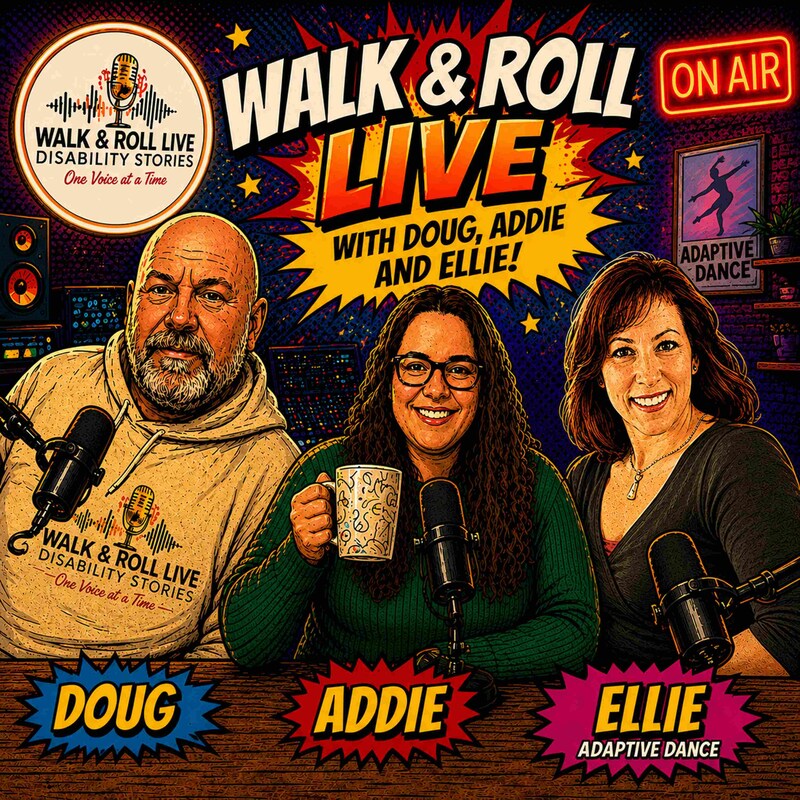
The adaptation of dance and theatre to accommodate diverse physical and cognitive abilities is a central theme of our conversation. We delve into the prevalent misconceptions surrounding students with disabilities in the performing arts, illuminating the need for a paradigm shift in public perception. Furthermore, we explore effective strategies for fostering confidence among students who may be hesitant to express themselves creatively. Our guest, Ellie Nelson, shares her profound insights and experiences, emphasizing that every individual possesses unique abilities worthy of celebration. This episode ultimately advocates for inclusivity and the belief that the performing arts can be a transformative space for all, regardless of their challenges. In this engaging episode, the conversation centers on how to effectively adapt dance and theater for students with differing physical and cognitive abilities. Ellie shares her foundational experience that shapes her understanding of the unique challenges faced by individuals with disabilities. We delve into the misconceptions that often surround these students, particularly the notion that their disabilities limit their potential in the performing arts. The episode highlights the pivotal role of fostering confidence in hesitant students through supportive teaching methods and inclusive practices. By showcasing success stories from our classes, we demonstrate that with the right adaptations, all students can actively participate in and enjoy the arts. This episode ultimately advocates for a shift in perspective, urging educators and artists to recognize the value of inclusivity and the enriching contributions that students with disabilities bring to the performing arts.
Takeaways:
- Adapting dance and theatre requires understanding each individual's physical and cognitive capabilities.
- Misconceptions about students with disabilities often stem from a lack of exposure and understanding.
- Building confidence in students involves celebrating their achievements, no matter how small they may seem.
- Creating an inclusive environment where all students feel welcome fosters expression and creativity in the performing arts.
- Dance can serve as a powerful medium for expression and connection among students with varying abilities.
- It is essential to challenge societal misconceptions and advocate for the inclusion of students with disabilities in all artistic endeavors.
Companies mentioned in this episode:
- AGUIAR Professional Training
Transcripts
The following is a productions original series.
Speaker B:Hello and welcome to Rock and Roll Live.
Speaker B:I'm Doug Vincent along with Addie Rich, and our podcast is dedicated to amplifying the voices of, of the disability community.
Speaker B:Having said that, I am a polio survivor.
Speaker B:Walked on crutches and braces for years and then transitioned to a wheelchair.
Speaker B:And Addie came in a different container and I did.
Speaker B:What does that container.
Speaker C:You now know my stick, but that's what I say.
Speaker C:Came into different container, have cerebral palsy.
Speaker C:I'm here rocking the world.
Speaker C:Sometimes sitting, sometimes standing.
Speaker C:Who knows?
Speaker B:It's all a. I, I know.
Speaker B:You know, it was interesting on the dateability episode where you were talking about, you know, in your, I guess, your profile, you'd say you come in a different container and.
Speaker C:Yes.
Speaker B:You know, and you've said that.
Speaker B:I've heard you say that.
Speaker B:But I, I, in that context, it was beautiful.
Speaker B:It was perfect, you know, to kind of.
Speaker C:Yeah.
Speaker B:Open that, that, that conversation.
Speaker C:Right.
Speaker B:You know, because I'm sure you had many people are like, what does that mean?
Speaker C:Well, and I found you kind of see who reads.
Speaker C:Right.
Speaker B:Yeah.
Speaker C:Observant and person.
Speaker C:I was always a deeper thinker.
Speaker C:My soul was always older than my number.
Speaker C:Right.
Speaker C:And so I kind of did that on purpose because it let me know who was gonna read, who was gonna be curious, who actually had read, you know what I mean?
Speaker C:Like, all the different.
Speaker C:It was a, it was a sorter.
Speaker B:Yeah.
Speaker B:Qualifier.
Speaker B:Right?
Speaker B:Yeah.
Speaker C:Yeah, exactly.
Speaker B:Kind of stay away from those folks that are more, More about them than you.
Speaker C:Exactly.
Speaker C:And I mean, even if you didn't know what that meant, the fact that you were brave enough to read that, how does that translate or, or what were you referencing or whatever?
Speaker C:I love, like, people who are direct.
Speaker C:I don't really like to beat around the bush, and that got me a lot of.
Speaker C:Well, it weeded out the non direct people sometimes.
Speaker C:And it also, like, took the shakes off of the, off of, like, trying to wiggle into.
Speaker C:How do I say this?
Speaker B:Yeah.
Speaker B:It's almost an icebreaker.
Speaker B:Really.
Speaker C:Yeah.
Speaker C:Really.
Speaker C:Truly.
Speaker C:It's a setup.
Speaker C:It's a setup.
Speaker B:Yeah.
Speaker B:That one little phrase just so multifaceted.
Speaker B:I love it.
Speaker B:I love it.
Speaker B:Well, here we are back again this week.
Speaker B:Thank you to Susie Golshan for sharing her story last week.
Speaker B:Good stuff.
Speaker B:Good stuff as always.
Speaker B:You know, even though, you know, we've had many SCI survivors on here.
Speaker C:Yeah.
Speaker B:Every story is just so unique.
Speaker B:And there's always a nugget or two or three in there.
Speaker B:There's Always something new, you know, at least two or three sometimes nuggets of, you know, their experience that kind of are relatable, let's say.
Speaker C:Well, yeah, and I think that that just circles back to what we were just talking about.
Speaker C:The container.
Speaker B:Yeah.
Speaker C:It's like if.
Speaker C:If somebody says, oh, I'm a quad, like, because when.
Speaker C:When she's like, we.
Speaker C:You and I have been around a lot of different people.
Speaker C:And when she said that, I was like, no way.
Speaker C:Because for me, every quad sits right.
Speaker B:Right.
Speaker C:Or like, Kira, like, you know, when hers, like, kind of came on, like, almost like a quicksand or whatever.
Speaker C:You know what I mean?
Speaker C:It's just so fascinating, and I love that, because variety of spice of life in so many ways.
Speaker C:And here you go.
Speaker B:I always wondered about the origin of her.
Speaker B:Her name that she uses on.
Speaker B:On social media.
Speaker B:Kind of a quad, you know, and then hearing your story, it's like, oh, okay, I get it.
Speaker C:Kind of gets it.
Speaker B:Yeah.
Speaker B:If you haven't heard that episode yet, you can.
Speaker B:You can figure it out, too, by going back and listening to her episode.
Speaker B:Yeah.
Speaker B:So let's see.
Speaker B:Anything else?
Speaker B:How was your week?
Speaker C:Weakish.
Speaker C:It was weakish.
Speaker C:No, it was good.
Speaker C:I feel like I.
Speaker C:My giant project reared its ugly head again Yesterday, like, with 30 minutes to go in the work day, so I got to work a bonus hour, which is fine.
Speaker B:Well, it sounds like you're, you know, you're finding your.
Speaker B:Your groove, you know.
Speaker C:Yeah, well, and I'm hoping I'm finally pushing the needle with the vendor.
Speaker C:I saw some emails today prior to this meeting that they're having later because I'm on the East Coast.
Speaker C:The company's based out of the west coast, so sometimes I miss things in the later day.
Speaker C:But I saw some emails go back and forth, and I. I think the vendor finally realizes that we are not blind to what they owe us.
Speaker C:And I have all the data to prove it, so.
Speaker B:Dang it, we gotta pay this one.
Speaker B:Yeah.
Speaker C:Yeah, exactly.
Speaker B:I tell you, I was having issues with my ramp on my van.
Speaker C:No, again.
Speaker B:Well, yeah, see, this has been intermittent.
Speaker B:Intermittent.
Speaker B:And then.
Speaker B:But now it's getting to a point where it's maybe a little more obvious, you know, because I. I got home the other night, and I was out, and.
Speaker B:And it wouldn't open.
Speaker B:The.
Speaker B:The door would open, then it close again.
Speaker B:The door would open and close again.
Speaker B:So I had my neighbor come by and kind of do some of the tricks that I know that kind of strains.
Speaker B:It kind of like gets out of Sync, you know, and then you do.
Speaker C:A couple of things like circuit needs a nap.
Speaker C:Yeah.
Speaker B:Then it's all fine again.
Speaker B:But.
Speaker B:But just nothing would work.
Speaker B:Nothing would work.
Speaker B:I tried to move the van, I'd move it forward, move it back, see if that would.
Speaker B:I mean, I was trying throwing everything at it and just never worked.
Speaker B:And then the next morning, you know, on Monday morning, first thing, bright and early, I went to the, to the wheelchair.
Speaker B:Well, the adaptive vehicle place.
Speaker B:And they, they take care of all that stuff and.
Speaker B:And of course it won't open.
Speaker B:I can't even get into it.
Speaker B:So my neighbor came by and, you know, pulled it out manually and I got on it so I could go there.
Speaker B:I get there and I get.
Speaker B:The guy comes out.
Speaker B:I can't, you know, and I hit the button, sure enough, it opens.
Speaker B:Everything works as smooth as glass.
Speaker B:Yeah.
Speaker B:So.
Speaker B:But they looked at it, they still inspected it, took it and put it up on the, on the lift.
Speaker B:And he took me out and showed me there was a.
Speaker B:There's a big dent.
Speaker B:You know, I either ran over something and.
Speaker B:Which I've done is remarkably low.
Speaker B:So the.
Speaker B:There's many times that I Right.
Speaker B:Hit something or drag on something.
Speaker B:So.
Speaker B:Yeah, so there was a dent, he said, right above this, where this dent is, is where the track is.
Speaker B:And so that is probably what's doing it.
Speaker B:So I have to go like to a body shop and have.
Speaker B:Move that, you know, pop that dent out so that it'll.
Speaker A:Yeah.
Speaker B:Won't encumber it.
Speaker B:But every time I go to open her, and I've used it three or four times since then, it's worked.
Speaker B:I just crossed my fingers.
Speaker C:Yeah.
Speaker B:Alrighty.
Speaker B:Well, that's.
Speaker B:That one.
Speaker B:That's after the highlight of my.
Speaker B:My week at this point.
Speaker C:Highlight of your week?
Speaker B:Yes.
Speaker B:So thank you again for listening.
Speaker B:Don't forget to like and subscribe and share and you know, in anything, you know, if you have some suggestions or you have a beef with us, whatever, you know, let us know and we'll address that the best we can.
Speaker B:Coming up today we've got Ellie Nelson.
Speaker B:I met her when I went to speak at the Corner Iguanus Club a few months back.
Speaker B:And, you know, very intriguing, our conversation there.
Speaker B:So I said this, this would be fun to.
Speaker B:To do on the podcast.
Speaker B:So we've got her in today, so we're going to do that here in a second.
Speaker B:You ready?
Speaker C:I'm ready.
Speaker B:Ready.
Speaker B:All right.
Speaker B:And we'll do that right after we hear from the Agar professional training at.
Speaker D:AGIAR Professional Training we know that your greatest asset is your team.
Speaker D:Investing in their development, knowledge, and happiness is essential for your business's success and growth.
Speaker D:To achieve new heights, it's important to hire intelligent, talented individuals and empower them to excel in their areas of strength and passion.
Speaker D:AGYAR is committed to transforming your employees into happier, more productive, and fulfilled individuals.
Speaker D:When your team thrives, your business prospers.
Speaker D:Wise leaders understand that providing team members with opportunities to shine in their strengths and unlocks untapped potential.
Speaker D:Elevate your team with AGYAR Professional Training and witness the growth of your business.
Speaker A:From the AGIAR Professional Training Studios.
Speaker A:You're listening to Walk and Roll Disability Stories.
Speaker E:People look at me sometimes like they're staring through a frame Trying to find the fragile parts before they learn my name Some say you're so brave Some say I could never like this life I'm living Ain't just life all together But I'm thinking about the rent this month and whether Dad's still doing fine Trying to hold my family close I'm still a little peace of mind I know they mean well but they don't understand I'm not searching for saving I'm just making my plans don't look at me like I'm broken Don't look at me like a cause I'm chasing love and paying bills and getting through these odds I've got dreams that keep me up at night Same fears running through underneath a different story I'm not that different from you we all want somebody to hold us we all want a little more time we're all just trying to find our way under the same.
Speaker C:Sky welcome back to Walk and Roll Live.
Speaker C:Let's start with an introduction.
Speaker C:Today we're sitting with Ellie, and she's going to introduce herself, tell us how she belongs to our community, and then we're going to get into her story.
Speaker C:So, Ellie, take it away.
Speaker A:Hello.
Speaker A:Good afternoon.
Speaker A:Well, thank you, first of all, Doug and Addie for having me here.
Speaker A:This is great.
Speaker A:Anytime that I can talk about disabilities or abilities, as I like to call them, I'm all for it.
Speaker A:I'm a dance teacher by, I guess by passion, by design.
Speaker A:But I was really shaped because growing up with learning disabilities, I'm from the generation that didn't know what those were.
Speaker A:So I didn't actually get a diagnosis.
Speaker A:I was almost 30.
Speaker A:And even then the diagnosis says, well, we don't really know what it is, but it's probably kind of like that.
Speaker A:You're in this category So I never even really got definitive closure on that.
Speaker A:So I just.
Speaker A:But it's.
Speaker A:But my disability is with math, so dysgraphia.
Speaker C:Okay.
Speaker A:So the closest thing that I can describe it is it's like dyslexia, except for math, only I don't see numbers backwards like some people see letters backwards.
Speaker A:It's just a brain perception retaining issue.
Speaker A:So that's harder, I think, to define.
Speaker A:So it's unique, but they all are unique.
Speaker A:Right.
Speaker A:It's why it's a spectrum and unique.
Speaker B:Within the same diagnosis.
Speaker B:We've learned here from doing this, you know, Very different.
Speaker A:Exactly.
Speaker B:Yeah.
Speaker A:Yeah, exactly.
Speaker C:Right.
Speaker A:And you can't even say dyslexia.
Speaker A:I mean, even within dyslexia, there's all kinds of ranges, and with autism, there's all kinds of ranges and levels and, and all of that.
Speaker A:So I would say I'm.
Speaker B:So how does the treatment start when you get diagnosed at 30?
Speaker B:I mean, is there exercises you can do?
Speaker B:How's that work?
Speaker A:Well, it starts with flunking out of colleges.
Speaker C:Okay, well, that's what I was gonna say.
Speaker C:I was like, wait, let's start the story in the beginning, when you're a young child and what school feels like, when we are like everybody else kind of gets it and you don't, or, you know, something like that.
Speaker C:Right.
Speaker A:Well, you know, it's really interesting because I've never actually talked about it before.
Speaker A:It's just something that I've just compartmentalized and moved on.
Speaker A:I have my strengths and that's what I lean into.
Speaker A:So me working with people with disabilities and teaching dance to kids on all levels of the spectrum, physically, mentally, emotionally, whatever the case may be, has really put things into perspective.
Speaker A:That is actually a beautiful thing.
Speaker A:These are assets, they're gifts.
Speaker A:They make us unique.
Speaker A:But it took a long road to get there.
Speaker A:Growing up in the 70s and 80s, they just didn't know what learning disabilities were.
Speaker C:Right.
Speaker A:So I just got Ds, barely got through school.
Speaker A:I mean, I don't know how I graduated, so I didn't.
Speaker A:Yeah.
Speaker A:For me, I have.
Speaker C:I have cerebral palsy.
Speaker C:But part of it is perception.
Speaker C:Like, part of it is perceptive things.
Speaker C:Right.
Speaker C:So.
Speaker A:Right.
Speaker C:Like when I got into like algebra and things with formulas or it say, the side of this triangle, I'm like, I cannot see that.
Speaker C:Like, I don't know, you know, anything that has like a weird depth or different things.
Speaker C:And so I can't remember if it's like pre algebra or whatever.
Speaker C:But I mean, I generally was really Good in school, but got there, and I was like, whoa.
Speaker C:No, not.
Speaker A:Yeah, I. I learned.
Speaker A:I had a problem with math pretty much in kindergarten when I just did not know how to add.
Speaker A:Adding and subtracting was so hard for me.
Speaker C:Yeah.
Speaker A:And I could understand, like, I have one apple, and you give me another apple, and now I have two apples.
Speaker C:Yes.
Speaker A:But I could not do it in a mathematical form.
Speaker A:And that is so bizarre.
Speaker A:Yeah.
Speaker A:And I couldn't do it.
Speaker C:And did you do it with objects?
Speaker C:Like, so, like, you're saying the apple thing or whatever, but, like, if you were given.
Speaker C:So when I did Teach for America, you had to do a lesson.
Speaker C:Right.
Speaker C:And so I did adding and subtracting with M&M's, because you had to, like, get up and teach something.
Speaker C:And that's what I did.
Speaker C:And I had, like, little baggies, and I was like, okay, if we have five and we take away two now, could you learn like that?
Speaker A:Well, it was still difficult when I was younger.
Speaker A:That was really hard.
Speaker C:Yeah.
Speaker A:I mean, yes, visually, like, if you had things in, like, literary form, it was much easier.
Speaker A:So a visual, like, if you put something in front of me and took it away.
Speaker A:The minute it became numbers, it was like, I just.
Speaker A:I don't remember number.
Speaker A:That is the one hiccup with my issue with my disability, as I like to call it.
Speaker A:I don't remember numbers.
Speaker A:So you can tell me Your birthday is October 6th.
Speaker A:I will literally two seconds later.
Speaker A:When did you say your birthday?
Speaker A:Unless I write it down, it's gone.
Speaker A:It's just.
Speaker A:It's like the black hole in my brain just goes, nope, we're not keeping that.
Speaker A:Forget it.
Speaker B:So if you write it down and you see it visually, then it kind of sticks in your memory.
Speaker A:It does.
Speaker B:So you would think for 5 seconds.
Speaker A:Algebra would make sense, but you're dealing with abstracts.
Speaker B:Oh, yeah.
Speaker B:I.
Speaker B:That.
Speaker B:That I had the same trouble with algebra.
Speaker A:Yeah.
Speaker A:The whole, like, solve for X.
Speaker A:No.
Speaker B:What?
Speaker B:I don't get it.
Speaker C:I'm like, can we hurry through this part?
Speaker C:That's why I was an English major.
Speaker C:I was like, yeah, no, I only want to have to do, like, the basics that I have to do.
Speaker A:Well, that was the weird thing.
Speaker A:I could read, so I was reading adult literature at a very young age.
Speaker A:And that's just.
Speaker A:I didn't have television in the house.
Speaker A:My parents are very religious, but I had literature, so I could read the Bible.
Speaker A:I could read histories.
Speaker A:I could read Plato and Aristotle.
Speaker A:I could read all the classics, and they had all the books.
Speaker A:In the house.
Speaker A:And every weekend we went to the library.
Speaker A:So I read constantly.
Speaker A:But when it came to, like, the maths and passing tests and regurgitating info, I just didn't have that skill set.
Speaker B:How did your teachers handle that?
Speaker B:I mean, did they think you were just being stubborn about one thing?
Speaker A:Just that I wasn't working hard enough.
Speaker A:I wasn't living up to my potential.
Speaker A:Yeah, we hear that a lot.
Speaker A:Yeah, she's really sweet, but she's not.
Speaker A:She just needs to work harder.
Speaker A:But I was working really hard.
Speaker A:I just couldn't get the result that they wanted.
Speaker A:And it really felt like pushing a square peg through a round hole.
Speaker A:You're asking kids to go through a series of hoops, and if they don't go through these hoops, they're not going to get to the next level.
Speaker A:If they don't get to the next level, they're not going to get to good college.
Speaker A:They don't get to good college, they're not going to get a job.
Speaker A:Poverty.
Speaker C:Yeah.
Speaker B:I just feel like my natural curiosity would.
Speaker B:Would.
Speaker B:I would be wondering, why does this child do so well, you know, reading and English and all that, but has trouble with math?
Speaker B:You know, I mean, is she not working hard at the, you know, the reading either?
Speaker B:I, you know, I don't know.
Speaker A:Well, no, I mean, I did, but, like.
Speaker A:But it's just the school system in general.
Speaker B:Yeah, yeah.
Speaker A:Set up for kids with special needs.
Speaker C:So did you finally find a teacher that kind of said, okay, let's.
Speaker C:Let's move you through?
Speaker A:In the fifth grade, I finally got a teacher, Mrs. Stewart.
Speaker B:I figured there had to be one out there, right.
Speaker A:Who said, there's something wrong with Elizabeth.
Speaker B:Thank you.
Speaker A:There's something wrong.
Speaker A:It.
Speaker A:She.
Speaker A:It can't just be.
Speaker A:She has her nose in a book and she's ignoring me.
Speaker A:There.
Speaker A:There has to be something going on.
Speaker A:But they didn't really have the testing available.
Speaker A:I mean, they did put me through weird psychological tests and, and things that, like, I had to do puzzles and put shapes together and things.
Speaker A:To this day, why?
Speaker A:What did I have to do with that?
Speaker A:To see how I functioned or responded under stress.
Speaker A:And when I was in, at that time, going into middle school, it was described to me that my eyes could see it, but my brain couldn't perceive it.
Speaker A:Yeah.
Speaker C:And then they said, it's so crazy but true.
Speaker C:Right.
Speaker C:Like, you don't realize how weird our brain and all that functions.
Speaker C:Right.
Speaker C:Like, when people say, no, you're not really seeing it, you're perceiving it with your eyes.
Speaker C:And I'm like, what?
Speaker C:What?
Speaker A:Yeah.
Speaker A:Yeah.
Speaker A:So that was weird.
Speaker A:So there's no, like, diagnosis to that.
Speaker A:So all I got was, okay, so I'm broken.
Speaker A:My brain's broken.
Speaker B:Yeah.
Speaker A:And all the.
Speaker A:And all the negativity that comes along with that, of course.
Speaker A:And then just barely got through high school.
Speaker A:Flunked out of one.
Speaker A:JC, flunked out of another.
Speaker A:JC was in my third JC.
Speaker A:I'm in my late 20s, and I finally, at Mount Sac, went to the disability center, and I got tested.
Speaker A:And I will never forget Dr. Andrews, because he didn't give me any clinical diagnosis, but he did say that of all of his years of testing people with disabilities, my scores were the worst.
Speaker A:And he didn't know how I even got that far in life and how I could put the right foot in front of the other.
Speaker A:And he said, wow, you have really compensated for yourself.
Speaker B:Yeah.
Speaker A:And sent me on my way.
Speaker B:Perseverance, persistence.
Speaker A:Yeah.
Speaker A:And so I just couldn't pass math, so it kept me out of school.
Speaker A:So I flunked out of school, and that hung over me for a long time.
Speaker A:And then I started working as a job coach for people with disabilities.
Speaker A:And then I started working as an intake coordinator and helping people facilitate matching and getting jobs.
Speaker A:And that was great for a while, but I needed to go back to the arts, and so I just started teaching dance, and then I focused on teaching kids on the spectrum, and now here I am writing ballets and putting on shows, and I have kids of all levels and ages and abilities, and it's great.
Speaker C:That's amazing.
Speaker B:Yeah.
Speaker C:So where did you first touch the arts?
Speaker C:Because you just said back to the arts, so.
Speaker A:Well, I. I always wanted to be a dancer, and I always wanted.
Speaker A:So I always studied dance, and I always.
Speaker A:You know, that was always important to me in a group, in theater and performing and that kind of a thing.
Speaker A:Finally, in my 40s, I went back to ULV and I finished my degree in theater, which was really wonderful for me.
Speaker A:And then I was teaching.
Speaker A:I've taught at various studios around, but I had my own.
Speaker A:I was an artistic director for a friend of mine in La Verne.
Speaker A:It was called McNayo Dance Studios, and the whole studio was based for kids on the spectrum.
Speaker A:And so we.
Speaker A:But a dance studio is a hard industry, and they weren't able to keep it going.
Speaker A:So we were there for five or six years, and now it's dissolved.
Speaker A:And so now I'm just teaching at the Stage downtown Pomona.
Speaker A:I have one Class, but who knows?
Speaker A:Maybe I'll really put some effort into it and get more.
Speaker A:But we have a small little performance group and we perform.
Speaker A:We just did last month's art walk.
Speaker A:So they get out there and they do it.
Speaker A:I'm so proud of them.
Speaker B:So what's that experience like?
Speaker B:I'm sure, like we talked about before, everybody is so different.
Speaker B:So each child, you have to kind of approach differently.
Speaker A:Yeah, for sure.
Speaker A:You just meet them where they're at.
Speaker A:I mean, if one of my students, Jada, has cerebral palsy, so she uses crutches.
Speaker A:So that means that when she does her ballet, walks across the floor, we use crutches.
Speaker A:Big deal.
Speaker A:Or if we do a turn, we're doing a half turn, and then she can move her crutches and complete the turn.
Speaker A:That works, too.
Speaker A:I just modify it.
Speaker A:I just make it be what they can do.
Speaker C:What.
Speaker C:What took you to decide, though, that you wanted to work with the disabled community to do those things like, rather.
Speaker A:Than, quote, unquote, normal, a student just crossed my path.
Speaker A:I was teaching at a dance studio locally that I don't know that I should name.
Speaker C:You were teaching somewhere?
Speaker A:Yeah.
Speaker A:And no disrespect, it's a great studio.
Speaker A:But a mom had called in and said that her little girl had a muscle disability, a muscular disability, and other dance studios had rejected her.
Speaker A:And this studio owner said, oh, well, we'll have to do a private, and we'll have to assess her and see what she can do.
Speaker A:And just the way the magic of the universe works.
Speaker A:I was at the studio before the owner got there.
Speaker A:So when the mom approached me and started to talk to me about her disabled kid, I just said, please.
Speaker A:I don't like that word.
Speaker A:I don't believe in disabilities.
Speaker A:And I just looked at this little girl and I said, you want to come dance with me?
Speaker A:And she nodded her head.
Speaker A:So I took her by the hand as I could, and we went and we had class.
Speaker A:The mom was crying.
Speaker A:She did great.
Speaker A:And then, of course, the studio owner comes in.
Speaker A:Oh, I knew Ms. Ellie would be the right teacher.
Speaker A:I knew it was the right fit, and that really upset the mother.
Speaker A:So she walked out of the studio, handed me her card, and said, I want to start my own studio, and I want you to run it, and I want it to be for kids like my daughter.
Speaker A:And I said, sold.
Speaker A:And we did.
Speaker A:Done.
Speaker C:Yeah.
Speaker A:No, I was just.
Speaker A:But I've always been open just from my own personal experience, you know?
Speaker A:Yeah.
Speaker B:So is the class mixed?
Speaker B:It's all Types of us.
Speaker A:Well, well, originally I had it a little bit more segregated because I had students who are also not using crutches or whatnot.
Speaker A:So I did have a class that was specifically for students who had more physical needs just so that I could tend to them.
Speaker A:Because it's really hard to have a big class full of people that are running around, and then you're trying to modify something for a wheelchair or for crutches or for down syndrome or something that a child or a young learner just needs a little more support.
Speaker A:So I did have a specific, what I call all abilities class, but since the dissolving of the studio in La Verne, those students have kind of scattered.
Speaker A:So they come to class here and there, but my core right now, their spectrum needs are more mental and emotional than physical.
Speaker B:Yeah.
Speaker A:So it's.
Speaker A:It's in.
Speaker A:That class is mixed because then we get people of all levels and ages and.
Speaker A:Yeah.
Speaker A:And my students have been dancing with me long enough.
Speaker A:They just.
Speaker A:They're fine.
Speaker B:Yeah.
Speaker A:They're like, hey, come on, welcome.
Speaker C:Yeah, that's fun.
Speaker B:And I'm sure when you have new students who are apprehensive, you know, the other students with the experience are just, you know, including them, and, like, come on, dance with us.
Speaker B:Right?
Speaker A:Yeah, absolutely.
Speaker A:And that's the vibe my students, I've always created, because I know what it's like to be in studios that's more snobby and clicky.
Speaker A:So I don't allow that.
Speaker A:So we are all very kind, and we make friendship circles, and we welcome new students, and we.
Speaker A:We always in class with the hugs and claps, and it's.
Speaker A:It's a very loving environment.
Speaker A:It's not an austere ballet environment.
Speaker A:It's a very warm ballet environment.
Speaker C:But that's what people need, right?
Speaker C:They need that community, and this is where they're finding it, where they feel, quote, unquote, normal with their friends.
Speaker A:Right, Exactly.
Speaker C:So that's.
Speaker A:Exactly.
Speaker C:That is generally what's missing.
Speaker C:Right.
Speaker C:Where even if you're in a certain place where you have, like, oh, I'm gonna adapt this thing with 90% people with, you know, full mobility or whatever.
Speaker C:I used to take a spin class, and I literally would be in the back, bike in the corner, because I was the only one that needed to, like, adapt it for myself.
Speaker C:Right.
Speaker C:But it's a beautiful place to be in a thing where they say, no, no, be in front, and we'll figure it out.
Speaker C:Like, so.
Speaker C:Yeah, kudos to you.
Speaker A:Well, I wrote my thesis Ballet At UO V, it was called the Red Shoes.
Speaker A:It's based on the fairy tale.
Speaker A:The Red Shoes is also a famous ballet.
Speaker A:But I made my prima ballerina.
Speaker A:My girl was cerebral Palsy.
Speaker A:And so the prima was the one on crutches.
Speaker A:And then the.
Speaker A:The ballerina that was on point ended up being unable to dance.
Speaker A:And then the girl with crutches had to teach her how to manage when you can't use your feet.
Speaker A:And so it was like.
Speaker A:So the whole vibe is about empathy and acceptance and.
Speaker A:But celebrating it because who's to say?
Speaker A:Okay, yeah, most of my students, they're not going to go.
Speaker A:The Boshoi.
Speaker A:Let the Bolshoi Ballet.
Speaker A:Let the New York Ballet, American Ballet Theater.
Speaker A:Let them have what they've been having for the last hundred, two hundred years, whatever.
Speaker A:Let them do it.
Speaker A:But who's to say that you can't have a star principal dancer or actor or writer or singer or musician who uses a wheelchair or who uses crutches or maybe has a difference in speech when they talk?
Speaker A:Like, who's to say we can't change the narrative.
Speaker C:You can still create the space for it.
Speaker B:Right.
Speaker C:Like, just because it doesn't exist means.
Speaker C:Doesn't mean it won't.
Speaker A:Yeah, yeah.
Speaker A:And the more we do it, the more it'll exist.
Speaker A:I'm hearing more and more people refer to people with disabilities.
Speaker A:Is having all abilities.
Speaker A:I'm hearing it more and more.
Speaker A:It's.
Speaker A:It's catching on.
Speaker A:I was getting mad.
Speaker A:So, like, that's my phrase.
Speaker A:I. I need to.
Speaker A:That I want the royalties.
Speaker A:Right.
Speaker B:But let's normalize all abilities.
Speaker A:Yes, yes.
Speaker A:Instead of looking at.
Speaker A:Because I have such an issue with the word disability.
Speaker A:I know, I know means disabled.
Speaker A:Like you take something apart.
Speaker A:I'm sorry.
Speaker A:My mama, Kitty back here is decided she has to crash our party.
Speaker A:But it, like when you dis something, you take it apart.
Speaker A:You dismantle the car engine.
Speaker A:You take it apart.
Speaker A:How is a disability taken apart?
Speaker A:It's a part of us.
Speaker A:It's who we are.
Speaker A:It just means we function differently.
Speaker C:I just think I always call it different abilities.
Speaker B:Yeah, yeah.
Speaker B:There's so many different terms.
Speaker B:But the, The.
Speaker B:The thing is you.
Speaker B:If.
Speaker B:If you want to communicate with the language, it's just short.
Speaker B:It's just shorthand, you know, for that you know.
Speaker A:Right.
Speaker C:Elliot, I think you should make your thesis or your story into a storybook.
Speaker C:Why don't you do that?
Speaker A:Well, you know, it's funny you say that, because I do like to write and I do like, to write children's stories.
Speaker A:And.
Speaker A:I'm sorry.
Speaker A:I'm seeing my cat just behind us.
Speaker A:Yeah, I should.
Speaker A:Okay.
Speaker A:Thank you.
Speaker A:Maybe I will.
Speaker B:Yeah.
Speaker C:We can talk after this.
Speaker B:I could.
Speaker B:I could kind of visualize it as a ballet.
Speaker A:I could, too.
Speaker B:Yeah.
Speaker C:I think it's a beautiful story.
Speaker A:Throwing desk and she's frustrated.
Speaker C:I think it's a beautiful story, and it's an opportunity to give a story to a child that looks like them.
Speaker C:Right.
Speaker C:Because it's.
Speaker A:I think that's so important.
Speaker B:Yeah.
Speaker A:And my mom always did, too.
Speaker A:She always thought it was important to have, like, ethnic skin dolls for little girls so they didn't just feel like they had to have, like, the white baby doll.
Speaker A:She grew up in the 30s, 40s and 50s, or.
Speaker A:Yeah, the narrative was one or the other.
Speaker A:And so my mom always wanted to have a store where they had dolls of every ethnicity and dolls with wheelchairs and doll.
Speaker A:You know, because for kids who are all different can still have that connection.
Speaker C:The more you see yourself in the world around you, the more you feel like you belong.
Speaker B:Right.
Speaker B:Gives you confidence.
Speaker B:Yeah.
Speaker A:Right.
Speaker A:And we're getting that now.
Speaker A:Right.
Speaker A:With all, you know, with a lot of.
Speaker A:I. I think we're seeing that now with a lot of the, you know, LGBTQ community, we're getting more acceptance.
Speaker A:We're seeing them on, you know, more reflected in our TV shows and our media, and I. I think we need to have more people with disabilities reflected more and more in our mainstream.
Speaker A:I don't know if you guys ever noticed, but they tend to do that.
Speaker A:I've been noticing on, like, a lot of British shows, they'll have an actor with down syndrome or they'll have an actor with a crutch or something, and they just throw it like it's normal.
Speaker B:Yeah.
Speaker B:You know, the whole episode surround them and.
Speaker B:And having pity for them and all that.
Speaker B:Yeah.
Speaker B:They're just one of the characters in the show.
Speaker A:Yeah.
Speaker A:Yeah.
Speaker A:They're just a norm.
Speaker A:Yeah.
Speaker A:So what?
Speaker A:They're a police officer and they're.
Speaker A:Whatever.
Speaker A:Yeah.
Speaker A:I think it's great.
Speaker A:I think we definitely need to mainstream it.
Speaker B:And we're not all angels.
Speaker B:Some of us are a holes.
Speaker C:You get in trouble.
Speaker C:We get.
Speaker C:Yeah.
Speaker C:All the things.
Speaker B:Yeah.
Speaker C:But so I'm.
Speaker C:I'm gonna drag us back to confidence and kind of to the story.
Speaker C:And being a new student in your class, how do you.
Speaker C:How do you kind of draw out that confidence in somebody who maybe with their different ability isn't as confident like, it sounds like you're you insist on it in your community with the other.
Speaker A:Kids, but, I mean, it takes time.
Speaker A:I mean, yeah, you gotta verbally affirm them, but they see it through their own success.
Speaker A:When they first come in, they can't do anything, and then.
Speaker A:Then they're doing it.
Speaker B:What's.
Speaker B:What's the experience like?
Speaker B:Is.
Speaker B:Is it the child that wants to come, or is it the parent that thinks it would be good for them and they bring them in?
Speaker A:Well, I. I've never had a situation where a parent was forcing a kid to come to dance class.
Speaker A:Like, I was a ballerina, and you're gonna be a ballerina.
Speaker B:Well, that's good.
Speaker B:But I.
Speaker B:But I mean, just encouraging them, just bringing them in.
Speaker A:I've never experienced that.
Speaker B:Yeah.
Speaker A:But I.
Speaker A:Most of my students, they want to dance, and their parents are like, okay, now we're here.
Speaker B:Yeah.
Speaker A:You know, more.
Speaker A:But like, with my Jada, with my girl who has cerebral palsy, she.
Speaker A:I kind of.
Speaker A:Have you guys read Heidi, if I.
Speaker B:Did a long time ago.
Speaker A:Right, to get back to your childhood.
Speaker A:Yeah, but there was a scene in Heidi when the girl's in a wheelchair, and Heidi is just convinced if she can just have, like, fresh air and confidence, she can start to walk again, and she gets healthier and she starts to walk and she doesn't need the wheelchair.
Speaker A:And I was just.
Speaker A:Something about that, like, the human spirit, you can make yourself better, you can grow.
Speaker A:Don't accept a limitation.
Speaker A:So you might walk in with a crutch, but with practice, I bet you can start walking a few steps without it, maybe just one.
Speaker A:Then it's two steps, then it's three steps.
Speaker A:And then Jada got to where she could walk across the whole dance floor without falling.
Speaker C:Amazing.
Speaker A:So I think you can grow.
Speaker A:And so those little things, I mean, when she went to the doctor, she was like 13, 12, something like that.
Speaker A:And she could walk in the doctor, like, in the hallway without her crutch to show that she was getting better.
Speaker A:I mean, that was a mile.
Speaker A:I mean, that's magic.
Speaker B:Yeah, but that's.
Speaker B:That's pretty unique.
Speaker B:You know, I. I mean, I can remember growing up, and I.
Speaker B:And I'm sure I've told this story here before, but, you know, when I was young, you'd hear the stories about Wilma Rudolph.
Speaker B:Do you.
Speaker B:Does that ring a bell?
Speaker B:She was a.
Speaker B:She was an Olympian, a gold medal sprinter.
Speaker B:And I mean, this is back 30s or something like that.
Speaker B:And.
Speaker B:And they say she knows she overcame polio and was, you know, and became A gold medalist.
Speaker B:And as a kid, I'm like, Jesus, am I not just working hard enough?
Speaker B:How is she winning a gold medal?
Speaker B:You know, and then as you grow older, you realize that there are very, very, you know, a whole spectrum of what polio, you know, does to people.
Speaker B:You know, it obviously, you know, she had the.
Speaker B:The polio light version, you know.
Speaker B:Yeah.
Speaker B:So there's no amount of work that I'm going to do that's going to get me to that level, you know, so.
Speaker C:But it didn't make you unsuccessful.
Speaker B:No, no, no, no, no.
Speaker B:I just, you know, as a kid, you just sometimes don't understand the nuances of that.
Speaker B:And then as you get older, you learn, you know.
Speaker A:True.
Speaker A:But if you.
Speaker B:Oh, I'm all about it.
Speaker B:I'm all about what you're saying.
Speaker B:Believe me.
Speaker B:I think too many people don't do enough of what you're talking about, Ellie.
Speaker B:Too many people don't.
Speaker B:Don't try to stretch people with disabilities their limits, you know, so they don't know where they are really, a lot of times.
Speaker A:Yeah, yeah, I agree.
Speaker A:I agree.
Speaker A:And especially in the history of us as a society, as a community, the way doctors and the medical.
Speaker A:I mean, look at the freak shows.
Speaker A:I mean, look at what people through, just by being different and being physically different.
Speaker A:It's horrifying.
Speaker A:It is.
Speaker A:And I. I certainly don't advocate trying to create an unrealistic goal or expectation.
Speaker A:That was just the magic and the strength of that child's determination to exercise herself a little bit beyond what she thought was possible.
Speaker A:And she certainly couldn't go very.
Speaker A:I mean, she wasn't going to give up her crutches at school or anything like that.
Speaker A:But it was enough to where for her, she could have balance and posture for a moment.
Speaker B:Yeah.
Speaker A:And then go back to using her crutch and just to see her get to that level as a dancer, like, that's all, you know, it's not about never using your crutches again.
Speaker A:It's just about using your crutch on stage to the best of your ability.
Speaker C:Yeah.
Speaker C:But I think that kind of goes to where.
Speaker C:Where, like, my next question was kind of leading is like, what is the cast off that you see in kids who are doing the dancing like her?
Speaker C:She gains a little more balance.
Speaker C:She, you know, it's a lot.
Speaker C:Why?
Speaker C:Like, I need to work out more to get my balance back because you need some core and different things.
Speaker C:But I'm sure that there's confidence and.
Speaker B:Yeah.
Speaker C:Different things that come and do you have.
Speaker A:Yes.
Speaker C:Story or stories about that?
Speaker A:Yeah, absolutely.
Speaker A:I mean, just seeing my students,.
Speaker C:I.
Speaker A:Don't know, just continue to go about their daily lives with just feeling better about themselves or celebrating that their disability isn't something ugly, you know, it's okay.
Speaker A:It's.
Speaker A:It's beautiful because it's you, you know, that's hard.
Speaker C:Or being able also to say to their friends, oh, I go to dance.
Speaker A:Yeah.
Speaker A:Oh, for sure.
Speaker B:Yeah.
Speaker A:And not only is it I get to go to dance, it's.
Speaker A:I'm in a ballet, I'm in a show, I get to perform, I get a costume.
Speaker A:Yeah.
Speaker A:It's.
Speaker A:I think it's important, and it's part of our arts.
Speaker A:I know it's expensive for schools to have the arts, but the arts teach things emotionally and, I don't know, intellectually that the academics don't really do.
Speaker A:It feeds a part of our humanness.
Speaker B:That feeds the soul.
Speaker B:Right?
Speaker B:Yeah.
Speaker A:You know, and I mean, I don't know about you, but we always had music in our classroom.
Speaker A:We had a person come in and do music and we had to sing songs and I don't know, they just don't do that as much anymore.
Speaker A:Really.
Speaker C:Yeah.
Speaker B:You know, I'm curious too.
Speaker B:You know, music is such a large part of dance.
Speaker B:And when you have a child, say, on the spectrum that has auditory issues and all that, you know, loud noises can be very, very frightening for them.
Speaker B:How do you work with that?
Speaker A:Well, I do sign a little bit.
Speaker A:So if I did have a deaf student, I would have a sign.
Speaker A:I'd have interpreter.
Speaker A:But, yeah, you can't.
Speaker A:That.
Speaker A:That.
Speaker A:That's a very good point, Doug, because a lot of people think that with hard of hearing students or that you just have to put a loud drum or a loud bas.
Speaker A:But it can actually be too loud for them because they're feeling it with everything.
Speaker A:So I just put their hands on the speakers and we just go at comfort levels.
Speaker A:So I just bring the volume up to where they feel like, okay, I can feel it and I like it.
Speaker A:And then I know where the limit is.
Speaker A:And then I don't blast.
Speaker A:I don't blast them.
Speaker B:What's the impact on the parents?
Speaker A:They love it.
Speaker B:Yeah.
Speaker A:Because they see someone treating their kid like an equal, like a normal on, you know, neurotypical.
Speaker A:You know what I mean?
Speaker A:They feel like, oh, my gosh, my kid's getting a.
Speaker A:A normal experience.
Speaker A:They get to be in class, they're getting to play with other kids, and they're getting exposed to music.
Speaker A:And so I think it's positive.
Speaker B:Yeah.
Speaker A:Or at least I haven't been yelled at yet.
Speaker C:How big are your classes generally?
Speaker C:Like at biggest to smallest.
Speaker A:What I keep them, I like to tap them out at 10.
Speaker A:I mean I have taught big classes before, like 20, 30 or even done like workshops that were like 50, 60 people.
Speaker A:And I've certainly directed and choreographed cast of plays that had huge ensembles.
Speaker A:But as far as teaching, I honestly, I like to keep it 10, 10 to 15, mostly because the studio spacing, most dance studios aren't huge.
Speaker A:The one in Pomona, I'm lucky.
Speaker A:The stage, it's fairly big and I can have 20 people in there pretty comfortably.
Speaker A:But I, I tap my classes out of 10.
Speaker C:I mean that's smart because you like individual attention and you like to be able to be like good job, so and so.
Speaker C:And if you're like trying to watch 30 of them from personal experience, I know somebody gets lost in a middle school classroom or gets away with something while there's so many of you.
Speaker A:And if, and then when I had my all abilities class, we had a lot of students that needed physical attention.
Speaker A:I, I had an aide with me as well.
Speaker C:That was my next question is, do you have a co teacher or somebody who like helps?
Speaker A:Yeah, helps.
Speaker A:We, we did.
Speaker A:We, we had someone who was actually a specialist who worked at one of the local elementary schools.
Speaker A:The name escaping me right now, but one is, it's in Claremont.
Speaker A:Oh my gosh.
Speaker A:As soon as I stop talking with you, it's going to come right back at me.
Speaker A:But she was a teacher there, so she was my aide and so she was very familiar with the students and their needs.
Speaker A:But you know, I just try to meet people where they're at and I just feel my way through that Is the wonderful thing about having a learning disability is you learn how to feel your way through situations in ways that I think I wouldn't be able to do if like I can just walk into a room and I can just assess the situation.
Speaker A:I can know who is feeling bad, who, who, who's upset, who's hungry.
Speaker A:What do you guys need?
Speaker A:Like, I can just feel empathy going on.
Speaker C:Your empathy works much stronger because your logic, the logic of like having to math things and do those things don't matter, it's irrelevant.
Speaker C:So yeah, you lead with empathy and.
Speaker A:I think that was also just survival because you had, I had to adapt in all the different classrooms that I did not feel comfortable in.
Speaker A:How do I hide in here?
Speaker C:Right, right.
Speaker A:So I, I think really it was survival, too, but.
Speaker A:But, yeah, no, I just.
Speaker A:I really.
Speaker A:I just.
Speaker A:I take it one kid at a time or one person at a time, because I have adults, too.
Speaker C:Neat.
Speaker A:So, yeah.
Speaker A:And I love.
Speaker A:You know, it's so funny because people.
Speaker A:Autism gets a lot of flack, but as a dance teacher who teach, I love that they remember everything.
Speaker A:My Ellie, you did two to the right and one to the left.
Speaker A:And right now you just did two to the right and two to the left.
Speaker A:But last time you did it, they know.
Speaker A:They catch you.
Speaker A:They.
Speaker A:They're so.
Speaker A:They remember details.
Speaker A:They remember their choreography, they know their music cues.
Speaker A:It's lovely.
Speaker A:I think they have such strengths.
Speaker A:I don't know why people are so afraid of autism.
Speaker C:It's just new and foreign to them.
Speaker C:I'm like, I. I really do love that, too.
Speaker C:Also, because people with.
Speaker C:On the spectrum can be so blunt.
Speaker C:They don't try to finesse their answer to what they think it should be.
Speaker C:They're just going to tell you how it is, and you're like, thank you.
Speaker C:Thank you for cutting out all the fluff.
Speaker C:I appreciate.
Speaker A:Let's just be direct and honest and straightforward.
Speaker A:There's no malice, especially if, you know,.
Speaker C:If you don't know someone's on the spectrum and they come up like that, it's a little like, whoa, dial it back.
Speaker C:But if you know that they have a uniqueness, then it's like, okay, today I'm gonna learn about strawberries.
Speaker C:Everything I never knew, I.
Speaker A:And everything about this one particular character from a film or an anime that I never want to know about either.
Speaker A:And I know.
Speaker A:I know everything.
Speaker C:Exactly.
Speaker C:One of the organizations, like, you have.
Speaker C:Whoever, you know, whatever it is.
Speaker C:Right.
Speaker B:One of the organizations I work out there was a young man, probably mid to late twenties, but nonverbal, and.
Speaker B:And I did a car show for years, and somebody suggested that, you know, this.
Speaker B:I guess this kid was really into cars.
Speaker B:So I went over and started showing him pictures from my car show, and I couldn't shut the kid up.
Speaker B:I mean, every car, every car he could identify, make, model, year.
Speaker B:You know, they can only stumped him once or twice, but, yeah, they find their thing.
Speaker A:Yeah.
Speaker A:Oh, that's great.
Speaker B:You know, I was curious about something else, too.
Speaker B:You know, there's many aspects to dance.
Speaker B:You know, you've got the dancing part and you've got costumes and music and choreography.
Speaker B:Do you introduce them to those other elements?
Speaker A:Oh, of course.
Speaker B:Yeah.
Speaker A:And when I also teach history, I also teach in dance history, so they're learning Traditional Cicchetti ballet.
Speaker A:And they're learning dance history, like, where it comes from and how it went from Italy to France to England to Russia to America in Central South America, and how dancers throughout our continent have evolved.
Speaker A:Our companies here, they get a lot of theory, too, and we have fun.
Speaker A:Like, sometimes we haven't done it for a really long time, but I'll do, like, a classical movie night where we'll watch an old musical or something just to expose them to Gene Kelly.
Speaker B:Yeah.
Speaker A:Or Fred Astaire or Marco Fontaine or, I don't know, whatever I feel like I want to do in the moment.
Speaker B:So enjoy that.
Speaker A:Yeah.
Speaker A:I try to give him as much exposure as possible.
Speaker C:That's awesome.
Speaker C:That's so awesome.
Speaker C:And I also love that, like, typically, I mean, Doug and I have talked about this a lot, that, like, some people, not on purpose, but will, like, dumb it down or, like, try to do something that makes it like.
Speaker C:You know what I mean?
Speaker C:I love that you're like, we're gonna watch this movie, just going to watch it, and we're going to fig.
Speaker C:You know what I mean?
Speaker C:Like, there's no, like, long winded explanation.
Speaker A:It's no.
Speaker A:The.
Speaker A:The.
Speaker A:Well, the history of ballet is really simple.
Speaker A:It's an Italian dance form.
Speaker A:It was done by folk girls, so peasant girls would tell little dance stories through dance.
Speaker A:They're called little bos.
Speaker A:So when Katherine de Medici became Queen of France, she brought this little art form to the court, to France, to show, like, pride of her culture.
Speaker A:So when her daughter got married, they had these little dances performed at her wedding reception.
Speaker A:And that's all it took.
Speaker A:Then anybody who was anybody was having these little ballets done at their parties.
Speaker A:And then her son created the first ballet school of France.
Speaker A:And that's why you think of ballet as French and why it's taught in French, but it's actually Italian.
Speaker A:And it should all be taught in Italian, but it's not from Italy to France, but as we understand, was developed in France with having the first official Paris Opera and Paris Ballet School.
Speaker B:So that's a little history here on Walk and Roll Live.
Speaker B:I like it.
Speaker A:You can get that in five minutes while we're stretching, you know what I mean?
Speaker B:Okay.
Speaker B:Yeah, Yeah.
Speaker A:I don't make it too crazy for them.
Speaker A:If I could have homework, I would.
Speaker A:But learning their stuff, I guess, is homework enough, right?
Speaker B:Yeah, keep it fun.
Speaker C:That's cool.
Speaker C:That's so cool to teach.
Speaker C:I mean, I love history.
Speaker C:I'm a big old nerd.
Speaker C:I. I was.
Speaker C:I Taught English, but I almost taught history.
Speaker C:So that, that stuff is so cool.
Speaker C:Because where we are now came from someplace, right?
Speaker A:Yeah.
Speaker C:Teaching people that.
Speaker A:Yeah.
Speaker A:While we're on that tradition evolved.
Speaker A: odern dance, you know, in the: Speaker A:Like they were making shapes on paintings, on canvas and sculptures.
Speaker A:So it's evolved.
Speaker B:So we're on the subject of learning, you know, as you see or your students blossom in class, do you see it have an impact on the rest of their lives?
Speaker B:Have you heard stories or seen where it's affected them in their school work or other parts of their lives?
Speaker A:I think.
Speaker A:Well, I don't know that I can come up with a specific story, but I just know that their confidence and their feeling connected and feeling good about themselves and having.
Speaker A:And people take it for granted that a little girl with cerebral palsy wouldn't want to be a ballerina.
Speaker A:Why wouldn't she?
Speaker A:All the other little girls do.
Speaker B:Yeah.
Speaker A:So just giving her the experience where she's treated with equality.
Speaker A:She can put on the little skirt and come to class and be.
Speaker A:And have her experience.
Speaker A:Because, I mean, let's be real.
Speaker A:Most kids who come to dance when they're young are having an experience.
Speaker A:They're not necessarily wanting to grow up to be ballerinas.
Speaker A:And once they get into middle school and high school and they discover soccer and boys and proms and football games and all of that, the idea of going to sweating it out in a dance class and working your butt off and stretching and having it be hard unless you want to do it, it's not necessarily fun.
Speaker A:So beyond the cutesy little 3, 4, 5, 6 year olds and their cute little ballerina tutus on stage, twinkling their toes, really cute, beyond that, it's work.
Speaker A:So unless you want to be a dancer, no one's going to really pursue that.
Speaker A:But just because a kid is born on the spectrum doesn't mean they're not born a dancer and they want to dance.
Speaker A:So where are they going to do it?
Speaker A:They're not going to walk into the local dance studio where everybody looks the same and walks the same and acts the same and can pretty much look the same on stage.
Speaker A:So I'm just trying to provide an environment where if they want to dance, they can come dance with me.
Speaker A:I don't, I don't care what they can physically do.
Speaker A:I just care that that's in their heart and that's their dancer.
Speaker A:So I think just being able to want to do something and being able to do it, that affects your whole life for sure.
Speaker B:Yeah.
Speaker B:So what's next for you?
Speaker B:What's next?
Speaker B:Any projects coming up or goals for.
Speaker A:Me is that I'm putting on my big girl pants and I want to go finish my education.
Speaker A:I am applying to get my master's in education.
Speaker A:In addition to teaching dance, I also teach Jewish values at our Jewish school for children at our synagogue.
Speaker A:I teach second and third grade, so I'm going to get my master's in Jewish education and then I want to get my PhD in the arts in education, emphasizing, obviously, the importance of art in education.
Speaker A:And I just want to keep teaching and I just want to keep growing.
Speaker B:Yeah.
Speaker A:And I want more dance studios out there to let kids come to dance class, even if they don't look like what you think a jazz tap ballerina looks like.
Speaker C:Yeah.
Speaker C:So if parents are out there and they want to find you and they want their kid to become a part of what you do, how do they do that?
Speaker A:You can always email [email protected] and that's studio37rocketmail.com you can also message me via the Stage Global.
Speaker A:It's at the dance Studio in Pomona.
Speaker A:You can also reach out.
Speaker A:My classes are not on the Stage's website because I'm an in.
Speaker A:I'm independent of the stage.
Speaker A:I just use the facility.
Speaker A:But you can always message me and reach me there at the stage as well.
Speaker C:Awesome.
Speaker C:Amazing.
Speaker C:Do you have an Instagram where you, like, feature what you do or you should?
Speaker A:No, I don't, but it's.
Speaker A:But noble because studios keep coming and going and things have changed.
Speaker A:There's been a lot of changes.
Speaker A:So I'm just sort of in between things right now.
Speaker A:But yes, I will be getting one up and add it soon, and then I'll pass it on to you guys.
Speaker C:Amazing.
Speaker C:On our resource page.
Speaker A:Yeah, yeah.
Speaker A:Because no, I. I know I've been needing to do that, but I've just been in.
Speaker A:Like I said, things have been changing, and so I'm kind of evolving.
Speaker C:They've been evolving.
Speaker A:There you go.
Speaker A:I'm evolving out loud.
Speaker A:But yes, I will have an Instagram for all that stuff coming up shortly.
Speaker B:Good, good, good, good.
Speaker B:Well, thank you for coming on and sharing with us.
Speaker B:I don't think we've ever had this kind of intersection between disability and dance, that's for sure, on the show.
Speaker B:So thank you for giving us a look into that world.
Speaker A:Well, now you guys have no excuse but to come Dance with me right now.
Speaker B:Once you teach your classes, do they have a.
Speaker B:A recital or something where they.
Speaker A:We do.
Speaker A:Well, I. I do.
Speaker A:We put on shows.
Speaker A:I. I like to write.
Speaker A:I. I do all.
Speaker A:You know, I.
Speaker A:Of course, I make original choreography for my students, and I also do, like, weddings and cansanetas.
Speaker A:I'll choreograph for anything.
Speaker A:I.
Speaker A:We do.
Speaker A:I try to do two shows a year.
Speaker A:But we're lucky.
Speaker A:Being with the Pomona Studio, we have access to Art Walk, which is every month, and it's the second Saturday of every month, and we perform at least every quarter.
Speaker A:So, like, every few months, my students are dancing at Art Walk with the stage.
Speaker C:Amazing.
Speaker A:Yeah.
Speaker A:So you can come downtown Pomona and you can come check it out, and then you can come check out the studio and you can sign up for classes.
Speaker B:So if you have a little dancer at your house, or even a big dancer, get a hold of Ellie.
Speaker B:Ellie Nelson.
Speaker A:Right.
Speaker A:Or you just want to move and get in shape, that works for that, too.
Speaker F:Each week on Walk and Roll Live, we share honest and open stories of people living with a disability.
Speaker G:Yeah, you know, I mentioned earlier that, you know, I was bouncing back and forth between Kaiser and Casa Kalina.
Speaker G:You know, obviously.
Speaker G:Well, I won't say obviously, but what had happened was I got spun around and as I mentioned, I broke my back and severed my spinal cord.
Speaker G:I didn't know that my legs weren't working other than the fact that the car next to me that hit me was on fire.
Speaker G:I knew that I had 21 gallons of gas in my tank.
Speaker F:Join us weekly for another powerful episode, Walk and Roll Live.
Speaker F:Wherever you get your podcast.
Speaker F:Life Limitless.
Speaker F:Subscribe now.
Speaker A:From the Ugyar Professional Training Studios.
Speaker A:You're listening to Walk and Roll Live.
Speaker A:Disability Story.
Speaker C:Well, this was a fun hour to hang out with, with.
Speaker C:With a new person and learn about new things.
Speaker C:And I am so excited to see someone else being so inclusive and giving kids an opportunity to do something that, you know, traditionally, people will be quick to be like, oh, they can't do that, or, oh, that's not for them, or whatever.
Speaker C:I. I was very, very lucky, and I think you were lucky as well, that we had friends and family that was like, you want to do it?
Speaker C:We'll figure it out.
Speaker B:Yeah.
Speaker C:And we had friends even when our parents weren't there to advocate for us to be like, we're going to figure this out, or, I'm not doing it.
Speaker C:If she's not doing it, I'm not doing it.
Speaker C:But we I do understand that there are still are things that, like, seem inaccessible.
Speaker C:No matter how much you want to have your friend, you know, just figure it out.
Speaker B:Yeah.
Speaker C:So, I mean, it's so cool that it's a space and a place where if she's just like, I don't care what your different ability is or how unique you are, we're going to figure it out.
Speaker B:So that was the thing with me, you know, I guess they had tried, you know, the one that kind of gave her the idea to do this, that their child wanted to do this, and they took them to different studios and.
Speaker B:Yeah, we were like, you know, and I just think that's, you know, you run into that a lot.
Speaker B:You know, just in the world where you.
Speaker B:Nobody wants to kind of do that little extra, you know, I mean, many times when I call somebody, like, for customer service, you know, you run into that.
Speaker B:They don't.
Speaker B:So it has nothing to do with disability.
Speaker B:It's just people that, you know, they go and they do their job and they do this and this.
Speaker C:They do that job.
Speaker C:They press the light button.
Speaker C:Yeah.
Speaker B:Don't get outside that little, you know, comfort zone.
Speaker B:And then you find that one person who will, you know, do a little extra that makes the difference.
Speaker B:And, you know, that's like, those are.
Speaker C:The people I like.
Speaker C:And also, I feel like, because you and I like, the older we get, we, like, kind of naturally advocate and we don't.
Speaker C:It doesn't hurt.
Speaker C:Whatever people say, we've developed that over our lives because of our resilience.
Speaker C:Right.
Speaker C:Like, but I'm.
Speaker C:But there are poor people that have not yet experienced it or don't have the same level of resilience.
Speaker C:So it is painful.
Speaker C:Right.
Speaker C:And I think part of the thing is being older, I'm also bratty because I'm like, I want you to tell me no to my face.
Speaker C:Why?
Speaker C:Like, you know what I mean?
Speaker C:I want you to be accountable for whatever choice you're making and how it impacts others.
Speaker C:Yes.
Speaker B:Yes.
Speaker B:I remember doing that as a kid in school, if I got a bad grade, say, on a test or whatever, you know, I go to the teacher and not to.
Speaker B:Not to contest the grade.
Speaker B:I would go to ask them, what could I do to improve.
Speaker B:Yeah.
Speaker B:You know, help me out here to grow and learn the information.
Speaker B:Which I imagine was kind of like, what even.
Speaker A:Yeah.
Speaker C:Like, what is this kid doing?
Speaker C:I think we have older souls, though, right?
Speaker C:Like, yeah.
Speaker C:I always joke with people that, like, I read so much and stuff, because when you can't move around what?
Speaker C:What the hell else are you gonna do?
Speaker C:So your brain does age and, like, advance beyond what?
Speaker C:Like right now, our now, we're kind of caught up to ourselves because our older bodies, like, do constitute the fact that we've had a lot of life experience.
Speaker C:But I feel like that something's missing in the world too.
Speaker C:Is that accountability for, like, yeah, you don't have to make an adaption.
Speaker C:That's fine, but just say, hey, I don't want to make an adaption.
Speaker C:Cool.
Speaker C:Own it and move on.
Speaker B:Yeah, that's.
Speaker B:Don't.
Speaker B:Don't give me the excuse.
Speaker B:You know, if we do it for you, we have to do it for everybody.
Speaker B:Love that one.
Speaker B:Yeah.
Speaker B:Right?
Speaker C:Yeah.
Speaker C:Yeah.
Speaker B:But.
Speaker B:So, yeah, that's the other thing about finding your community and.
Speaker B:And being involved and, man, you'll.
Speaker B:You'll exercise that muscle a lot more.
Speaker B:You know, I need this.
Speaker B:You know, help me out here.
Speaker B:Yeah.
Speaker C:But yay, Ellie, for making a space that kids can do that and be free.
Speaker C:And, you know, for any of us who have found a creative outlet, it is freeing to not have to use your thinker brain, because our thinker brain overthinks.
Speaker B:Yeah.
Speaker C:And so I love that something like dance is not my jam, but yes.
Speaker C:Would I clap like a maniac?
Speaker C:Of course.
Speaker B:Yesterday, I went to our monthly Inland Empire Disability Collaborative, where, you know, all the places that offer services for our community get together once a month and just share.
Speaker B:And there's usually a speaker.
Speaker B:And this.
Speaker B:This week or this month, we had a gentleman come out that.
Speaker B:He's like a. I mean, like a rocket scientist.
Speaker B:He was like a NASA scientist.
Speaker B:And over a course of some months, years, he, you know, developed some symptoms that, you know, the kind of things that you kind of put off.
Speaker B:And, oh, I'm tired.
Speaker B:I'm gonna do this down the other.
Speaker B:So even his co workers, you know, started to notice he was missing meetings, things like that.
Speaker B:So he went to the doctor and, you know, through a series of tests and all that, they.
Speaker B:They figured out he had pots, which.
Speaker C:Oh, yeah.
Speaker B:You understand.
Speaker B:Yeah, I. I can't remember exactly what it stands for now, but.
Speaker B:Yeah, it's like a.
Speaker B:It's.
Speaker B:I think the tea is.
Speaker B:So you get attacked.
Speaker C:Cardiac.
Speaker C:It's attacked cardia syndrome, basically.
Speaker C:Like, you're.
Speaker C:But you don't get enough blood and you get dizzy and like, you knock out.
Speaker B:There you go.
Speaker C:Yeah.
Speaker C:We had Liv.
Speaker C:Liv Nellard told her story with pots.
Speaker B:Yeah.
Speaker B:So, you know, thank you.
Speaker B:Yeah.
Speaker B:That's.
Speaker B:That's what it's all About So, you know, so he becomes, you know, he can get a get up and walk but you know, that can be perilous if all of a sudden he has an attack or whatever.
Speaker C:For sure.
Speaker B:Yeah.
Speaker B:So.
Speaker B:And he was an avid hiker and.
Speaker C:Okay.
Speaker B:You know, and so that was kind of a way.
Speaker B:And there are, there are, there are things and there are devices where you can still, you know, go, go hiking, you know, with the help of a friend or things like that.
Speaker B:And.
Speaker B:But you don't have that autonomy, you know, where you're.
Speaker C:Correct.
Speaker B:In control of it.
Speaker B:Yeah.
Speaker B:So, you know, he discovered these tracks, kind of tracked wheelchairs.
Speaker B:Right.
Speaker C:Okay.
Speaker C:The track.
Speaker C:It's.
Speaker C:Yeah.
Speaker B:That led him, you know, he got out and did that and his Liz is incredible.
Speaker B:Right.
Speaker B:I, I feel the same thing I, I felt before getting out in nature and hiking and blah, blah, blah.
Speaker B:So this is his dream and I'm gonna have him on, I'm gonna reach out to him and see if we can get him on here.
Speaker B:But you know, his dream is he's, you know, he's talking about Home Depot.
Speaker B:And you know, you go in there and they all have, you know, the carts or the grocery store, they have the electric carts.
Speaker B:They're there, they're clean, they're ready to go, they're charged up.
Speaker A:Yeah.
Speaker B:You don't, you don't pay for them.
Speaker B:You know, you just walk in.
Speaker B:Well, that's what he wants to do at like state parks and even local parks, that kind of thing where they're available, you can rent them for free and take them out for an hour or two, you know, so well.
Speaker C:And I seem to remember when we went to Abilities Expo, the tracking people are trying to do that with some.
Speaker B:Of the national parks and some of them are, you know, he was, he had a wonderful presentation.
Speaker B:Is the best, you know, PowerPoint I think I've ever seen.
Speaker B:He had videos embedded into it.
Speaker B:You know, so many times people, you know, they're in their PowerPoint, they kind of fumble around.
Speaker B:Okay, I want to play this video.
Speaker B:And they go over here.
Speaker B:It was right in there.
Speaker B:It was awesome.
Speaker B:But you know, rocket scientists.
Speaker B:So.
Speaker B:Yeah, so that's what he wants to do.
Speaker B:And he was showing us the states that have, you know, a fourth of the population that have.
Speaker B:Yeah, you know, twice or three times as many of them already in those states.
Speaker B:Yeah.
Speaker C:So amazing.
Speaker B:So of course it's going to take a lot of support financially and all that.
Speaker B:So that's, that's where they are.
Speaker B:They want to get that funded and do that.
Speaker B:So we'll, we'll have one go into more detail.
Speaker B:He says it much better than I do, so hopefully soon we can have him on.
Speaker C:But leave it to the rocket scientist.
Speaker C:Leave it to the rocket.
Speaker B:Yeah, yeah, we'll leave it to him.
Speaker B:Great idea.
Speaker B:First of all, we just have to support him.
Speaker B:All right, that's it for us this week.
Speaker B:You know, added a few more resources.
Speaker B:Some events have changed, added a few, a few have dropped off.
Speaker B:So check out the website and stay up to date.
Speaker B:Walkandrollive.com and I think that's all I got.
Speaker C:We are, yes, but this is dropping.
Speaker C:Oh, if yesterday was Memorial Day.
Speaker B:Yeah.
Speaker C:You probably want to say thank you for your service and all of the things that you do to allow us to live the way we do and have time to do things like this.
Speaker B:And especially those that gave all.
Speaker B:Absolutely.
Speaker B:Amen.
Speaker B:All righty.
Speaker B:We will see you next week.
Speaker B:Thank you for listening.
Speaker B:We appreciate it.
Speaker B:We'll be back here from the Agar Professional Studio with another edition of Walk and Roll Live Disability Stories.
Speaker B:Life limitless.
Speaker C:Life in the mess.




