Shownotes
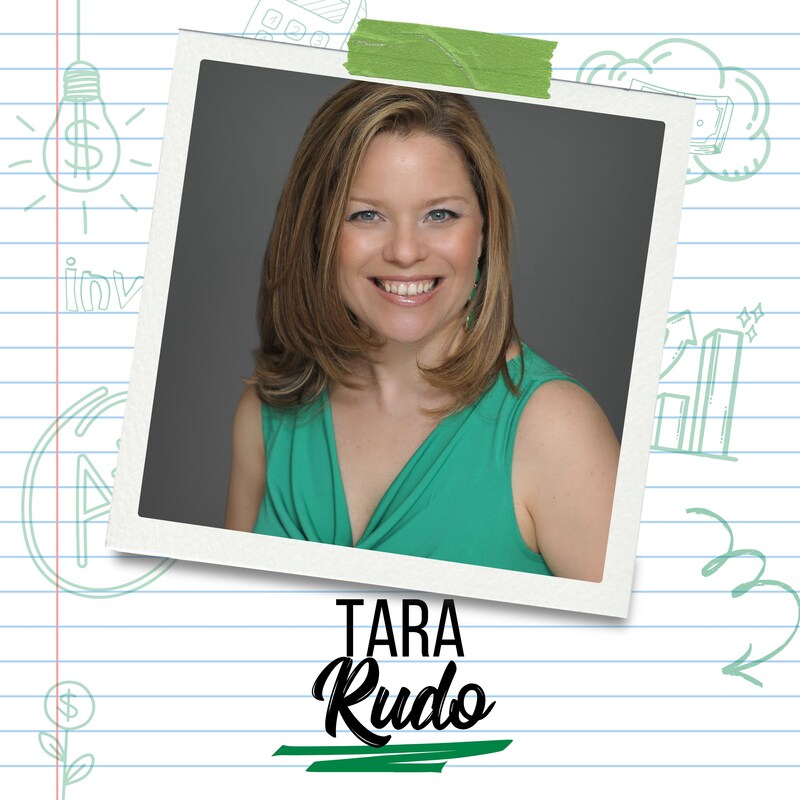
Welcome back to Don’t Retire… Graduate! Today’s episode is all about conquering clutter, downsizing with dignity, and organizing your life for the next big transition—whether that’s retirement, a move, or simply refreshing your space for a more purpose-driven future. Joining me in the studio is Tara Donohue Rudo, founder of No More Piles, an organization that has helped countless families and busy professionals in the Baltimore metro area manage life’s transitions with less stress and more organization.
Tara brings more than 23 years of expertise in move management, downsizing, estate clear outs, and general home organizing. In our candid and wide-ranging conversation, Tara and I dig into the emotional and practical challenges of tackling decades of accumulated “stuff,” often spanning several generations—not just our own collections, but those of our parents, adult children, and relatives who have passed on. We talk about why people keep things for so long, how daunting the downsizing process can feel, and why it’s usually better to tackle it early rather than wait for a crisis.
We also discuss some of the surprising treasures Tara and her team have uncovered hidden in old boxes and back drawers, from forgotten life insurance policies and valuable coin collections to heirlooms and important financial documents. Tara shares tips for making family conversations about decluttering easier, explains her methodical approach to breaking the process down into manageable steps, and emphasizes the importance of community and philanthropy in letting go.
One thing I really appreciated was how Tara approaches downsizing proactively—not just as something you do in retirement, but as a habit worth practicing at every stage of life. She’s full of actionable advice, from digitizing old photos and creating organized shopping lists to setting up systems for periodic purging, getting the whole family involved, and making certain your “secret stuff” is handled with care. There’s also a wealth of resources and professional networks for people seeking help wherever they live.
If you or your family are facing a big transition or you simply want to lighten your load, this episode packs a powerful punch with both wisdom and tangible steps to make the journey smoother.
Key Takeaways:
- Start Early, Start Small: Don’t wait for a crisis to begin decluttering and downsizing. Tackle one room or even one pile at a time, and if you’ve lived in a home for decades, plan for at least a month per decade to manage the process without unnecessary stress.
- Professional Organizers as Allies: Hiring a reputable, experienced organizer (often through the National Association of Productivity and Organizing Professionals) gives you access to trusted resources, emotional support, and systems for uncovering and preserving valuables as well as clearing out everything else effectively.
- Treasures Among the Chaos: It’s common for teams like Tara’s to discover valuable items such as forgotten life insurance policies, coins, stock certificates, or important documents—sometimes totaling tens of thousands of dollars or more. Properly sorting and investigating paperwork can truly pay off.
- Involve the Family and Give Back: Downsizing isn’t just about “stuff”—it’s also a chance to talk about memories, philanthropy, and family storytelling. Regular purges, creating donation bins, and thoughtfully redistributing goods keeps giving at the center of the process.
- The Power of Three Friends: For peace of mind, identify three trusted people: one who knows your finances, one who knows your passwords, and one who knows about any “secret stuff.” This trio can help ensure your legacy and information are handled as you wish in any emergency.
Join us as we explore how to shed physical and emotional baggage, preserve what truly matters, and set the stage for a future full of intention and possibility. If you loved this episode, please subscribe, rate, and share it with anyone ready to take their next step toward living lighter and retiring with purpose!
[embed]https://youtu.be/lGcJjxcur4c[/embed]
Transcripts
Welcome to Don't Retire Graduate, the podcast that asks you what you want to be when you grow up so you can graduate into retirement with purpose and with passion. I'm your host and valedictorian, Eric Brotman. This is the sixth season of our show and every other Thursday we're bringing you interviews with amazing guests and on alternating weeks now hosting the Diary of a Financial Advisor segment where we interview financial advisors about their professional journeys and their passion for helping others succeed. Please take a moment to subscribe so you never miss an episode. Today I'm pleased to be joined in studio by Tara Rudo. Tara launched no more piles in 2002 to help Baltimore's busy professionals and their families conquer all of life's transitions with less stress and time and maximum organization. Tara and her team work with clients all over the extended Baltimore metro area with move management, downsizing, estate clear outs and general home organizing. Tara, welcome to Don't Retire Graduate.
Eric Brotman [:The first time we talked and I heard what you did, the first thing I thought was this is perfect for an intervention for my parents.
Tara Donohue Rudo [:That's what most people.
Eric Brotman [:So that's what today is. Mom and dad, if you're watching this is now an intervention. Tell us a little bit about how you got into this business and how that really does help people when they're looking to retire or graduate.
Tara Donohue Rudo [:So it was a little bit out of the box how I got into this industry. I had been living out of state, moved back to Maryland and moved in with my parents to figure out where my next job was going to be. Whether it was going to be D.C. or Baltimore, Annapolis. I didn't know where I was going to live. So my self imposed rent was to clean up my parents basement. It was an unfinished space that had accumulated lots of yet to be done Girl Scout arts and crafts projects and things that my mom had been a girl scout leader for 20 plus years and had collected all of these items. My dad was a self declared handyman and so he had lots of tools and projects and process.
Tara Donohue Rudo [:There was definitely exercise equipment that doubled as drying racks for clothes of course. And so I started clearing all that out, helped another neighbor, helped another neighbor, did some different things. Um, I actually had worked for a financial planner in a previous life. So I helped one of the neighbors whose husband had passed gather all her stuff for tax season. And needless to say, my neighbor Uncle Mel, who's not really my uncle but was, was practically a family member because I knew him my whole life, said I think you should do this organizing thing. I was like, I don't think this is a job. He goes, well, it should be. You've helped half the neighborhood at this point.
Tara Donohue Rudo [:You can, you can make it a job. So did some market research, hired an attorney, hired accountant, and started my business two weeks later. And I just celebrated 23 years.
Eric Brotman [:23 years. It's amazing. So your company's a year older than ours, so that makes you the wily veteran in this conversation. You're the wise one. We're the scrappy kid on the block business wise. So first of all, I see this as a need for lots of people and not just hoarders. We're not just talking necessarily about the things you see on television, on late night TV or whatever. But there are, there are people who really just lose.
Eric Brotman [:Lose handle of all the stuff they've accumulated. If you've been in a house 30, 40, 50 years, by its very nature you have created stuff.
Tara Donohue Rudo [:Absolutely. And you're probably housing your adult kid stuff or family members who have passed their heirloom stuff. So not only is it your accumulation, it's usually generational accumulation.
Eric Brotman [:Okay. And you know, to downsize is a project. I mean, it's a real project. When first of all, when you, when you have a family member die and you have to go through closets and you have to go through personal things that's intensely emotional and difficult to begin with. And then you throw on top of that, if you have a couple that's, that's maybe getting older and has to move into a continuing care community or assisted living, and now the kids have this massive house with stuff to deal with. Even if it's not massive, they've got a house with stuff to deal with. At a time where there's really a lot of drama and a lot of sometimes angst, that's hard. I mean, it's hard under ideal circumstances to go room by room.
Eric Brotman [:But most of the time I would think you get involved when things aren't ideal, when things are maybe emergent.
Tara Donohue Rudo [:Either emergent or maybe there's been some procrastination on the process. Sometimes a downsize needs to happen. And yet parents can be resistant to that change. Letting go of a family house is always emotional. There is a grieving process that happens with that. And sometimes they're not in a position to want to deal with that kind of change at that point in their life.
Eric Brotman [:So in my household, I'm referred to, maybe self referred to, but referred to as the Great Zamboni.
Tara Donohue Rudo [:Okay.
Eric Brotman [:Because if it hasn't been Used in a year, it finds a new home, it's gone. Like, I just don't do piles, I don't do stuff. So you're speaking, you're speaking to someone who gets it. But when I walk into either of my parents homes, but particularly well, now I'm not going to out anybody. But when I walk into either of my parents homes, there's stuff everywhere. And my thought number one is how do you live with that much stuff? But number two, it's someday, is that going to be my responsibility potentially? And the answer is yeah, probably. And I don't want the gig. I'd rather do it now.
Eric Brotman [:I would rather help room by room when things are ideal, when no one's ill, when no one's passed, when no one's, but I can't get past the oh, we'll get to it conversation. How do you do that?
Tara Donohue Rudo [:So the challenge is in sometimes bringing in somebody like a third party, whether it's me, whether it's an elder care advocate or somebody that can assess whether first of all it's safe for them to stay in their house. And if it's not not, or if it doesn't make sense to stay, then having somebody like me look at them in the face and go, okay, well, you can make the choices with power and control or some kind of crisis is going to happen and I'm going to be making the choices for you.
Eric Brotman [:And that's easier to say as a hired third party, I would assume than as, as the firstborn.
Tara Donohue Rudo [:I'm sure I am the firstborn. So I, I, I am also saddled with that conversation on, on my family side. But I said it, I said it to my parents and they downsized several years ago.
Eric Brotman [:Okay.
Tara Donohue Rudo [:I even brough to help them at various points because I went down the rabbit hole of oh, look, there's a picture of me and my brother and sister with Santa when we were five, you know, and yeah, oh, look at the cell phone. That was a suitcase, you know, that you had to open. So we can go down the rabbit hole too. It's my emotions that got involved in that and I needed to detach as a professional and let my team of professionals handle it. So having that conversation is challenging, but I think that they understand the want and desire for power and control. And if somebody's sick or has an injury or things like that, which are more likely to happen as we age, then they're in a position of, of making those choices, choosing where they go next, choosing what they take with them. As opposed to them being in a rehab facility because they broke a major bone and they have weeks of rehab ahead of them, and they're picking from a couple pictures you showed them.
Eric Brotman [:Right. So. So, you know, we're talking a little bit about sort of the big project, but there's other things here that deal with financial matters, with paperwork, with files, with. I mean, you're kind of a treasure hunter, I would think. I would imagine you found some very interesting, very valuable things in people's homes they didn't know they have. Whether it was the. Whether it was the China set from 1948, or whether it was. Whether it was a stock certificate in a binder somewhere, or whether it was.
Eric Brotman [:What are some things you've uncovered again, without having anybody go, hey, wait, that was me. What are some of the kinds of things that you've uncovered when you've gone through someone's home and you've gone through maybe personal financial records, because that is also a project in itself. People have their bank statements from 43 years ago, and most of the time, they're not particularly helpful.
Tara Donohue Rudo [:No, they. They certainly aren't. We found all kinds of good stuff. My team and I usually have internal contests of who can find the most fun, valuable things on a project because we. Even though, for some reason it feels like it's ours when we find it, because we get so excited about it, even though we give it all to the clients.
Eric Brotman [:Well, I would hope so, yes. I would hope you're not taking a finder's fee in that regard.
Tara Donohue Rudo [:No, we sure don't. But we found one client. The partner at the time had cleared out a lot of the valuables in the house. And the sister was like, I don't think there's many valuables left, but, you know, do an auction, find what you can find? Well, in the back drawer of one of the dresser drawers, we found a bag of coins. So we took them to our local coin person, and they were like, oh, we would like to offer you $13,000 for these coins. Sister had no idea the other sister even had them. So fun things like that. Life insurance policy.
Eric Brotman [:Wait, before you go there, how do you know if 13,000 is a good deal? Could those coins have been worth $80,000? Or. I guess you work with reputable people. Because I wouldn't know where to start. If I came across some coins in my father's bureau, I would not assume, number one, I wouldn't know what to do. I wouldn't know where to go, wouldn't know who to talk to. And I would be absolutely preyed upon by somebody who's like, haha, he has no idea.
Tara Donohue Rudo [:Right.
Eric Brotman [:So what do you, how do you deal with that?
Tara Donohue Rudo [:So that's one of the benefits of, of hiring a team of professionals like us is that we have the resources that we've used and trusted for years to make sure that they're going to take care of our clients. That being said, if you want low level, a Google picture search does amazing things in giving you ballparks of what's going on in the world. There's also another organization called the Keys Guild and they, you can, someone in my profession can get connected with them and they have trusted resources that they've vetted as well.
Eric Brotman [:All right, so let's talk about life insurance. You found life insurance policy. A lot of times people buy them, stick them in a drawer, never look at them again. Which by the way, as a financial advisor makes me crazy because life insurance is not an asset you should buy, buy and hold. It's something you should manage like any other asset. But nonetheless, I digress. So if you have, you find life insurance policies, people generally will assume, oh, those are, those are worthless, we canceled that, we haven't paid for that in years or whatever. And yet, voila.
Tara Donohue Rudo [:Voila. So I ran the numbers last week on what we found in life insurance policies so far, and in 23 years in business, we found $675,000 in life insurance policies that people didn't know existed, or not that they didn't know existed, that the heirs didn't have listed in their and their assets or their financial planner didn't know about, or their significant other didn't know about when they passed.
Eric Brotman [:Interesting. So I assume they're also savings bonds and stock certificates and any kind of paper stuff, you know, that's so rare now. It's so rare that we see something issued on paper anymore. Anymore.
Tara Donohue Rudo [:Right.
Eric Brotman [:But years ago that was extremely common. And unfortunately, if they get lost, a lot of times they're hard to track. So you find a drawer full of stock certificates from XYZ Co. And it's from 1973 and the company doesn't exist anymore. It's been through four reorganizations, a stock split, all these things. And so there's a ton of forensic research involved. I assume you're not doing that. I assume you're getting this to people who, who, who know the, the, the stock rather than people who.
Eric Brotman [:Or, or maybe I'm wrong. Maybe you do the forensic digging.
Tara Donohue Rudo [:So we typically, I mean I call myself a paperwork guru in my circuit.
Eric Brotman [:Paperwork guru?
Tara Donohue Rudo [:Yeah. In my circuitous career route, I've learned a lot of things about a lot of different categories of things, small amounts of them. So I'm not an expert financial planner, but I've worked for a financial planner so I recognize financial documents, different things like that that I always look through and my team knows to like set paperwork aside for me and so we typically go through it and look at things. I will tell you recently I was working with a client who's getting ready for a major move and was trying to get rid of lots of paperwork. And we use ChatGPT to figure out the buy sell stock splits company to figure out if some of the paperwork they held needed to be kept because of a initial buy in or what the situation was.
Eric Brotman [:Interesting.
Tara Donohue Rudo [:So technology is definitely evolving and helping us along the way to do the research.
Eric Brotman [:I would think so. So, so we talked a little bit about the downsizing. We talked a little about the. Because downsizing. Hard. It's hard no matter what. Not only are you attached to that because, oh, I remember having my child in this bedroom or, or you know, that's the swing. We played on it.
Eric Brotman [:I mean we, we had our, our, our swing set taken down in the backyard about a year ago. It felt like a death in the family. My kid's 15, she's not on the swing set anymore. And it was becoming decrepit anyway, so we got rid of it. Lawn looks great. However it feels like something's missing. It is like this. And so that's, and that's not creating piles, but it's, it's a memory.
Eric Brotman [:There's memories everywhere. What do you do to catalog or, or keep those? I mean, when you find six file boxes full of pictures, I assume so long as people are healthy and able, they're going to go through those and pick some favorites. Maybe you organize them, maybe give them to people, maybe put them in albums. But that's a project.
Tara Donohue Rudo [:It is a project.
Eric Brotman [:So you're not doing that. You don't know who these pictures are. You know who these people are? What does that look like?
Tara Donohue Rudo [:No, but we usually tell people to go through because back in the day before we had our iPhones and you could take 46 pictures and then delete 75 of them the next day. You know, we had to take pictures and then you turned them in and you had to wait two weeks and then you got 24 because you got doubles, right?
Eric Brotman [:Oh yeah, you're talking photo mat. I mean, yeah, the drive through used to drop off. We are old humans.
Tara Donohue Rudo [:Half the time you had pictures of the back of people's heads or a candid you thought was going to be great that nobody's smiling in, and you can't even recognize the people. Just get rid of all of those. You'd be surprised. I did this with my parents a couple years ago. We had five, like, Rubbermaid tubs full of photos.
Eric Brotman [:Wow.
Tara Donohue Rudo [:And we got it down to two small bankers boxes.
Eric Brotman [:Okay.
Tara Donohue Rudo [:Because we got rid of all the ones that.
Eric Brotman [:And then you can.
Tara Donohue Rudo [:Good pictures.
Eric Brotman [:If you're feeling good. You can also digitize it, right. Like there are things you can do so that they don't. They don't. They don't fade and they don't get ruined. And, you know, if you're coming across VHS and Betamax tapes or cassettes or.
Tara Donohue Rudo [:I mean, or the old home videos with the camcorders.
Eric Brotman [:Well, yes, my father had 8 millimeter, and we had some of those. And, you know, my daughter was just in the wizard of Oz. She's an actress. She's phenomenal. And I. That was the only time I was ever on stage as an actor. I was in first grade and I was the scarecrow. This was a very big thing.
Eric Brotman [:Unfortunately, when you look at the video, it looks like something out of one of the Marx Brothers movies. At least it's color, but there's no sound. And everybody's sort of waving like this.
Tara Donohue Rudo [:Right.
Eric Brotman [:But, um. And you capture it. But it's. Today you have the ability to capture voices and memories and moments and all those kinds of things. When you go through this, I. I think that's so cool that you have the ability to do that. So. So you're a Baltimore area company? Basically, yes.
Eric Brotman [:Do you have colleagues and. And other organizations? Are you part of an association that works around the country? I mean, we have viewers from every place and clients in almost every state. I assume there are people who do this and you guys have some kind of association or organization so that someone who's in Nevada who say, I need somebody like that can either pick up the phone and call you, or they can go online and find somebody who's part of that association. Am I right?
Tara Donohue Rudo [:100%. So I'm a member of NAEPO, which is the national association of Organizing and Productivity Professionals.
Eric Brotman [:National Association. Association of Organizing and Productivity Product. I can't say it.
Tara Donohue Rudo [:I know.
Eric Brotman [:National association of Productivity Professionals.
Tara Donohue Rudo [:No, but go to navo.net all right, fair. So there's a search engine in there that you can plug in your city in town and find somebody local, or you can certainly reach out to me and I can connect you with somebody. Because been in the industry 23 years. I was just in Chicago at our national conference, and so I have a lot of.
Eric Brotman [:How many folks are at that.
Tara Donohue Rudo [:We had. I think it was about 600.
Eric Brotman [:Wow. Like, this is an industry I think a lot of people don't know exists. And there were hundreds of you gathering in Chicago to talk best practices.
Tara Donohue Rudo [:Hundreds of inner retentive control freaks who just love talking about organizing and how we could, you know, Max.
Eric Brotman [:Oh, there it is.
Tara Donohue Rudo [:There we go.
Eric Brotman [:There it is. So. So, okay. So now I know where I need to spend my. My free time, because I am the great Zamboni. I should definitely get, like, a hat.
Tara Donohue Rudo [:Well, you can just come work with me. That could be your. Your retirement career. Can come work with me.
Eric Brotman [:I could graduate to working with you.
Tara Donohue Rudo [:There you go.
Eric Brotman [:Listen, we have done our firm. We often do multi generational planning, and a lot of times we'll go to somebody's home and they will have just inherited boxes of files, or mom or dad has moved in with them or gone to assisted living, and they're like, would you please go through all of this stuff? And while I'm not going through the closets and getting rid of clothes and doing the things that you're doing, we are looking at the financial documents. And a lot of people don't realize that you do find. You find annuity contracts, you find savings bonds, you find life insurance policies, you find receipts for things that might matter. You also find a lot of junk.
Tara Donohue Rudo [:Yep.
Eric Brotman [:You know, the. The literally bank statements from 50 years ago, when it was a. When you made a deposit and they made a note in your bank book and gave it back to you. I mean, it's. It's unbelievable.
Tara Donohue Rudo [:They kept it because there wasn't the ability like we have now to just go online and download last year's statements if you had to. If the IRS came and audited you and you had to provide that information, you had to go to the bank and pay money for copies of statements. So it got ingrained in people's brains.
Eric Brotman [:First of all, why did you put that out in the ether? Why did you even put that in the universe? An IRS audit? Why would you even put that in the. In the ether in this room?
Tara Donohue Rudo [:I'm married to an accountant, so that's like normal dinner talk for us.
Eric Brotman [:All right. For all of our viewers and listeners, I apologize that she did that. It'll never happen again. All right, so. But you're right. So. So paper was really important. You had to have.
Eric Brotman [:You had to have records. And we used to tell people, keep them for seven years, but it was more than that, because if you bought a stock and you held it for a generation or whatever, you might have needed something from 30 years ago.
Tara Donohue Rudo [:Right.
Eric Brotman [:You know, tax returns. I. I think I still might have my tax returns from the. The mid-90s now. And. And I've digitized them, and I think I might still have the physical returns because I'm terrified of what you just put in the Ethereum. It's like. No, no, I.
Eric Brotman [:I did. I filed the. Easy. I made, you know, $8,000 that year, my senior year.
Tara Donohue Rudo [:It's kind of entertaining now to look back, right?
Eric Brotman [:Well, maybe. Although it's also taking up space, so. So I. I can remember. And, you know, when our office went mostly paperless, we went from having a file room that looked like the Library of Congress to having two drawers for the things that we just hadn't digitized yet. If. Should families be doing this? Should be now. I mean, should.
Eric Brotman [:Should couples our age be doing this kind of stuff now to prepare? Or is this really something that people wait until they're retired or they've graduated to have a project?
Tara Donohue Rudo [:No, I would never recommend waiting to ever purge. We kind of established the rule in our household that most of us have summer birthdays. August, September. So over the summer, we kind of pick a day and we tackle the basement storage. I make the kids go through their rooms this time of year, actually. I make them go through the rooms, create the shopping list for all the clothes that they need for summer.
Eric Brotman [:Okay.
Tara Donohue Rudo [:And we only shop from shopping lists.
Eric Brotman [:We don't.
Tara Donohue Rudo [:We don't just shop. We go on buying trips, not shopping trips.
Eric Brotman [:So you're hunting, not gathering.
Tara Donohue Rudo [:We're hunting, not gathering.
Eric Brotman [:Okay.
Tara Donohue Rudo [:And then the same thing.
Eric Brotman [:How incredibly. How incredibly caveman of you.
Tara Donohue Rudo [:You know, it makes it a lot easier to know what stores you want to go into. If, you know, you need black pants. If you need black pants, you don't need to go to Under Armour, because you could go down the rabbit hole of buying clothes that are pretty or fun, but you don't really need them.
Eric Brotman [:All right, so this is a need then.
Tara Donohue Rudo [:That was my public service announcement.
Eric Brotman [:Okay.
Tara Donohue Rudo [:Shop from a list. Don't just go shopping.
Eric Brotman [:Oh, wow. This. You have more different kinds of advice than I ever would have expected this morning. I appreciate it.
Tara Donohue Rudo [:That's. That's what we do.
Eric Brotman [:All right, so you go through, you go through. And you have the kids do this.
Tara Donohue Rudo [:We. And we do it too.
Eric Brotman [:Okay.
Tara Donohue Rudo [:And then we do the same thing, typically in that, you know, November, December range before the holidays, because there's again, an accumulation that typically comes in around the holidays, presents and things.
Eric Brotman [:How old are your children?
Tara Donohue Rudo [:They are 16 and 18.
Eric Brotman [:Okay. So the, the Christmas time avalanche doesn't happen like it used to.
Tara Donohue Rudo [:Not like it used to. But we started this practice back when they were much younger. And being able to talk to them about, hey, we need to purge before new stuff comes in was a great way to kind of get them in the habit of reviewing their belongings and saying, I still use this. I don't use that. This is broken. You know, I need. I need is a great way to create a shopping list for Christmas, Hanukkah, or whatever you celebrate.
Eric Brotman [:So have you also used this as a chance to talk philanthropy with your kids? The things that are in good shape that you can give away, the toys or the clothes that could be given to charity where somebody else could benefit from them. Have you had those conversations and had sort of the bin of things that are terrific, but we just don't wear them anymore or that are perfectly useful and somebody would love to have this as opposed to just going to the dump 100%.
Tara Donohue Rudo [:So we have. In our, in our industry, the black bags are trash, the white bags are donation. There is always a white bag hanging in our mudroom closet. So if there is something that is ready for, they grew out of it. At this point, there's not a lot of hand me downs going on with 16 and 18 year olds.
Eric Brotman [:No.
Tara Donohue Rudo [:So if they've grown out of it or whatever, it's a sweatshirt for a school that they didn't get into or whatever the case may be, that goes.
Eric Brotman [:Sometimes there are ceremonies around those sweatshirts that you can get into that can. That can cause fires and other things.
Tara Donohue Rudo [:Try to stay away from that. We go straight to the donation bags.
Eric Brotman [:Of course, your kids got into every school they applied to, so we don't have to worry about it.
Tara Donohue Rudo [:No, that's not at all what happened. But. But so far we were good. So far settled on a school, so.
Eric Brotman [:Oh, good. All right, that's good. So this is fun because there are so many different hacks, so many different ways to make this not horrible later. You know, I've seen the hack with, with clothing, where if you turn the hanger around after you've worn something, after a year, any hanger that hasn't Been turned around. Something you haven't worn in a year, Maybe you're not going to wear it, right?
Tara Donohue Rudo [:I actually go the other way. I flip them all before the season and then turn them back.
Eric Brotman [:Isn't that really the same thing?
Tara Donohue Rudo [:It really is. Could I.
Eric Brotman [:Good talk.
Tara Donohue Rudo [:I like it my way better.
Eric Brotman [:Oh, well, listen. Of course you do. We can argue later.
Tara Donohue Rudo [:Okay?
Eric Brotman [:But. But those kinds of things, you know, And. And I. I hate shopping. I do not want to. I want to. I want to be able to say, it's time for socks. Boom, here they are.
Eric Brotman [:And get rid of all the old ones and literally almost start over. And I know that seems absurd. My wife thinks I'm nuts, which maybe I am. But that's one of the ways that I try and make sure that it's a way to get rid of something that I know I'm not going to use anymore.
Tara Donohue Rudo [:Absolutely.
Eric Brotman [:So I want to go back to talking about mom and dad.
Tara Donohue Rudo [:Okay.
Eric Brotman [:Either mine or yours. Whatever you want, but I really need to get this project done.
Tara Donohue Rudo [:Okay?
Eric Brotman [:So if you're listening, I really need to get this project done because I don't want the gig now. Of course, we know we can hire you when the time comes, which is helpful because I will. I don't want to do it by myself either, but how do we get folks who really are not enthusiastic about this? And I'm not picking on my own folks, but anybody who says, I'll get to it, I just don't want to do it. I mean. I mean, I just. You said that it's either, hey, you can do it with control and you can decide what you want to keep, or. Or it's all going to get thrown in areas that maybe you don't want, you know, but if your garage is full of your deceased grandmother's furniture, something's wrong. Like, that just doesn't make sense.
Eric Brotman [:How do you move this needle? Are there. Are there baby steps? Are there things that you're like, let's tackle a room. Can you be hired to not do a whole house and just do a piece of a project? I assume if. That if. If we could get somebody to say, all right, we'll do the basement. Let's just do the basement. You can do that.
Tara Donohue Rudo [:Absolutely. So, you know, a single day project with me and a couple assistants or, you know, a small team, we can just tackle a garage.
Eric Brotman [:Okay.
Tara Donohue Rudo [:So we can do it in small pieces. I. My rule of thumb is if you're planning to move, for every 10 years you've been in Your house plan on at least a month.
Eric Brotman [:Wow.
Tara Donohue Rudo [:So because it takes time to process this and most seniors are not in a energy position to want to do this five days in a row.
Eric Brotman [:Right.
Tara Donohue Rudo [:Because it's emotionally exhausting. It's a ton of decisions being made. So you want to space out sessions working with us. So if you've been in your house 40 years, you want to give yourself six months at least before you have to move out. So that you can say, I thought.
Eric Brotman [:It was one month for every 10 years. You just went a month and a half.
Tara Donohue Rudo [:Because they have to pick a house.
Eric Brotman [:Listen, I do math. I was fuzzy math.
Tara Donohue Rudo [:They're gonna travel somewhere in there, or they gotta go to the grandkids graduation or there's somebody's wedding or, you know, there's always something that gets in the middle. Right.
Eric Brotman [:Talk about resources that, that you, that you use antique places, consignment shops. I mean, you've got the white bag and the black bag, but there's also some nuance. I would assume some of it goes directly to the dumper recycling, but some of it can be sold, some of it can be donated, some of it your kids want. I mean, there's. So how do you, how do you work through that? Is it literally item by item?
Tara Donohue Rudo [:Pretty much item by item. So we can do everything. We have a project management software we use. We can go in and document the entire house, send those pictures in the document, not in, like individual photo files, out to all the families, see what everybody wants. And then we have movers, junk haulers, auction houses, an online platform that we use for in house auctions, all these different things and resources that we can use to help them get rid of anything the family doesn't want. There's also a lot of charity organizations that if we have the time, we can utilize.
Eric Brotman [:Okay.
Tara Donohue Rudo [:If they've already sold the house and we've got settlement in 45 days, we're kind of behind, behind the eight ball there. To not to not be able to utilize all our resources because it does take some time to coordinate all those pieces of the puzzle.
Eric Brotman [:So that's another reason to start early.
Tara Donohue Rudo [:If we can start early, then, then we can line up all those items along the way and make sure that we're disposing of things and trying to give them another life as opposed to landfill demise.
Eric Brotman [:Yeah, I think everybody would prefer that, especially when things are in good shape or they could be useful. And there's a lot of folks who really benefit from that. So I mean, certainly that Feel you feel better about it when, when it's.
Tara Donohue Rudo [:Going to use and that, that what you just said is important that, that they feel better when it's going to somebody that can use it. And, and being able to start this process early again under their control, they can tell you that whatever. This mouse right here was great Grandma Betsy's mouse. And you know, she.
Eric Brotman [:That mouse.
Tara Donohue Rudo [:Yeah. And she brought it over on the Mayflower. And this is a really important mouse and you don't know the history of this. So you know that this mouse was really important. Important. So because you can kind of talk through and they can give you the story behind some of the, the artwork or the furniture or the different things in the house. They can, they can tell the story and then maybe that piece takes on a different meaning for somebody in the family.
Eric Brotman [:So we often suggest to people to have valuables secured in, in different ways and not to use, not to use a box at the, a safe deposit box at the bank because it can be such a nuisance to figure out who has the key and who's allowed to get in. And oh, it's in my will, but the will's in the box and you need. So there's so many issues with, with bank deposit boxes now and so many different ways to do safes or to do digitization or to store things in, in specific ways. Do you help folks with that too? Once you like you, you clean stuff out. But do you also help them figure out where to keep things so they can find them again?
Tara Donohue Rudo [:Well, we can certainly talk through that. We definitely have handyman and different resources if a safe needs to be bolted in somewhere and installed. We also have several clients who, because we help them organize their place or downsize and move. We have all the documentation of what got moved in our software so we can also have that so that a family member has the photos of all the jewelry that we put in the safety deposit box. So there's a documentation that's not just in the box.
Eric Brotman [:Yeah, no, that, that's helpful. So we are almost out of time and I haven't done this in a long time on the show, but I'm going to do it now because I am going to ask you what you want to be when you grow up and not yet. I'm going to make everybody wait for that because years ago in the early editions of our show, I used to ask people for an extra credit assignment because I don't believe in homework. I haven't done that in a long time. But I Feel like this is one where you can give every listener or viewer one marching order. One thing that they can do to make this process, to make organization a little better. What would the. What would the one thing do? And knowing that everybody's different, they're all different ages and different stages and different situations, but one blanket generic action item that people can take to make this either conversation.
Eric Brotman [:Beginner. To make this happen.
Tara Donohue Rudo [:Okay, you need three friends.
Eric Brotman [:Three friends.
Tara Donohue Rudo [:Three friends. Okay, you need a friend, whether it's a family member, a financial planner, a paid professional, whatever. I don't care who it is. You need one friend who can handle the finances. If something happens to you, they know where the money is. They can capture all the bank accounts, whatever. You need one friend who can handle.
Eric Brotman [:All the passwords, okay.
Tara Donohue Rudo [:Who can get you into the bank accounts, into the social media accounts, into anything that needs to happen. And you need one friend who knows where all the stuff is that you don't want anybody else to find.
Eric Brotman [:Ah, the secret stuff.
Tara Donohue Rudo [:The secret stuff.
Eric Brotman [:Interesting. All right, so some of these. First of all, that's a uniquely interesting. You know, I don't know if I have three friends, but I. But. But I'm gonna. I'm gonna need some friends. So the finances, that could be a professional.
Eric Brotman [:It could be a professional, or it could be a family member, or it could be. It could be a friend. As you said, the password thing, there are systems that people can use to store passwords securely, password keepers and protectors and. Absolutely. Now that's not something you do to help people set that up, I assume. I assume.
Tara Donohue Rudo [:No, we can really. You can help, or we can refer them to an IT professional that can help them do that as well.
Eric Brotman [:So you can help build the sort of catalog of passwords and then keep them secure in somebody's system so that when the time comes, maybe the son and daughter have access to them or whatever. Whatever that is. That's a huge deal.
Tara Donohue Rudo [:But that's the pivotal piece. You have to have the emergency contact set up.
Eric Brotman [:That's where the friend comes in.
Tara Donohue Rudo [:If they don't have the master password.
Eric Brotman [:Understood.
Tara Donohue Rudo [:They can't get in.
Eric Brotman [:Understood.
Tara Donohue Rudo [:So you need that friend.
Eric Brotman [:And then when you say secret stuff. I don't have any secret stuff.
Tara Donohue Rudo [:Maybe you don't.
Eric Brotman [:That's my story, and I'm sticking to it. What secret stuff are we talking about?
Tara Donohue Rudo [:You know, there's people like to get. Keep letters from ex boyfriends, girlfriends that are up in the closet that maybe you don't want the kids to find. Or the current spouse to find.
Eric Brotman [:No.
Tara Donohue Rudo [:Sometimes people have varied interests in their intimate lives that maybe you don't want your kids to have to clean out.
Eric Brotman [:Wow. All right. Well, we just lost our peachy rating. I know. You did a great. You did great. I need to ask you, Tara, what do you want to be when you.
Tara Donohue Rudo [:Grow a world traveler?
Eric Brotman [:Oh, and what's on the. What's on the short list? What's next?
Tara Donohue Rudo [:Oh, my gosh. The. I feel like the more places I travel to, the longer the list gets instead of shorter.
Eric Brotman [:That's great. I mean, you got. You got ideally lots of years in front of you to do this, like, start immediately and already do it. Right. So what's next? What's the next trip?
Tara Donohue Rudo [:Well, the. The trip coming up this summer is Hawaii, but I lived in Hawaii for a short period of time, so this is more of exploring the islands I didn't get to explore, so.
Eric Brotman [:Oh, God, I'm weeping for you. I'm weeping. What a hard thing. Would you leave Rock Fever?
Tara Donohue Rudo [:That's a long story.
Eric Brotman [:All right.
Tara Donohue Rudo [:I don't have enough time on this show, and then Greece. Greece is a major bucket list that I want to do.
Eric Brotman [:Very cool. This was helpful. I. You know, hopefully. Hopefully, folks got some. Some. Some push. Some.
Eric Brotman [:Some ideas, some. Some suggestions. How can folks get in touch with you if. If. If they'd like to learn more specifically about what you do?
Tara Donohue Rudo [:That'd be great. So our website is nomorepiles.com very straightforward. We help you get rid of your piles.
Eric Brotman [:No more piles is better than the name of that association. I've already forgotten.
Tara Donohue Rudo [:They made it a little bit wordy, so for organizers, it wasn't very concise.
Eric Brotman [:Yeah. No, seriously, I think that needs some. You should really take that on in your free time.
Tara Donohue Rudo [:In my free time. Exactly.
Eric Brotman [:Tara, thanks for being here. This was super fun. I'm glad you were here in person. I think this was. This was. It was enjoyable, but it also has me enthusiastic about trying to get this ball rolling myself, so we'll see.
Tara Donohue Rudo [:Good luck. Sorry, mom and dad.
Eric Brotman [:Yeah.
Tara Donohue Rudo [:You may get to meet me in person too.
Eric Brotman [:Oh, yeah. Yeah. Okay. All right, well, that's. We'll have that conversation another time. I'd like to thank everybody for listening and watching today. I hope you, frankly, had as much fun as I did. If you enjoy our show, please be sure to share it with friends and family so they can join you on your journey to financial freedom.
Eric Brotman [:And please take a moment to leave a review or rating on your favorite podcast platform. Those are truly prices to us. We'll be back next week with another entry in our diary of a financial advisor and in two weeks with another engaging guest. For now, this is your host, Eric Brotman, reminding you, don't retire. Graduate securities offered through Kestra Investment Services, llc. Kestra is member finra, sipc Investment advisory Services offered through Kestra Advisory Services, llc. Kestra as an affiliate of Kestra is. Kestra is or Kestra as are not affiliated with Brotman Financial or any other entity discussed.

