Shownotes
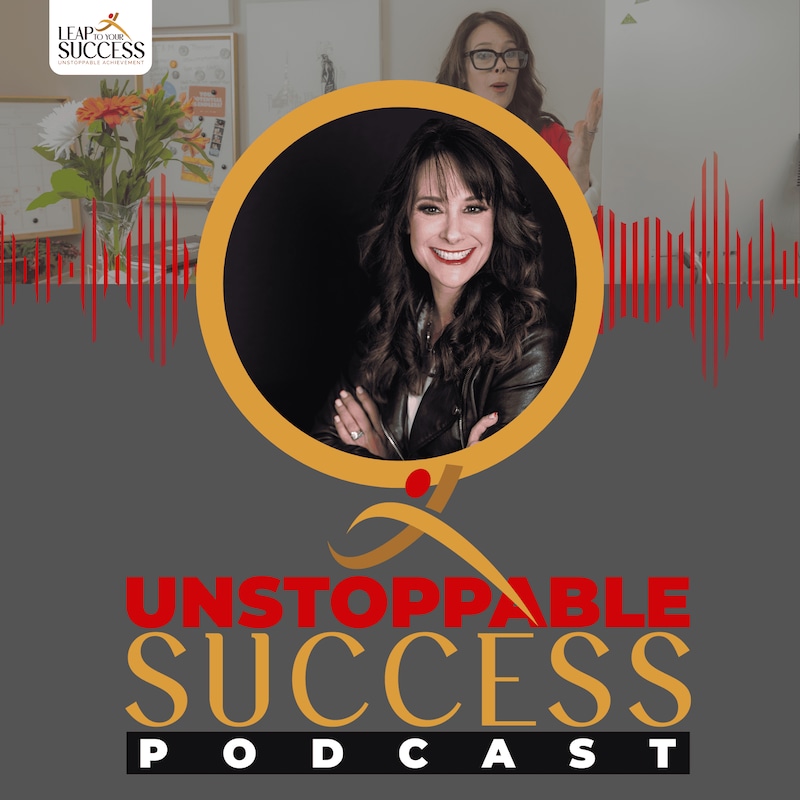
Today, we dive into the world of leadership and talent with Sue Bortone, founder of Noble Talent Group. Sue’s unique approach focuses on partnership over mere placement, helping brands and agencies find the right creative and marketing talent they need to scale. She emphasizes the importance of supporting smaller and mid-sized companies, which often lack the resources to attract top-tier talent. We discuss the shifting landscape of employment post-COVID, where layoffs can lead to unexpected opportunities and the rise of fractional roles. Join us as we explore how building relationships and networking can truly transform your career and business. Sue, the founder of Noble Talent Group, shares her journey and insights into the evolving landscape of talent acquisition. With a strong background in corporate settings like Ogilvy, she transitioned into recruiting and identified a gap in the market for small to mid-sized companies that need personalized talent solutions. Sue's approach emphasizes partnership over mere placement, making it essential to understand both the client and the talent deeply. She discusses the importance of building relationships and how her company focuses on connecting brands with top-tier talent at a more affordable rate. The conversation delves into the changing dynamics of the job market post-COVID, highlighting the rise of fractional talent and the entrepreneurial spirit among those laid off during the pandemic. Sue's insights reveal how businesses can thrive by strategically utilizing talent in a way that aligns with their values and goals, ultimately fostering a more sustainable growth model. The episode wraps up with practical advice on networking, the value of mentorship, and the importance of being open to conversations that can lead to unexpected opportunities.
Takeaways:
- In today's episode, we discussed how small to mid-sized companies can attract top talent without breaking the bank, emphasizing affordability and transparency.
- Sue shared her journey from working in large corporations to founding Noble Talent Group, focusing on helping brands scale with the right talent.
- We highlighted the importance of building relationships and networking, especially in a post-Covid world where layoffs have redefined career paths.
- Sue explained how fractional talent solutions can help businesses fill gaps without the commitment of full-time hires, allowing for growth and flexibility.
- The conversation covered the significance of understanding one's strengths and superpowers in the job market, which can lead to better career satisfaction.
- Ultimately, we stressed that every conversation is an opportunity, and being open to possibilities can lead to unexpected and fulfilling career paths.
Links referenced in this episode:
Transcripts
Hello, everybody, and welcome to another episode of Unstoppable Success. I am your host, Jaclyn Strominger, and today I get to be joined by Sue. I should ask Bortone, right?
Sue Bortone:Yes.
Jaclyn Strominger:Okay. She is the founder of Noble Talent Group, who's built something actually quite remarkable.
You know, it's almost like the intersection of leadership and talent and, and strategy.
Sue helps brands and agencies scale faster by connecting them with top tier creative, digital media and marketing talent, whether it's fractional freelance or full time. She's a Harvard Business School certified leader in management and change management. She co chairs, she runs IT mentor committee.
What I love about Sue's approach is that it's rooted in partnership, not just placement, which is really important. And that's exactly the kind of leadership we celebrate. So onto the show. So, sue, welcome.
Sue Bortone:Thank you. Thank you for having me. And that was an amazing introduction. I feel like I need you to do that for all my meetings too. I am happy to.
Jaclyn Strominger:I'll send it to you so you can have it.
Sue Bortone:Right, thanks.
Jaclyn Strominger:You can get the verbum.
So we were talking a little bit, you know, obviously a little bit beforehand you've built Noble Talent Group and, you know, I'd love to hear, you know, meeting businesses where they are and helping them build for tomorrow, but one of the key things is, you know, large versus small companies.
And I'd love for you to share a little bit about that difference and, you know, and then also share some leadership lessons that, you know, help shape the philosophy that you've, you know, of why you started, you know, Noble Talent Group.
Sue Bortone:Yeah. Thank you. So for me, you know, my background, I come from, I started my career in big corporations, right.
I worked at Ogilvy, which is a huge agency in New York.
And then I went to recruiting side of things and spent a dozen plus years in recruiting side, starting in a recruitment firm where I was literally the second person in their New York office and helped them grow to 45 offices and, you know, 40 plus people in New York, and having seen that transition and then gone to another big recruiting firm and kind of realized at the end of the day, you know, that all of the large recruiting firms, while they have great reputations and names in the industry, they're built very similarly, right? They're built to service the enterprise level clients. So the big advertising holding agencies, the big TV networks, the corporations.
And at the end of the day, when those companies are posting jobs on LinkedIn, they're attracting a ton of talent, right?
You see those jobs where it's like this has been live for, you know, 24 hours and there's a thousand people that have applied, you know, and they also have the budgets to be able to afford the big recruitment firms.
But I realized, and it was kind of in that, that time post Covid, right where people were laying people off and kind of starting to bring people back on and being more cautious of every dollar that they were spending and every hire that they were making, that there was nobody out there that was really servicing those smaller and mid sized agencies and brands and helping them grow and scale. And in that time there were also so many people that had left big corporations and become founders and become entrepreneurs.
And sometimes they have been, you know, serial entrepreneurs and sometimes it's like they become entrepreneurs by accident and they only know so much of the business and being able to help them and support them in building the right teams was so crucial.
So, you know, I built Noble really to be more affordable and transparent at the end of the day and be able to offer them the connections to the talent and be able to tell their story. But not charging a hundred percent markup on freelance talent.
We charge 25% instead of 30% for full time fees, we charge 15% and we do dollar for dollar credit on conversions from freelance to full time. So it makes it so much more affordable for them to be able to attract the level of talent that they need and really grow and scale their teams.
So that's kind of, you know, where, where we spend a lot of our time while we work with some of the big companies, we really focus on those small to mid sized agencies and brands and independent companies where each hire makes such a difference.
Jaclyn Strominger:Right.
So you know, I'm hearing you speak and the things that are coming in is that you're really consulting with these smaller, like the smaller to mid sized companies to really help them bring on the, you know, the talent that aligns with their values.
And you're also, then it's almost like you're the double consultant, like you're consulting on the company side and then you're consulting with the talent to help them find the right place for them.
It's not, you're not helping them just throw, you know, a whole bowl of spaghetti, so to speak, against the wall to see what's going to stick, you know, in terms of, you know, applying for a position. You're really helping, you know, your matchmaking.
Sue Bortone:Yep, 100%. We are professional matchmakers. You know, that's, that's really what it comes down to at the end of the Day, you know, when we're.
Especially because we're the underdog, right? We are the small agency, you know, going against these huge, you know, recruitment firms.
It really has to be personalized, you know, and I think that's one of the things that's really important when you're that small agency, a brand, like, it has to be personal. It has to be about the relationships. That has to be about knowing your clients and knowing your talent and not just a volume game.
So, you know, the recruiting team on my side, we work on, you know, a dozen jobs instead of 40 jobs so that they can really understand the clients, the nuances and what they're looking for. And when we're talking to talent, we're, you know, really trying to understand where they're trying to go.
Not just, okay, hey, we're calling you for this job, but what are your goals? Where are you trying to go? What are you looking for?
Because we're also marketing talent on their behalf, you know, and we're talking to people and saying, like, oh, hey, you know, these are the companies you should be speaking with. Let's get you an front of them and on the client side, understanding their needs and where they're looking to go.
And sometimes it's not about the role that we're, you know, being brought in to hire for, but it's like, hey, we just spoke to this person yesterday. You need to meet them. You know, I think for me, that's always been my personality.
I love to connect people, you know, and I'm that person that's like, oh, you need to talk to this person. You guys should meet. Let's all, you know, go out to dinner.
Jaclyn Strominger:That's why we get along. Exactly, exactly.
Sue Bortone:We're going to be best friends. We, like, we're just going to connect everybody. It's.
But like, that's what I've done, you know, Like, I had a group of friends when I was, you know, in my 20s, living in the city, and I was that person that's like, oh, you have to come out to dinner with us.
Or, you know, and like, now that group of friends, you know, there's like eight of us that, like, are all still close, but it's just, you know, now applying that to professional side.
It's like being able to see those personality trends and those soft skills and, you know, where people are going to be able to not just help them with, like, okay, great, like, this is the job that's in front of me, but, like, we're going to help you Fulfill your vision.
Whether that's full time headcount or whether that's fractional, where, you know, it's being able to help them fill in those gaps because they might not have the budget or the need for somebody full time, but there's the operations need, there's, you know, the finance need, there's the business development need. So helping them kind of piece together that puzzle.
Jaclyn Strominger:Yeah, so I, I love that, that how you're almost like you're bridging the gap.
And I'm thinking, you know, part of when you're, when you're talking, I'm like, oh, this is like the, the person, you know, who's looking for a position's like, best place to go, you know, if you, if you don't like where you are or maybe you have been given, you know, a layoff, which, by the way, I always feel like layoffs are, you know, look at them as something good, not something bad, you know.
So, you know, thinking that way, you know, how is the, like, how is that landscape really changing for like on both sides in the sense of like, you know, because everybody's talking about, you know, the AI, the AI generated resumes, the AI, name it. I feel like I could just throw up about all the AI stuff.
Sue Bortone:Right.
Jaclyn Strominger:But how does that, how do they both work together?
And like, how is that person who's, who has had success, you know, go from, you know, maybe they did get laid off, get to that next thing without the spaghetti throwing, you know?
Sue Bortone:Yeah.
I mean, I think at this point, you know, it's interesting because I think pre Covid, there's, you know, it's kind of like pre Covid and post Covid talent market. Right. And post covet talent market. Layoffs are a very different word. Right. They're, they're the norm.
I was part of layoffs and to your point, like, it's a blessing in disguise because it gave me the chance to take the time to take courses that I hadn't taken before and to relook at my path and what I was doing because it's very hard. I've always had that entrepreneurial spirit and known that I wanted to own my own business.
But it's hard to do when, you know, you have the golden handcuffs, as we say, you know, you're making the salary, you're, you know, in the day to day, you're running the team, and why am I going to leave all of that? So sometimes it's like the blessing in disguise of like, you're getting pushed out of the nest for a reason, take the opportunity.
So you know, I think in terms of kind of looking at talent, we do see a lot of people that are on that fractional side, especially at the leadership level, because especially with return to office you have a lot of people who have gotten used to a certain lifestyle, you know, and I mean that even in the sense of like just having the flexibility to pick up your kids, you know, like for me, like I love being able to pick up my kids from school or be at a show that they're doing, you know, and not have to feel guilty about it where you do if you, you know, you're like, okay, I have to leave the office or I can't be in today. So I think a lot of people have gone to that fractional side of things.
As I mentioned too, a lot of people have become entrepreneurs and you know, all of a sudden realize like, hey, I'm successful about at this and I can build a team around myself. So we, we see more and more of that and I think when people have been laid off, there's an opportunity to self reflect and grow, right?
And looking at, even from the AI standpoint like you mentioned, that's a component of a lot of jobs that we're seeing. Even if, you know, and it's, you either fear it or you realize how to adapt to it and use it to your benefit.
So taking some of those classes and workshops so that you know enough within the AI space to be dangerous and know how to use it in your day to day to create efficiencies, you know, finding opportunities like that, finding opportunities to do some fractional consulting work while you're looking because it's bringing in revenue, it's building your skills and building your resume and it's filling in some of those gaps.
And it can be a really great way to get in the door where somebody might not be ready to hire the full time person yet, but if you come in, they're going to be a lot more likely to hire you without that long term, you know, commitment and the benefits. But they could realize that you're a crucial part to their business. And we see it so often where those things turn into full time.
So that's another really great way to, to just kind of keep that, that momentum going, you know, and not get stuck in that rut of like, I'm not working, I have a gap. I'm waiting for the perfect full time job to come in and really keep yourself in the market and well rounded, right.
Jaclyn Strominger:And I Actually, I really like that because as we were talking also before is, you know, being able to be on that fractional side and maybe even get into a company that is found a founding company where they don't also want to have the payroll expenses and all those things where you can come in and truly share and shine with your expertise. And.
And I think that's something that I wanted to actually, you know, you shared and I think this is something that is important for people to understand. You know, you were, you started in your career and you were like one of a thousand at Ogilvy.
And then you go to this, you know, you're the second person. So how does somebody shine and go from, you know, that circumstance, like, how do they, how do they shine in the sea? And then how do they.
You know, obviously we know how they can shine obviously by one or two, but almost like you don't want them to be like a know it all. Right. You know what I mean? Like there's like a balance, right?
Sue Bortone:Yeah, yeah. I think it can be hard to get visibility, you know, when you're in big companies and to make a difference.
And I think that's why we see a lot of people leaving the huge corporations, leaving the folding companies and going to the smaller places where they can make an impact where, you know, and that's why we love working with them because each hire is so crucial. Right. And it could change the whole landscape of your business and where it's going.
But you know, if you're in that big corporation, it comes down to relationships.
So much of our careers are relationship driven, you know, and even for me, I think about, I first started out, I got in the door in like what used to be the traffic department, right. It's like project management.
Jaclyn Strominger:Oh, I know that word so well.
Sue Bortone:And it's, I mean, it's such a great place to learn how an agency operates and how a business operates and like learn all the different things pieces and, and build the relationships.
Because back when, you know, not to like date myself, but like we literally had a folder, you know, it was like a red job jacket that we would walk around to all the different departments with. You know, it was like a digital submit. But for me, I had wanted to become a creative. And so I was taking classes at SVA and Pratt.
And while I walked around with that job jacket to get sign off on the campaigns we were working on, I also brought my portfolio with me.
And when I stopped into the creative team, I would ask them to give me feedback over time I built that relationship with them where they were interested.
You know, there were a couple of people that, like, took me under their wing and would mentor me and give me advice, and, like, when I came around, they'd be like, oh, what are you working on this week? Let's look at it. And then eventually, when an opportunity opened up in the creative team, I was able to move into the creative team.
So, you know, I think it's.
It's finding opportunities for those connections and conversations and showing interest, even if it's not in your immediate department that you're in.
You know, I talk to a lot of people that might love the company that they're in when they're in a huge corporation, but they feel lost or they don't know what they want to do, or, you know, they feel like they might have to leave to. To shift gears kind of laterally and move to a different team. But really, it's just showing an interest and asking and finding your champion.
So much of that, whether it's, you know, you've been laid off or you're looking for a new job, or whether it's internally, is finding your champions and people that will go out there and.
And really help you and help you get ahead on your behalf, you know, and that could even be just showing up and raising your hand for projects that might not be something you're responsible for, you know, or building a mentor opportunity cross functionally within teams, which will give you visibility into leaders in other departments. You know, so there's. It's the little things and those moments of connection that can really make the biggest difference in your career long term. Yep.
Jaclyn Strominger:I just could, like, like, yay. I love what you just said because, you know, I'm a huge thing of. You know, as we just shared, we're both like, big people, connectors.
But it's also about networking and that internal networking within a company is so important. And to always think that you always have to be networking. Not. It's.
It's making those relationships and meeting people and connecting, because you never know. You know, you could pick up the phone and I could say, oh, sue, do you know somebody?
Or, you know, I think about, you know, like, right now, it's like my thing about my kids, right. Because I've got college, one in college, one about to head off, and, you know, I'm thinking about where they want to go. And so I. I don't.
I don't mind picking up the phone and saying, hey, do you know, like, that question, do you know? But in order from, in order to create the, the ability to pick up the phone and say, do, you know, you have to build that relationship?
And I love what you did with your portfolio. And I feel like, you know, one of the key list, key things. And listeners, please, please, please take this. Always be networking.
Whether you are working for a company or you're out on your own as an entrepreneur, you have to look, look for those opportunities. Ask people to connect.
If there's somebody that's doing a job that's similar to yours and you want to be where they are, talk to them, pick up the phone or.
Sue Bortone:Yep.
Jaclyn Strominger:Right. Send them a message and say, hey, I'd love to connect. I want to see how you got where you are. I'm, I'm, I'm aspiring.
I would love to, you know, collab, like just hear, Hear your story.
Sue Bortone:Yeah. 100, you know, and I think people love to talk about themselves, right?
People love to, you know, I think people don't realize that people actually want to help other people, you know, and I can't tell you how many people over the years I would reach out to that are at an executive level that were more likely to get back to me than people that were at a junior level. And it's because of their communication, right. And they're wanting to get back and nurture junior talent and have those relationships.
And I think people are afraid to ask, right?
So you can't be afraid to reach out to somebody, you know, especially if you're giving them a compliment of like, I love the field that you're in or I love what you've been doing. I want to know more. Right. You know, and like, can I pick your brain on what you're doing or, you know, talk to me about this field?
And sometimes that's people within your own company, right? Of like, hey, you're in this category or this, you know, team, and I'm really interested in getting into the space.
Can you tell me more about what it's actually like?
But, you know, it's just not being afraid and taking that filter out, you know, whether it's on LinkedIn or just company wide or, you know, just to reach out and say like, hey, can we connect? Can I have five minutes?
Jaclyn Strominger:Right. It's so important. So that kind of brings us to what you do, you know, with, I believe, sort of the, she runs it, you know, that mentor committee.
And I'd love to talk how you share a little bit about, about that because, you know, that is as we're talking about it's investing in relationships. It's not the trends. It's not about the transactions. I feel like I. I feel like I say this so much these days.
Don't think about each relationship as a transaction. Think about it as how it can be transformational. So how has that also shaped the way, you know, you've grown in your business?
Sue Bortone:Yeah, I mean, I think for me, as just a female founder, you know, and a woman who's been in business, you know, in this space for so long, and, you know, I think it's so important to support other women, you know, whether they are early in their career or whether they're moving into leadership or whether they're entrepreneurs.
I think one of the things that I love about when we create the teams in the mentorship side of things, where she runs it, is that while we take people that are in similar fields, whether that's like, in media or in strategy, we don't bring together people that work at the same companies on purpose so that it's a safe space and also so that you're building relationships with people in other companies, because, again, you never know where those could lead to, whether it's a mentor or. We do a lot of, like, small group mentors now because there's so much opportunity to learn from other people, even if they're at a peer level.
But you never know where those relationships can go to again, you know, and how they can help you in the future.
And I think it's so important also for people to understand, like, within, especially when you're early in your career, sometimes you only know what you know.
Jaclyn Strominger:Right.
Sue Bortone:And being able to see, like, how other corporations operate, how other people's teams operate, what other people's roles are like day to day.
Like, there's even so much value in that because people often have that idea of the grass is greener, whether it's like moving into another role or another company. But sometimes it's having that understanding of how things actually work and having that. That exposure to people that you wouldn't normally get.
Um, so I think that's something that's been a huge thing for me because I really love, and I've seen over the years just even how open other women in business have been. You know, when you're asking for advice of, like, how do you run finances or how do you do this?
You know, like, who are you using for, you know, these things? You know, and there's just. There's so much space out there for all of us. Right.
You know, and I think you can't be protective of what you're doing to a certain extent because there's so much opportunity to be able to share with others and help them grow and learn and scale alongside of you.
Jaclyn Strominger:Right. Well, it's also, you know, sharing what you're doing is not. It's. It's not. People aren't going to use it against you.
They'll use it as a way to actually support you and help you. I always think of that Dale Carnegie role. Right. Dale Carnegie always says, you know, hire people who are smarter than you so they can take your job.
Right. And why do you want them to take your job? So that you can move up.
Sue Bortone:Yes. 100. That's a huge part of both founders and leaders. What we talk about. We see it so often, especially in the small companies.
You become your own bottleneck as a founder.
You get to this point, and that's where, you know, that fractional talent, like, that's where you bring those people in, because you get to this point where you can't do everything and do it well, you know, and you have to know your strengths and your passions and the other things are what you hire for, you know, And I think it's something that we see people, whether it's founders and entrepreneurs or whether it's leaders in companies, those that are most successful are the ones that can identify the gaps and help scale by giving those things away to somebody. Right. So that they continue to move on and grow, you know, And I think of it where I've hired my own teams in the past.
I always look for people that I can see being future leaders. You always want to hire people that are going to shine and excel and seeing people for their strengths. So that's something for me.
I always try to hire against a bench because you want to know that your ship is going somewhere. Right. And that these people are going to be part of it and be able to be part of that journey and take you forward.
Jaclyn Strominger:Yeah. So I could talk to you for hours.
But what would be the one piece of advice that you would want to give to somebody right now who is either struggling to attract the right talent or where they're having the hardest time finding the right place to be?
Sue Bortone:I think in terms of, you know, finding the right place to be, it comes down to being open to conversations. You know, there's so many times that I talk to people over the years and they're like, I don't know. I don't know if I want to take this call.
It doesn't, you know, and it's just have the conversations because you never know what a company actually is until you speak to them. And there's so many times even that somebody goes in for one job and ends up getting something totally different.
So I think it's kind of being open to hearing things, you know, not closing yourself off and taking the time to assess what you love to do and what you're good at. Right. Like, what is your superpower and what comes naturally to you and just kind of understanding that and.
And bringing that into what you do every day. You know, like, my superpower is connecting people. Like, you know, like we were saying earlier, like, I just naturally do that.
And so for me, the recruitment space is just a natural transition and something that. That comes so easily, but it's understanding those things and what drives you and what makes you happy.
And, like, I love when I connect people and they're like, oh, yes, like, you know, whether it's friends or, you know, like, professionally. So, you know, just making that. That distinction for yourself. I think with talent, you know, it.
It comes out to, you know, if you're a small agency or brand, having those partners that can be your voice and then have the expertise in the network to be able to go out and tell your story and bring you the people that you need and scaling smartly. You know, I'm a huge proponent of the fractional side of things because it also lets you define what you need.
Because sometimes when you're starting out, what you think you need and what you actually need are two different things. So, you know, building that smartly in that.
That space and really making sure that you have the right infrastructure before you just start adding that headcount.
Jaclyn Strominger:Yeah. No, and I think something that you just said, I think is really important. I love this. These tips is if you're.
If you're the CEO, founder, or you're, you know, building that team, partnering with somebody else that can be your eyes and ears for that talent actually helps you take any emotion out of the hire, which I think sometimes can cloud people's judgment on bringing somebody in.
When you've got somebody who knows, like yourself, who is that matchmaker, you can see, like, I might think, you know, Joe is great for the company, but really, I just. I'm so. I so want the body that I'm gonna. I'm gonna just manipulate my thoughts into thinking they're right versus realizing if Joe really is right.
So.
Sue Bortone:Yeah, and it's, you know, it's tough even just from A bandwidth standpoint, you know, if you're an entrepreneur, you know, and you have all these things on your, your plate, or even if you're a CMO or a CEO, you know, and one sliver of it is recruiting. But all of a sudden now you posted a job and you have a thousand people to go through.
You know, we see it all the time, especially if we post like a sales job or you know, something like that. You get people that apply that have nothing to do with that field.
You know, I had a dance party coordinator, I had like the manager of a White Castle. Like everyone will apply to a sales job.
So, you know, it's taking the time to go through all of those resumes and actually get to the people that you're trying to reach and that, that are qualified, you know, where. What's the ROI on your time for that? Right?
And how many hours are you going to send spend sifting through those versus somebody who's trained and knows how to like go through those, cut through the noise and get to exactly what you need. And I think that's with every partner, right?
Whether that's finance, whether it's operations, like just bringing in the right partners where you need them so that you can focus your time on where it should be spent. Because your time is valuable as a leader. You know, whether you're an entrepreneur or you're leading a team because your team needs you.
Jaclyn Strominger:Right.
Sue Bortone:And there's so much that, that you're getting your time split into that you really have to focus on, on where your efforts are best spent.
Jaclyn Strominger:Yeah.
Sue Bortone:Oh, I.
Jaclyn Strominger:Absolutely. I love that. I love that. So sue, this has been such an amazing conversation. So many amazing takeaways about leadership and talent and relationships.
I mean, obviously I'm a huge. Relationships always fuel growth. So thank you so much for being here.
So to everybody listening, if today's conversation has fired you up and you're ready to take your leadership to the next level, I want to invite you to actually we have a brand new community that we've just started. It's on school. It's unstoppable success where unstoppable leaders grow, connect and sharpen their edge together.
It's where conversations are continues and transformation begins. So head over there to school. I'll put that in the show notes. And then please do me the biggest favor of all and make sure that you connect with Sue.
Your best places to connect, LinkedIn, Sue.
Sue Bortone:Or your website, LinkedIn or our site is NobleTalent Group.
Jaclyn Strominger:Awesome. So make sure you connect with sue at Noble Talent. I'll put all of those in the show notes.
And then lastly, if for some reason you would just love to actually meet me in person, I'm going to be at Tampa at a Ignite convention. It's actually put on by a great gentleman. It's called the New York City Experience in Tampa. Ignite your business.
It's February 27th through the through March 1st. So get to Tampa. I will be there. And at the end of the day, you know, that's what people do.
If we want to be unstoppable, we go out and we meet people. So until the next time, stay unstoppable. Thank you, sue, for being an amazing guest and listeners. Thank you so much for being here. Thanks.
Sue Bortone:Thank you.


