Shownotes
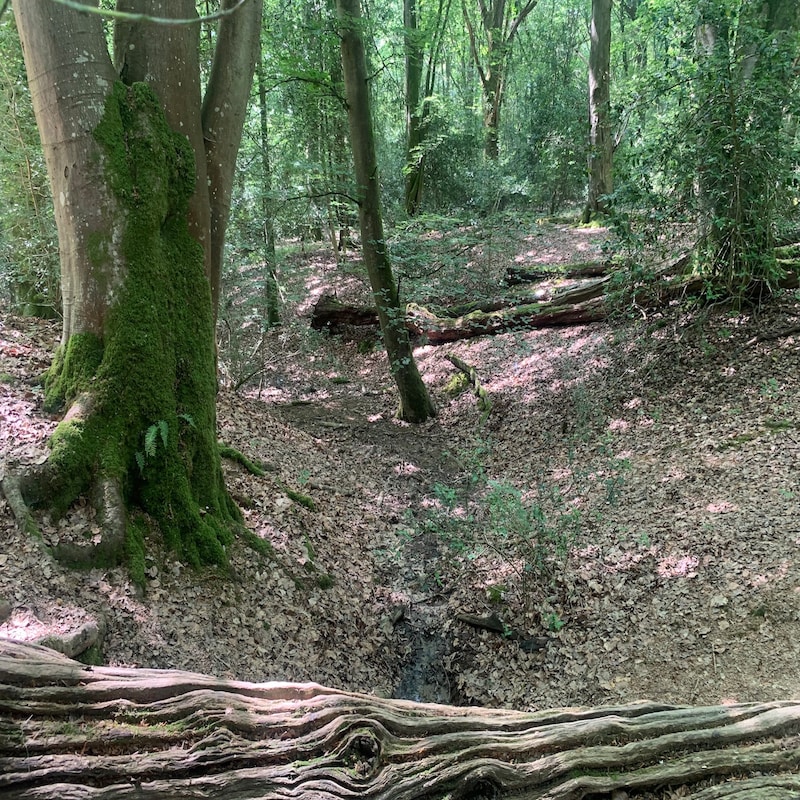
Host Nigel Palmer takes listeners on an emotional journey through the Men's Nature Reserve in West Sussex, an ancient woodland that has been preserved for over a millennium. As the episode unfolds, listeners are encouraged to reflect on nature and the importance of wildlife welfare, highlighted by discussions on the detrimental effects of using live reindeer at festive events. The podcast also provides practical tips on how to care for garden birds during the winter months, ensuring their survival amid harsh conditions. With a blend of serious topics and nature exploration, this episode emphasises the crucial relationship between humans and wildlife while advocating for animal welfare.
Nigel Palmer guides listeners through a compelling exploration of wildlife and nature in Southern Britain, specifically focusing on the historic Men’s Nature Reserve in West Sussex. This episode is packed with fascinating insights, beginning with a discussion of a landmark case involving two women who were jailed for their involvement in a global monkey torture ring. The shocking details of this case highlight the disturbing realities of animal cruelty and the legal strides being made in the UK to combat such heinous acts. Detective Chief Inspector Ben Arrowsmith characterizes the suffering inflicted upon these animals as both sadistic and sickening, which sets a serious tone for the episode as it transitions into lighter topics later on.
Following the nature news, the episode emphasises a growing movement to eliminate the use of live reindeer in Christmas events, focusing on the welfare issues that arise from such practices. With a report backing the claim, Palmer discusses how many events have successfully transitioned to reindeer-free celebrations, highlighting a positive shift towards more humane treatment of animals. As the podcast progresses, listeners are introduced to practical advice on how to care for garden birds during the winter months. Palmer provides helpful tips on the types of seeds and feeders that can attract various species, ensuring that listeners are well-prepared to support their local avian populations amid harsh weather.
The latter part of the episode transitions into a vivid auditory journey through the Men’s Nature Reserve, where Palmer invites listeners to immerse themselves in the sights and sounds of this ancient woodland. He shares anecdotes about the diverse flora and fauna, and the unique historical context of the area, fostering a deep appreciation for the natural world. This blend of informative storytelling and personal reflection not only educates but also inspires a sense of stewardship for wildlife and the environment.
Takeaways:
- This week's episode features a shocking case of animal cruelty involving a monkey torture ring.
- Listeners are encouraged to stop using live reindeer at Christmas events for animal welfare.
- The Men's Nature Reserve has a rich history dating back over 1,000 years.
- Properly cleaning bird feeders is essential to prevent avian diseases and promote bird health.
- The podcast discusses how to create a bird-friendly haven in your garden during winter.
- A special mindful moment reflects on the soothing sounds of rain in nature.
Links referenced in this episode:
www.wildlife-matters.org
Transcripts
Hello and welcome to this week's Wildlife Matters.
Nigel Palmer:Welcome back to the podcast.
Nigel Palmer:I'm your host Nigel Palmer and in this feature packed episode we embark on an exciting adventure through one of the wildest areas in Southern Britain, the ancient woodland known as the Men's and Nature Reserve in West Sussex.
Nigel Palmer:We'll also take a moment to appreciate nature by enjoying a special mindful moment that is related to our weather.
Nigel Palmer:But first let's get over to the newsletter for this week's Wildlife Matters Nature News.
Nigel Palmer:Hello and welcome to this week's Wildlife Matters Nature News.
Nigel Palmer:And we begin today with a sickening story actually these two women have been jailed over monkey a torturing Two women have been jailed for their part in a global monkey torturing ring, bringing the end to a historic a landmark case that has been described as one of the most disturbing by a police officer who led the investigation.
Nigel Palmer:Holly Legresley, age 37, of Kidderminster was.
Speaker B:Sentenced to two years at Worcester Crown.
Nigel Palmer:Court, whilst Adriana Orme, aged 55 of Upton upon seven was sentenced to one year and three months in prison.
Nigel Palmer:The case is the first time in.
Speaker B:British legal history that charges relating to.
Nigel Palmer: nder the Serious crime Act of: Nigel Palmer:Both Legresley and Orme had previously pleaded guilty at separate hearings to publishing an obscene article and causing unnecessary suffering to animals.
Nigel Palmer:The pair discovered the online monkey hate community during the COVID 19 pandemic.
Nigel Palmer:West Mercia police said that their interest and involvement escalated following intelligence from the National Crime Agency.
Nigel Palmer: e in September and October of: Nigel Palmer:The monkey hate community featured members from across the world who enjoyed watching and in some cases paying for videos of monkeys being abused, tortured and killed.
Nigel Palmer:Detective Chief Inspector Ben Arrowsmith, who led the investigation for the West Mercia Police Force, described the suffering that the animals endured as sickening and sadistic.
Nigel Palmer:He said that The Gresley and Orme's interest in the subject was initially through YouTube, but quickly escalated to groups on.
Speaker B:Private messaging platforms such as Telegram and Discord.
Nigel Palmer:Through the groups, both women developed links with one of the main organizers of the global ring, Michael McCartney from the USA, known online as the Torture King.
Nigel Palmer:The pair utilized the 50 year old who was jailed earlier this month for three years and four months for his part in the ring in the US state of Virginia as their direct line of contact to the people in Indonesia who carried out and filmed the torture.
Nigel Palmer:Furthermore, police revealed that legresely took on the role of admin in a group on Telegram which meant she welcomed new members and helped them access videos and photographs of the monkeys being tortured.
Nigel Palmer:The 37 year old took her involvement a step further by taking on responsibility for archiving all the content in the Telegram group as well as other groups, leading to a library of thousands of images and videos all showing monkey abuse, torture and killing.
Speaker B:Both women are said to have watched.
Nigel Palmer:The content themselves and police said they were also regularly sharing content and as evidenced by comments within the Telegram group expressing their delight at the images that they were viewing.
Nigel Palmer:Sarah Kite, co founder of Action for Primates who was pivotal in providing evidence in this case, said, I am incredibly grateful to West Mercia Police, the National Wildlife Crime Unit and the National Crime Agency for taking action against Orme and legreslay for their roles in facilitating the torture and killing of baby monkeys.
Nigel Palmer:The complete lack of empathy both women showed for the terror and suffering of the monkeys, some just a few days old, is so disturbing and to pay for someone to inflict such violence is beyond my comprehension.
Nigel Palmer:The depravity displayed by members of these online monkey torture groups is utterly horrifying.
Nigel Palmer:I hope today's sentence shows those who engage in this behavior that it is not only abhorrent, it is also a crime.
Nigel Palmer:And that of the arrests and punishments taking place here in the UK and worldwide will deter others from becoming involved in these sadistic, perverted activities.
Nigel Palmer:Well, what an absolutely shocking case that that is.
Nigel Palmer:Our second story on this week's Wildlife.
Speaker B:Matters Nature News is that it's time.
Nigel Palmer:To stop bringing Rudolph and his friends to the Christmas light switch ons.
Nigel Palmer:Many towns and villages will be switching on their Christmas lights this weekend.
Nigel Palmer:In addition to Santa and the lights, some offer a funfair or a parade, but one thing they should refrain from including is the use of live reindeer.
Nigel Palmer:Last year 44 events that had previously used live animals began hosting reindeer free events with much success.
Nigel Palmer: In fact, since: Nigel Palmer:It's an unnatural environment in their inability to exhibit natural behavior, constant and unpredictable interactions, long distance travel, repeated loading and.
Speaker B:Unloading and the stress of pulling Santa's.
Nigel Palmer:Sleigh all contribute to these unconsenting animals.
Nigel Palmer:Well documented, distinctly stress, fear and mental fatigue, transportation and events can also compromise.
Speaker B:Their immune systems, making them more susceptible.
Nigel Palmer:To disease and infection.
Nigel Palmer:And all of this suffering is totally needless.
Nigel Palmer:A recent report highlights these events Detrimental effects on Reindeer Welfare Dr.
Nigel Palmer:Taylor Hammond, a researcher in animal welfare and behavior, concluded in the report that such events should be discontinued due to the significant welfare concerns that were identified in the report.
Nigel Palmer:Vets across the UK have long expressed concerns about the suitability of reindeer for captivity, but common issues include poor body weight, weight loss and muscle atrophy and that has been this week's Wildlife Matters Nature News.
Nigel Palmer:Exciting news Wildlife Matters has formed a partnership with the fabulous folk at One Voice for Animals.
Nigel Palmer:Our partnership aims to raise awareness of.
Speaker B:The work of the many independent rescues.
Nigel Palmer:That are part of the One Voice for Animals family.
Nigel Palmer:One Voice for Animals work to create awareness of the work of rescue organizations all around the UK to provide practical support, that is Raising standards for animal.
Speaker B:Rescues and helping them to raise the vital funds that they need.
Nigel Palmer:The One Voice for Animals Directory is the place to go to find your local animal rescue, be that for companion or wild animals and collectively, One Voice for Animals works to influence UK animal welfare issues on behalf of their member organizations and is a member of apor, the All Parliamentary Group for Animal Welfare.
Nigel Palmer:For more information please visit the One Voice for Animals website.
Nigel Palmer:Their website address is www.helpanimals.co.uk and just in case you've missed that, get your pen and papers ready.
Nigel Palmer:The website address is www.helpanimals.co.uk now let's get back to the Wildlife Matter podcast and hello and welcome to this brand new feature on the Wildlife Matters podcast where we share some of the articles that we've written for other magazines and websites and we're starting off today with how to look after your garden birds this winter.
Nigel Palmer:As winter covers our back gardens, outdoor spaces and countryside in glistening frost and snow, the survival of our feathered friends.
Speaker B:Becomes a crucial consideration.
Nigel Palmer:The cold of winter presents unique challenges for wild birds, making it essential to nourish them through the chilly months.
Nigel Palmer:This article aims to guide you in creating a bird friendly haven during winter, offering insights into the best nutritional choices to support many birds in their quest for warmth and sustenance.
Nigel Palmer:Written by Wildlife Matters, this article will help you master the art of winter bird feed.
Nigel Palmer:It will bring joy and vitality to your local avian community whilst attracting birds to your garden during the harsher weather conditions.
Nigel Palmer:Providing the right seeds and nuts in your bird feeder or on your bird table is vital for the survival and well being of the wild birds.
Nigel Palmer:Feeding birds should be an enjoyable and enriching experience.
Nigel Palmer:However, it is vital to understand which natural and fresh foods they can safely consume and keep in mind that some foods that are suitable for human consumption can be harmful to the birds.
Nigel Palmer:Improper food sources and poor feeder hygiene can lead to serious health issues for our avian friends.
Nigel Palmer:Sunflower seeds, whether in the shell or hull, are a nutritional powerhouse and a favorite among many birds species.
Nigel Palmer:They are packed with essential fats and proteins, providing a high energy food source crucial for maintaining body temperature in cold weather.
Nigel Palmer:Niger seeds, also known as thistle seeds, are particularly favored by finches, robins, blue tits and other small birds.
Nigel Palmer:These seeds supply birds with the necessary oils, energy and calories to survive the.
Speaker B:Harshest of winter conditions.
Nigel Palmer:For the ground, feeding birds like sparrows, millet is a budget friendly option that offers energy and sustenance.
Nigel Palmer:Feeding peanuts to birds in winter can also be a nutritious and energy rich choice.
Nigel Palmer:Many birds enjoy peanuts high in fats and proteins providing essential calories that help them maintain their energy levels during the colder months.
Nigel Palmer:But be sure to use unsalted peanuts free from any additives to ensure the health and well being of our feathered friends.
Nigel Palmer:Consider mixing these seeds in various feeders to accommodate different bird species and their different feeding habits.
Nigel Palmer:By offering a diverse selection of bird seed in your garden, you will enhance the health of your feathered visitors and improve your winter bird watching experience.
Nigel Palmer:This creates a haven of sustenance that brightens up the chilly days for the.
Speaker B:Birds and the bird enthusiasts alike.
Speaker B:Providing nuts and seeds in suitable feeders.
Nigel Palmer:Or scattering them on bird tables gives the birds something to eat while supporting the vitality of your local bird population.
Speaker B:During the challenging winter season season when.
Nigel Palmer:Natural food is often scarce.
Nigel Palmer:When you feed birds the right foods in winter, you can encourage them to visit your garden year round.
Nigel Palmer:So what shouldn't I feed to the garden birds?
Nigel Palmer:Well, avoid giving dried fruit as it often contains high levels of added sugars and preservatives that can negatively impact on the bird's well being.
Nigel Palmer:Cooked rice can also pose risks if it's not eaten right away.
Nigel Palmer:It can develop harmful bacteria that may harm birds when ingested.
Nigel Palmer:Additionally, processed and salty foods such as chips or crackers should be avoided as excessive salt intake will harm avian kittens.
Nigel Palmer:Be cautious with mouldy or spoiled seeds as they can carry aflatox toxins which.
Speaker B:Can be lethal for garden birds.
Speaker B:And finally, stay clear of dairy products.
Nigel Palmer:Such as cheese as birds are lactose intolerant and consuming dairy will lead to digestive issues.
Nigel Palmer:To ensure your feathered friend's safety and overall health, prioritize a balanced and bird friendly diet by avoiding these potentially harmful foods.
Speaker B:And what containers should I leave the.
Nigel Palmer:Bird food in well, selecting proper containers for the bird feeding is essential for maintaining the freshness and accommodating the diverse feeding habits of all of our garden friends.
Nigel Palmer:Bird feeders are among the most popular options and come in various styles such as tube and platform feeders, each catering to different bird species.
Nigel Palmer:Tube feeders are ideal for tiny seeds like sunflower and niger seeds, whilst platform feeders can accommodate larger birds and various types of seeds.
Nigel Palmer:Hanging fat balls, a winter favorite, can be placed in specialized containers or suspended from trees and hooks.
Nigel Palmer:These high energy treats attract various bird species but particularly those seeking supplemental fats during the colder months.
Nigel Palmer:Bird tables provide a spacious open feeding area allowing ground feeding birds such as sparrows or blackbirds to enjoy seeds comfortably.
Nigel Palmer:Choosing tables with roofs or overhangs is advisable to protect the seeds from rain and snow and preserve their quality.
Nigel Palmer:Moreover, containers should be durable, easy to.
Speaker B:Clean and strategically positioned to deter squirrels.
Nigel Palmer:And other potential seed thieves.
Nigel Palmer:Leaving fresh water out in a dish on a bird table is beneficial.
Nigel Palmer:This is especially helpful for sick birds needing easy access to drinking water.
Nigel Palmer:Consider purchasing bird baths which allow smaller birds to bathe and clean themselves regardless of the weather.
Nigel Palmer:Just be sure to check that the water hasn't frozen over on the colder days.
Nigel Palmer:Why is it important to clean bird feeders Thoroughly?
Nigel Palmer:Cleaning bird feeders thoroughly is essential for.
Speaker B:The health and well being of all.
Nigel Palmer:Our garden birds during the summer.
Nigel Palmer:Seed holes, droppings, leftover bird food and moisture can accumulate in feeders, creating an.
Speaker B:Environment where harmful bacteria, mold and parasites can thrive.
Nigel Palmer:Regular cleaning helps prevent the spread of avian diseases, protecting the delicate immune system.
Speaker B:Of the birds that visit the feeders.
Nigel Palmer:Moisture can lead to the formation of aflatoxins on damp or spoiled seeds which pose a significant health risk to birds.
Nigel Palmer:Keeping your feeders clean is a critical task that should not be overlooked.
Nigel Palmer:Additionally, clean feeders attract a wider variety of birds and ensure a positive feeding experience.
Nigel Palmer:Birds are more likely to return to feeders that offer fresh, uncontaminated seeds, enhancing the diversity and enjoyment of your bird watching.
Nigel Palmer:Routine cleaning also helps maintain feeders a structural integrity, extending their lifespan and preventing potential hazards such as mouldy or spoiled seeds that can harm the birds.
Speaker B:Maintaining clean feeders becomes even more critical.
Nigel Palmer:When resources are scarce in winter.
Speaker B:Bird lovers should establish a regular cleaning.
Nigel Palmer:Schedule using a mild bleach solution or specialized bird feeder cleaning products to promote their avian visitors health, safety and diversity.
Nigel Palmer:We do hope that you have found this article interesting.
Nigel Palmer:If you feed your garden birds and you follow some of our tips, please do let us know in the comments.
Nigel Palmer:Wherever you get your podcasts.
Nigel Palmer:I hope you found helping your garden birds this winter enjoyable and that you discovered some helpful, helpful hints and tips.
Nigel Palmer:Please do let us know if you.
Speaker B:Try any of our tips this winter.
Speaker B:We would love to hear from you.
Nigel Palmer:Now let's take some time to relax and enjoy nature.
Nigel Palmer:This week we reflect on an overcast, wet summer day in Somerset where we walked through a wooded valley.
Nigel Palmer:The sky darkened as we watched charcoal gray clouds rolling in, shifting to midnight black, and soon the first drops of rain began to fall on us.
Speaker B:Sit back and enjoy the soothing sound.
Nigel Palmer:Of rain in the summertime.
Nigel Palmer:Well, that was surprisingly refreshing.
Nigel Palmer:I remember how my shirt and jacket steamed as we walked back along the valley ridge later that afternoon, gradually drying off from that sudden rainstorm.
Nigel Palmer:And now it's time to join me in Sussex as we explore the ancient pathways around a 52 hectare ancient woodland reserve known as the Men's Nature Reserve, which has been here for over 1,000 years.
Nigel Palmer:Hello and welcome to this week's Wildlife Matters main feature and this is an.
Speaker B:Adventure I've really been looking forward to sharing with you as we take a tour of Ben's Nature Reserve.
Speaker B:An unusual name, yes, has Anglo Saxon origins and I am told that the original name of Jemannus actually means common land.
Speaker B:During Anglo Saxon times the land was divided into large manorial estates and large areas of the ground were cultivated.
Nigel Palmer:However, those areas of poorer quality soil.
Speaker B:Were left uncultivated and local inhabitants retained the right to use these woodlands or wastelands for certain purposes that were in common with the landowner.
Speaker B:These initially concentrated upon some or all of the following grazing of cattle, horse.
Nigel Palmer:Turbary to collect peat or fuel for.
Speaker B:Your fires and estovas was to collect wood for fueling and fencing or bracken for animal bedding, and also to take.
Nigel Palmer:Stone, sand and gravel.
Speaker B:The county name, Sussex comes from an Old English sua siaks, meaning South Saxons.
Speaker B:It was known as a remote and wild area and the locals were said to be hostile to William and his conquering army.
Speaker B: since Anglo Saxon times or pre: Nigel Palmer:With the history chat over, let's start exploring the woodland.
Speaker B:One of the many reasons I enjoyed.
Nigel Palmer:This woodland is that it feels so.
Speaker B:Wild you can lose yourself in it because there is so much to see and so much to hear.
Speaker B:Your senses are alive, but also there is no Set route, no footpaths or signs.
Speaker B:It does have some ancient tracks, but these are often overgrown and it is as close to being wild as you will find in the south of England in modern times.
Nigel Palmer:Today, we're going to follow one of.
Speaker B:Those ancient tracks that will allow us to experience most of the amazing natural and artificial features that have shaped the history of this ancient woodland.
Speaker B:As we leave the small and uneven car park and head up towards the start of our walk, the tree canopy is already shading the path and the temperature is about 3 to 4 degrees cooler, noticeable.
Speaker B:Just a few minutes into the woodland, the first point of interest is an old sawpit.
Speaker B:These were typically at the wood yard and not within the woodland.
Speaker B:A saw pit was deep enough for a man to stand and pull one end of the saw down while the other sawman stood on top of the log, pulling the saw up and keeping a straight line.
Nigel Palmer:Today, all we can see of the.
Speaker B:Sawpit is a slight depression in the ground with a bank on one side.
Speaker B:The sawpit will have been aligned so that the long side is at right angles to the direction of the slope.
Speaker B:The soil they removed was then used to make a bank on the downhill side that would have held the log in place.
Nigel Palmer:This sawpit is at the base of.
Speaker B:A hill with the forest stream running just to our left.
Speaker B:This would have helped the foresters transport the felled tree to the pit for sawing.
Speaker B:It is also on the main trackway into the woodland, so the finished sawn log could be transported on a horse drawn cart.
Nigel Palmer:Now we will walk down the steep.
Speaker B:Bank and cross the stream on the.
Nigel Palmer:Tree which has fallen across it.
Speaker B:There is no bridge, although the stream is low today and can be crossed quite easily.
Speaker B:As I climb the steep bank, we find an old trackway running along the.
Nigel Palmer:Top of the stream bank.
Speaker B:The nearly 10 meter drop shows how this stream can swell in the wetter months.
Speaker B:I'm searching for something special that I've only found once before in another ancient woodland in Sussex.
Speaker B:Within just a few minutes it comes into view.
Speaker B:It's a wild service tree and it's.
Nigel Palmer:A big one as well.
Speaker B:Cannot accurately date the tree, but she is a grand old lady, probably 2, maybe even 300 years old.
Speaker B:Her bark is so distinctive and magnificent and I enjoy spending a few minutes just taking in the beauty of this rare and beautiful tree.
Speaker B:Along the trackway, several ancient woodland indicator species such as yellow archangel and violet hellebore are present.
Speaker B:In addition to the majestic oaks and ancient beech trees, holly dominates the lower story of the canopy But I doubt it would have been so prevalent in the past.
Speaker B:Walking along, I try and tune into the birdsong.
Speaker B:I'm clearly identifying songthrush, wood warbler and chiffchaff.
Speaker B:This woodland has a fantastic collection of fungi.
Speaker B:Over 600 species have been found here in addition to the 12 recorded bat species, including the Barbastel, Beckstein's, Brandts, brown long eared Common and soprano Pipistrelle, Dorbentons, Leislers, Lesser horseshoe, Natterera's Noctule and Seretine that are all present in this one woodlands.
Speaker B:We will return in the autumn for a fungi forage and to see how many of those beautiful bat species we can find.
Speaker B:The woodland track undulates and I'm almost continually walking down the hill towards the stream to make progress before having to walk back up towards the ridge again to carry on.
Speaker B:This is a challenging terrain and we're only just at the beginning of this walk.
Speaker B:Finally and after several minutes it begins to level out and I'm back on a trackway, but almost constantly stepping over the numerous fallen trees.
Speaker B:This ancient track has not been used for some time.
Speaker B: y in the great storms back in: Speaker B:But some of the beech and oaks were so large that the woodland floor would take many more decades to reclaim them.
Nigel Palmer:Still today, this fallen dead wood has.
Speaker B:Created a magnificent habitat for moths, bugs.
Nigel Palmer:Thrips, bees, wasps, ants and other creatures.
Speaker B:Such as spiders and mites and pseudo scorpions, nematodes.
Speaker B:They can all be found inhabiting dead and decaying wood.
Speaker B:There's also a large number of invertebrates and vertebrates that live in dead and decaying trees but do not use them for their nourishment.
Speaker B:Probably the stag beetle being the best known of them.
Speaker B:The trackway disappears again as the holly thickens and I move down the bank and try to carry on.
Speaker B:I come upon a clearing and see the next landmark on the opposite side of the stream.
Speaker B:I make my way down the steep embankment and cross the stream on a pair of small diameter birch trees that I'm sure have been placed here, but it's still pretty scary with the stream two or three meters below me.
Speaker B:The irony is that I found a partly constructive bridge with a brick base and a concrete top section just a little further along this trail.
Speaker B:The bridge is believed to have been built by Canadian troops during World War II, but it was never finished and no one seems to know why.
Speaker B:The Canadian army was in the woodland during the war and had a HQ building not far from the bridge.
Speaker B:As I continue along the trackway, regularly walking through the holly bushes, actively engulfing the whole area.
Nigel Palmer:A short way along the track, a.
Speaker B:Wonderful sight comes into view.
Nigel Palmer:It's a carpet of yellow that covers.
Speaker B:Both sides of the bank.
Speaker B:Another ancient woodland key indicator species is the opposite leaved golden saxifrage, which is spectacular in the dappled sunlight.
Speaker B:This wet woodland plant loves to grow alongside streams.
Speaker B:It is a creeping species and this one has spread an imposing 20 meters or more along both sides of this slightly raised bank by the stream.
Speaker B:It's not a rare plant, but that said, you don't find it in the wild that often and certainly not in this scale and size.
Speaker B:As I continue along the trail, I come to a large mound.
Speaker B:It almost looks like a small hill in front of me, but the stream I have been following stops at this mound, so it is a soil dam, as it is too neat to have been an earth slide.
Speaker B:The dams are used to control the water and this one has created a mosaic of small pools and ponds.
Speaker B:In a way, this is very similar to what beavers will do naturally and they will create very similar environments.
Speaker B:These pools are ideal for amphibious amphibians, including frogs, toads and newts.
Speaker B:I was fortunate to spot a grass snake swimming in the pool close to me and that is a sure sign that the amphibians are here.
Speaker B:The dam is situated near the boundary of the woodland, so it was probably built by the woodman wanting to retain the water in pools for easier collection, maybe for charcoal pits or possibly for washing the wheels of their carts, as the soil is clay based and a.
Nigel Palmer:Deep, rich, dark colour that has that.
Speaker B:Lovely smell of woodland soils.
Speaker B:Now the track leads me out of the woodland and into a meadow.
Speaker B:My eyes squint as I try to focus, having emerged from the dark dappled woodland out into bright sunshine.
Speaker B:When my eyes are able to focus again, they are greeted by the magnificent sight of a large woodland meadow that is quite literally buzzing with life.
Speaker B:I walk into the meadow and step away from the path.
Speaker B:The grasses and vetches are waist deep and the sound of insect wings and grasshoppers is a constant low pitched hum.
Speaker B:This is known as Badlands Meadow.
Nigel Palmer:The meadow is several hectares edged by.
Speaker B:Ancient woodland to the north and a road to the south and east.
Speaker B:I follow the path in a westerly.
Nigel Palmer:Direction and immediately spot the zig zag clover.
Speaker B:It resembles the more common red clover, but the flowers are a deeper purple and the Leaves are slimmer and less hairy.
Speaker B:In front of me in the long.
Nigel Palmer:Meadow grasses, I spot a small patch.
Speaker B:Of common spotted orchids.
Speaker B:There are maybe 15 to 20 here today.
Speaker B:The common part of their name is a bit misleading as whilst not rare, they are certainly not an everyday find, so I'm thrilled to see them in such good numbers here.
Speaker B:Making my way through the meadow, I spot two more plants featured recently in our summer Wildflower walk.
Speaker B:So while I am noting them here, I won't go into any detail today on the fantastic Devil's Bit scabious and the very beautiful yellow rattle.
Speaker B:Just over to my left is a flower with many names and traditional uses.
Speaker B:Known as lady's smock, this delicate pale coloured flower is part of the cardamom family.
Speaker B:The leaves are small and difficult to gather, but they taste similar to wasabe or spicy hot mustard, which is a real treat for the taste buds.
Speaker B:The cuckoo flower, which got its name because it flowers just as the male cuckoos start to sing each year, was believed to help alleviate menstrual pain, especially for heavy periods, and was used as a general tonic by both men and women.
Speaker B:Our meadow plant fest continues with Dyer's greenweed.
Speaker B:This shrubby perennial is a good indicator of unimproved hay meadow and is often found on meadows that are adjoined by woodland, just as we are here.
Speaker B:It's a pea family member and its yellow flowers appear around June.
Speaker B:It resembles common broom and it is a good nectar to source for moths and butterflies.
Speaker B:Another yellow plant is just over to my right.
Speaker B:Common agrimony is a member of the rose family.
Speaker B:Agrimony in Old English meant thankfulness, and it's believed that it was used for the relief of suffering from both urinary and respiratory infections.
Speaker B:If you do find common agrimony, take a moment to smell the flowers.
Speaker B:Although faint, the scent is of apricot.
Speaker B:As the meadow narrows and the path gently bends back towards the woodland, the.
Nigel Palmer:Hedgerow gets taller and denser again.
Speaker B:The nettle, one of the most underrated wild plants, runs along the border between the hedge and the path.
Speaker B:This one is betony and it's prolific along this hedgerow.
Speaker B:Like many wildflowers, bet betony has many local names, such as hedge nettle, purple or wood betony and bishop's wort.
Speaker B:Like all nettles, it has square stems and lipped flowers that attract bees, particularly the walcada bee and other pollinators.
Nigel Palmer:Besides its wildlife benefits, betony is also.
Speaker B:Considered a great go to herb as all parts are edible.
Speaker B:As the Old saying goes, a cup of betony tea will make you feel better.
Speaker B:It has a slightly peppery, spicy taste and a rich aroma.
Speaker B:Betony is said to aid concentration and working on your central nervous system can help relieve depression and anxiety.
Speaker B:It was also often planted around churches and in graveyards as it was said.
Nigel Palmer:To ward off ghosts.
Speaker B:I do hope you're enjoying our meander around the Men's Nature Reserve, this stunning ancient wood.
Speaker B:We're about halfway through our walk now and this would be a good place to pause for now.
Speaker B:So I look forward to you joining me again for part two where we will explore the magnificent trees that were used to build Britain's armada of ships, discover some of the 600 plus species of fungi on the site, and even find an abandoned church.
Speaker B:So make sure you subscribe and follow so that you never miss an episode.
Nigel Palmer:Well, I hope you enjoyed the wild and unrestrained nature of the Men's Nature Reserve.
Nigel Palmer:I can't wait to share the second part of our adventure with you in the next episode of the Wildlife Matters podcast.
Nigel Palmer:I enjoy creating these adventures and I hope you find them enjoy entertaining and informative.
Nigel Palmer:Please do leave us a comment wherever you get your podcasts on social media or email [email protected] it really does help.
Nigel Palmer:Thank you.
Nigel Palmer:Wildlife Matters will return in two weeks when we will complete our adventure around.
Speaker B:The Men's and Nature Reserve.
Nigel Palmer:We'll also bring you another article from the Wildlife Matters Archive, spend some mindful.
Speaker B:Moments in nature and bring you all the very latest nature news.
Nigel Palmer:There's so much to look forward to, so make sure to like, follow and share our podcast wherever you get them.
Nigel Palmer:We would love it if you could leave us a review as that helps the algorithm direct more people to our humble little podcast and helps our community grow.
Nigel Palmer:Thank you for taking the time to listen to us today.
Nigel Palmer:Every one of you listeners means the world to us and as always, stay curious wild ones.
Nigel Palmer:I've been your host, Nigel Palmer and this is Wildlife Matters signing off.
