Shownotes
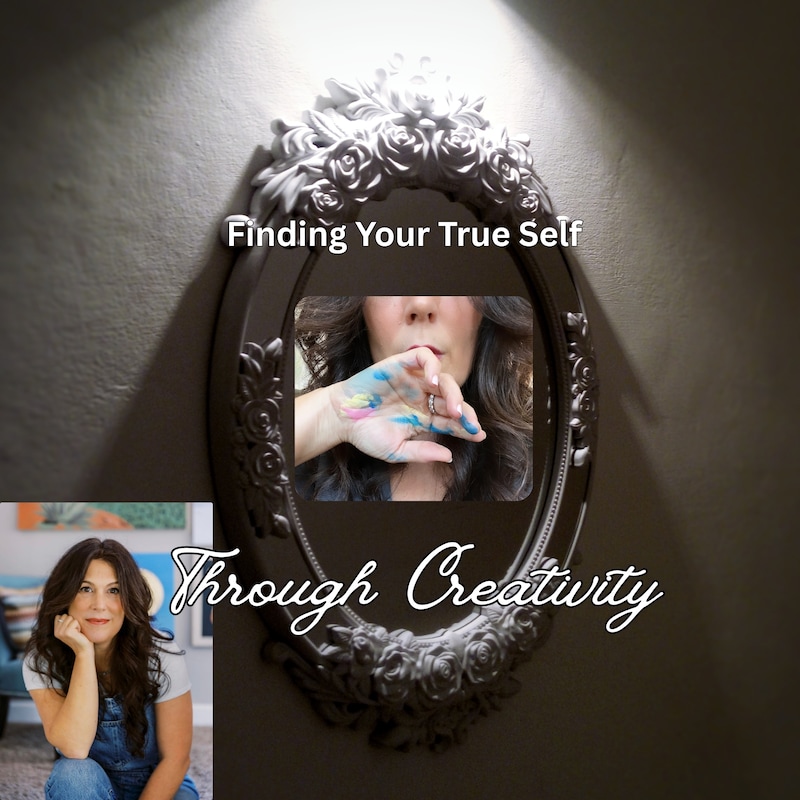
This episode dives into the transformative journey of Tiffany Featherstone, an Arizona artist who has embraced her passion for art after a lengthy career in real estate.
Tiffany shares her experience of transitioning from a high-stress career to a fulfilling life as a full-time artist, emphasizing the importance of listening to one's body and intuition.
We explore how the pressures of her previous job led to health issues, prompting her to pursue her true calling. Tiffany's art reflects resilience and strength, inspired by the beauty of the desert, and she discusses the deep connections her work creates with others.
Ultimately, this episode inspires listeners to embrace their passions and take the leap toward their true selves, reminding us that every step taken in faith can lead to incredible transformations.
Links referenced in this episode:
You can connect with Tiffany on her website:
tiffanyfeatherstone.com
Or on her social media platforms:
FB: facebook.com/tiffany.featherstone
Instagram: @ Tiffany_Featherstone
TikTok: tiktok.com/@tiffanyfeatherstone
The music in this video is copyrighted and used with permission from Raquel & The Joshua 1:8 project © 2025 All Rights Reserved. All rights to the music are owned by Raquel & The Joshua 1:8 project © 2025 All Rights Reserved. You can contact Raquel at https://YourGPSForSuccess.Net
Transcripts
I've walked through fire with shadows on my heels Scars turn to stories that taught me to feel lost in the silence found in the flame now wear my battle cry without shame this isn't the the end it's where I begin A soul that remembers the fire within.
Speaker B:Welcome back to another episode of A Warrior Spirit brought to you by Praxis33.
Speaker B:I'm your host, Darrell Snow.
Speaker B:Let's dive in.
Speaker B:I'm honored today to have a returning guest, Tiffany Featherstone.
Speaker B:Tiffany joined me about a year ago, year and a half ago, and she's a Arizona native, a Southwest artist, and she's all about strength and transformation and that's what we're about.
Speaker B:So I am thrilled to have her back.
Speaker B:And thank you for joining me today.
Speaker A:Tiffany, thanks for having me.
Speaker A:It's a pleasure to be here.
Speaker B:Last time we talked, we talked about your artistic parents and your upbringing and how it kind of made you into the woman you are today.
Speaker B:At that first conversation, you were in real estate, you were just kind of transitioning into full time artistry yourself.
Speaker B:How's that transition been going?
Speaker A:Well, it has been amazing and terrible and amazing and terrible.
Speaker A:And it's been great, to be honest.
Speaker A:It's kind of like shedding a layer of an old personality and becoming the new you and just kind of getting used to that.
Speaker B:What I know, you know, entrepreneurialship takes all forms and being a realtor is a form of entrepreneurial ship.
Speaker B:Certainly, you know, putting your shingle out on your own paintings and selling your own artwork is another form of entrepreneurialship.
Speaker B:Have you noticed any similarities between the two or has it been just a completely different world in doing it this way?
Speaker A:You know, it's sales, that's, that's about the only thing that's in common.
Speaker A:But I will say, when I left real estate, I was like, oh, it's the same thing.
Speaker A:It's sales.
Speaker A:It's going to be a piece of cake.
Speaker A:And I could not have been more wrong.
Speaker A:So I'm finding that there is nothing the same.
Speaker B:And how long were you a realtor?
Speaker A:I think 15 years.
Speaker A:Ish.
Speaker A:Around there.
Speaker B:That's a good long time.
Speaker B:I was only 8, so I know the stresses of that.
Speaker B:What caused you to finally embrace this element of you?
Speaker B:Because when we talked last time, you'd always been kind of artistic and kind of artsy.
Speaker B:And as a matter of fact, I imagine this is a typical day in your world to have know the, the hand painted hands and the, you know, life that you're living.
Speaker B:But what, what you know, really made you decide enough with real estate and onto my own thing.
Speaker A:Well, I'll be honest, I just washed my hands before, so you are right.
Speaker A:That is a typical day.
Speaker A:And what helped me embrace this, becoming an artist full time.
Speaker A:Is that what you are asking?
Speaker B:Mm.
Speaker A:Well, it's something that even as a kid I always wanted to do, but it wasn't something that I really thought was possible, so I didn't pursue it.
Speaker A:It was one of those things where, you know, you hear about people pursuing their music career, being an artist, and they're like, well, that's not reasonable.
Speaker A:That's not a good way to make a living.
Speaker A:So I always had that in the back of my head and I did other things that I knew would support me.
Speaker A:And then when I got deep into my real estate career and realized how unhappy I was doing real estate, I just.
Speaker A:My body started breaking down.
Speaker A:So I kind of had to make it just a decision.
Speaker A:I started having a lot of health issues from stress and I just wasn't managing.
Speaker A:I didn't care to manage myself in a healthy way when I was a realtor.
Speaker A:Because you're.
Speaker A:It's so, as you know, it's so fast paced, it's so people oriented and I was just caught up in the money and chasing the next sale that I never took the time to realize how it was affecting me.
Speaker A:And when my body started just like having issues and I was passing out and I was having extremely low blood pressure and my body was just like, hey, if you don't quit real estate, I'm going to.
Speaker A:It's funny because it's a decision for me.
Speaker B:Yeah.
Speaker B:People don't understand the, the effects that that stress has on a.
Speaker B:On a body.
Speaker B:And you know, I remember been decades now because that's how old I am.
Speaker B:But it's been.
Speaker B:I worked for a local school here, Collins College, an art school, and I was doing admissions and then I was doing financial aid there and I started having like low white count in my blood cells.
Speaker B:I couldn't hardly ever get out of bed.
Speaker B:I was lethargic.
Speaker B:And I went to a doctor the entire year and they couldn't figure it out.
Speaker B:And then finally the doctor basically said, this is caused by stress.
Speaker B:And as soon as I embraced that it was stress induced and changed jobs, all my levels came back up and my health returned to where I was functional again.
Speaker A:Yeah.
Speaker B:Did you find that similar when you transitioned?
Speaker A:Yes and no.
Speaker A:Because it was a new stress of learning a completely different industry.
Speaker A:And I, I was very arrogant.
Speaker A:I Mean, I'll just.
Speaker A:There's no other way to say it, but I was like, oh, I'm Tiffany Featherstone.
Speaker A:I'll.
Speaker A:I do whatever I decide I'm gonna do.
Speaker A:I do well, and I want to be the best.
Speaker A:And I've already got a clientele base, you know, but they were house purchasers or house sellers.
Speaker A:They weren't art buyers.
Speaker A:I did find that my fellow realtors were probably bigger collectors than my clients that I had been working with in real estate.
Speaker A:And once I moved over, yes, the stress levels were way better, but it was a completely different kind of stress, and it was a manageable kind of stress because I was happy, I was excited.
Speaker A:I was learning something new.
Speaker A:I was, you know, learning the industry, trying to figure out, okay, what galleries are good and what shows are good and just kind of learning the lay of the land, which is still kind of stressful.
Speaker A:But it was fun.
Speaker A:It was fun stress.
Speaker B:So I never.
Speaker B:I don't think I ever asked you the first time you were on, were you married and have children or.
Speaker A:Yes.
Speaker A:I'm actually from Texas, and I was born and raised in Dallas, Texas.
Speaker A:I met my ex husband there, and he is from Phoenix.
Speaker A:So I moved here, we got married.
Speaker A:I had.
Speaker A:We had two kids.
Speaker A:They're 28, 25 now.
Speaker A:And I divorced in 2009.
Speaker A:So when I got a divorce, that's when I became a realtor.
Speaker A:And that's what supported me as a single mom up until three years ago.
Speaker B:How.
Speaker B:How would you say you were as a parent?
Speaker B:Because we can't say how you were as a wife because you weren't married during that stress time.
Speaker B:But how were you as a parent during that high stress versus when you.
Speaker B:When your body just shut down and now.
Speaker A:It was awful.
Speaker A:It was the worst.
Speaker A:It was the worst.
Speaker A:I did my best.
Speaker A:You know, I was a single mom.
Speaker A:I didn't have a lot of support.
Speaker A:No, I have no family here.
Speaker A:My family's all in Texas.
Speaker A:I am very close to my ex husband's family still.
Speaker A:So after my divorce, I leaned on them quite a bit to help with the kids and because, as you know, so my kids were 8 and 11 when I got a divorce.
Speaker A:And, you know, that's a tough time because they're preteen, they're.
Speaker A:And not to mention, they're dealing with divorce, they're dealing with mom and dad's different houses.
Speaker A:And so I know it was a difficult transition for the kids, and we all did our best.
Speaker A:And my kids were great.
Speaker A:They were very forgiving.
Speaker A:And understood, hey, I have to go meet this client or I have to go show a house or, you know.
Speaker A:And luckily the super key doesn't work after 8pm So a lot of times I just shut the phone off at 7.
Speaker A:I might still be doing business, but I didn't have to leave the house as much.
Speaker A:But it wasn't the easiest time, especially when you're dealing with, you know, soccer games and track meets and choir concerts and volleyball games and baseball games and meet the teacher nights and.
Speaker A:And building a business on top of that.
Speaker A:So it was.
Speaker A:I drank a lot of alcohol.
Speaker A:I'll be honest.
Speaker A:I was drinking wine and just trying to survive each day.
Speaker B:Honestly, looking back, would you consider that a functional alcoholic or.
Speaker A:No, it wasn't like that.
Speaker A:I. I'm being facetious mostly, but, well.
Speaker B:Being in real estate, I almost.
Speaker B:I mean.
Speaker A:I mean, that's the thing with real estate.
Speaker A:It's like you kind of have to drink.
Speaker B:Yeah.
Speaker B:You're like, happy hour here, meet a client there, like business there.
Speaker B:Everything's.
Speaker B:Everything's weird.
Speaker B:It's business over drinks.
Speaker A:Like everything revolves around drinks.
Speaker A:Open house, a celebration, a loss, the deal.
Speaker A:Everything revolves around drinks.
Speaker B:Yeah.
Speaker B:When my wife got sick, we pretty much had to cut out alcohol because she can't have any with her illness or very little with her illness.
Speaker B:And it was really an eye opener of how much life and friends and business revolves around drinking.
Speaker B:Like, hey, let's go out for brunch so that we don't have to have a. I heard the cat.
Speaker B:It's okay.
Speaker B:She sounded very happy.
Speaker B:But.
Speaker B:Yeah.
Speaker B:It's kind of weird how everything in society that, you know, kind of revolved around the drinking part, so.
Speaker A:Yeah.
Speaker B:Did you have to do anything special for your body to get it to respond back to normalcy?
Speaker B:I know it was a different kind of stress because you're building a business and I know what that entails.
Speaker B:But functionally, you know, passing out isn't normal.
Speaker B:Doctors don't.
Speaker A:It's not.
Speaker A:I mean, I was definitely a lot of doctor's appointments and trying to figure out what was going on.
Speaker A:And when we realized it was the stress, I just eliminated as much as I could and.
Speaker A:And kind of just made my body a priority.
Speaker A:You know, I was very good about what I was eating and exercising and I mean, I've always been kind of on top of that.
Speaker A:That's always been part of my coping skills, is to go run or hike, to work off whatever stress I'm dealing with.
Speaker A:So I was always pretty good about that.
Speaker A:But as you get older, you have to work a little harder to keep those, those things under control.
Speaker A:So I don't know that I did anything specifically to change those things.
Speaker A:I think just letting that go of, you know, not.
Speaker A:I think what was different is that with real estate, you're available pretty much 24, 7.
Speaker A:I mean, how many times have we been online making a post about, I was on vacation and I got a deal while I was on vacation and you know, you're never not working and, you know, being out to dinner and having to say, excuse me, I have to take this call and I don't have to do that anymore.
Speaker A:So there's a lot of just day to day changes that were so nice.
Speaker A:You know, I can eat a whole meal now.
Speaker A:Nobody calls me, nobody interrupts me.
Speaker A:And if they do, I don't have to answer.
Speaker B:Yeah, isn't that a beautiful freedom?
Speaker A:It's amazing.
Speaker A:I don't wake up at one o' clock in the morning going, did they sign the addendum?
Speaker A:You know, there's so many beautiful things that I didn't even have to do a single thing to change it.
Speaker A:Just being in a different industry released a lot of that just day to day stress.
Speaker B:Did your friends change as you kind of grew out of real estate or did you get to hang on to some of that circle?
Speaker A:That's a really good question.
Speaker A:I don't think my friends changed.
Speaker A:I think I realized who were my real friends.
Speaker A:Because in real estate, you know, you're networking with lenders, entitled people, and they're taking you to Sons games and the Open and all kinds of fuss and stuff and trying to like, woo you so they can get your business.
Speaker A:And it was kind of an eye opener when I realized, oh, they don't really want to be my friend, they just wanted my business.
Speaker A:I thought we were friends.
Speaker B:I had that same experience.
Speaker B:It was really, there was several specific title people and lenders that, you know, we broke bread outside of business, we hung out and did activities, everything.
Speaker B:And then, then I got out of real estate and it's like suddenly they lost my number.
Speaker B:Like, you know, I still do a, I still do a check in, friend check in, you know, and, and instead of responding back, you know, quickly, it's like days before they return it, you know.
Speaker B:And I realized the same thing you did.
Speaker B:I'm like, h, I was just an account.
Speaker B:I wasn't really a friend.
Speaker A:That was hard.
Speaker A:I honestly think that was one of the difficult things for me to get adjusted to was realizing, oh, okay, But I do have a good core group of friends.
Speaker A:And several of them are people I met in real estate who were lenders, title people.
Speaker A:And I'm still good friends with them, but, you know, fellow realtors, like, I haven't spoken to in four years, five years.
Speaker B:Yeah, I have.
Speaker B:I have a small handful of those that I can say, yep, we were extra.
Speaker B:But it's funny because I, when I updated my phone, I went through my contact list And I'm like, 95% of these are.
Speaker B:They're either admins, transition coordinators, or either lenders or.
Speaker B:Or, you know, the actual.
Speaker B:I was a sales side, you know, the buyer, the sell side, not the buy side.
Speaker B:And, you know, three quarters of them were buy side, you know, agents.
Speaker B:And I'm like, yep, don't need that, don't need it.
Speaker B:And suddenly my phone got lighter.
Speaker B:It was like, wow, that's a.
Speaker A:It's funny because now I get calls from realtors and they're like, oh, my gosh, Tiffany, how are you?
Speaker A:And then I'm like, great.
Speaker A:How's everything going?
Speaker A:They're like, well, I wanted to see.
Speaker A:Who are you giving your referrals to?
Speaker A:I would love to work your book of business.
Speaker A:I'm like, oh, I see.
Speaker A:Just want my business.
Speaker B:Yeah.
Speaker A:You still just want my business?
Speaker B:Yeah.
Speaker B:Oh, Tiffany, how's your penmanship?
Speaker B:Can I still read that?
Speaker B:Book of business?
Speaker A:Yeah.
Speaker A:And I'm like, you know what?
Speaker A:It's been three and a half years.
Speaker A:If I was going to throw you a referral, you would have gotten it by now.
Speaker B:Yeah, I always, I always love the text that say, you know, I'm buying.
Speaker B:I'm buying distressed houses.
Speaker B:You got anything coming up on the market?
Speaker B:I'm like, I haven't been in real estate for two and a half years.
Speaker B:No, I don't have anything coming up on the market.
Speaker A:I still get those.
Speaker A:Those are so annoying.
Speaker B:Yeah, those are funny.
Speaker B:What?
Speaker B:Other than the painting and, you know, transitioning to that did.
Speaker B:And I know you said you leaned on your.
Speaker B:Your ex's family, you know, during the divorcing.
Speaker A:Yeah, they've been great.
Speaker A:I don't call them my in laws anymore.
Speaker A:I call them my outlaws.
Speaker B:Ah, there you go.
Speaker A:And they're awesome.
Speaker A:They're just great people.
Speaker B:Was there anyone else there that was actually there for you as you're going through this difficulty, or was it pretty much your own resolve when you say.
Speaker A:There for me, what do you mean?
Speaker B:Well, whenever we're, I mean, passing out on the floor and not figuring out life and you know, things kind of go awry.
Speaker B:A lot of the.
Speaker B:Again, friends just kind of disappear.
Speaker B:Was there.
Speaker B:Was there anyone there who just kind of helped pick you back up or got you straight again?
Speaker A:I have.
Speaker A:I am very lucky to have an incredible support system.
Speaker A:I have wonder friends.
Speaker A:You know, it might not be 100 people and.
Speaker A:But I always say I'd rather have four quarters than 100 pennies.
Speaker A:And I. I have a core group of friends that I love as if they are my family.
Speaker A:I love their kids as if they're mine.
Speaker A:They love my kids as if they're theirs.
Speaker A:We're there for each other, thick and thin.
Speaker A:So I never feel alone, you know, I. I do.
Speaker A:I'm very lucky to say that I have a good support system.
Speaker B:I love that because many people aren't as fortunate.
Speaker B:You know, when my wife got sick, nobody showed up like one.
Speaker A:That's hard.
Speaker B:I think I got three.
Speaker B:Three out of her entire contact sheet showed up.
Speaker B:So it was me and three other people for 10 years trying to, you know, get her back to healthy.
Speaker B:So.
Speaker B:Yeah, and.
Speaker B:And I think it's important sometimes, you know, when we're not in our best, we wall off and we put barriers so that some people can't, you know, help.
Speaker B:But the ones who.
Speaker B:Yeah, yeah, we don't want to, but the ones who really are.
Speaker A:Oh, yeah.
Speaker B:Wanting to can fight through that wall anyway, you know, for sure.
Speaker A:Yeah.
Speaker A:I think.
Speaker A:I'm not one that asks for help.
Speaker A:I'm not good at that.
Speaker A:I'm a. I'm a helper.
Speaker A:And when I need help, I don't.
Speaker A:I don't.
Speaker A:I'm not good about saying, hey, you know, this is.
Speaker A:This is not great.
Speaker A:But I do have.
Speaker A:My friends are pretty amazing at reading me and knowing and being like, something's not right.
Speaker A:And I'm like, you're right, it's not.
Speaker A:And then I'll open up and say, hey, you know, this is going on, or whatever.
Speaker A:But health stuff, I've never been like, that's not.
Speaker A:I mean, I can't.
Speaker A:You can't control what's going on in your body.
Speaker A:So I'm pretty open about any time I have a health stuff, that thing going on.
Speaker A:But other times, maybe not as open, but I've been pretty lucky.
Speaker A:I'm really grateful for the friends that I have.
Speaker B:I think when.
Speaker B:When we have any type of change or trials or whatever, we really find out who the core really is.
Speaker B:Right?
Speaker B:Because even when we're not good at asking because, like, you're.
Speaker B:You're a giver and you're a doer and so is my wife and so am I.
Speaker B:And so when it's the other way, it's hard for us.
Speaker B:But we really find out who truly supports us as a friend, as you know, as a family, even non blood who really shows up.
Speaker A:And you know what's interesting is during those times when maybe you don't want to ask for help or things are not great.
Speaker A:What I have found is that those dark times are an opportunity for your boundaries to be tested.
Speaker A:In a way it's kind of like it clears, it gives you time to really focus on what actually matters to me, who's important, why they're important, and realizing, okay, this is something that I want to keep, keep.
Speaker A:These are the kind of people I want around me.
Speaker A:And then when you meet someone who's like, hey, I just wanted to see how your book of business is doing, you're like pound sand, like you're not a friend.
Speaker B:I don't wanna, Yeah, I don't need that in my life.
Speaker A:Opportunity.
Speaker A:If you think about, if you think about it, I'm trying to find that silver lining, you know, in those dark times.
Speaker B:But I think it's important to be able to sit in the quietness because look, I don't know how.
Speaker B:Well I do know how other industries are because I've worked for dozens of them, but especially in real estate, there's no quiet time, there's no downtime.
Speaker B:You're always thinking about the walkthrough, the inspection, the loan going through.
Speaker B:You know, hey, client, don't go out and buy a car in the middle of the transaction.
Speaker B:Like you're, you're always, you know, you're always on and you're always thinking.
Speaker B:So sitting in the quietness that life has awarded you now.
Speaker B:And I think you probably do a lot of it like this.
Speaker A:Yeah, that's 100.
Speaker A:And I think that's what's the difference from being in real estate to being an artist is being available 247 and then being in my studio by myself, having the time to think, having the time to decompress, having the time to figure out what actually matters to me, what am I doing.
Speaker A:Because you're so busy in real estate that you don't really process properly.
Speaker A:I don't think, I don't think you really take the time to, I mean you're just, you have to make crisis decisions constantly.
Speaker A:So that decompression, I mean, you know, they say when you're driving in your car and you don't have any music on.
Speaker A:And you're just like, I did that a lot as a realtor.
Speaker A:I was just in, like, complete silence after a deal or after showing 17 houses in a day.
Speaker A:And I don't find myself doing that as much anymore because I am able to be at one with my thoughts and know how my mind works.
Speaker A:And I can see and feel and actually hear my body telling me, hey, this is stressful.
Speaker A:You should probably take a break.
Speaker A:And before I never did that.
Speaker A:I didn't listen because you can't.
Speaker B:I think it's always important to listen in those moments.
Speaker B:And speaking of break, we're going to take a short pause here, and then we'll be right back with the future casting instead of the reflection in the rearview mirror.
Speaker B:Be right back.
Speaker A:I make contemporary art about resilience, transformation, and what rises after the storm.
Speaker A:Inspired by the desert, my work reflects the strength we all carry, offering a sense of hope and renewal.
Speaker A:I'm Tiffany Featherstone, and I invite you to visit tiffanyfeatherstone.com use the code Warrior for a special listener only, limited time offer of 15% off, and get your tangible reminder of resilience, hope, and becoming.
Speaker B:Welcome back to the show.
Speaker B:And we're sitting today with Tiffany Featherstone.
Speaker B:We're talking about life in general and her art.
Speaker B:Tiffany, behind you, you have a couple of your paintings.
Speaker B:Love both of them.
Speaker B:The one with the road in the mountain, is that the superstitions?
Speaker A:The other one, Yep, this is the Superstitions.
Speaker A:This is the Papago mountains.
Speaker A:My kids called them the Zoo Mountains.
Speaker B:Those are so beautiful.
Speaker B:What?
Speaker B:And then here's a few other gems that you've done.
Speaker B:I love.
Speaker B:I love the saguaro with the sky.
Speaker B:And I didn't know until I looked at your website, you know, that you also do, you know, birds.
Speaker B:And the one with the boots, I just picture that as you sitting on your deck, just enjoying life.
Speaker A:Yeah.
Speaker B:How long does.
Speaker B:How long does something like the.
Speaker B:The one with the long road and the superstitions, how long something like that take you to paint?
Speaker A:Well, I have several different ways that I paint, and this piece here, I actually poured.
Speaker A:So I use like a liquid paint, and I tape off the areas that I want to pour the paint, and then I cut away with an X acto knife, pour the paint, wait for it to dry, peel the paint, and then move my way all the way around the board.
Speaker A:So pieces like this take a lot more time.
Speaker A:And to be fair, when I was painting like this, I still do.
Speaker A:But when I was really painting everything like this.
Speaker A:It was at the end of my real estate career, and I wanted something that would help me kind of focus so that I wasn't losing my mind.
Speaker A:So I had this insane idea that I was like, let me try fluid.
Speaker A:And it just kept evolving and evolving, and finally it came up something like this.
Speaker A:So that one probably took me.
Speaker A:I think this one took me, like, 90 hours.
Speaker A:It's crazy.
Speaker A:Same with this one.
Speaker A:I poured this one as well.
Speaker A:Now I do brushing, I brush, and I. I also still pour.
Speaker A:So this piece here with the saguaro in the kind of aurora borealis in the background, that's poured.
Speaker A:The birds are traditional brush paintings.
Speaker A:The boots, that's a poor.
Speaker A:And so it just depends on what I feel like doing.
Speaker B:You know, the boots are a poor.
Speaker B:So all those details on the boots are different cutouts you've had to do.
Speaker A:Yes.
Speaker A:The only thing that's not poured on that piece are the little dots in the sky.
Speaker A:Those are supposed to be starlings, like a murmuration.
Speaker A:And I took an acrylic pen and just did a gazillion little dots like that.
Speaker B:That's incredible.
Speaker B:And the detail is amazing.
Speaker B:So how long to do, like, one of the birds?
Speaker B:That's a traditional 90 hours for the one behind you.
Speaker A:Yeah, I can do those.
Speaker A:Those are a lot faster.
Speaker A:I can.
Speaker A:I think I painted that Cooper's hawk in, like, six hours.
Speaker B:Wow.
Speaker B:So just to kind of understand your process, do you take a photograph or a picture of what you're wanting to paint and then replicate it, or does some of it just come out of your mind?
Speaker A:I have to have my composition ahead of time or else I will never know when my painting is done.
Speaker A:So I work with reference photos, and yes, I take my own photos.
Speaker A:Sometimes I have photographers that will provide the photos for me.
Speaker A:I did a piece recently of a moose, and I saw a video of this moose, and it was a.
Speaker A:Like an aerial shot.
Speaker A:And it was this.
Speaker A:Just this moose walking through these shallow waters.
Speaker A:And you were looking at the top of the moose, and I was like, that is the coolest thing ever.
Speaker A:And it was a tourist company.
Speaker A:And I can't just.
Speaker A:If I find something on the Internet, I can't just paint it.
Speaker A:That's a copyright infringement.
Speaker A:So I messaged the tourism company, and by the way, this video had like 2 million views on TikTok and a million views on Instagram.
Speaker A:So I was like, I'm never gonna hear back from these people, but I'll try.
Speaker A:So I shot him a message And I was like, hey, can I use this video as a reference?
Speaker A:I would love to paint this Moose.
Speaker A:And they were like, yeah, go for it.
Speaker A:So I used that video and ended up Moose just recently, and they bought a print, and it's gonna go to Alaska, so.
Speaker B:Wow.
Speaker B:They actually bought a print of their own video Moose.
Speaker A:Yeah.
Speaker A:Yeah.
Speaker A:I was really nervous, so when I finished it, I sent it to them, and I was like, you guys have first dibs, you know, because you provided the reference material.
Speaker A:And they were like, well, we can't afford to buy it, but we would love a print.
Speaker A:We'll put your cards out.
Speaker A:And I'm like, oh, my gosh, that's incredible.
Speaker A:So I'm sending it up to Alaska.
Speaker A:Well, I can't ship it to him now because the season is they're all under snow, so I have to wait until May to send it out to him.
Speaker A:But, hey, it's paid for, ordered, and ready to go.
Speaker B:Isn't that cool how, you know, just the most innocent things turns into a really cool venture like that?
Speaker A:I look at everything as an opportunity.
Speaker A:I think that's the one thing that real estate taught me is, you know, you never know who someone knows or who they could introduce you to.
Speaker A:So I treat everyone like their family, and if I get something out of it, great.
Speaker A:And if not, then I got new family.
Speaker B:As a.
Speaker B:As an artist with a creative eye and a creative mind that you have, what made you gravitate to the Southwest?
Speaker B:Art, like the superstitions and the barrel cactus.
Speaker A:I live in Phoenix, so I've got desert all around me.
Speaker A:And I will say, when I moved here, I moved here in 93, 1993.
Speaker A:I did not like the desert.
Speaker A:I did not think it was pretty.
Speaker A:I thought it was awful.
Speaker A:I was like, there's no leaves, there's no shade.
Speaker A:Like, what is going on?
Speaker A:Everything is burnt, right?
Speaker A:And then it just started growing on me.
Speaker A:And especially after leaving real estate, I started connecting how similar the human spirit is compared to the desert.
Speaker A:And what I found was that, you know, when we're the.
Speaker A:The desert has these, you know, crazy temperatures.
Speaker A:We have monsoon damaging windstorms, dust storms, haboobs, you name it.
Speaker A:And everything is, you know, surviving in this harsh environment.
Speaker A:And then you look at a saguaro, and it's lived for four centuries.
Speaker A:It's lived.
Speaker A:You know, it's towering or maybe two, 200 years.
Speaker A:250 years.
Speaker A:And it's got four.
Speaker A:Four stories tall.
Speaker A:You've got these prickly pear cactus that are, you Know, you touch it and you're going to be impaled.
Speaker A:But then it produces this beautiful flower that's delicate and just only survives for a couple of days.
Speaker A:And then it provides fruit.
Speaker A:And so when I started creating the beauty of the desert, it really resonated with me.
Speaker A:And I started thinking, okay, well, I can paint these things because it's it for.
Speaker A:I was keeping it to myself.
Speaker A:I was painting the desert because it was my way of going.
Speaker A:This is a reminder of inner strength.
Speaker A:This is about resilience.
Speaker A:This is about transformation.
Speaker A:And then I started going, well, wait a minute.
Speaker A:I bet other people would really appreciate hearing that.
Speaker A:And sometimes when you look at a desert painting, you don't think about that, but maybe.
Speaker A:Maybe you just went through a really difficult time.
Speaker A:Maybe you went through a drought, maybe you had a struggle and then you came through.
Speaker A:What better way to have a little reminder?
Speaker A:But this painting on your wall that you can look at and be like, I resonate with that.
Speaker A:That feels like me.
Speaker A:I'm a saguaro.
Speaker A:I can stand through the storm.
Speaker A:I can get through this.
Speaker B:Do you add those type of insights to the back of a painting when you're selling it so that they can connect how you connect with it?
Speaker A:Every piece, when I put it on my website, there's a story, and it always has to do with resilience, transformation, inner strength, something along those lines.
Speaker A:And I do share my thoughts about that.
Speaker A:I don't necessarily put it on the back of the painting, but I'm happy to print it out.
Speaker A:But you've got it on the website, so, you know, if you wanted to do that, you could do that too.
Speaker A:But there is a connection between my work and.
Speaker A:I feel like just the heart of humanness and that connection.
Speaker A:I like that.
Speaker A:You know, a desert sky is a little bit cosmic, you know, and you can look up and see crazy.
Speaker A:We used to.
Speaker A:When I was married, we had a houseboat, and we would wake up because we would sleep on the top of the houseboat with my kids, and we'd wake up in the middle of the night and you could see the Milky Way.
Speaker A:Like.
Speaker A:Like you could just reach up and touch it.
Speaker A:It was the most.
Speaker A:I've never seen more stars.
Speaker A:And it was just such a striking memory for me that I was like, even.
Speaker A:Even at night, the desert somehow finds a way to say, hey, we're different here.
Speaker A:And we got this, like, it's beautiful.
Speaker A:You might see nothing but poison and hot, you know, heat waves and scorpions.
Speaker A:But really and truly, there's so much more to the desert that people just don't realize it's.
Speaker A:There's more than sand.
Speaker B:I think it's.
Speaker B:And that's a beautiful analogy and a connection.
Speaker B:And you know, I think it is another cosmic part of life that if you look below the surface, there's so much more there to see for sure.
Speaker B:And too many people just look at the surface and they never go deeper and then they miss the beauty that's all around them.
Speaker A:And it's every day.
Speaker A:I mean, you can look at a monsoon and be like, oh no, I'm going to lose my roof or my tree was uprooted.
Speaker A:And then the clouds part and you've got these insane sunsets that you're like, oh my gosh.
Speaker A:And you would never see that if you hadn't been through the storm.
Speaker A:You have to know the dark to appreciate the light.
Speaker A:You have to go.
Speaker A:I just feel like the desert has so much to offer and I, I feel like I should apologize to it because I was so anti desert.
Speaker A:I'm like, this is gross.
Speaker A:There's all the trees have, are hairy leaves.
Speaker A:They're just these skinny little.
Speaker A:You know, coming from Texas where everything is so lush in Dallas, I had a hard time adjusting and now I cannot imagine being anywhere else.
Speaker A:I don't even know where I would go.
Speaker B:Yeah, I grew up in the Midwest and I've traveled all over the United States and I've lived in many of the different places and I actually took a 30 day car trip from coast to coast.
Speaker B:And there is so much beauty if we just observe it as we're going through it.
Speaker B:And I'm always amazed.
Speaker B:Excuse me one second while I clear my throat.
Speaker B:Something wanted to tickle.
Speaker B:I am always amazed when you, those of us who live here, there's a season for the desert being in bloom and people migrate out to go watch, you know, these cactus and these flowers that are in nature blooming.
Speaker B:And I'm always looking at my bogoville in my front yard going, how the hell can I keep you alive?
Speaker B:And then you go out in the desert and like all these things are just doing it naturally, you know, and it's kind of the same resonation, you know, if you just embrace the nature and the process.
Speaker A:Yeah.
Speaker B:Life can come from it for sure.
Speaker A:Even the bad.
Speaker A:I mean, everything happens.
Speaker A:I believe everything happens for a reason.
Speaker A:And I started a membership program this year for people to purchase prints.
Speaker A:It's a monthly membership and basically with each new season I send you a free print.
Speaker A:So you get Four prints a year, and they're matted.
Speaker A:And it just depends on whatever the season is or whatever it is I feel like needs to happen.
Speaker A:And it's all about resilience and remembering your inner strength and who you are as a person and having a tangible reminder of that strength being sent to you.
Speaker A:You know, I just think it's such a fun thing, and it's.
Speaker A:I've had a pretty good response to it, so I'm excited.
Speaker B:What made you think of doing that?
Speaker B:Because that's very unique, especially for an artist, you know, and it's a very.
Speaker B:On the surface, it's a crazy idea to.
Speaker B:To have to do that many, you know, things, but sub level, again, if you go below, it's really a cool thing to do and be a part of.
Speaker B:What made you think of doing that?
Speaker A:Well, as an artist, I know that not everyone can afford to purchase an original piece of artwork, and I know that art can be difficult to attain.
Speaker A:So what I wanted to do was provide an opportunity for people to have beautiful artwork at a very affordable price.
Speaker A:And if they join my membership, you're actually saving.
Speaker A:So let's say you bought four prints a year.
Speaker A:You would actually spend $120 more if you were to just buy those four prints than if you were to be in my membership program.
Speaker A:So for me, it was a way of allowing maybe you can't have an original, but you can afford 20 bucks a month.
Speaker A:You can afford having maybe it's a print.
Speaker A:And I figured it was an also a great way of introducing people to art.
Speaker A:Some people don't know that an original piece of artwork is amazing.
Speaker A:So this is just kind of an intro to get into people's doors.
Speaker A:And it's an affordable way to have something on your wall that's unique.
Speaker B:Some people think four dogs playing poker on a velvet canvas is art.
Speaker B:So it is art.
Speaker A:It is art.
Speaker A:That's art.
Speaker A:It just might not be your kind of art.
Speaker B:It's just a different.
Speaker B:Yeah, it's not mine.
Speaker A:It is art.
Speaker A:I mean, that's.
Speaker A:That is some.
Speaker A:Somebody took time to create that and come up with that idea, and it'll appeal.
Speaker A:You know, I. I was told this once when I went into real estate, actually, and it.
Speaker A:When my mentor said.
Speaker A:Because I was like, everybody's a realtor.
Speaker A:How am I gonna find clients?
Speaker A:And she said, when you.
Speaker A:When you go to the library and you want to get a book on cooking, how many books are there on cooking?
Speaker A:Hundreds and hundreds and hundreds.
Speaker A:But you chose the book that you wanted because it was the book that.
Speaker A:That called to you, and you chose that book.
Speaker A:There's Room for all of us.
Speaker A:And I apply that to so many ways of thinking because it's true.
Speaker A:There's room for all of us.
Speaker A:And my art doesn't appeal to everyone, and I'm okay with that.
Speaker A:In fact, I'm kind of mean about it because I want to find the people who understand that you can do this.
Speaker A:You've been through difficult times.
Speaker A:We have this in common.
Speaker A:This is our reminder of, you know, strength.
Speaker A:And that's not going to appeal to the average Joe.
Speaker A:He's not going to care.
Speaker A:He's going to be like, that's real cool.
Speaker A:You know, oh, I've been to the Superstitions, and I sell art to those people, too.
Speaker A:I mean, also, money's money, but I do want to find those people who relate to the meaning behind it.
Speaker A:I just feel like that's a special connection.
Speaker B:It's always nicer to know that something we've created has gone to an entity that appreciates it after it's created as much as we appreciated creating it.
Speaker A:Yeah.
Speaker B:And, you know, the.
Speaker B:The book analogy, you said.
Speaker B:As a.
Speaker B:As a transformational life coach and a personal consultant, I've told many of my clients who have those fears and doubts, go to any bread aisle in any grocery store.
Speaker B:There are dozens of different.
Speaker B:They're all cut, they're all in plastic.
Speaker B:But somebody's choosing a different.
Speaker B:Yeah, you know, it's the same principle as what you.
Speaker B:Yeah, and that's so true.
Speaker B:You know, our voice, our message, our thoughts, our ideas, they will only resonate with people who they're meant to resonate with.
Speaker B:They're not meant to resonate with everyone.
Speaker B:Just because people can see or people can hear or people can speak doesn't mean those functionalities resonate with every person.
Speaker B:You know, you can look at the same thing and see two different things.
Speaker B:You can hear the same sentence and hear something completely different.
Speaker B:You can speak words and they'll be misspoken because of how they're heard.
Speaker B:So everything resonates on its uniqueness to who it's supposed to resonate with.
Speaker A:Right.
Speaker B:Not meant for everybody.
Speaker B:You're meant for specific people.
Speaker A:Yeah, I saw.
Speaker A:I don't remember where I saw this.
Speaker A:It must have been on maybe Tick Tock or something.
Speaker A:But I follow a lot of marketing people because that's kind of something I like to do.
Speaker A:And this one creator was saying that you need to be meaner.
Speaker A:And I was like, what do you mean?
Speaker A:And they're like, need to be meaner because you're not for everyone.
Speaker A:And the more you try to be for everyone, it dilutes who you actually are.
Speaker A:And I was like, well, that's the stress that was probably happening when I was a realtor.
Speaker A:Because you try to be.
Speaker A:Yep, you want to get the biggest net out there.
Speaker A:And now I'm like, no, I want to work, I want to com.
Speaker A:I want a community.
Speaker A:I want a people, a group of people that follow me and watch my Instagram and say, you know, I want that piece as soon as you're done painting it.
Speaker A:Which is starting to happen, which is really exciting.
Speaker B:Yeah.
Speaker A:In fact, I.
Speaker A:Yesterday, so the day before yesterday, I'm in a gallery up in Cave Creek, and every six months, we all.
Speaker A:All the artists change walls.
Speaker A:And so I was re hanging my wall and I put up a bunch of brand new art.
Speaker A:And so that means yesterday the gallery opened because all the artists put their art up.
Speaker A:Someone drove to the gallery to buy a piece of art that I had just hung because I posted a video making that painting.
Speaker A:And then after I hung it, they saw that it was hung at the gallery, so they drove all the way to Cave Creek just so that they can buy it.
Speaker A:And I was like, oh, my gosh, that's really cool.
Speaker B:That's how you find a community.
Speaker B:And so that'll make you appreciate the other analogy that I often use with clients.
Speaker B:Your job is to be a lighthouse.
Speaker B:And a lighthouse doesn't run up and down the shore looking for boats.
Speaker B:It stands in one spot, shines its light, and the boats come to it.
Speaker B:That's your job.
Speaker B:And if you stand in your truth, in your spirit, and in your artistic realm, the right people will drive to Crave Creek as you posted it there or hung it.
Speaker A:Authenticity.
Speaker B:Authenticity.
Speaker A:I will say authenticity is probably the one thing that I have.
Speaker A:I mean, I've always been authentic.
Speaker A:As far as I know, what was happening in real estate is that I wasn't being authentic, because that's not.
Speaker A:I didn't grow up saying, I can't wait to sell houses.
Speaker A:You know, that wasn't my dream.
Speaker A:I did it and I did a great job at it, but it wasn't who I truly was.
Speaker A:And I didn't even know that.
Speaker A:And so when I left real estate, there was almost like an ego death.
Speaker A:And I had to figure out, who am I?
Speaker A:And I feel like I'm more authentic now than I've ever been.
Speaker A:And I think that that resonates.
Speaker A:I think People.
Speaker A:People feel that, and they see that, and they know, you know, what I'm painting, what I'm about, who I am, and they want to be a part of that.
Speaker A:And I love it.
Speaker B:I think it's a growth element for true inner healing.
Speaker B:Because, like, my wife and I joke because she.
Speaker B:Before she got sick, she had one job for 30 years.
Speaker B:And in those 30 years, I probably had 30 jobs.
Speaker B:Like, you know, because I'm not built for corporate, I go into it occasionally because it's a quick, easy buck, and then I get out of it because I hate the politics and all the BS that goes with it.
Speaker B:However, what I did realize in my own healing journey is that up until the last couple years, I never took a job because I wanted to do it or it was my passion.
Speaker B:I took the job because it was easy for me to do it, and I could make money while doing it.
Speaker B:And.
Speaker B:And I don't care what the dollar amount was that I was making, it was always a misery because I was never doing what I want to do.
Speaker A:Really, we're very much alike.
Speaker A:I understand.
Speaker B:Yeah.
Speaker B:And that passion.
Speaker B:And you can see that passion when you see, like, that's a very intense face.
Speaker B:I don't know what you're listening to.
Speaker B:Maybe, you know, a little.
Speaker A:Podcast.
Speaker B:Sure.
Speaker B:That's what.
Speaker B:That's what that face is.
Speaker A:I do.
Speaker A:I listen to podcasts.
Speaker A:I'm a podcaster or audiobooks.
Speaker B:But.
Speaker B:But that intensity with what you're doing, that's.
Speaker B:That you can.
Speaker B:If you're looking deep enough, you can see the joy that that moment right there is capturing because it's you in your element, focusing on what you're trying to create.
Speaker A:Yeah.
Speaker A:It's funny because I, you know, I paint what I paint because it means something to me, and somehow that means something to other people.
Speaker A:But, like, looking at that image, like, I remember exactly what I was doing and what was going on in my life.
Speaker A:Like, every piece of piece of art that I make is almost like a little time capsule.
Speaker A:And I'll see it, and I'm like, oh, yeah, I remember.
Speaker A:That was when whatever was going on, or my son did A, B and C, or my daughter called me with this great news, and, you know, so it's just kind of fun to look back.
Speaker A:And, you know, I'm watching that, and I'm thinking, that was a really cool time.
Speaker A:That was exactly a year ago.
Speaker B:That photo and art for you is like music for many.
Speaker B:It takes you back to a time and place.
Speaker A:For sure.
Speaker A:Yeah, for sure.
Speaker A:Very specific.
Speaker B:So who is the Tiffany today versus who the Tiffany was when she was married?
Speaker A:Oh, that's like 45 Tiffany's ago.
Speaker A:I don't even know who that Tiffany.
Speaker B:45.
Speaker B:That's a song in and of itself.
Speaker B:45 Tiffany's agony.
Speaker A:I mean, that was literally in 2009.
Speaker A:How many years ago was that?
Speaker A:16 years, something like that.
Speaker B:13.
Speaker A:13?
Speaker A:No, 20.
Speaker A:26.
Speaker B:Oh, yeah.
Speaker A:17 years.
Speaker B:17 years, yeah.
Speaker A:So I don't even like the marriage.
Speaker A:That's like.
Speaker A:Oh, deuce.
Speaker A:That doesn't.
Speaker A:That's like talking about when I was 15.
Speaker A:I don't know.
Speaker B:So who were you from five years ago, then?
Speaker A:Five years ago.
Speaker A:That's a better comparison.
Speaker A:At five years ago was when I knew I wanted to get out of real estate.
Speaker A:And I started thinking about my escape plan, but I was not executing it.
Speaker A:You know, I was forming a team so that I could train someone to take over.
Speaker A:But that's when I was really starting to get sick.
Speaker A:So I was really stressed out.
Speaker A:I was.
Speaker A:You know, it was Covid.
Speaker A:It was.
Speaker A:There was just so much going on, and now I feel like I'm calmer.
Speaker A:I can respond from a place of thoughtfulness versus reaction, you know, because I don't have time.
Speaker A:I don't have time.
Speaker A:I was just always so stressed and busy, and I feel like I was like that rabbit.
Speaker A:I'm very late.
Speaker A:I'm late for a very important date, you know, constantly.
Speaker A:Just like.
Speaker A:And now I'm, like, quiet and peaceful, and I drink my coffee slow, and I wake up and do my thing, and it's amazing.
Speaker A:Like, I'm so in my element right now.
Speaker A:I'm so happy.
Speaker A:I love what I'm doing, and I know this is what I'm supposed to be doing, so there's just a confidence that I. I was confident then, too, but there, it's different.
Speaker B:Well, cocky and confident are two different things.
Speaker A:I don't think I was cocky.
Speaker A:I mean, maybe I was.
Speaker B:I've seen your videos.
Speaker B:You were a little cocky.
Speaker A:Was I?
Speaker B:A little.
Speaker A:Maybe I was.
Speaker A:I. I feel like I. I did what I thought would get me the business, and now I'm just calmer and a little bit of a slower pace.
Speaker A:You know, Road raging doesn't happen as much.
Speaker A:I.
Speaker A:You know, I still have my thoughts and feelings when I'm driving in the left lane and someone's going below the speed limit or at the speed limit.
Speaker A:But I digress.
Speaker A:But even from what I interviewed you.
Speaker B:A year ago, though, even.
Speaker B:Even from 2024, you're calmer, you're more assured, you're more approachable.
Speaker B:Like you have this softer element to you.
Speaker B:Really, through your own transition.
Speaker B:Yeah.
Speaker A:Yeah, that's interesting.
Speaker A:Maybe it's because I know a little bit more about what I'm doing.
Speaker A:I still have no clue what I'm doing, but I, you know, do any of us.
Speaker A:I don't want to ever have it figured out.
Speaker A:That's just boring.
Speaker A:You know, I like to constantly learn and grow and I want variety in life.
Speaker A:So I just feel, you know, I have a better trajectory and direction that I feel good about.
Speaker A:And maybe when we were talking, I had just gone full time, so I was like, ah, I don't know what's happening, what do I do?
Speaker A:And now I feel just.
Speaker A:I know who I am.
Speaker A:I'm still figuring that out.
Speaker A:I was still going through my ego death.
Speaker A:I was still like, you know, missing the busyness of real estate.
Speaker A:And now I'm like, oh, if somebody texts me two times in a row, I'm like, what do you want?
Speaker B:What.
Speaker A:What is so important now?
Speaker B:You're not missing real estate at all.
Speaker A:Not at all.
Speaker B:If you had someone, and I know you're not a coach per se, but if you had someone who can connect with your journey and, and feels this burning passion to be someone, something else that they know they're meant to be, what would you say to them, to guide them to that?
Speaker A:If they were feeling like they were.
Speaker B:Another realtor who wants to go out and, you know, start a band or whatever, any scenario, like they just want to, they, they want to be more than they are, but they don't know how to transition into who they're supposed to be.
Speaker A:Oh, my gosh, do it.
Speaker A:I say feel the fear and do it anyway.
Speaker A:Period.
Speaker A:Because when you're inside the box, nothing is.
Speaker A:How do I say this?
Speaker A:In order to have something different, you have to do something different.
Speaker A:So if you're not happy and you want to go be in a band, or if you want to be an artist, or if you want to go write a book, well, you're never going to know until you try.
Speaker A:You don't have to go full time.
Speaker A:You don't have to go balls to the wall like I did.
Speaker A:You can just do it on the side.
Speaker A:You can do it at one o' clock in the morning when you're stressing about the addendums getting signed.
Speaker A:You know, when you wake up, there's.
Speaker A:If something is important to you, you will make time for it.
Speaker A:I say honor yourself and do what makes you happy?
Speaker A:Because if you're happy, things just start to happen to make it.
Speaker A:It's kind of like the universe looking out, you know, you just gotta take that first step.
Speaker B:Yeah.
Speaker B:And I'm not sure I'm gonna say this right, because sometimes I get it a little confused, but I heard someone once say, work hard at your five to nine so it can replace your nine to five.
Speaker A:Yeah, man.
Speaker A:I mean, I was doing that.
Speaker A:I was making art while I was a realtor and I still found time and I still sold.
Speaker A:I've been selling my art for 10 years.
Speaker A:It's not like I'm new to it.
Speaker A:I just went full time three years ago.
Speaker A:And you're right.
Speaker A:If you.
Speaker A:If something is important to you, do it.
Speaker A:I. I just think the one thing that I noticed when I was a realtor is that a lot of people just don't know who they are.
Speaker A:They just don't know.
Speaker A:They are so robotic about doing what is expected of them and putting up appearances and dressing a particular way and eating at specific restaurants and being seen at the scene and all of that, but they don't really know who they are.
Speaker A:And I think the more you ask questions and the more you look in the mirror and say, how can I honor myself today?
Speaker A:Then things just fall into place.
Speaker A:You'll be playing that guitar in that band because that's just.
Speaker A:That's going to be your piece.
Speaker A:That's going to be your.
Speaker A:Your joy.
Speaker B:I've always felt, and I was actually one of the people too.
Speaker B:I've always felt that we are so busy wearing a mask that we forget what's underneath the mask when that's what's trying to come through.
Speaker B:The mask is who you truly are and that authenticity and living life in that fashion, that's true to who you truly are.
Speaker B:So you don't have to be a chameleon to this person and that person, person and that person.
Speaker B:And suddenly you're 15 different people that brings such peace and joy that the abundance that the universe is trying to give you now has a place to land because your hands are no longer clenched.
Speaker B:They are open to receive.
Speaker A:It's being honest.
Speaker A:Yeah.
Speaker A:I think people believe their own BS a lot of times.
Speaker A:And when you're honest about that the universe provides, you just.
Speaker A:You have to take that step and you have to believe.
Speaker A:You have to believe that that step is going to lead to something.
Speaker A:And it might not lead on the first step, but it will open a door.
Speaker A:It will be a phone call.
Speaker A:It might be somebody on social media, that's like, I really enjoyed this or this.
Speaker A:Something will continue to push.
Speaker A:And the more you take those leaps of faith, even if they're tiny little hops, it's kind of like you're.
Speaker A:You're on this side of the Grand Canyon, and the future you is on the other side of the Grand Canyon.
Speaker A:And you have to take that step and hope that the bridge builds as you're taking those steps.
Speaker A:And once you do, the Golden Bridge just builds and you're across the other side and you're hugging your new self and you're like, let's go.
Speaker A:We got things to do.
Speaker B:Yeah, I was a part of an organization.
Speaker B:They always used to say, jump and build your wings on the way down.
Speaker A:So.
Speaker B:So I think that's.
Speaker B:That's a great thing.
Speaker B:As we come to a close, I'm going to ask you the same question I asked you the last time we ended.
Speaker B:Maybe it'll change this time.
Speaker B:What does a warrior spirit, or having a warrior spirit mean to you now?
Speaker A:Warrior spirit is knowing your strength and remembering that you can do things.
Speaker A:When it's kind of like when you're in the moment, it's so easy to just be like, I don't want to do this anymore.
Speaker A:I give up or quit.
Speaker A:I always have that.
Speaker A:There's a meme somewhere of a guy with a pickaxe, and he's pickaxing.
Speaker A:And they have two.
Speaker A:One.
Speaker A:One is here, one is here, and there's one that's like, ready to take another hit, and the other guy's walking away and there's diamonds.
Speaker A:If he'd just taken one more hit.
Speaker A:And when I always have that in the back of my head, so I'm like, no, I can't quit.
Speaker A:What if the next thing I do is the diamond?
Speaker A:You never know.
Speaker A:And I think that a warrior spirit is that constant faith in yourself and knowing you can get through it even when it does not seem possible.
Speaker A:It's that inner knowing, that inner strength, that resilience, that tenacity to keep going even if it's seems impossible.
Speaker B:Well, I love that you are in your element now, and I love to see the.
Speaker B:The joy.
Speaker B:And I still watch you on TikTok and Instagram and.
Speaker B:And just love your little Tiffy moments.
Speaker B:And, you know, thank you for coming back and sharing some of that journey with us.
Speaker A:Yeah, thanks for having me.
Speaker A:It's always a pleasure to be here.
Speaker B:And if you'd like to get a hold of Tiffany, you can do so on her website, tiffanyfeatherstone.com or on her social media platforms, Facebook, Instagram and TikTok.
Speaker B:And as always, thank you for joining us on this edition of A Warrior Spirit.
Speaker B:Be sure to like or subscribe so you catch all the episodes.
Speaker B:You can tune in on all the major platforms as well as on Roku via the Prospera TV app.
Speaker B:And remember, the journey is sacred.
Speaker B:The warrior is you.
Speaker B:So be inspired, be empowered, and embrace the spirit of the warrior within.
Speaker B:It's not just about the fight, it's.
Speaker A:How we rise from it.





