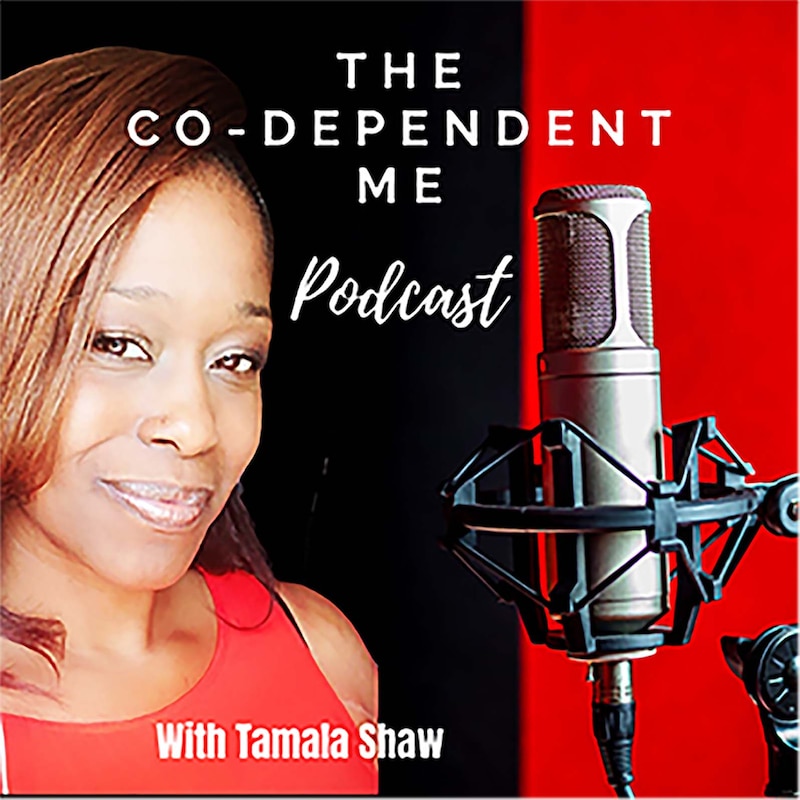
Shownotes
The episode provides an enriching exploration of the connection between trauma, creativity, and healing, as articulated by poet Nadine Ellis in her conversation with host Tamala Shaw. Nadine shares her journey of self-discovery and artistic development, revealing how her past—marked by familial discord and emotional turbulence—has profoundly influenced her poetic voice. The dialogue unfolds with Nadine recounting her experiences as a child in an abusive household, where the absence of emotional support propelled her into a lifelong quest for self-expression through writing. As she discusses the publication of her latest collection, 'The Gray Between', Nadine invites listeners into a world where poetry serves as both a refuge and a means of processing complex emotions. The themes within her work—such as grief, acceptance, and the complexities of love—resonate with universal experiences, offering solace and understanding to those grappling with their own challenges. This episode underscores the importance of storytelling and artistic expression as vital tools for healing and connection, reminding us that even amidst pain, there exists the potential for growth and transformation.
Transcripts
Foreign.
Speaker A:Welcome to the Codependent Me podcast.
Speaker A:I am your host, Tamela Shaw, a recovering codependent, the co author of God Turn Mommy's Wine Into Water, and I'm a certified life coach.
Speaker A:On this podcast, we discuss a lot of relevant topics.
Speaker A:But the podcast was created to increase the awareness of codependency and to give information on how to live a more holistic life.
Speaker A:Welcome to the Codependent Me podcast.
Speaker A:I am your host, Tamla Shaw.
Speaker A:And today we have, I think, for the first time on the Codependent Me podcast, a poet.
Speaker A:Oh.
Speaker A:A published poet.
Speaker A:And she is an amazing individual.
Speaker A:We just had some time together.
Speaker A:Her name is Nadine Ellis.
Speaker A:Welcome to the show, Nadine.
Speaker B:Thank you very much, Tamela.
Speaker B:It's a pleasure to be.
Speaker A:Absolutely.
Speaker A:And I want the audience to know that you are so wonderful because it is a little after midnight, her time, so she stayed awake for us, you guys.
Speaker A:So let's.
Speaker A:Let's give her all the time and give her all the love.
Speaker A:And I so appreciate you being here.
Speaker B:Thank you for having me.
Speaker A:Absolutely.
Speaker A:So, Nadine, tell us a little bit about you.
Speaker A:And we clearly hear from your accent that you are from Australia.
Speaker A:Right.
Speaker A:So tell us a little bit about.
Speaker A:About you and where you're from, all.
Speaker B:Of those good things.
Speaker B:So I'm.
Speaker B:I'm Australian.
Speaker B:I'm based in South Australia.
Speaker B:So we're down like the bottom.
Speaker B:I'm a mother of four daughters.
Speaker B:They're all sort of grown up now.
Speaker B:I'm a radiographer by trade.
Speaker B:Recently retired university academics.
Speaker B:So I used to teach into medical radiation, so University of South Australia.
Speaker B:So I did that for like 12 years.
Speaker B:So at the end of June, that was it.
Speaker B:So now I can write poetry to my heart's content.
Speaker B:And I. Yeah, it's just.
Speaker B:It's such a lovely sort of feeling to have that freedom of choice.
Speaker B:And I think now, I was just saying to you off air before that I've just turned 60 as well, so I really sort of feel like my time is now.
Speaker B:Yeah.
Speaker B:Like, I. I don't feel that I have to answer to so many people as I used to when I was younger.
Speaker B:And now I can make time for myself and for my own needs and.
Speaker A:Yeah.
Speaker B:And, yeah, it's a juggle sometimes, but I think now I feel like I have direction where there's more peace and clarity in my life, which is really good.
Speaker B:And I've just recently had my new book come out, so that came out in July.
Speaker B:Yes.
Speaker B:The Gray Between.
Speaker A:Yes.
Speaker A:I love it.
Speaker B:That's been A very surreal sort of moment for me to sort of see basically like 30 odd years of my writings come out in one collection.
Speaker B:So that's been a lovely sort of opportunity.
Speaker B:I'm also autistic, so recently diagnosed when I turned 58.
Speaker B:So that was a bit of a life moment for me.
Speaker B:So having a formal diagnosis, diagnosis of what was basically happening to me all my life and not really knowing.
Speaker A:Wow.
Speaker B:So that was different.
Speaker B:Like it doesn't change anything per se.
Speaker A:Right, right.
Speaker B:But it gave me clarity and, and it gave me an opportunity to sort of find a community where I felt not normal.
Speaker B:Normal is probably not like it's your tribe.
Speaker A:Right.
Speaker B:Yes, yes.
Speaker B:And it was like, oh, now that explains why everything was the way it was for me growing up and.
Speaker A:Right.
Speaker B:That that was an experience within itself.
Speaker B:So.
Speaker B:So I think all of these sort of things have kind of just come to fruition and I'm at that point in my, in my life where everything's okay.
Speaker B:I can cope with things now.
Speaker A:It's had a higher understanding of you.
Speaker A:Of.
Speaker B:Right, yeah.
Speaker B:So, yeah.
Speaker B:And so basically for me, writing has always been like my lifeline.
Speaker B:So.
Speaker B:And I'm just, I just feel really blessed now that I can spend more time doing it and that I can also reach other people in the process.
Speaker B:Yeah.
Speaker B:So.
Speaker B:Yeah.
Speaker A:Yeah.
Speaker A:That's beautiful.
Speaker A:That's beautiful.
Speaker A:So you.
Speaker A:We were speaking earlier because, you know, I love poetry and I was talking about how poetry was big for me in the 90s and you said that's kind of when you started.
Speaker A:So you can poetry even from then up until now.
Speaker A:And you've placed it in this beautiful book.
Speaker B:Yes, book.
Speaker A:And I want the audience to be able to hear that again.
Speaker A:The book is called the Gray Between.
Speaker A:Right.
Speaker A:So what can they find when they go purchase the Gray Between?
Speaker B:Wow.
Speaker B:Yeah.
Speaker B:So, well, basically I, I write about everyday life, so a lot of it is probably the trauma that we all experience in everyday life.
Speaker B:So for me, the book is my documentation of probably the last 30 odd years.
Speaker B:Like I, I mentioned, it's sort of, it's my interactions with people, it's their impacts upon me.
Speaker B:I talk about like, well, the overarching themes within the book itself.
Speaker B:There's love, there's loss, there's grief, betrayal, acceptance, perseverance, all of those sort of feelings that we come up against or smash into us per se.
Speaker B:And my way of dealing with life in a poetic sort of expression for me especially like with being, you know, diversion, I always found it really difficult to actually express myself.
Speaker B:Verbally and although I was a very emotive person and still am, it was really.
Speaker B:It's always been really hard to sort of verbalize that.
Speaker B:And so for me, writing was like a form of therapy, which it still is, and where I could just get everything that was sort of going on in my head out onto the paper, and then I could step back and sort of be more objective about what I was experiencing.
Speaker B:And it so gave me that distance that I could actually then sort of see.
Speaker B:A lot of what was occurring wasn't necessarily my fault.
Speaker A:Right.
Speaker B:Or a lot of the time, it sort of was really just this sort of bouncing backwards and forwards between people.
Speaker B:You know, we do.
Speaker B:We respond with not knowing half the time.
Speaker B:And.
Speaker B:And I also had the ability, I think, in retrospect.
Speaker B:In retrospect, to be able to sort of realize that it's a lot of acceptance.
Speaker B:You kind of have to accept people at face value.
Speaker A:Yeah.
Speaker B:And I blessed enough to be able to sort of have sort of come to that realization early in life.
Speaker B:Well, when I say early in life, probably late 20s, that's about when it happens.
Speaker B:Yes.
Speaker A:Yeah, it's definitely about when it happens.
Speaker A:You know, it's kind of when you.
Speaker B:Tune in, having said that, though.
Speaker B:So I think a lot of people don't get it until much later.
Speaker B:So for me, it was.
Speaker B:I think it was good for me to sort of see that, and that helped me sort of resolve a lot of things along the way.
Speaker B:But, yeah, writing has always sort of been there.
Speaker B:So the book itself, it.
Speaker B:It's just these little vignettes of life.
Speaker B:Yeah.
Speaker B:That we can all relate to.
Speaker B:And.
Speaker B:Yeah, it's a good read.
Speaker B:It's a great gift book.
Speaker B:Just buy it and support.
Speaker A:I love it.
Speaker B:Yeah.
Speaker A:I mean, it's.
Speaker A:Because I know in it, you talk about, you know, emotions.
Speaker A:You talk about your.
Speaker A:The motherhood because you have children, relationships imploding, like, all of the different things that has happened in your life.
Speaker A:It's like this beautiful, poetic journal, right?
Speaker B:Yeah, yeah, yeah.
Speaker B:It's a life journey.
Speaker B:I mean, family members die, all sorts of stuff.
Speaker B:And these are things that we all experience, you know, and sometimes it's nice to sort of read something else that's.
Speaker B:Well, something that's happened to somebody else, you know, and you can connect with.
Speaker B:It vibrates.
Speaker B:Yeah, yeah.
Speaker B:And you're like, oh, yes.
Speaker B:You know, these things that I'm feeling, it's okay because she's feeling it too, or he's feeling it as well, or they're feeling it.
Speaker B:And so it's sort of that distance between each and every one of us sort of becomes smaller, you know, And I think sometimes it's nice to sort of have that connection, even at a distance, that you don't know someone personally, but that you connect.
Speaker B:Experience the things that they've experienced.
Speaker B:Yeah.
Speaker A:And you know that they're real people.
Speaker A:Right, Exactly.
Speaker A:It's not like it's a.
Speaker A:It's a doctor that wrote it and they.
Speaker A:They're putting it together from their studies.
Speaker A:Like, you actually live this.
Speaker A:You survive this.
Speaker B:Right.
Speaker A:You're.
Speaker A:You're healing from these particular things.
Speaker A:So it lets them know, you know, I can make it and they can go back to the book and the other things.
Speaker A:Because, of course, there may be something in one poem for what they're going through today, but a year from now, they may go back and read it again and it'd be a different poem.
Speaker A:You know, that's what I found in my own poetry, you know.
Speaker A:Oh, my gosh.
Speaker B:We bring our own life experiences to what we read.
Speaker B:And I think that's the beauty about poetry.
Speaker B:The poet.
Speaker B:And speaking for myself, we don't have to spell it out in black and white.
Speaker A:Yeah.
Speaker B:It's there.
Speaker B:And.
Speaker B:And I think the.
Speaker B:Like I said, the beauty in actually being able to read poetry is that you do.
Speaker B:You bring the reader, brings their life experience to the reading.
Speaker A:Yeah.
Speaker B:And these are where.
Speaker B:This is where things resonate with the reader, you know, and that's where you go, oh, I really love this poet.
Speaker B:Upon.
Speaker B:Because of something in it that goes, ah, yes, I can connect with that.
Speaker B:Yeah.
Speaker B:And even when.
Speaker B:If it triggers too, oh, perfect opportunity.
Speaker B:Because that's your body saying, hey, we've got issues we need to work out, you know, so even if something gets you and you think, oh, I'm uncomfortable reading this, it's like it's still a moment to embrace because that's your opportunity to grow.
Speaker A:Right.
Speaker B:And sort of, well, why am I feeling this way?
Speaker B:And it's like, it is.
Speaker B:It's time to maybe.
Speaker B:Oh, okay.
Speaker B:That's triggering.
Speaker B:So figure out why.
Speaker B:Yeah.
Speaker B:That work.
Speaker B:And it's your body saying, hey, hello.
Speaker A:So what made you pick up the pen the very first time?
Speaker B:Wow.
Speaker B:Well, this goes back to.
Speaker B:English is not my first language.
Speaker B:All right, so.
Speaker B:And I think probably the autism had a lot to do with it as well.
Speaker B:But I basically just didn't talk.
Speaker B:When I was really young, we spoke Russian at home.
Speaker B:And so I think probably the first few years, I would just point to things and.
Speaker B:And I really didn't start learning to.
Speaker B:To speak English until I actually started school.
Speaker B:And I still found it really hard to verbally communicate.
Speaker B:But as I learned to sort of write, I think very early on, I started jotting down things, and this sort of carried through to.
Speaker B:By the time I got to high school, I just used to journal and not.
Speaker B:Not particularly, you know, like the book and writing every day, like deidari sort of stuff.
Speaker B:I just used to write notes and.
Speaker B:And things that I'd hear people say, I'd write it down.
Speaker B:Or my experiences.
Speaker B:I'd write it down.
Speaker B:And I got to the point where it started becoming poetic and, like, I could get these emotive words onto paper.
Speaker B:And I think back, probably the poetry side of it.
Speaker B:I used to love ballet.
Speaker B:I wanted to be a ballet dancer when I was young.
Speaker B:And so Mum took me to ballet lessons, and I had this very sort of strict Russian ballet teacher.
Speaker B:And she sort of basically got all the mothers to buy poetry books for their children because she wanted to instill.
Speaker B:What's the word I'm trying to think of?
Speaker B:Oh, sorry, Brian has just gone.
Speaker B:Culture, okay.
Speaker B:She wanted to instill culture on.
Speaker B:On us little kids.
Speaker B:And so mom came home with this sort of Hilaire Belloc sort of cautionary tales.
Speaker B:And that was probably my first experience at sort of verse per se.
Speaker B:And I still got that book, too.
Speaker A:Oh, nice.
Speaker B:Yes.
Speaker B:But I think the real moment was probably in high school.
Speaker B:Okay.
Speaker B:And we had this sort of English teacher, and she pulled out these sort of old photocopies of E.E.
Speaker B:cummings and.
Speaker B:And Emily Dickinson, and we were reading them and it just went, that's what I want to do.
Speaker B:I want to be able to write like they do, that emotion.
Speaker B:And, oh, it just.
Speaker B:It just went, this is it.
Speaker B:This is it.
Speaker B:You know?
Speaker B:And from that moment on, I mean, I didn't really connect that that meant being a poet.
Speaker B:Right.
Speaker B:But it was being able to draw out that emotion.
Speaker B:And.
Speaker B:Oh, it was just.
Speaker B:It's just like this epiphany moment.
Speaker B:It really was.
Speaker B:And.
Speaker B:And then I.
Speaker B:That's, I think, probably where it drew me more to the poetic side of stuff.
Speaker B:And so I just kept writing, kept writing, kept writing, and then life went smack, you know, and it was my way of surviving things, just sort of.
Speaker B:And like I said, I probably did have people that I could talk to, but I never felt that I did.
Speaker A:Right.
Speaker B:So for me, you know, it was a very sort of insulated sort of way of being.
Speaker B:And the only way that I could get that through your pen, you know.
Speaker A:You are a survivor of childhood and marital abuse.
Speaker A:Did you want to talk about that a little bit?
Speaker B:Yeah, well, yeah, like I said, my father was European and it was a very much household where as a child you were very much like saying, but, you know, you didn't talk helped sort of me not talking.
Speaker B:But he was very quick to fly off the handle, very aggressive.
Speaker B:He, like if, you know, looking back, you sort of realized that he was very much in the midst of surviving World War II.
Speaker B:So he had that sort of post traumatic stress and very much into intergenerational sort of trauma.
Speaker B:So not condoning where he was coming from with his actions towards me, but I can understand where he was coming from.
Speaker B:So he was very verbally abusive, very emotionally and psychologically sort of abusive towards me.
Speaker B:My earliest sort of memories were of him basically constantly telling me how he couldn't wait till I was old enough to, to leave home and swearing at me in all these foreign different languages.
Speaker B:And he used to just smash into me.
Speaker B:He would just get so frustrated.
Speaker B:And I remember one time being a child trying to learn how to tie my shoelaces.
Speaker B:I was probably about 5 years old or whatever and he just got so angry with me because I just couldn't do it.
Speaker B:And I think that goes again back to being autistic and not having that sort of dexterity that sometimes sort of comes with it and just things like that.
Speaker B:And I always remember sort of getting into so much trouble and punished for things that I didn't actually do, my brother did, and I got blame for it.
Speaker B:And this was just time and time again.
Speaker B:So as much as I sort of said, you know, it's not me, it's not me, stop lying.
Speaker B:And it just, you know.
Speaker B:So eventually I left home at 17 and I had to basically wait until I could find a job to support myself so that I could do that.
Speaker B:So at 17 I could and I did.
Speaker B:And, and so there was this sort of, what's the word?
Speaker B:Estrangement per say for quite a while.
Speaker B:I mean, and that was okay.
Speaker B:I kind of lived life on my own terms.
Speaker B:I traveled overseas basically trying to get that distance and ended up living in Japan for a few years, which really wasn't far enough at the end that, you know, you just can't escape these things basically.
Speaker B:And he would, he would write me letters telling me how lonely he was and how I was a bad daughter, you know, crazy.
Speaker B:So even though I wasn't under that roof, I was still subjected to all this psychological sort of, oh, it just Went on and on.
Speaker B:Anyway, that went on for a while and I'll get back to that later.
Speaker B:But you know how like we marry our parents.
Speaker A:Yes.
Speaker B:Yeah.
Speaker B:Well, I thought I didn't, but it kind of did.
Speaker B:And.
Speaker B:Yeah.
Speaker B:So I eventually came back to, to Australia and married what I thought was a lovely person who turned out to be.
Speaker B:He, he was.
Speaker B:Had mental health issues, he was bipolar, turned out to be alcoholic.
Speaker B:Covered that all up very well at the time.
Speaker B:But then eventually that reared its ugly head and it was a very tough time for me at that point.
Speaker B:I had three children within three years and I was very young and I was being very much sort of emotionally and psychologically sort of mistreated.
Speaker B:A lot of shoving and spitting and things being thrown at me and all that sort of stuff.
Speaker B:So.
Speaker B:So yeah, time came where I realized what was going on.
Speaker B:And it's, it's one of those things that, you know, when you're in the midst of it, you don't see it.
Speaker B:You know, it's, it's.
Speaker B:It's like the.
Speaker B:To put the crayfish in the boiling pot of water, but put it in when it's not hot and just turn that heat up and let it start cooking.
Speaker A:Yeah.
Speaker B:And then when you realize it's too late, you know.
Speaker A:Yeah.
Speaker B:So it was kind of like one of those things.
Speaker B:And everyone was around me.
Speaker B:Like once I'd got out, everyone around me is like, well, why didn't you get out before that?
Speaker B:You know, and it's like, you know, where were you when you.
Speaker B:What was going on?
Speaker A:Yeah.
Speaker B:So, you know, it's one of those things.
Speaker B:Anyway, eventually I kind of.
Speaker B:I managed to, to get out and it's like it was really hard because he also was very financially controlling.
Speaker B:I had no income and, and, and I really feel for women that have kids that have no income and no way of getting help either is the.
Speaker A:Person that's in charge.
Speaker A:They will manipulate the situation.
Speaker B:Yeah.
Speaker B:So it's very much the sort of this.
Speaker B:What do you call it?
Speaker B:I can't think of the word at the moment.
Speaker B:No, it's lost me.
Speaker B:Sorry.
Speaker B:Okay.
Speaker B:My nighttime brain.
Speaker B:So like, no, I'm in bed sleeping.
Speaker A:I get it.
Speaker A:It's after me.
Speaker B:It's no problem.
Speaker B:Better life, better wife syndrome.
Speaker B:That's what I'm.
Speaker A:Oh, yes, yes, yes.
Speaker B:My third daughter, she's in her 30s now.
Speaker B:She's actually said to me the other day, we were having a quite a one on one chat and she said to me, why don't you just kick him out, you know, why don't you just keep the house and keep us kids?
Speaker B:Because like he threw me, he physically threw me out the house.
Speaker B:And it was a real contentious thing as far as the kids.
Speaker B:He was a lawyer, so it was very much like I just didn't have a hope in hell.
Speaker B:And, and it's like I would have if someone had actually said, this is what you should do.
Speaker B:No one said anything to me, you know, and it's like, and all my friends at the time suddenly became very much his.
Speaker B:And so, and my girlfriends were sleeping with him, you know, and it's like I had to cut them all off.
Speaker B:I had, I felt like I had no one.
Speaker A:But, you know, that's a lot of grief.
Speaker A:That's a lot of grief that you have to deal with.
Speaker B:Yeah, yeah, it was just an awful time.
Speaker B:I, I wrote things.
Speaker A:Absolutely.
Speaker B:It was very much my time to write what was going on.
Speaker B:I went back to school, I thought, I've got to educate myself, I need to be financially independent, I've got three young kids.
Speaker B:I need to be able to make enough money that I can put a roof over my head, feed myself and look after the kids.
Speaker A:So for me, after you dropping out, right, you, you stop, you left school, you left high school?
Speaker B:Yeah, yeah, yeah.
Speaker B:I finished our equivalent of year 11.
Speaker B:We have like year 11, year 12, year 12, psycho matriculation.
Speaker B:Then you gone to university.
Speaker B:I finished at year 11 because I went to dancing college and was a dancer for a while.
Speaker B:So I think it must have been like that was 16 when I, when I left.
Speaker B:Okay, go for that first year of dance college.
Speaker B:That was great.
Speaker B:Loved it.
Speaker B:But you know, needed money, needed to get out of the house.
Speaker B:So that's when I was 17 and then left.
Speaker B:But then by then I had these other little jobs and stuff so I could look after myself.
Speaker B:But yeah, high school gone at that point.
Speaker B:So it was like 20, 20 more years before I actually went back to high school.
Speaker B:And so I did year 11 again.
Speaker B:I did year 12 and basically I'm dropping my kids off at school, taking myself to school and then doing full time studies and then any break that I had, I'd sit there and I'd be doing all my homework and then finish school, go pick up my kids from school, take them home, feed them, help them with their homework, cook for them, bathe them, put them to bed and then I'd be doing my homework till probably at 1 o', clock, 2 o' clock in the morning, it's full on.
Speaker B:But I Did it.
Speaker B:And I got a really good entry to get into university.
Speaker B:I studied medical radiations, I became a radiographer, Divorced my first husband, met my second husband at university and we got married in between.
Speaker B:Well, actually second year we, we got engaged.
Speaker B:And then my third year, we got married in between final exams.
Speaker B:It was all, you know, it was great, but, but life suddenly was like, hey, this is good.
Speaker B:I, I, I've managed to start making my own way, you know, and, and everything kind of.
Speaker B:It's all.
Speaker B:It was hard.
Speaker B:It was hard, but it was in the right direction, you know.
Speaker B:But around just before I got into universities, when I actually started getting published with the poetry.
Speaker A:Okay.
Speaker B:And it was just, wow, you know, it's like people actually like what I write, you know, it's like, wow.
Speaker B:But it probably, it kind of took a back burner when I started working because at that point then we had a, with my new husband, had fourth child and life was pottering along.
Speaker B:And then this is where my father comes back into it.
Speaker B:One, I don't know.
Speaker B:My, my fourth child was probably about nine years old at this point.
Speaker B:The phone call at work and the doctor on the end says, oh, you know, your father, he's had these internal bleedings and he's been rushed to hospital and we've found that he's got stomach cancer and he has four days to live.
Speaker B:Oh my gosh.
Speaker B:And it's like, what?
Speaker B:You know.
Speaker B:And I sort of was talking to my husband and I said, you know what?
Speaker B:And he knew that we were very estranged and all of that.
Speaker B:And I said, I would like to bring him home and look after him and whatever time he has left.
Speaker B:And everyone thought I was crazy.
Speaker B:You know, why you want to do that?
Speaker B:And I thought, you know what?
Speaker B:I need to make peace with what's been going on.
Speaker B:I don't want him to die and me have regrets.
Speaker B:So it was for me, really, at the end of the day, it was my decision.
Speaker B:This was something I needed to do for myself so that when he died I could live with myself, you know, and I could come to peace with whatever thereafter.
Speaker B:And we ended up getting six weeks out of him before he did die.
Speaker A:Oh, wow.
Speaker B:And they were challenging weeks, but for the first time, he, we were like a family unit.
Speaker B:You know, we would have meals together, we'd sit at the table, we'd talk about the day's events.
Speaker B:He would come with me to pick up my daughter from school, which he never did when we were kids, things like that.
Speaker B:You know, he suddenly could see how a proper family unit should be.
Speaker B:And this goes back to, like, with him when I was young.
Speaker B:He just didn't have the capacity to be a parent or to look after me or nurture me in the way that I needed to.
Speaker B:He just didn't have the skill set.
Speaker B:And.
Speaker B:And I was able to see that and recognize that.
Speaker B:So it's kind of like I didn't have to sit there and say, hey, why did you do this to me all these years?
Speaker B:Or.
Speaker B:Or.
Speaker B:Or feel that I had to forgive him or anything like that or condone his behavior.
Speaker B:It was like just a realization that he was damaged goods to start with.
Speaker B:Yeah.
Speaker B:And it just, you know, progress through the family or the generations.
Speaker B:And I had the ability to say, well, that stops here.
Speaker B:I know that I can care for people that I'm supposed to.
Speaker B:And just by bringing him into my home and giving him that care, I knew that I had the capacity to do it.
Speaker B:And that was what I needed to heal, I guess.
Speaker B:Absolutely.
Speaker B:That relationship.
Speaker B:But then when he died, I was okay.
Speaker B:I was at peace.
Speaker B:I said exactly what you needed to do.
Speaker B:Yeah.
Speaker B:And.
Speaker B:And I wrote all through those six weeks, every day I would write what was going on, how I was feeling.
Speaker B:Poems came out of it.
Speaker B:And that again, writing has always been there.
Speaker B:It's been like my.
Speaker B:My backbone, my lifeline, my therapy.
Speaker B:And.
Speaker B:And then the ability to then mold those little moments into some words is probably a gift that I can give back.
Speaker B:That beautiful feel like I've been going.
Speaker A:Well, no, you're fine.
Speaker A:You are just fine.
Speaker A:I love it.
Speaker A:I. I was reading a book.
Speaker A:I can't quite remember the name of it, but it's by Nedrick Lover and Nedrick Lover to.
Speaker A:But she talks about how your.
Speaker A:We don't realize when we're looking at our parents and the trauma that they may have given that they had a life as well.
Speaker A:And that drama, that trauma was probably passed on to them and they poured it over us because they didn't know any better.
Speaker B:You know, that intergenerational.
Speaker A:Absolutely.
Speaker A:For sure.
Speaker A:So it's wonderful that you were able to, you know, do what you needed to do for your piece with your dad before he left.
Speaker A:Right.
Speaker B:Yeah.
Speaker B:Yeah, that's.
Speaker B:Yeah.
Speaker B:And.
Speaker B:Yeah.
Speaker B:Yeah.
Speaker B:You know, and I think.
Speaker B:And historically, a lot of children of abusive parents tend to do.
Speaker B:Or not just abusive parents, but abusive relationships tend to actually be the caregivers later in life for them.
Speaker B:And for whatever reason I see it now.
Speaker B:I understand where that is coming from because for.
Speaker B:For my own self I knew why I did it.
Speaker B:So, yeah, I can relate to that now.
Speaker B:And I think a lot of the things that we do, we have to do for ourselves so that at the end of the day, we can keep moving forward.
Speaker A:Absolutely, absolutely.
Speaker A:And I, you know, I was going to ask you, did poetry save your life?
Speaker A:But we can tell it is.
Speaker B:Right?
Speaker A:It led you to.
Speaker B:And like I said to you, it still is.
Speaker B:And it still is.
Speaker B:Yes.
Speaker A:I mean, I think that is so.
Speaker A:It's so beautiful to have the ability and to take the time to write through your pain and your trauma to get to your recovery.
Speaker A:I think that is absolutely beautiful.
Speaker A:And you were saying that you had a poem about.
Speaker B:Oh, yeah.
Speaker A:About codependency.
Speaker A:I would love for you to read it, if you don't mind.
Speaker B:Yes.
Speaker B:Yeah, Give it to the audience.
Speaker B:It's not Heavy Trigger anyone.
Speaker B:This is called Return Feelings.
Speaker B:Back when Rob and I dwelled together, cohered in coexistence.
Speaker B:We co cooked and co took the dog out for runs.
Speaker B:Rob trained her to race footpaths alongside the beetle.
Speaker B:We drove fast.
Speaker B:I watched expressions as the dog pelted through people.
Speaker B:This mad dog from nowhere.
Speaker B:And then she'd whip the corner as fast as she disappeared.
Speaker B:Their faces popped with magic.
Speaker B:But with every trick hover's illusion behind the wheel, Rob tugged alchemy strings.
Speaker B:And one day when Rob was caring for feelings of mine while I fluffed his after a quick wash somewhere, some feelings dropped and in the exchange, the dog lapped them up to drizzle down some drain ease to see.
Speaker B:And I remember seeing someone else wearing my feelings once when we took the dog for a run to the beach.
Speaker A:I love that.
Speaker A:Oh, my gosh, that is beautiful.
Speaker A:Oh, thank you for that.
Speaker A:Thank you so much.
Speaker A:No, I think, oh, audience, if you want more of that, you can have it.
Speaker B:That's right.
Speaker A:The gray between.
Speaker A:Oh.
Speaker A:So today, as of right now, I know you've had so many things that may have gone on in life, and now you're getting to this peaceful era.
Speaker A:Right.
Speaker A:So what inspires you to write today?
Speaker B:Oh, look, I think I just got into such a lovely sort of habit of jotting down things.
Speaker B:And it's not always like, I don't need to be writing poetry.
Speaker B:It's just my way of.
Speaker B:At the end of the day, if I hear an interesting word or I overhear a little conversation or something like that, or I've literally had something happen, like, I write it down and.
Speaker B:And I've got this sort of collection of all these books where there's just lots and lots and lots of writing or just words or things.
Speaker B:And.
Speaker B:And then I can like, oh, I feel like actually putting something together today, and I'll pull it out and I'll kind of start making a poem.
Speaker B:You know, it's such.
Speaker B:Just this joyful moment for me.
Speaker B:But it.
Speaker B:Look, it's no different than someone wanting to paint or to knit or crochet or do sort of handicrafts or cook or even sort of garden plant flowers.
Speaker B:It's like it's finding those tiny little things in life that bring us joy.
Speaker B:And I think we all need those sort of quiet moments that we can just concentrate, zone into the moment, be peaceful within ourselves, and just let the world sort of do its own thing.
Speaker B:And I think being mindful of the moment, it's what, you know, if we all need to sort of try and find something that gives us that.
Speaker B:And for me, it is writing and it's writing poetry, but we all have that capacity.
Speaker B:We just need to be quiet and sort of centered and find something that brings you joy.
Speaker B:And I would just recommend that, you know, we don't have to be poets, we don't have to be artists, but the things that gave us joy when we were children, children are often the things that we need to sort of go back to and so draw on those.
Speaker B:And I think that's what really gives us strength and resilience and the ability to keep moving forward and enjoy life.
Speaker B:Those are the months we need to find.
Speaker A:Absolutely.
Speaker A:Absolutely.
Speaker A:So I didn't think about this question in this way.
Speaker A:So for me, like, when I write, like you said, it allows you to kind of step outside of the picture, to see things.
Speaker A:So for me, it makes it easier for me to forgive.
Speaker A:Right.
Speaker A:So it's because when.
Speaker A:When a person is having a hard time forgiving, they're still very emotional.
Speaker A:They're still very into it.
Speaker A:Right.
Speaker A:They're still very capsulized inside of it.
Speaker A:So do you find as though it's easier for you to forgive?
Speaker A:Like, even with your dad, how did that work?
Speaker A:Did you guys have the conversation?
Speaker A:Were you able to just forgive?
Speaker A:Because, of course, forgiving is not for the other person, it's for you.
Speaker B:Exactly.
Speaker B:Yeah.
Speaker A:A conversation may not even be needed.
Speaker A:Right?
Speaker B:Yeah, I. I didn't have the conversation.
Speaker B:I didn't need to have the conversation because I knew that conversation would get me nowhere.
Speaker B:It's like some people, you will never get through to them.
Speaker B:And I think it's the ability to recognize who you can get through to.
Speaker B:And who you can't and when to walk away.
Speaker B:And for me, I knew that that was just a waste of my energy.
Speaker B:And like, as I explained to you before, the whole process of bringing him in, it wasn't to.
Speaker B:Well, it was to.
Speaker B:To give him some peace and look after him, but it was more for myself.
Speaker B:It is something I had to do to give me that peace.
Speaker B:So it wasn't that.
Speaker B:Like I said, I wasn't condoning his behavior.
Speaker B:It wasn't anything like that.
Speaker B:But I understood where that behavior had come from and that was the difference.
Speaker B:I think I had that sort of ability to sort of go, well, he's just a complete response of growing up and having that upon him that he didn't know any better, you know, so it was an acceptance, an acceptance of who he is or was, but it didn't.
Speaker B:Again, it's not condoning his actions.
Speaker B:So I'm not saying it's okay.
Speaker B:What he did, it wasn't okay.
Speaker B:But I didn't need to have that, that moment to say, hey, why did you do this?
Speaker B:Or for me to say like, you know, I forgive you, or whatever.
Speaker B:We didn't.
Speaker B:I don't feel like I needed to.
Speaker B:So some people do, and I'm not discounting that.
Speaker B:Some people need to sort of have that confrontational moment or that moment of forgiveness.
Speaker B:Great, do.
Speaker B:Do what, what you need to do.
Speaker B:But for me, I didn't need that.
Speaker B:And I think that's the.
Speaker B:Been the difference for me.
Speaker B:I have this ability to.
Speaker B:To just accept people for who they are and now realize that if they're not good for me, they can grow, you know, and.
Speaker B:And being the age that I'm at now, I'm okay sort of saying that, you know, or saying no or, yes, I can do that for you, but I want this in.
Speaker B:In exchange or.
Speaker B:And I think that comes with time and confidence in ourselves.
Speaker B:That took a long time for me to get to where I am.
Speaker B:So hang in there, people.
Speaker B:You'll get there.
Speaker A:It will happen.
Speaker B:It will happen.
Speaker B:But I think, yeah, you've got to sort of realize what is going on around you and realize that you can't change people, but we have the ability to enable them.
Speaker B:And, and it's okay if you're in the midst of pain and stuff happening to you.
Speaker B:It's okay to feel sad, to feel your emotions, to feel like you're pained or whatever.
Speaker B:But we all have the ability to either let that define who we are or make a conscious decision and say, well, I know this is bad for me.
Speaker B:I've had my moment of wallowing.
Speaker B:I'm going to move through it.
Speaker B:That is what defines you, that moment where you decide to go forward.
Speaker B:So.
Speaker B:And we all have that.
Speaker B:But it's the little things along the way that can help us.
Speaker B:So it's either finding your community, finding people to sort of be able to communicate your needs, to saying, hey, I need help, seeking professional assistance where you need it, going to therapy, finding those little things that give us that moments of joy.
Speaker B:All of these things help buoy us.
Speaker B:And I think listening to podcasts, you know, reading books.
Speaker B:Yes.
Speaker B:Don't be afraid to ask for help.
Speaker B:And I think at the end of the day, if you see something going on, say something.
Speaker B:And I think for me, a lot of my pain suffering could have been alleviated or modified if my friends had said, hey, listen, you look like you're in the midst of a really toxic relationship.
Speaker B:Those sort of moments, if you see it, say it.
Speaker B:And I think you will help someone.
Speaker A:If you see something, say something.
Speaker A:I completely agree.
Speaker A:Completely agree.
Speaker A:So where can they find the gray between?
Speaker B:Oh, okay.
Speaker B:So look, it's available globally on Amazon, Barnes and Noble in the States as well.
Speaker B:You can get it from.
Speaker B:Direct from the publisher as well.
Speaker B:That's Hill of content publishing.
Speaker B:Yeah.
Speaker B:So it's out there.
Speaker B:It's easily accessed.
Speaker A:That is phenomenal.
Speaker A:And go on her website.
Speaker A:It is nadine ellis.com.
Speaker A:follow her on Instagram.
Speaker A:It is Nadine Ellis poetry.
Speaker A:Do all that you can.
Speaker A:She's so full of peace, so full of knowledge, so full of.
Speaker A:Of love that I absolutely have so enjoyed talking to you today.
Speaker B:Thank you so much.
Speaker A:It's been so good.
Speaker A:I ask all of my guests, if you could give the audience one more nugget, what would it be?
Speaker B:Oh, okay.
Speaker B:I think that this is what I live by.
Speaker B:Tomorrow is a new day.
Speaker B:All right?
Speaker B:It is your opportunity to start afresh.
Speaker B:So whatever you've experienced, however traumatic or painful, tomorrow is a new day.
Speaker B:And be kind to yourself.
Speaker A:Oh, yes, for sure.
Speaker A:For sure.
Speaker A:Nadine, thank you so much for being on the show.
Speaker B:Thank you.
Speaker B:My pleasure.
Speaker A:Oh, this has been so, so wonderful.
Speaker A:So wonderful audience.
Speaker A:I want you to know that I am clear that you could be on any podcast that you wanted, but you chose this one, and I am grateful.
Speaker A:And I want you to.
Speaker A:I want you to remember that you matter and your story matters.
Speaker A:Nadine is a prime example.
Speaker A:You matter and your story matters.
Speaker A:So always get out there, be proud.
Speaker A:Tell what's going on.
Speaker A:Tell people, Hi.
Speaker A:Where you were, how you got there and to where you are today.
Speaker A:Always, always, always, never be ashamed and don't take any judgment.
Speaker A:People can give it, you don't have to take it.
Speaker A:And until next time, me and Nadine are going to say goodbye.
Speaker A:Bye.
Speaker A:Have a great day.
Speaker A:I truly understand that time is valuable, so thanks for listening.
Speaker A:Be sure to check us out on our Facebook page, like us on Instagram website codependentme.org and if you need a coach, email [email protected].
