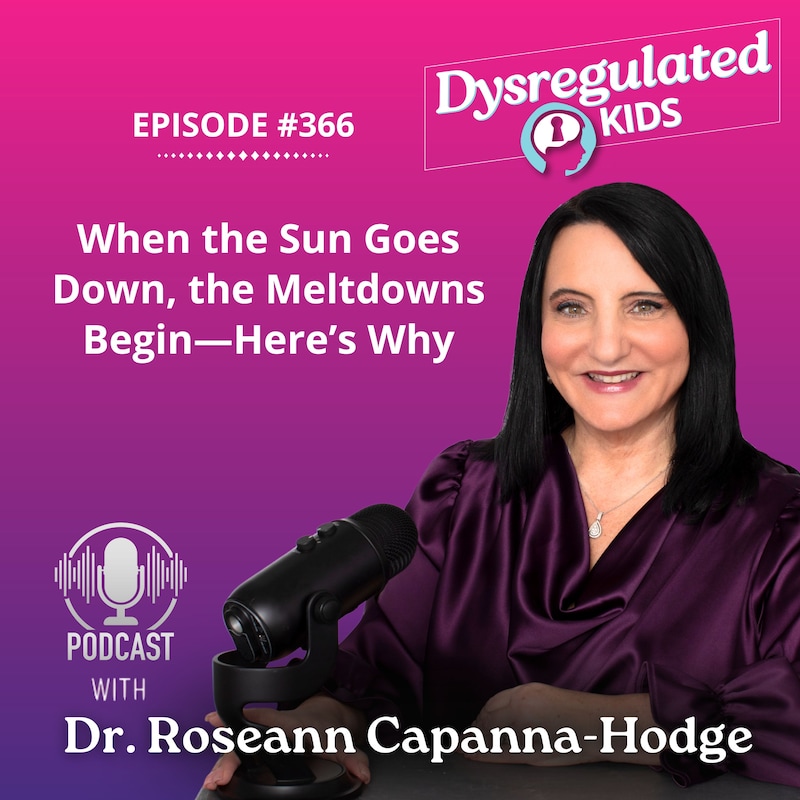
Nighttime meltdowns can leave parents feeling exhausted and confused, especially when their child seemed calm all day. In this episode, I explain why nighttime meltdowns happen when the nervous system finally exhales and share Regulation First Parenting™ strategies to help kids feel safe, connected, and ready for rest.
Many parents assume bedtime struggles are about defiance, but that's often not the case. Understanding the root cause of nighttime meltdowns can transform bedtime from a battle into an opportunity for connection and regulation.
In this episode, you'll learn:
• Why nighttime meltdowns often happen after a full day of stress and stimulation
• How anxiety, sensory overload, and emotional exhaustion contribute to bedtime struggles
• Why co-regulation works better than lectures or consequences
• Practical ways to support emotional regulation before bed
When the day ends, a child's nervous system may finally release the stress it has been carrying. This can show up as:
• Irritability and emotional outbursts
• Bedtime resistance and avoidance
• Anxiety and reassurance-seeking behaviors
• Increased sensitivity to everyday frustrations
Evening [meltdowns] aren't about bad behavior. They're often signs that a child is overwhelmed and needs support.
How can you help?
• Start calming routines 30 minutes before bedtime
• Lower lights, reduce noise, and limit screens
• Use gentle connection through humor, hugs, or quiet conversation
• Focus on regulation before correction
You can't lecture a dysregulated brain into calm.
Behavior is communication.
It's not bad behavior—it's a dysregulated brain.
A simple shift you can make tonight:
• Lead with calm before giving instructions
• Validate feelings before solving problems
• Teach coping skills through practice and repetition
• Stay consistent with bedtime routines
Common triggers for nighttime meltdowns include:
• Sensory overload from lights, sounds, or devices
• Unexpected changes in routine
• Anxiety about school, friendships, or daily stressors
• Parent fatigue and co-dysregulation
Struggling to help your child calm down quickly?
Try Quick CALM, a science-backed mini course designed to settle your child's nervous system and reduce meltdowns fast.
For long-term success:
• Use tailored strategies based on your child's age and triggers
• Support healthy sleep routines and coping skills
• Monitor patterns and adjust routines as needed
• Seek professional support when meltdowns become severe or persistent
By staying calm, modeling coping skills, and reinforcing positive behaviors, you can help your child manage emotions, reduce stress, and sleep more peacefully.
Get the FREE Regulation Rescue Kit and learn practical tools for handling difficult parenting moments.
Become a Dysregulation Insider VIP at www.drroseann.com/newsletter
Need a personalized plan? Use the free Solution Matcher to discover brain-based support for ADHD, anxiety, OCD, mood challenges, and emotional dysregulation:
www.drroseann.com/help
Dr. Roseann Capanna-Hodge helps parents understand meltdowns and oppositional behavior through nervous system regulation and co-regulation techniques using her Regulation First Parenting™ approach.