Shownotes
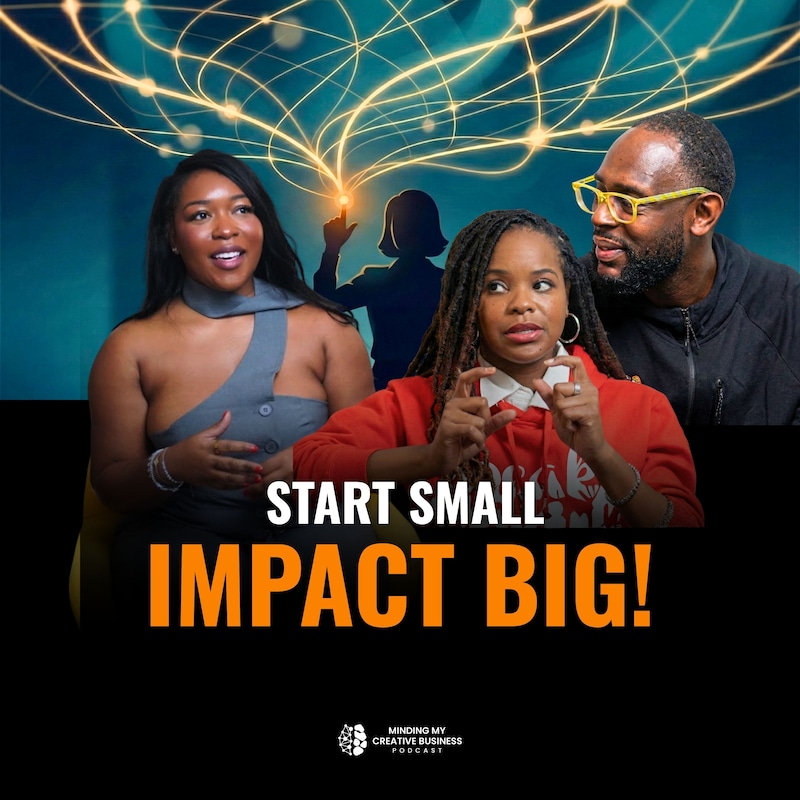
In this podcast episode, we delve into the transformative journey of Shadira Nesmith, co-founder of Stacked Up Academy, who passionately advocates for early exposure of youth to technology and essential skills such as financial literacy and coding. With a wealth of experience in the educational technology sector, Shadira articulates her commitment to bridging the gap for students, ensuring they acquire relevant skills that will empower them in their future endeavors. We explore the innovative initiatives she has introduced, including engaging products designed for young learners, and her vision for the upcoming Stacked Up Con, a conference aimed at immersing children in the world of technology. Through her insights, we aim to highlight the importance of nurturing confidence in both young learners and adult professionals as they navigate the evolving landscape of technology. Join us as we unpack the significance of intentionality, community engagement, and the belief that every child deserves the opportunity to thrive in a tech-driven world.
Takeaways:
- The significance of early exposure to technology is paramount for children's future success.
- Building confidence in students is essential for their development in tech-related fields.
- Stacked Up Academy provides engaging learning experiences for youth, integrating coding and financial literacy.
- Creativity in teaching methods, such as nursery rhymes, fosters a deeper understanding of complex terms.
- Networking and outreach are vital for expanding opportunities within educational programs.
- Focusing on specific age groups allows for the development of tailored educational materials and experiences.
Links referenced in this episode:
Additional Links & Resources:
• Creative to CEO Challenge: https://creativetoceochallenge.com/ – gain clarity, confidence & strategy to turn your creative gifts into consistent income.
• Business Funding: https://creditsavant.io/ – secure funding for your creative business.
• Creativepreneur Gear: https://whatstheirony.com/ – apparel for the creative entrepreneur.
• Creative’s Corner Newsletter: Sign up at https://mmcbpodcast.com/ for monthly tips & mindset shifts in under 5 minutes.
👥 Connect with Shadeira
• Facebook: @StackedUpAcademy
• Instagram: @StackedUpAcademy
• TikTok: @StackedUpAcademy
• Website: StackedUpAcademy.com
👍 Join Our Community
• Listen to the show: https://feeds.captivate.fm/mmcbpodcast/
• Website & inquiries: https://mmcbpodcast.com/ | [email protected]
• Follow us:
• Facebook: @mindingmycreativebusiness
• Instagram: @mindingmycreativebusiness
• TikTok: @mindingmycreativebusiness
We’re Ron & ShySpeaks—two music industry creators marching to the beat of entrepreneurship. Each week we share insights, mistakes, and strategies to help creative professionals build small businesses and scale like CEOs. Drop a comment with your biggest takeaway, like if you found value, and subscribe for more creative entrepreneur tips!
Transcripts
Everything that I have written has happened. I've been in the ed tech space for about eight years now.
Being able to work with students as young as four years old and adult learners in the age of 60 plus working to help them transition into tech roles. A lot of times just being able to build that confidence is just believing that you will be able to do that.
I just knew I needed to learn tech because I knew tech was growing. I'm on Google every day like companies that teach kids how to learn tech and that was how I started to find roles within that.
As soon as I learned in this school is either being taken away or it's not being learned into a skill where they can go into the real world with. At Stackon, we're not teaching them the basics of anything.
These are like actual things that any products or things that they created at the workshop they can use to get a job in.
Ron "iRonic" Lee Jr.:Based on you listening to this podcast, you're probably a creative entrepreneur who's ready to stop hustling for clients and start building a business that runs on purpose, profit and peace.
ShySpeaks:If that's you, we want to invite you to join the Creative to CEO Challenge, a five day live coaching experience designed to help you shift your mindset and develop the habits to turn your creativity into consistent cash flow.
Ron "iRonic" Lee Jr.:And it's all happening live on Zoom inside a private community of ambitious creative entrepreneurs just like you. People who are done guessing, done grinding and ready to build with clarity and confidence.
ShySpeaks:By the end of the challenge you will have a crystal clear direction on your next 90 days. A profit plan that fits your lifestyle and the framework to start earning 10k plus months doing what you love without burning out or selling out.
Ron "iRonic" Lee Jr.:So if that sounds like what you need then tap the link in the description or scan a QR code if you're watching this on screen. And do not forget to upgrade to VIP for bonus coaching and behind the scenes Q and A every day of the challenge with me and Shy.
ShySpeaks:We can't wait to help you unlock CEO mode and the freedom you've been looking for. Now let's get back to the episode.
Ron "iRonic" Lee Jr.:Welcome, welcome and welcome to the Minding My Creative Business Podcast. The number one podcast for creative entrepreneurs to learn strategy, structure and self development. I am one of your lovely hosts.
ShySpeaks:Ron ironically Jr. And I am your host Shy Speaks.
And this is going to be a fire episode because I have the distinct fire privilege of introducing someone who has We've not had this type of thing on here so this is going to be cool. So I always say this is going to be my favorite, but I love, love, love anybody that does anything in the realm of youth.
So this person who I'm about to introduce that you can see, but I'm making, I feel like one and lovely with this intro is a co founder of Stacked Up Academy and Stacked Up Con, which is all about tech. It's all about co coding. She's also a software developer instructor extraordinaire. Without further ado, y', all, welcome. Ms. Shadera.
Thank you so much.
Shadeira Nesmith:Thank you for having me. I'm so excited.
Ron "iRonic" Lee Jr.:Thank you for being here. So that's how we will introduce you. So how would you introduce yourself?
Shadeira Nesmith:Okay. Hi. So my name is Shadira Nesmith. I am the co founder of Stacked Up Academy and also our conference event Stack on.
And I'm also a software developer instructor. So I've been in the edtech space for about eight years now.
So being able to work with students as young as four years old and adult learners in the age of 60 plus, so working to help them transition into tech roles or even helping them just have some digital literacy skills for the roles that they're already in that start to evolve into doing a lot of tech.
And my main focus with working with the youth is to get them early exposure into technology, financial literacy, graphic design, to just get them more exposed to hands on things and how can they pivot into, you know, the roles that they want to have in the future? Because everything that we're teaching is going to be in every career field that they even enter.
So when they want to pivot into something else in a job that they have or just have their own business as well, these are skills that will really elevate that for them.
ShySpeaks:Okay.
Ron "iRonic" Lee Jr.:Yeah.
ShySpeaks:Just ready to elevate the next generation. Y' all. See what I'm saying? Okay. I love it. So that's, that's pretty much how you introduce yourself.
Ron "iRonic" Lee Jr.:Now.
ShySpeaks:I'm sure if I was someone who's watching, I'm a creative entrepreneur. I'm like, is this, is this particular episode pertaining to me?
Well, yes, if you're actually, you do any business or any service or any non profit, anything like that that kind of focuses on youth, I do think you should lean in. But also if you are interested in the realm of tech, you're, you're a creative entrepreneur and you're into design.
Whether it's web design, app design, graphic design, like any of those type of design oriented, I think you should lean in and so, but want to, I want to Just kind of get into your story a little bit, right?
So before we get into Stacked Up Academy and Stacked Up Con, which I'm really excited to hear about, I just want to know, like, how do you even get to the point, right where you say, we want to start Stacked Up Academy, I want to start helping you.
Like I, I kind of get it on the helping adult side, your software developer instructor, that's you're probably helping adults in business and stuff like that, which we can talk about that. But how do you get to the point where we say we're going to start Stacked Up Academy? Where does that come?
Shadeira Nesmith:So I think mainly for the last eight years of my just career journey, I majored in communications and I minored in computer science.
During my year, my first year minoring computer science because I wasn't always minoring when I first started, I changed my degree, my minor, my major probably like four times in college before I got into communications. And that's how I've been able to even educate or just be able to speak up in front of stages or just be in front of a classroom of students.
And then the computer science part came from the technical part where I was able to teach tech. So that first year that I was in my minor, I was like, you know what? How can I elevate this minor that I have here?
And what am I going to be doing with technology? Because the idea was never to be a software developer or some type of engineer because I'd never heard about those fields before.
as growing. And this was like:And that was my first experience seeing young black girls and their parents that are working at these big tech companies, having their daughters there and learning about technology. So that's kind of how I started to pivot into entering different fields and programs, finding, like anywhere, like I'm on Google every day.
Like companies that teach kids how to learn tech, companies that teach kids how to learn tech, programs that have technology for kids and different things like that. And that was how I started to find roles within that. Because computer science wasn't really big in school yet.
So schools didn't have a computer science class as like a math class, an English class, different things like that. So this didn't.
They didn't start having computer science classes full like actually in the curriculum until probably like 20, 21 where they were, like, actually implemented into, like, every school system. So that's when I started to apply for roles, to teach computer science and so on. Then I was like, you know what? This is a really.
I see this growing into something. And then I remember one day I was on Twitter and a former high school. Someone I went to high school with had tweeted, like, hey, I wanna.
They were just like, tweeting randomly like, hey, I want to do teach about financial literacy for kids. And I messaged her and I was like, we should do something together.
Because I've been thinking about doing something with code, but I knew I didn't want to do it by myself because I've worked in. I've had own, like, businesses before, and I've been seeing, like, you just move better with a team.
And I messaged her that day and she said, let's go. And we met that next week. And ever since then, we just been growing. Stacked Up Academy.
Ron "iRonic" Lee Jr.:Yeah, no, that. That move better with a team. We can attest to that, right? This podcast wouldn't be what it is if not a team. Right?
You know, Shy was doing her thing, I was doing my thing, and we was like, yo, we should come together. And we definitely have seen it progress and grow as a result of that. So now that's. That's dope.
ShySpeaks:Y' all better eat that up right now. You move better with a team. I think a lot of times people get stuck in, like, solo. Solo mode because they don't even embrace that reality. That's a.
That is. We say it's a fact, but it's a belief. You have to first believe it first that things will be better with the team. And.
And you just said it so fluently and so effortlessly.
And so eventually, some people don't even have the ability to start expanding out and branching out and even hiring other people and bringing people partnerships because they just feel like, I got to do it all myself. But you. You embrace that so, so easily. So I just want to shout out to you for that. So.
Okay, so that's how you come to the conclusion that we're going to build a Stacked Up Academy. So let's talk about what are. Like, most of the time, we talk about business, we talk about offers. Like, we have a. Like an offer framework.
Like, but what is it that you all offer? Right, we know something with coding, but how would you put it? Or how would the other co founders define what it is that you offer with the academy?
Shadeira Nesmith: irst launched, we launched in:So you would have a HTML coding language. And if kids had the cards, they would be able to find different words in HTML and actually be able to build a website with that, that knowledge.
And then for the financial literacy part was like an introduction. So what is a dow? What is a net profit? What is a credit card? And different things like that.
So just learning terms and financial literacy before even getting to the next step because a lot of us don't even know words that are spoke about ipo, different things like that. So learning those different terms. And then with graphic design, we had Photoshop.
So all of the tools that you would use in Photoshop and what that tool will be used for, whether you want to edit a picture, whether you design a logo, and different things like that. So when we first launched, it was kind of like, okay, we have this good thing, let's just put it out. And then it was like just flat.
And they were like, they're like, who doesn't want to learn? Like what is going on? So then we, we realized that a lot of things were just like changing just in all of our lives and stuff like that.
So we, we took a break, we took a three year break and we came back together and we're like, something. I, I started to feel something. I said, you know what?
There, there's so much growth within this space and especially me still working at education and just being so many different places. I said, we should do something different. Like we should launch something where kids are actually able to come to us and learn.
Like we, we even thought about making it a school that I'm like, I'm not, I can't do that. Like, it's too much. So I was like, but we need a space where kids can come to, to learn.
And then also we need something where we're not just trying to like, we have to be more niche. And I think that's something that people talk about too. Not knowing what, who you're speaking to or what you're doing.
A lot of people be like, oh, I do this for this person. Adults and kids and grandpas and grandmas and like, no, we have to just say we do this for kids.
Because a lot of, when we first started, a lot of adults were hitting us up like, oh, we want to learn too. We want to do this and we're like, yeah sure, everybody come in.
Then we were like, we can't do that because then it takes away from us being able to build a solid curriculum that. Because now we're trying to build a curriculum for adult and a curriculum for a kid and then all this different things.
So I think for us it was really just being able to bring it down to like one thing of the age level that we wanted to do what we wanted to build. And I was just sitting, I'm like, oh, you know, I want to build a book or something.
So that's when we came up with building an ABC book and targeting that age group of 1 years old and up and not only making it where they're able to learn these terms, but we also turned it into a nursery rhyme so that they're able to kind of have fun with it as well. So those are the two products that we offer with Stacked Up Academy is our flash flashcards and our, our ABC books.
And then under Stacked Up Academy we launched a non profit this year, statcon, where now they're able to actually have an event every summer where we'll have a two day event where the kids can come in and actually learn those skills hands on. So just being able to dive in and work on those skills that we, we offer.
Ron "iRonic" Lee Jr.:Right. All right, so let me get this straight. You said the, the ABC book.
Shadeira Nesmith:Yes.
Ron "iRonic" Lee Jr.:That's for ages 1 year old. So you're teaching 1 year olds 12 months in into the world coding terminology. Yes, that's. See that.
And I love it because it's like I would never think that, yeah, I would never think that someone that young could comprehend and understand. So geo. That's.
ShySpeaks:Yeah. Well what made you guys want to say yeah, this is. Yeah, yeah.
Shadeira Nesmith:I think it's so funny because we, we talked about this before and when we first were developing the book we had like, we had definitions. I'm reading this book and we're reading it and we're like these, the, the words are already hard.
So now you add it in these definitions and it's like we want them to be able to understand or be able to comprehend this, but we're like what would make this book something that a 1 year old not only can comprehend but as well just learn from. So that's when we decided to turn it into a nursery rhyme. Now it's like a sing along type of learning to what you know, the word is.
So for instance for my book I have, for the coding book, the first word is a for app. And then the definition is like, tap, tap, tap, open up an app. Finding your lap. So different things like that to be able to understand.
And they know they have an iPad or a tablet and they tap on it. They tap on an app, they have a game, they have a song, they have YouTube, different things like that. So it's able to integrate.
Like, how do we get it to make it more fun? The books are very colorful, so they're able to see those different colors as well.
So not only are they learning these words, they're learning their colors. They're learning, you know, different things like that. And I think that's how we kind of came into that place.
And then we're like, actually we should put this on YouTube too. So not only make it in a book, making it something that kids can watch on YouTube to learn those terms.
Ron "iRonic" Lee Jr.:Yeah, no, and I'm glad that you clarified it because I'm thinking, I'm like, I'm, I'm thinking of the complex terms and definitions.
But no, you're saying, okay, we've simplified it for, for the age to where, where we still teach them the terminology, but we're putting it in a way to where they can digest it and receive it. And then I'm assuming as you. As they get older.
Shadeira Nesmith:Yep.
Ron "iRonic" Lee Jr.:Okay. Then it's age appropriate and goes from there. So then your, your, your, your business model. Right? Is that. Wow, that's. That's dope. Because.
Yeah, it's like, it's a, it's a value ladder. Right.
So it's like, okay, we get them young and then once they get to the next age of the next stage, we have, have another book or we have other flashcards or another product and service, then they go to the next age. Then we can, you know, dive in a little bit more.
Shadeira Nesmith:Conference.
Ron "iRonic" Lee Jr.:Yeah, yeah.
ShySpeaks:And how, how old is the conference? How old do they need to be to come to the conference? Because I'm obviously one year old can come.
Shadeira Nesmith:But so our. When we first launched the conference, we.
ShySpeaks:I'm sorry, you see me, I just, I had an epiphany too. Like, I'm like, I have to make it clear why we consider we have running out. We have artists, makers, movers, shakers.
It's something we saw from an article shout out to the article of defining whether these are creative entrepreneur.
And the reason why we were like, we agree with that is because movers are people who are maybe they own dance studios, choreography teams and so forth. So on their movers in some kind of way, maybe karate, gym class or something, you know, and then we have shakers.
Those are people who are coaches, life coaches maybe, maybe caterers, maybe, you know, and people are like, that's really not a creative entrepreneur. But you just clearly you. I mean, you've made it so clear that why a. Someone who's in the space, like you, you know, like a coach, right?
But you're more. So this, this academy, there's a creativity to it. And so you're like, okay, how can I teach this? You created a nursery.
Like you have to come up with a nursery rhyme just to serve the demographic. Like, like we just not going to roll past how that was kind of fire. I got to want the book. I feel like I'm on you, you know what I mean?
So I just want to, I want to shout out to the creativity that comes with being even like the director of a nonprofit, just being a shaker in that regard. And there's the creativity there. So anyway, we were going to go back to.
We have the books from 1 year old, 2 year, 3 year old and then eventually they're able to come to stock stack con or stacked up Con.
Shadeira Nesmith:So yeah, so yeah, so we. The age that we first initially started with was about 8 to 14.
But when we had the conference, people were hitting us up like, oh, my kid is about to be eight in five months. My kid is about to be eight. And so we had seven year olds there as well. So that was as young as we had.
And for it to be that age group, they were so excited. They were there like, oh, this feels like school, but like a fun school. Like they were just so.
And they were learning and they were participating and engaging so. Well, like even my brother and my cousin, they have a sewing company called so Much Fun and we had them there as well.
And the kids made pillows from scratch. So they had fabric and they had the cotton.
And to see 7 year olds sit there and be able to sew on a sewing machine, not needle and thread a sewing machine and create the. These things that, that someone who is older couldn't even comprehend how to do it.
So I think for us we were like, okay, that age group, even seven, because sometimes some kids are really advanced, some kids are a little more just still learning different things. So we were like, we still can target that young.
So that opened us up to being like, hey, we can have 7 year olds here that we probably thought wouldn't be able to do these things that they were able to do.
ShySpeaks:Okay. So man, fact of Con, it goes from seven to what age to about 14. About 14. Okay, cool, cool.
Ron "iRonic" Lee Jr.:That's, that's, that's a seven year window to where okay we can impact these young people and once again just progressively get better with them from an impact standpoint.
But then I'm thinking from a business standpoint, right, where it's like, okay, that's seven years to where once again we can provide product or services that's filling, that's meeting the need, but that we can also monetize.
Shadeira Nesmith:Yeah.
ShySpeaks:And, and right now I know that stacked up con, it's a, it's the non pro, it's a non profit. But that doesn't mean that there's no cost to this conference.
If I'm someone who's watching and I'm creative entrepreneur and I'm like maybe a designer, something like that. But my child, I want them to be like creative in the realm of engineering and coding and software.
And I want them so I want them to come to stack.com how much does it cost?
Shadeira Nesmith:So for the two day conference it would be a hundred dollars. We also did where people can come for one day and that was $50.
But we also did something that was mainly the main revenue of it where we had people sponsor kids. So like hey, do you want to sponsor a kid to come to statcon or do you want to sponsor a group of students that you have to come there?
And people were able to sponsor and we were able to sponsor 30 out of 50 kids to come to Statcon.
Ron "iRonic" Lee Jr.:Dope.
ShySpeaks:I love it. Yeah. All right, so we're gonna talk a little business right quick. A little numbers, a little, little system, little strategy, little system.
So there was a strategy that was there, right. Which is a lot of times like I have a nonprofit or you know, and also you all have for profit reasons as well. But it's like, how can I do this?
There's a pricing strategy that you just talked about which was we could just say it's $100 and if you don't have $100, you can't get in. You create it like no, we're going to make it to where you have a one day pass because you either come to Saturday or Sunday.
I don't know whether days. Well that's, that's already one thing not everybody does.
Some conferences if you can't pay the full thing, you just can't up, you know, there's no day passes. So I like that. Also I want to kind of take a peek around the curtain of where stacked up con is going and kind of do the numbers.
Because sometimes nonprofit is like, I can't come up with money. I can't come up with money. But if. How many people in the. In the future, the next con, how many students are you looking to serve?
Shadeira Nesmith:So we're looking to serve about 100 to 200 students in the next one. If it's was to be bigger, we would be open to it.
But ideally working with kids for the last eight years off and on, having a space of that many children and being responsible for those many people kids would be a lot.
But I think just having the right again a team, having a team of people being able to help and just regulate different things would be super helpful because we even had volunteers at the event and then we had people who were other educators at the event. And even even being able to like a kid was acting up. They take them out the room like, hey, like this is not school, but this is. You're learning.
So let's act like we're somewhere where we're learning. So being in that space, we do hope to expand, to be able to touch and reach all of those students.
I think even what we realize is with the kids, they were like, oh, oh, we'll be here tomorrow. I said, there's no tomorrow. This was two days. You gotta go. So I think. But we're. We're really excited to see where it can grow and where it can go.
Especially seeing like other conferences is. But being different, working with kids opposed to like an adult can be like, I can come and go.
Opposed to us having kids and the parents have to drop them off. It's just many different layers to working with children rather than working with, you know, adults to have something like this.
ShySpeaks:Yeah, okay, that's a, That's a really, really great point. I also, I asked about how many you looking to serve because I was trying to see where's the revenue in this. Right. And so there is.
But then you kind of got into the logistics, which don't get me started because I love little logistics because we gotta. That that is true. When you have a conference. Like for example, I'm gonna say this. We're filming this season of the podcast in Houston. We haven't.
I think we've. Some may have mentioned that.
Ron "iRonic" Lee Jr.:Yeah, one guess.
ShySpeaks:Well, he was. There was one guy was saying he's from. Okay, so cool. So we're in Houston, but we're not just in Houston.
We're in Houston during the time frame of Afrotech. And so Shadira was actually one of the speakers or workshop facilitators at Afrote. And so you're there at the conference.
So you know what it means to be in the conference where it's adults.
to plan programming from like:So you're going to have to either plan programmer, you got to plan lunch. Is the lunch going to be a fun lunch? Programming, you're going to let. What are we going to do here?
So that's an example of thinking about the logistics of things and how it, you know, I mean, you really have to figure out how this is going to be a will or a machine based on the group that we're serving. The other thing I was thinking is, okay, so we have, let's say we get 200 students and they're all paying a hundred dollars. Right? We're at.
How much is that, Ryan? We runs the handy dandy calculator.
Ron "iRonic" Lee Jr.:I know, we could do it quick with, you know. Yeah, 200 times, huh?
ShySpeaks:Which is because you're not going to run the rest of these numbers.
Ron "iRonic" Lee Jr.:20,000.
ShySpeaks:20,000, right. So yeah, we brought in $20,000 into the nonprofit.
And then of course, if we can, some of them were sponsored because you talked about that as a pricing. I'm not pricing, but a revenue strategy. Some people's parents are not able to pay that. But let's say we only get. We got 150 people registered.
We still need to fill these 50 slots. You're saying we can reach out to different entities, People. Entities to ask if they want to sponsor children.
And then once we sponsor children, we can let them know. So I like that too. So y' all don't miss that part. But we just brought in 20,000.
And a lot of times nonprofit profits, like, how can I bring in some funds? How can I bring in some funds? But you just created something to serve them for two days and you brought in some funds.
And especially if you have access to a facility that's not super expensive as a non profit. Now you did. These kids can't leave. So you got to pay for the food and stuff like that.
Or you got to pay for, you know, or you got to create something else. Can we create something where the parents come back for the parents? We don't hit, you know, whatever.
But I just wanted to say, I just wanted to bring up that those two parts, which is like a revenue generation and then like the logistics of it. What are you thinking as I'm talking?
Shadeira Nesmith:Yeah. So as we went into that we were lucky enough to the space that we had it at was completely free. So we got the space for free.
So and then when it came to food, we also got the food sponsored as well for free. So those were two big revenue costs that we like threw out completely.
So though I think when we being that this is our first year with this non profit, we weren't really looking. We haven't applied for like grant or funding for the non profit or anything just yet.
But when we were looking into to how would we like make money or how would we pay ourselves. So for this first one, us as co founders didn't get paid.
So ideally when we started to, when we first launched the conference and stuff and people were buying tickets, we weren't meeting our numbers at the dates that we had set. Like okay, by this date we want this many kids or by this date we want that many kids or we want this much money or anything like that.
So then we had to draw back and I said, I don't care about the money anymore. I need the kids here.
So then that's when I took the pivot to start reaching out to organizations that had kids like oh, UT teach girls or you have a program just for guys or you have a school. And I would reach out to schools in different places.
I said, hey, can we have 10 kids come to Statcomper Freight and we'll figure out how to get them paid for and different things like that. So that was like our main strategy after that. And it was more so about the impact rather than the money.
And it's like as we grow we can worry about like what the finances and revenue will look like. But right now we have to show the value in what we are creating and what we're doing.
And if we can show the kids there, we could have the kids talk about the fun they had and things that they created. That would be really what that's what the real revenue is for us. So that was like our main thing there.
And I think going into like that next space or that next, that that next year, now we have something to show for. It's like now we're not just talking about it, we showing what we're doing and then going from there.
Even our instructors, we paid our instructors a lot of times.
When you're going to these conferences and you're doing things, especially really big conferences, everybody's not getting paid to speak or do these different things. And that was another thing for me.
I said, we have to pay everybody that's coming here to teach, no matter what, because I know from my standpoint and different things. So that was another thing of. For us to make sure that we had enough to pay everyone that was coming there as well.
ShySpeaks:Right?
Ron "iRonic" Lee Jr.:No, that's dope. Now, I don't know who's about to go, but just young people, because I have an affinity for young people.
So I don't know if you touched on, like, why young people. I know you kind of said that's been your lane of these. Like, okay, now let's kind of stay here.
You know, adults was asking us, well, now we want to stay here. Why for you working with that demographic or developing products and services for that demographic, why is that important to you?
Or where did that come from?
Shadeira Nesmith:I think for me over the years is I see that with what children are learning, a lot of them are getting left behind, and they're getting left behind further than the previous years. And that's because they're using things but not knowing how or why they're using them.
So for us, that age group was really important to target because being in a space as an adult and having conversations with so many people and learning about things, like even thinking about things in tech, and people don't even know the keys on a keyboard. And it's like, those are things that you should have learned in middle school when you had a typing class.
Because I know I had a typing class and I was always behind in the typing class. So even just understanding those different things and.
And it's like some of the things that students are learning in school is either being taken away or it's not being learned into a skill where they can go into the real world with. So even at statcon, these are not. We're not teaching them the basics of anything.
These are, like, actual things that any products or things that they created at the workshop they can use to get a job in. So we had high school students, like, develop a website in Python. So say they wanted to be a developer. They can put that on their portfolio now.
So those were the type of things that we were thinking about, like, okay, even though these kids might not get a job tomorrow, at least we have something that they can that sticks with them, that they can get a job in maybe, you know, the next 15 years. Or so, so that that age group is. So that we don't.
We make sure that nobody gets left behind within this world of everything just changing and evolving so fast. Especially with our financial literacy pillar.
It's like a lot of our, our, the parents that we had there, the kids were learning things that their parents didn't even know about or words or terms or anything like that. So for us it's like we don't want that next generation to be.
Not say, like, be like their parents, but we don't want them to be left behind within that skill set or that knowledge that we're having.
So the earlier that we get them, the, the earlier that they're able to consume this information and it sticks with them because when you learn stuff later, it doesn't stick as much as when you're a kid. So we can, we can teach them something that sticks with them. That's something that's really important for us.
ShySpeaks:You're not just an entrepreneur, you're a creative entrepreneur, which means that your world of business works differently, especially when it comes to funding.
Okay, maybe you're bootstrapping, you know, injecting your own money into your passion or you're searching for investors who all too often overlook your unique vision. And yeah, you've heard a little bit about business credit, but you don't know exactly where to get started. Well, listen, we've got you your back.
We've partnered with Credit Savant to help creative entrepreneurs just like you get access to up to $150,000 in business credit. That's right, $150,000 to scale your creative based business into the enterprise that you know that it can be.
And trust me, they're not just going to throw information at you and send you on your way. They're going to walk hand in hand with you to help you get funded. Are you ready to take the next next step? Well, head over to credit Savant I.O.
that's credit Savant I.O. and tell them MMCB sent you. See, I was gonna go a different direction with it because.
But I was going to emphasize what you're saying about you weren't so much worried about the income as it relates to as you were the impact which you should be with the con. Right. Because the con is the, the non nonprofit and is driven by mission. And so we definitely know it takes funds to do the mission.
But more so there was a passion for that. But now with the Stacked Up Academy. Right, Stacked Up Academy is, is for profit. Right. And so how do you, what Is your. How do you guys have revenue?
How do you bring in revenue and stack of Academy?
Shadeira Nesmith:So mainly as of right now being like this being our like first year really back in business and actually creating the products. We would do vending so we'll vend certain places and people would buy the there. We also promote through Instagram.
We also have an e commerce site where people can buy things on and different things like that. Even for us, that would be our main source is our products.
So now because it's been so many conversations that I've had with so many people back and forth and people like, oh, you should make, you know, Stacked Up Academy a nonprofit. And it's been thoughts of like, okay, yeah, let's do that. But that was before Stack Con came about. So I was like, yeah, maybe we should.
Then I, I said no, I'm not going to do that. Because now what we can also do with Stacked Up Academy, we could change it into a digital education product as well.
So say we want to sell it to someone. Now we're able to sell this, this business that we have.
So that was kind of like my main thing of not wanting to make it into a nonprofit, but also having a nonprofit of some sort. And that's why we came up with, with the workshop event. But our revenue generation would be our products.
So like, like we just talked about like the, that next step would be. So we have ABC book from 1 to 5 if you want to get it older because the words are pretty advanced, they can.
But then we would have another product that would be for a different age group from that 6 to 10. And we would create another product that can be for that, that high school level. So now each of these products are like a learning age.
So at 1 you would have this, at 7 you would have this. And at 14 you would have this.
So we're creating a revenue model where the parents have to keep buying from us to be able to get their kid to each level and step to make that learning. So the learning in each product that we have gets more advanced based on what we have.
Ron "iRonic" Lee Jr.:And I'm glad that you didn't like cave into transition it fully into the nonprofit because a lot of times with, with education services and businesses, people feel as though they have to do the nonprofit thing and organization. Get me wrong, I love the nonprofit. I'm in that space. But I also see the benefit of the for profit. And when you think about organizations like a.
What is it Kuman? They do the tutoring. That's not a Nonprofit is a for profit entity. They charge you for their product and services. So I commend you for that.
And you can exist. Both worlds can be. It's not a either or, it's both and you know what I'm saying? So I see you with that and.
ShySpeaks:I want to, I wanted to commend that as well from a, from a. Even from a structure perspective. You're. You're understanding the model. Like right now we have the books and primarily the what nursery rhyme.
The other products we have. But as we begin to add more digital suite here. So you have a str. You. You kept it structured so that you can continue to add on to the product suite.
And realizing that this is something that people think about how can I scale, scale, scale. But sometimes you need to be thinking about how can I sell, sell. Right. And that's a different thing.
We talked about that on, on one of the episodes with Sergey the dj. He was able to buy a business. But you, you were the first one talking about keeping it in a business structure.
So that as we begin to continue to add all these tools and these books are going and these, you know, like, like the Bernstein Bears. I don't know, they're probably not a nonprofit, but they have a whole series, you know, y' all know the Bernstein Bears. Okay.
So I just want to make sure the Bernstein thing. They're so. But they may have. I don't know if they're nonprofit. It may be. But they have a whole. Yeah, Dick deep thing.
You know, they may even somebody else may can buy that whole brand and you know, a business model. So I love that. I think that creative entrepreneurs need to keep things structured.
I need to structure it in such a way that I cannot just sell it, but I mean scale it, but I could also sell it. Right.
So this is something that somebody may be able to look at, appraise and say, say maybe coupon may be able to look at it and say I love this whole model.
We do in person tutoring and we focus on whatever, but we actually want to open up another vertical where we focus strictly on training our children into tech. And this is a really great platform with books and digital curriculum.
And so we're just going to buy from you guys for one point, whatever a two point or five point, however much they appraised it at. Right. Million she said. I like that. If you try something like that, I see the smile, you know.
And so yeah, so I think about that and I think people don't think about str. It's like, well why do I need to have structure? Why do I need to have things this way?
You need to have it this way because you it, it didn't take it to get started. But you're going to need this if you're going to ever want to sell it.
If I'm looking at your company, your creative based business, can I say it's already, well, it has a target market which is what she's been talking about. It has a value ladder within it, which is rope Ron pointed out they're there. There's a way for me to determine how valuable it is.
About how many books are you all selling, how many whatever, what, what all the product suite entails, how many digital products are selling and then how much does it cost to run it? You know, as far as staff and salary.
I can look at this and say if you're you like maybe it may be tired, maybe you, maybe the founders want to go in a different direction and spark of me energy, family transitions. I think that this is valuable you that well, we can't get to a value if we don't have things in place.
And so I just think that's really, really, really important to, to emphasize right there.
Now I want to talk about something because you were talking about, you know, being the first year of the con, you going to the second year of the con and so Stacked Up Academy. So people may be like, okay, well where's, where's the, where's the revenue? You know what I mean?
And we mentioned this earlier, but I do want to say that some of the revenue that you have access to is not necessarily just tied up to the for profit as well, but being a software, a software developer instructor because we've talked a lot about the youth with Stacked Up Academy. But as an instructor you're able to teach the adults over there and that's what you're talking about.
So with regard to, as I was looking, we were looking into what you have going on. You're able to teach these the same skill that you're, you're exposing children to.
You're able to train people who are in corporate spaces or in educational spaces. Tell, tell us about maybe a contract that you have and what you, what you're doing doing there.
Shadeira Nesmith:Yeah, so recently I worked with a company called LaunchCode and with that company it was like a third party with Comcast. So what I did is we had like a six month program where we were able to train Comcast employees to be software developers.
So these employees were people that may have been like, they would call them frontline employees. So they would go in if you had something with your cable box or anything, but like Verizon products.
So now these, these people are coming into a space to learn how to build these products that they were initially fixing. And then now what that looks like is they have a six month program and these people are learning to be developers.
And what Comcast did for them, which was really unique because I've worked with other programs in the past where they learn how to develop these softwares and these products and then once they finish the program, it's like, okay, now find your job.
So with this, Comcast had it where as soon as they finish the five months, they were able to enter into an apprenticeship where now they were all hired by a certain specific team that they want to work with. They interviewed, they did this, and then after that they finished that they were able to get into full time roles as software developers at Comcast.
So even working with programs like that that actually have a direction for the students, like you're learning, you're practicing in the real world, what it looks like now you have this full time role where you're able to develop.
And I think it's just really important for adults to have that type of pivot instead of like people are learning these skills, they're getting certifications as people are telling them that's all you need. And now they're applying for these jobs and not able to get these jobs. So what is that next step?
So that was kind of like where I also been looking into more spaces that are like, have guaranteed opportunities for these adults. And every time I talk to someone, I was like, okay, a question I have is, do you guarantee adults jobs for these adults that are taking this program?
So that's really important to me.
And seeing that pivot, especially working with the kids and knowing that our end goal is for them to be somewhere whether that's, you know, again, entrepreneur, whether that's working for a company. Because I tell people all the time, I said, you know, you can work for a company and work your way up to be the CEO of that company.
And I think a lot of people don't look at the pivots that they can do in a 9 to 5. It's a crazy pivot you could take in a 9 to 5 if you work hard enough to be there.
And I think that's why a lot of people try to step into creating their own business because they don't realize that there's A pivot within that 9 to 5 space as well.
ShySpeaks:Wow, that's so true. Like you want to be, you want to be a CEO? Well, won't you be a CEO over here? Oh, you don't want to put in the work to be a CEO over here. Got you now.
No, but, but, and ultimately you're going to have to put in the CEO. You're going to have to put in the work. Especially once you become a creative entrepreneur, you become a founder of a thing.
And that is actually a good place for us to talk about the creative to CEO challenge.
A lot of people think I'm just going to start my business and I'm the CEO of my own, which means you're the head of the situation and nobody can tell you what to do and you kind of control all of this. But you're not minding your creative business like a CEO. And so what.
That's why Ron and I, we've put together a creative to CEO challenge to get you to lean into that CEO mode. Right. We want you to actually be able to run the business from a high level perspective.
As some people will say, you're going to be working on the business and not in the business. In this challenge, you're going to be able to have of, you know me, I, you don't have access to 5 days of live coaching with Ron.
And both of us and me.
Ron "iRonic" Lee Jr.:Okay, we're good. No, you know, you know, I think is that, is that strategy, structure and self development for the challenge. The essence, sustainability.
Because that's what it is. It's like, okay, we can give you all the strategy, all the structure, but we want you to be able to sustain. Right?
So we're taking you through five days and you're going to walk away with literally a blueprint to take you from where you are now to where you're trying to get to as a creative entrepreneur. So I would encourage you today, sign up for the challenge.
ShySpeaks:Yes. Today we just want to invite. Because that was really a good point. So you want to be a business, but let's mind your business as a CEO.
Literally a blueprint. You all, we all, we have a lot of. You can walk away with a lot, I'm telling you. But anyway, let's just get, let's just keep it going.
So before we get ready to get out of here, I just wanted to like, and I said get out of this interview. Right? Get out of here.
But I just wanted to talk about how you're able to get those contracts within the As a, as a developer, even being here teaching a workshop, you're able to teach workshops in the education space as well from some of the things that you do with Stacked Up Academy. Right. You're able to teach in the education space. Let's talk about that.
Shadeira Nesmith:Yeah, so what we would also do is now that we're able to have these products or have these different things with Stacked Up Academy.
Ideally what we would want is for people to be like, hey, you have this product, we have the school, can we buy this product and have it in our school or implement anything?
Or now, because during my career of teaching and stuff, I worked for a lot of after school programs that were either, you know, the business structure of being a for profit or a nonprofit. And I would go to teach at that, the after school programs and different things like that.
So that also helped me to be like, hey, I could just do this for, for myself and hire people to do what I have been doing all these years or anything like that. So what it would look like as well, like we develop curriculum too.
So if a school wants to buy curriculum, whether we make it a physical curriculum or a digital curriculum or anything like that, and then working with those schools, so what, what it would look like is us just being active online as well and people reaching out to us. A lot of our colleagues contracts for like Stacked Up Academy has come from word of mouth.
So people actually hearing other people talk about us and seeing the work that we're doing. And we actually did a news interview about three weeks ago and people were finding out about us from there as well.
So even people just seeing us in different spaces and all of that, those opportunities came from me reaching out, just hitting people up like, hey, hey, hey. And I've gained the, I would say confidence to be told no or be ignored because at this point it's like, well, just move on to the next person.
Because I've had a lot of yeses. So those yeses have helped me to keep pushing through all of the no's and different things like that.
And then even as a software development instructor and getting contracts and teaching adults and different things like that, those would be opportunities where either I would, I would apply for something that I see and I'm like, okay. Then I would, you know, go through the whole interview process or people would Find me on LinkedIn and reached out through there as well.
So a lot of times on LinkedIn I tell people too, like, having a LinkedIn and being active on LinkedIn I think is super important.
When you're looking for those roles and I, I know a lot of people who are active on Instagram and they show their creativity on Instagram and get roles through that as well. So I think people need to start utilizing the social media space as much as they can because your audience is, is much bigger.
But being in person places too has elevated my career and also stacked up Academy as well because when we were able to vend at different places, that's how we meet a lot of foot traffic that might not be online every day because we do have a whole society that is not online like people think we are and those people are, you know, out and about and just, you know, wanting to learn about like different things. So we've gained a big audience that way as well.
Ron "iRonic" Lee Jr.:So you're telling me that I, I got to get out the house. I can't just, I just can't stand the house. I can't hide behind my screen.
I got to get out and connect with people, touch people, let people see me talk and interact and engage. Now as a creative, right, sometimes us creators can be introverted, right? So and you may not even have an answer to this.
I'm just curious like as an introvert, how could a, how could we encourage a creative entrepreneur that just wants to create their business in their home to encourage them to get out? But I guess you just said it's like you got to get out. Like that creates those opportunities. Go ahead.
ShySpeaks:I don't know if what her answer was going to be, but this goes back to why you need a. Because maybe you, maybe somebody that's on her co founder board, maybe they are the introvert. That don't mean they're not a co founder.
They're still a co founder of Stackers Academy. They're sending out the girl who was into communication. So you're just talking. So we still.
She's the one that's out at the in person event doing the workshops and speaking. So somebody, you have to have representation from your company. Is that what you're going to say or are you going to say something?
Shadeira Nesmith:So what I was going to say is that that's a great point because that's something that also is super important.
Important because what, what's crazy is I, before I came to down here I was having a conversation with my mom and I was saying, yeah, I'm an introvert or whatever. She's like, no you're not. I said, yes, I am. Because you have people that, that you'll talk about me too.
And they'd be like, I've never heard her speak. Like she's been around. She's never talked. I didn't even know she, she talked different things like that.
And my mother would say, she's like, you're not an introvert. You just put your int. Energy in specific places. Because introverts wouldn't be able to be on a stage at Afro Tech.
Introverts wouldn't be able to do these, you know, speaking engagements or be able to teach or just different things or have these conversations with people.
So I realized that it's really about, I think also when it comes to being out in the public, most times, like I'm not out and I'm not walking up to people like, hey, I have this product. Come look at my table. I wait till somebody comes to the table and speaks to me, then I give them the information.
So that also plays a big part in the.
ShySpeaks:Into that.
Shadeira Nesmith:But even with my two co founders, like, we also would. We all have a different skill set of how we like, you know, talk to people or be personal with people.
Because some people might be like, oh, she's really cheery or she's really this or she's really that.
So they'll, they'll pick and pull who they, they like best out of the three of us based off of like how we greet them or how many times we said hi or ask them if they're okay. So it really just all depends on that as well. But I think mainly I feel like the word introvert, now that I'm thinking about it.
I feel like a lot of us use it and say we are, but we're really not until we get into certain spaces where people are able to really like have a conversation with us and talk to us and different things like that.
ShySpeaks:So yeah, yeah, that's a whole nother topic on introvert.
Shadeira Nesmith:Yeah.
ShySpeaks:Because I think I, I agree with you too. The more you think about it, like you're operating this way.
Like, for example, you're, you're operating, you're at a conference, you're, you're speaking the workshop speaker. You're, you're training people for six straight at company companies. You're talking to these people, right? You are doing those things.
But you were thinking, why I'm an introvert. But it's like, I don't even know if I really believe in introvert, extrovert or more because I think this is stuff that people come up with.
And he sounding good, but it's like, you know, you can put Your energy, wherever you want to put your energy. So we think about, for example, most people who are performers and stuff like that.
Like they say, say that like I, I don't know her, but they say I'm in Houston. They say Beyonce is like an introvert, but it's like, is that true? You know what I'm saying? Like, or Jackie Hill Perry would say that she's an intro.
You know, I don't know if she would say that, but she might come across as an introvert, but she's very much. But it's, we, we, it's really about where we choose to put our focus in our energy. I also am not as talkative as people would think.
Like, like I'm in, I'm giving my energy here. When I'm on stage, I'm giving my energy. But there are people who feel like the same way. Like, oh, she talk.
They, they really ask my, they ask my publicist that. She don't really say much. Shot speaks. She ain't speaking. It just at the time that you saw me, it wasn't the time and place for that.
So anyway, I just think, you know, so I, I, I agree with you.
Shadeira Nesmith:And I think to add to that, when they compare introverts to extroverts, I've or this, these words they come up with also with extroverts, they feed off of others as well. So they, they like to be, to be around this high energy or people just doing these things.
And I think the introvert part of things, like the energy is placed where it wants to be placed. The extra work and elevate in any space. Like they can be in any space and fill the, and gain energy from that.
But for me, I don't gain energy from the outside of things. It's like where I put the energy at. So I'm putting the energy into those spaces that, you know, I want to be in.
ShySpeaks:Now you balance the conversations because some people gonna be like, no, there isn't such thing as for the extrovert. What you didn't bring up is the energy that you extract from the environment. You are true and, and you are right in what you're saying.
This which is like, this person is bubbly. You don't have to be bubbly to be a extrovert. You know what I'm saying? So, and you don't have to be, you can be an introvert.
And like there are some people who are quiet, but they're always out and about because they, they draw energy from that side. I thank you for bringing that, bringing that look at the teaching right here. I already instructor. Okay, so.
All right, so before we get out of here, I want to ask you as relates to seeing yourself a certain way in the sense of being able to do this stuff. Like, this is a perfect place to talk about it. Like I said, it was about to get out here a while ago.
But this is my last question because I always talk about self development, right? And, and self development is going to be the piece that's going to help you have a sustainable anything.
There's more to sustainability and self development, but that there's that, right? So the question question is you could easy, easily take the coding skills that you have, right? And just be like, okay, I'm gonna just go get a job.
Because that way I don't have to be on stage talking people. I don't have to do a workshop. I don't have to.
So, like, how do you get to the point where you're like, what does it take for you to get confident enough? Or, you know, I'm just trying to say how do you get to this point where like, what do you do?
Or how does somebody get to the point point where they can deliver outside of like, just go get, get my job and it's going to do it over here versus I can actually share this with other people. I can share in companies. You know, I'm trying to. I'm not sure if I'm posing it.
Shadeira Nesmith:Right, but I'm trying to.
I love this question because I feel like a lot of things that, like, people get asked questions like this all the time on, on different panels and stuff. And people are always like, believing yourself to this, to that, that. And to add to that though, I'm big on, I think any and everything is possible.
Every time I speak, I say stuff to people, they're like, what are you talking about? I'm like, watch and see.
Because the more I talk about things and every time my friends hit me up, they're like, you said this, you said you're going to do this. I said, I know. Because the more I speak about it, the more I believe it. And the more I believe it, the more it's going to happen.
So I think just being able to just be in that space and honestly believe that I'm going to have that or I envision myself those places. And a lot of times what also happens that people talk about is writing stuff down. Like everything that I have written has happened.
And most things that I, I wrote, I didn't even remember I wrote until I'm like looking at notes and I'm like, oh wait, this happened. So I think a lot of times just being able to build that confidence is just believing that you will be able to, to actually do that.
And you see yourself in those places. And I think the confidence just comes from actually getting there. So it's not about even like having the confidence to do it.
It's the confidence comes from getting it. So like for instance, like getting the message that I was accepted as an Afro Tech speaker.
The confidence came from me getting it, not from me applying to be a speaker, but for me being able to get the opportunity to be a speaker. So that's what kind of pivots into that. So I was like, okay, if I can do that, then I, I can do this and I can do that.
So going into like, how much further can I take it into those next steps once you're getting those yeses, like, okay, now that made me confident to do something else, something bigger into that next step. So I think that's the, the, the main thing for me.
And then also prayer is something that I think a lot of people also shy away from when, when they pray and things don't happen. But I, I think a main thing that I've heard is being specific with your prayers too. Like praying to, you know, whoever you.
You pray to and then just being specific about what you want or what you see or what you, you need help with or guidance with in any type of way.
And then we, me and my friend who was down here with me, we were just in a Uber and we were having conversation with Uber driver and he was talking about like how he prays for everything or prays away certain things. And she said to him that faith, she said faith without works won't get you for far.
So even thinking about like you're praying, but then what do you do after you pray? You lay down and go to sleep or do you pray? And then now you're looking for this job opportunity that you want.
So also making sure that you're doing the, the work to get to that next step that you are praying to be at as well.
ShySpeaks:Wow. I, I love. So yes, you didn't give us, you know, just believe in yourself. I'm shout out to every for you for what you said.
So what I hear heard you saying is it is very important if you are trying to develop, like develop yourself. You have to watch, you have to speak certain things, talk about it. The more you're Talking about it. It's as you're establishing, you're hearing it.
So faith is actually coming by the hearing. You're, you're hearing we, we say that particular scripture. Talking about, you're hearing a preacher or something like that.
But really faith is coming into the thing because you said if I talk about it more, the more I'm believing it and the more I believe it, the more it's going to happen. Right. So you're saying to like speak and say and speak and say and say and speak the visions that you have. That is how you develop yourself.
You're also saying that you need to write it down, right? Because there's something that happens there. You're saying you need to pray as well.
And there was a fourth thing that you said and I'm like, oh man, I'm missing that one. But I, hopefully you, you actually watching it right now. You could just rewind, just.
Ron "iRonic" Lee Jr.:But it was, it was doing, it was actually, actually doing stuff.
ShySpeaks:Yeah, it was just doing it. Yeah. That's the main.
And that's the one I wanted to really like because we've, during this entire season we've been hearing hearing that people say just do it. I 100 agree. I heard someone say the perfect definition of confidence.
Confidence is having a stack of proof about yourself that you can present to yourself. Right. So I did this and then it's that. So the more you accomplish, you can't just muster up some kind of.
No, you have to actually go do it and then actually get what happened. Get it done. You know, I mean like that's what you're talking about. Get the thing, get it done. And confidence will come from that.
But you'll never get that. I feel un. Unaccomplished. You're unaccomplished, therefore you don't have confidence. So I, I love that and I, and I like the way you put it.
You know very well as an instruction instructor should. But anyway, I just want to say thank you.
Thank you for coming here and sharing your knowledge and where you are in your journey as both an instructor and also owner or founder of a, an academy. A founder of a non profit. And I just.
We love what you're doing, doing with the youth, especially exposing them and even just like training them up and immersing them into a conference environment where they can learn.
If I have more time, I'd ask you certain things like how are we going to track to make sure I'm always going to know what the KPI is because I'm assistance person. How do we know that in two days that they actually went from this level to this level? How do we know from.
You know, so I'll be asking all these questions but maybe we'll have to circle back around in a little bit and bring you back. So we'll see, we'll see what happens, happens and you answer some of those questions. And also I want to thank you all for tuning in.
If you're at this part, part of the episode, you are very interested in the tech, you're interested in design, you're interested in something like that. You're interested in actually learning how I can have a non profit or an academy. You're really out here minding your creative business.
So shout out to you, you got anything?
Ron "iRonic" Lee Jr.:Yeah. Make sure that you are liking commenting, sharing, subscribing. I gave you a lot of cta. I'm sorry, I'm sorry.
But no, we, we, we love doing this podcast and we want to continue to do it and we want you all's feedback so that we can continue to do it and grow and whatnot. So yeah, do those, do those wonderful things. And like we talked about earlier, we encourage you to join the Creative to CEO challenge.
So if you, you are in a position in your creative endeavors, right, where you're trying to just take it to the next level, right?
You feeling like you may be stuck, that Creative CEO Challenge is going to help you mind your creative business in a way that you haven't minded it before or maybe you've minded it that way but you forgot because this is there, that's there, you know what I'm saying?
All the things that come in to kind of get you scrambled brained and you know, off track, off focus, that cleared, the CEO challenge is going to help you get back focused. So join that it's follow in our show notes or the link below. There's going to be a link where you can join our next challenge.
We encourage you because it's going to be five days of transformation and yeah.
ShySpeaks:And it's not just five days of transformation for you specifically. There's going to be other people who are going through the challenge with you, right? And so that means you get to tap in with other creative CEOs.
So it's both community challenge learning. You're walking away with tools, blueprints, playbooks and all that kind of stuff all at the same time.
So if you're up for going to the next level as a CEO, you know, Creative to CEO challenge, please take that there was one thing you were talking about at the end and I asked you about self development and you talked about how important it is to speak a thing. And I agree with you as well. I do believe that you have to do the thing and you be just. You'll get more confidence the more you accomplish, right?
So just get out there and accomplish something, even if you have to have incremental accomplishments. Maybe you want to put out a whole song, but maybe the accomplishes. I wrote a verse, Boom, you feel better, you know, Boom.
I wrote a chorus and eventually get to the song. So do something. I agree with that. But I believe as well that you should speak I. E. The speak shirt I'm wearing. I actually believe that you should.
You should speak over yourself. I really do believe that you should do that.
So that's why we end every episode with an opportunity from you to not just hear from us, but for you to hear from yourself. Right? Because as you said, faith is going to come by you hearing this. So I want you to repeat this MMC mantra. Okay, you ready?
Okay, you gonna repeat after me? You gonna. You gonna do it? Okay, well, really not asking. You just gotta do it. Okay, here we go. All right. So here we go. All it takes.
Ron "iRonic" Lee Jr.:All it takes is intention. Is intention.
ShySpeaks:Intention, Consistency, consistency, consistency. And laser focus.
Ron "iRonic" Lee Jr.:And laser focus.
ShySpeaks:To mind my creative business.
Ron "iRonic" Lee Jr.:To mind my creative business.
ShySpeaks:And on that note, peace.
Ron "iRonic" Lee Jr.:Peace.


