Shownotes
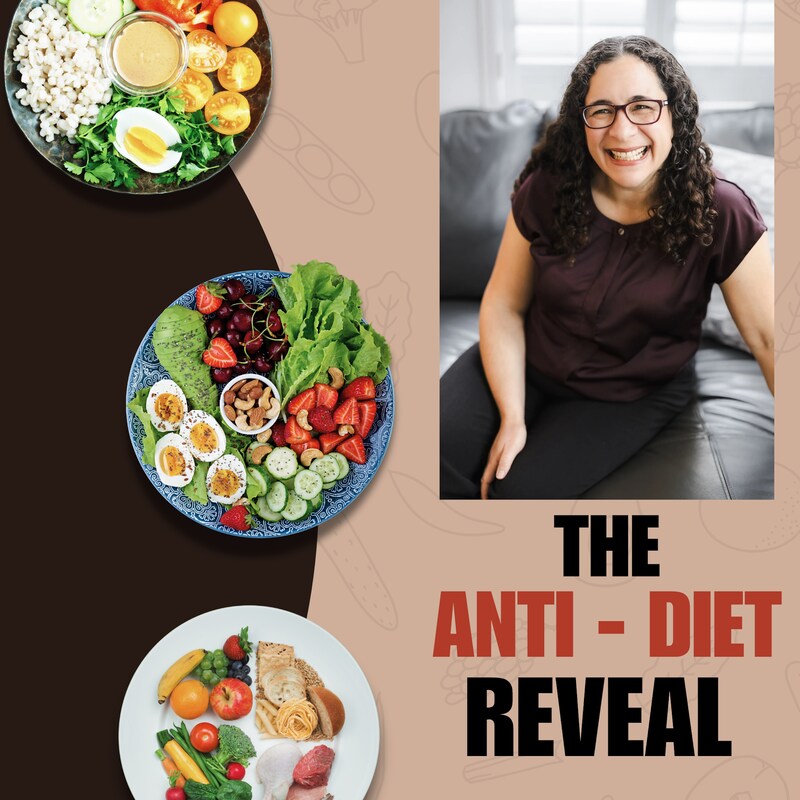
The primary focus of our discourse today revolves around the concept of intuitive eating, a transformative approach that encourages individuals to cultivate a harmonious relationship with food and their bodies. Our esteemed guest, Amy Slabaugh, RDN, a registered dietitian and intuitive eating counselor, elucidates the importance of reconnecting with one's innate hunger cues and the detrimental impact of societal dietary norms on this natural intuition. Through her extensive experience, Amy Slabaugh, RDN emphasizes the necessity of fostering body trust, enabling individuals to discern their genuine nutritional needs without the shackles of guilt or restrictive diet culture. We engage in a candid dialogue about the ramifications of emotional eating and the significance of recognizing the motivations behind our food choices. Ultimately, we aspire to inspire our listeners to embark on a journey toward improved gut health and a more holistic understanding of nourishment, advocating for a mindful and enjoyable approach to eating.
Mental wellness and emotional health are paramount pursuits in today's fast-paced world, and the latest episode of Busy Free Mind delves deeply into the transformative concept of intuitive eating, guided by the esteemed registered dietitian and nutritionist, Amy Slabaugh, RDN . With an impressive background spanning over two decades, Amy elucidates the core principles of intuitive eating, emphasizing the importance of cultivating a harmonious relationship with food and one's body. This paradigm shift moves away from the restrictive nature of traditional dieting and instead encourages individuals to reconnect with their innate ability to discern hunger and fullness cues. Amy articulates the detrimental effects of diet culture, which often leads to feelings of guilt and disconnection from our bodies. By fostering body trust and embracing flexibility in food choices, individuals can liberate themselves from the shackles of guilt and societal expectations surrounding eating. The conversation also touches upon the broader implications of emotional eating, inviting listeners to reflect on their motivations for food consumption and encouraging a mindful approach that honors personal needs and desires.
Takeaways:
- Intuitive eating encourages individuals to reconnect with their innate hunger cues and body signals.
- The concept of body trust is essential for fostering a healthier relationship with food.
- Recognizing the emotional triggers that lead to eating can aid in reducing guilt around food choices.
- Diet culture often perpetuates unsustainable practices that can be detrimental to long-term health.
- Incorporating a diverse range of plant foods into one's diet is crucial for enhancing gut health.
- Understanding the distinction between soluble and insoluble fibers can help individuals make informed dietary choices.
Reach Amy Slabaugh, RDN at https://nutritionwithamy.health/
Transcripts
Hey, guys.
Speaker A:Welcome back to busy Free Mind, the podcast where we explore mental wellness, emotional health, and holistic approaches to living your best life.
Speaker A:I'm your host, Shobhna.
Speaker A:Today, I'm thrilled to welcome Amy, a registered dietitian, nutritionist, and certified intuitive eating Counselor.
Speaker A:With over 20 years of experience, Amy takes a holistic approach to nutrition, seeing the body as a whole system, and she is passionate about helping people move from restrictive diets to eating more freely and feeling their best.
Speaker A:Hey, Imi, how are you?
Speaker B:Hi.
Speaker B:Doing well.
Speaker A:Amy, thank you so much for joining us.
Speaker A:And this session is particularly helpful for people like me because I'm.
Speaker A:I'm not against diet culture, but I prefer more towards the mindful eating and intuitive eating.
Speaker A:And just give us a quick intro of what is intuitive eating.
Speaker B:Yeah.
Speaker B:So intuitive eating, it's an approach to thinking about how we make our food choices that's based on.
Speaker B:Based a lot around our relationship with food and our relationship with our bodies.
Speaker B:So if you think about the fact that we're all born as intuitive eaters, right?
Speaker B:Little babies, they eat when they're hungry, they stop when they're full.
Speaker B:But there's all kinds of noise that comes in.
Speaker B:Like, as we grow up and into adulthood, we get these messages of like, wait, you can't be hungry already.
Speaker B:We just ate.
Speaker B:Or like, no, no, no, you have to finish your plate.
Speaker B:You're not done.
Speaker B:You still have more food.
Speaker B:And all those things kind of, they come in, those noises come in.
Speaker B:And that pulls us out of attunement with our body.
Speaker B:And so that really erodes that body trust that we're innately built with that intuitive eating mindset that we have.
Speaker B:So intuitive eating, like the program type that I do is really helping people to build that body trust back, helping people to get back in touch with their body, really listening to it, and being able to enjoy eating and live a little bit more at peace with food and their body.
Speaker A:Beautiful.
Speaker A:So that means some people can have three meals a day, or some might have four meal a day.
Speaker A:And that's completely perfect, right?
Speaker B:Yeah, exactly.
Speaker B:It's very flexible.
Speaker B:Because that's the whole point is you listen to your individual body.
Speaker B:It's not like a prescriptive program.
Speaker A:Yeah.
Speaker A:So how do I stop feeling guilty about food?
Speaker B:That is.
Speaker B:It's such a great question, because I think a lot of people do feel guilty around eating, and.
Speaker B:And guilt takes us nowhere good when it comes to our food choices.
Speaker B:It's just so unhelpful.
Speaker B:And this is the kind of thing that really I would work a lot with people on, you know, an individual basis, like, what specific foods are they feeling guilty about?
Speaker B:Or like, when are they feeling guilty?
Speaker B:But in general, I would say people could maybe do a couple question asking a couple questions to ask themselves when they're feeling guilty, to really see what's going on, and could they step away from that guilt?
Speaker B:And so the first one is to ask yourself, why?
Speaker B:Why have you showed up to this food?
Speaker B:So maybe you're sitting there, there's an open bag of chips, and you're munching away and just thinking, hold on, how did I get here?
Speaker B:You know, am I hungry?
Speaker B:Am I bored?
Speaker B:Did somebody offer me this food?
Speaker B:And I felt like, sure, I just want to say yes when people offer me things or, you know, am I really angry?
Speaker B:And I want to crunch it out with these chips?
Speaker B:You know, think about why.
Speaker A:Like, emotional eating.
Speaker B:Yes, emotional eating happens a lot when people.
Speaker B:And people feel guilty about it afterwards.
Speaker B:Right.
Speaker B:But that doesn't help.
Speaker B:The guilt doesn't help.
Speaker B:And so as we think about why, why am I here?
Speaker B:Then you can also think about, what is the role that this food is playing for me?
Speaker B:And so is that food answering hunger?
Speaker B:Well, then you can probably let go of guilt, right?
Speaker B:You were hungry, you needed food, you got yourself food.
Speaker B:Wonderful.
Speaker B:You did it.
Speaker B:You fed yourself.
Speaker B:You know, is that food soothing your emotions?
Speaker B:You can think about it like, okay, yeah, actually, I love crunching my way through these chips.
Speaker B:It's actually helping me get a little bit of release from this anger.
Speaker B:And so then you say, okay, great.
Speaker B:You don't need to feel guilty.
Speaker B:You.
Speaker B:You address that, you know, you can.
Speaker B:When I work with people, we're like, I want you to have a wide arrange, you know, range of things that you use to soothe your emotions.
Speaker B:Not only food, but it can happen sometimes.
Speaker B:So.
Speaker B:So asking yourself, why did I show up to this food?
Speaker B:And what role is this food playing for me?
Speaker B:And sometimes people, they'll ask those questions, they'll realize, I don't actually like this food.
Speaker B:I'm just eating it because I'm bored or out of habit or like I said, like, somebody offered it and I just said yes, you know, And I think those kind of moments can help you feel just that little bit again, more reflective, more in tune with like, wait, what's going on for me in this moment?
Speaker A:Right.
Speaker A:So intuitive eating is all about trusting and listening to your body.
Speaker A:And there is this another case, which is emotional eating.
Speaker A:So can I trust my body to tell me what to eat?
Speaker B:Yeah.
Speaker B:In general, I am going to say yes now everybody today, probably not.
Speaker B:There are definitely going to be some people who have been pulled so far out of attunement.
Speaker B:Right.
Speaker B:There's so much guilt wrapped up in their eating.
Speaker B:There's so much of all these other thoughts of like, don't eat this, eat this, you have to do this, don't do this ever, that it's going to pull them so far out that maybe today their body is not going to feel like a trustworthy guide.
Speaker B:But body trust can be built, I believe, for everybody.
Speaker B:And so it's something that people can definitely work on because at the end of the day, yes, the body can be a very good guide for telling us what to eat, how much to eat, when to eat, all of that.
Speaker A:How do I break free from diet culture when I try new intuitive eating concept?
Speaker B:Yeah, I think dieting culture, you know, we want to address it from like an individual perspective, like your own relationship with the diets that you've tried and all of that.
Speaker B:We also want to address it maybe from a little bit of a societal role because there for a lot of people get it, it's external noise coming in.
Speaker B:But from the individual relationship with diets, I would say to be reflective.
Speaker B:Kind of like we're talking about, right.
Speaker B:Getting in tune of really thinking through all the diets you've tried.
Speaker B:What effects did they have on you?
Speaker B:Like literally how did they impact your life?
Speaker B:Yes, maybe you were able to lose weight if that was your goal on the diet.
Speaker B:Maybe it caused you to buy extra special, like diet foods, like special drinks or bars or something like that.
Speaker B:Maybe it caused you to not be able to eat socially anymore because you were so restricted.
Speaker B:And so you have to really think about what were all the impacts that the diet had on your life.
Speaker B:And at the end of the day, did that help you to live a better quality of life?
Speaker B:Did you feel better in your body?
Speaker B:Not just did you like how you looked, but did you feel better in your body and did it feel sustainable?
Speaker B:Because that's often, that's the whole crux with diets is that they're not sustainable.
Speaker A:True, true.
Speaker A:That's my next question.
Speaker A:Why do diets never seem to work long term?
Speaker B:Yeah, so I think the case could be made that they aren't designed to.
Speaker B:They aren't so many diets, I hate to say it, but it like it's a money making opportunity.
Speaker B:Right.
Speaker B:And if they worked long term, people don't have to keep coming back for more.
Speaker B:So there is a big industry around it.
Speaker B:And so I think to some extent they, they don't have to be designed to be effective long term.
Speaker B:As long as, you know the books or the methods or the programs or the bars are being sold, that's what, that's what counts.
Speaker B:But also just this idea too, that so much of dieting, when you think like, okay, like we just have to do this and we can get you to lose weight and it's like, well, if this is not sustainable and that's the only way that your body will lose weight, of course it's not going to work long term because it was never sustainable from the get go.
Speaker B:And so that's why I tell people, I'm like, you don't want to like white knuckle your way through like three months of a diet program.
Speaker B:Like, what, what, what benefit does that truly add to your life?
Speaker B:Yeah, right.
Speaker A:I do feel that diet industry is very manipulative these days.
Speaker A:And people are just like that, seeing the trend and following it without knowing what is their body composition.
Speaker A:I mean, composition of minerals and nutrients and what they need really.
Speaker A:So I think it's, it's very manipulative.
Speaker A:That being said, can intuitive eating help me enjoy food again?
Speaker B:Oh, definitely, yeah.
Speaker B:That's what I get.
Speaker B:A lot of people who, they've been through the ringer with all the tried all the diets and food is such a fraught thing, right?
Speaker B:Of just like, I don't want to have to think about it.
Speaker B:I don't have to plan like all these special diets and to be able to get to a place.
Speaker B:And intuitive eating can definitely get people there where you can again focusing on what your body is telling you.
Speaker B:You're listening for hunger, you're listening for fullness, you're listening for energy levels, you're listening also for satisfaction.
Speaker B:Like, does that food that I eat, is it actually enjoyable?
Speaker B:Does it leave me feeling not just full but satisfied?
Speaker B:And when you tune into that kind of stuff, that can really help get you again to that place of not just am I nourishing my body or you know, am I eating what's right for me?
Speaker B:But did I, did I enjoy that?
Speaker B:And that's a good place to get to.
Speaker B:I think there's back to the guilt.
Speaker B:There's a lot of so much guilt associated even with the concept of enjoying things, right.
Speaker B:That we put a lot of shame on, like, oh, she must really, you know, enjoy that food.
Speaker B:Like we use those kind of phrases to shame people.
Speaker B:And it's, it's really, really unhelpful it's bad.
Speaker B:I hate all that kind of talk.
Speaker B:And when we look at the reality of us as human beings, we're biologically wired to key in on flavors and liking flavors and we want to eat.
Speaker B:That's how we fuel our bodies to stay alive.
Speaker B:Like, you know, is not wrong at all to enjoy food.
Speaker B:And plus the social, you know, component to enjoying food as well.
Speaker B:Right.
Speaker B:That's so good for our well being to enjoy food with other people.
Speaker B:And it's just, it's better for our quality of life if we can actually enjoy the food we're eating.
Speaker A:Yeah, very true.
Speaker A: axing is there, especially in: Speaker A:I could see lots of fiber max in videos.
Speaker A:So what is that, that fiber maxing, really?
Speaker A:And why is it trending suddenly?
Speaker B:Yeah, so fiber maxing is aiming for the, the recommended amount of fiber each day, which for the general American public is higher than what people are eating.
Speaker B:So in that kind of as low as 25, but really more in the 30 to 35 grams of fiber a day I think would probably be for the fiber maxing that at minimum or going higher.
Speaker B:And that's where the maxing part, right.
Speaker B:Like when people try and go even above that amount.
Speaker B:And I think it's trending so much right now.
Speaker B:You know, protein and fiber, those are the two things.
Speaker B:Like you can tell they're really having a moment in the culture.
Speaker B:Protein more so.
Speaker B:But fiber is kind of in a secondary role.
Speaker B:But you can see based on like the advertising of foods, like you, all the protein added to foods.
Speaker B:Right.
Speaker B:Like you can get protein cakes and protein, you know, cookies and things like that.
Speaker B:But you can also see so many things like, so sodas with fiber added.
Speaker B:Those tell you like, okay, this is a huge trend in the culture right now when we're adding those components to so many foods.
Speaker B:And part of it is a necessary correction.
Speaker B:We don't get enough fiber in general in this country.
Speaker B:But yeah, fiber maxing is, it's taking it to a whole other level.
Speaker A:Yeah.
Speaker A:Do you think it's good?
Speaker B:I think trying to hit the 30 to 35.
Speaker B:Yeah, that could be good.
Speaker B:I think when you put the word maxing with it though, it kind of makes it seem like a little's good, more is better.
Speaker B:And that is just not the case for the human gut.
Speaker B:The human gut.
Speaker B:It's a, it's a fine balance.
Speaker B:And there are some people who, honestly, because I work with a lot of people with gut issues, there are people who need way less than that, 30 a day in order to have their gut feel good.
Speaker B:But then there are also people who really do need either even more than that.
Speaker B:But it's a very individual thing.
Speaker B:And that's the thing.
Speaker B:When a trend comes and anybody's just trying it, it's like, wow, for some people that is really not going to work very well.
Speaker B:So I don't like that as a blanket recommendation for people to try at all.
Speaker A:Talking about fibers, there are many types of two types of fibers, soluble and insoluble fibers.
Speaker A:And how do we know which fibers are gut friendly and how much to take?
Speaker B:Yeah, so.
Speaker B:So knowing which ones are gut friendly, I, I will just say in general, all fiber is gut friendly in the sense that all fiber is helping to feed and nourish our microbiome.
Speaker B:And that's a really good thing.
Speaker B:But when it comes to like when people are feeling things are a bit off in their system, usually it's because they're needing a little bit more of the soluble fiber.
Speaker B:And the soluble fiber is like if you think of pouring hot water over oatmeal the way it will like do that gel forming thing, it's soaking that water in, that's more soluble fiber.
Speaker B:If you pour hot water over a piece of lettuce, it's staying the same.
Speaker B:It's just kind of wilty.
Speaker B:But it's all.
Speaker B:There's no real change to it.
Speaker B:So that's the insoluble fiber.
Speaker B:And so we think of insoluble fiber too as like skins and seeds of the fruits and vegetables.
Speaker B:And so we.
Speaker B:Yeah, oftentimes if I'm making a general recommendation, people need to skew a little bit more towards those soluble fibers.
Speaker B:But the reality of plant foods is you're usually getting some amount of both with everything you eat.
Speaker B:And so there's a little bit of trial and error and kind of playing around of what actually feels good to your individual gut.
Speaker A:Right, right.
Speaker A:I think mainly the fiber maxing diet is popular among the people who want to solve the issue of constipation and bloating.
Speaker A:And do you think can fiber maxing help reduce bloating and constipation for them?
Speaker B:Definitely not in a quick way, I'll say that because if you were to go from eating 20 grams or less of fiber a day and the next day you ate 40 grams of fiber, you were going to be so bloated.
Speaker B:So bloated and so const, it could really worsen constipation.
Speaker B:And so while maybe setting it as a long Term goal of, like, I want to eat more fiber.
Speaker B:And then slowly working your fiber intake up a little bit at a time.
Speaker B:So it's not.
Speaker B:That's the thing.
Speaker B:When things are slow, they don't feel as exciting.
Speaker B:Right.
Speaker B:So it's not part of a trend.
Speaker B:Like, slowly improving the fiber intake isn't as catchy as fiber maxing, but yeah, in a slow basis, it might be able to really help someone in an overnight method.
Speaker B:Not at all.
Speaker A:Right.
Speaker A:So can increasing fiber help balance gut bacteria and boost digestion?
Speaker B:Yeah, it really can.
Speaker B:Fiber.
Speaker B:And usually when I talk about fiber, I'm talking about fiber, too, like in foods.
Speaker B:So pretty much all plant food, that's where we get our fiber.
Speaker B:So fruits and veggies, but also the grains and the nuts and the seeds and the beans and legumes.
Speaker B:All of that.
Speaker B:Yes, all of that is really helpful for nourishing our gut.
Speaker B:There are also some fiber supplements that we can add to things that will also be kind of that prebiotic fiber, like food for our microbes, and so we can use those as well.
Speaker B:But fiber is.
Speaker B:It's the food for the microbes.
Speaker B:So it's what helps give us a thriving, flourishing microbiome.
Speaker A:Right.
Speaker A:Is there any way that, as you're talking about intuitive eating, is there any way that our body will tell us that?
Speaker A:Yes, I took enough amount of fiber today.
Speaker B:Yeah.
Speaker B:Without getting too far into it, I think looking at your bowel movements and how your gut feels, it can be like, if I were to coach someone in, like, an intuitive way to know if you're getting your fiber, I would ask them a bunch of questions about how their gut is feeling.
Speaker B:And that can be one way to assess it other than counting actual grams of fiber.
Speaker A:So if you tell our viewers one thing, what.
Speaker A:What is one small fiber or eating habit that they can start today?
Speaker B:I love this.
Speaker B:Yeah.
Speaker B:I would say next time they're at the grocery store, look around the grocery store and find one plant food.
Speaker B:And again, plant food isn't just fruits and veggies.
Speaker B:It's also nuts, seeds, grains, and anything from the bean and legume category.
Speaker B:Find one plant food that they don't usually put in their grocery cart and put it in their grocery cart.
Speaker B:The next step after that is you have to figure out how to use it if it's something you're not familiar with.
Speaker B:But there are resources for that.
Speaker B:But yes, that if you're going to do one thing, find one plant food that doesn't usually make it into your grocery cart and throw it in and make a point to use it when you get home.
Speaker A:Beautiful.
Speaker A:Thank you so much, Amy, for sharing your expertise, insights and practical tips with us today.
Speaker A:I hope our listeners feel inspired to trust their bodies and explore intuitive eating and take small steps toward better gut health and a healthier relationship with food, rather than have a fear towards the food.
Speaker A:Thank you so much.
Speaker B:Yeah, thank you for having me.
Speaker B:It was great to talk with you.
Speaker A:Thank you.
Speaker A:So viewers will be back with more conversations to help you prioritize your mental and physical wellness.
Speaker A:Thanks for tuning in.
Speaker B:Bye Bye.
