Shownotes
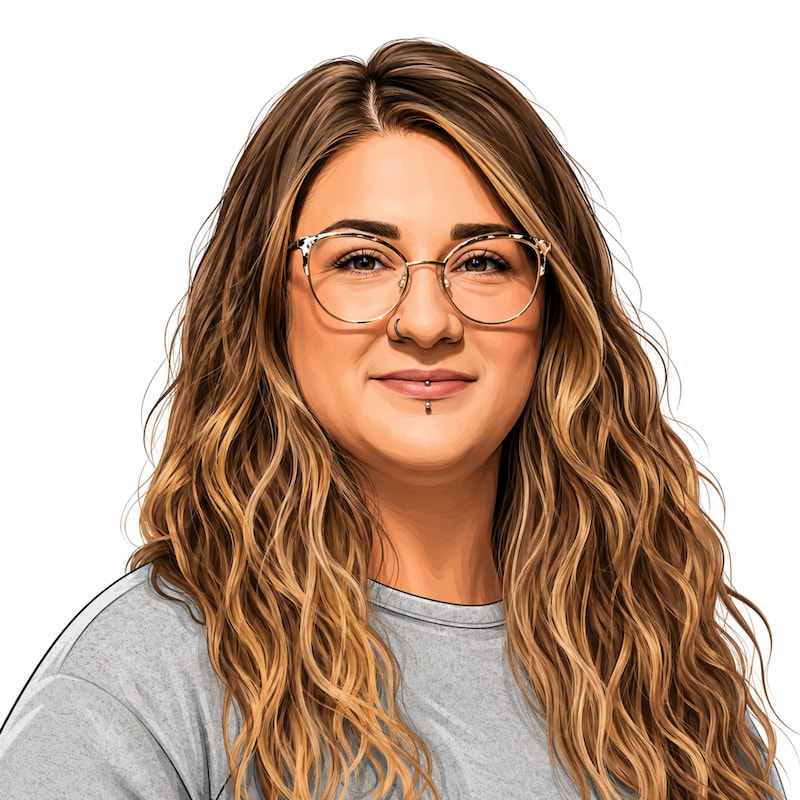
Olivia Hamilton is the founder of Changing Minds Training, a mental health training company that helps professionals have better, more human conversations about mental health, crisis and suicide prevention.
In this episode of Life by Misadventure, Olivia talks openly about growing up in a chaotic home, struggling with self-harm from a young age, developing bulimia as a teenager, and living through suicide attempts, family breakdown and long waits for the right support. She also reflects on the shame, secrecy and confusion that often surround self-harm, and why people in pain are not usually looking for attention. They are often looking for help, connection and relief.
Olivia also shares practical insight into how parents, friends and professionals can respond when someone is struggling. Sometimes the most useful thing is not trying to fix the problem or deliver advice. It is staying calm, listening properly, asking what support they need, and helping them feel seen rather than judged.
Community note:
This episode includes open discussion of suicide, self-harm, bulimia, alcohol misuse, family trauma and mental health crisis.
Please take care while listening, especially if any of these subjects feel close to home.
Olivia-Louise shares her story with honesty and care, but the conversation is not intended as clinical advice. If you are struggling, please speak to someone you trust or contact a mental health support service in your area.
UK support:
Samaritans - Call 116 123 - Available 24 hours a day
SHOUT - Text SHOUT to 85258 - Free 24/7 crisis text support
Mind - mind.org.uk
Changing Minds Training - changingmindstraining.com
About the Show
Life by Misadventure is hosted by David Brown and features honest, engaging conversations with interesting people about life, loss, resilience, ideas, and the experiences that shape us.
Connect with David on LinkedIn: https://www.linkedin.com/in/4dmbrown/
Watch the UNCUT video on YouTube: https://www.youtube.com/@lifebymisadventurepod
Listen on Apple Podcasts: https://podcasts.apple.com/gb/podcast/life-by-misadventure/id1782077287
Listen on Spotify: https://open.spotify.com/show/6Z1MszCU19QglChFb11Pw2?si=98ab1a34db074b3d
Transcripts
Hi, Dave here.
I recently had a great conversation with Olivia Hamilton, but in that conversation we touched on some very sensitive topics that may be triggering for some people. So before we get into this episode, I just wanted to read a community note for everybody, just so everybody knows what you're getting into.
This episode includes open discussions of suicide, self harm, bulimia, alcohol misuse, family trauma and mental health crises. Please take care while listening, especially if any of these subjects feel close to home.
Olivia shares her story with honesty and care, but the conversation is not intended as clinical advice. If you're struggling, please speak to someone you trust or contact a mental health support service in your area.
n reach Samaritans by calling:You can also reach out to mindind.org and if you want training for your organization, you can reach out to Olivia directly and you can find her on Changing mindstraining. Com. So, anyway, just wanted to get that out there before we got started to make sure that everybody's comfortable with the topics that we talk about.
It's a fascinating conversation and spoiler alert, Olivia's okay. She is still with us, but she's had quite the.
She's had quite the adventure getting here and now she uses her experience in a positive way, helping companies and professionals understand how to deal with mental health issues. So let's go ahead and get started and I'll see you on the other side.
Let's start off maybe when you were younger, like, what did your parents do for a living?
Olivia Hamilton:My mum's a nurse. My dad is a building surveyor. So my mum fell pregnant with me while she was at university and dad just worked like straight out of school.
Yeah, that's kind of the start, I suppose.
David Brown:And so what was life like when you were young?
Olivia Hamilton:Challenging, very chaotic, quite unstable, quite unpredictable. My parents were very young when they had me. They'd known each other maybe a few months.
David Brown:How old were they?
Olivia Hamilton:I think my mum fell pregnant about 18 and had me at 19. They'd met at like a local nightclub like a few months before.
And I guess it was that kind of time where, you know, you get pregnant and you just, you kind of make it work. You stay with that person, like, not convinced. Had they have not fallen pregnant with me, that, that would have lasted very long.
People that know my parents are separate today are kind of like, how on earth did that ever work? And it didn't. And that was probably part of the reason my childhood was so. Yeah, chaotic is. Is the best way that I can describe it.
David Brown:So what does chaotic look like?
Olivia Hamilton:Just not, not a particularly happy household. I think before me there's a lot of like undiagnosed mental illness. Probably some neurodivergence in there as well.
Again, it was kind of the sort of time where, you know, people didn't really talk about that stuff. We just, we got on with it. You kind of dealt with that stuff behind closed doors. So my mum had had a lot of challenges that were kind of un.
Unrecognized, I think.
I think my dad as well, probably, although he, he's not in a place where he would be able to admit that, but there's maybe some like kind of OCD type tendencies, probably some autism. But it was, I think with my dad it was a lot more. What's the word? Kind of a bit more hidden.
Like my mum's challenges were a little bit more obvious, a little bit more kind of overt.
And I think probably because they, they didn't really want to be together, they were just together for the sake of the kids that I guess sort of tension could, could be felt. So from quite an early age there was like a. I guess almost like a role to play.
Like we, we kind of show the world one thing that we're this happy together family. And then behind closed doors, it, it wasn't, it wasn't quite like that.
David Brown:We all do that, don't we?
Olivia Hamilton:Yeah, yeah. I think there's definitely a degree of that in, in everybody. There's an element of a mask, isn't there?
But I think even, even with you know, other members of family, very close family friends, it's. We were kind of playing the same sort of game, if that makes sense.
David Brown:Big family, small family, like extended.
Olivia Hamilton:Yeah, I've got one sister. I've got one sister. And then. Yeah, not, not massive, like from the same. Yeah, from, from, from the same, same parents.
And then we were quite close to my dad's brother. So my auntie and uncle and, and cousins growing up. My mum's got a slightly larger side to her family, but they're kind of half siblings.
That's a little bit more complicated, basically.
So, yeah, it was, it was difficult from the sense that I don't think they really wanted to be together and they, they felt that they should kind of push on. Dad was having an affair in, you know, in the background, so there was an element of that kind of playing into stuff as well.
And I think, I think my mum just really struggled like her, her challenges weren't, weren't really recognized. There was a lot of difficulty like regulating her emotions and I was quite a confident, maybe, maybe outspoken child.
I'd probably push, push the boundaries a little bit and I think that would trigger her in, in some ways. So I think she, she struggled with that. There was just, there was just a lot of volatility, like a lot of unpredictability.
You didn't really know what, what was going to kind of set, set somebody off. I think they both had their own issues that, that hadn't been addressed. And then you know, you throw kids into that at quite a young age.
It's, it's a bit of a recipe for, for disaster, isn't it? So yeah, just kind of grow.
Grew up in a home that probably wasn't too dissimilar to others around that time where we didn't really talk about how we felt. And I was, I was also a gymnast growing up. Like I was absolutely not never going to make the Olympics but I trained like I trained four times a week.
So there was always a lot of I guess emphasis on like performance and output and like kind of showing up. And I think probably around the age of 12 was when I, I kind of began to struggle and I couldn't really, couldn't really express myself.
Like I didn't have the vocabulary to describe how I was feeling that was struggling what was going on for me and I wasn't in an environment that you know, facilitated or kind of welcomed that either.
So that was, that was kind of about the time that I, I started self harming and it started off as just almost like, like an accident, a bit of an outlet.
And then I think there was quite a quick connection in my brain to be like oh, I feel, I feel a little bit of relief because when, when we feel physical PA bodies release endorphins, you know, our natural kind of pain relievers. All of the research around self harm tells us that even just seeing blood reduces our blood pressure.
So I think my, my brain was quite quick to connect that, that kind of relief and then yeah, things just, just kind of I guess developed from, from there really.
David Brown:Was it an injury or something that started it?
Olivia Hamilton:So I remember it relatively vividly actually. I'd, I'd had, there'd been some kind of family argument. I can't, I can't remember the details but I remember being in my room.
I think I'VE probably been sent to my room. I was in my room, I was on my own.
I'm like, you know, coming up to the age of puberty, lots of all of the kind of physical changes going on and I just remember feeling really just overwhelmed and like, almost like a, like a balloon about to burst. And I don't know at that time what led me to start kind of scratching at myself, but I did.
And as I say, I think quite quickly I connected that almost like physical or physiological relief that I was getting from that.
So it started, you know, quite, quite minor as like scratches, superficial stuff, but I think, I think a bit like alcohol, like the more that we drink, the more we need to drink the next time. Right. And, and that was kind of the pattern that, you know, this self harm is something I use for 10, 15 years of my life.
And it did escalate, it did diversify. And I think that was a result of almost like a tolerance increasing.
David Brown:You know, I know you said you were under pressure and you know, you were feeling a lot of stuff. What was that pressure? Where was that pressure coming from?
Olivia Hamilton:Oh, good question. I think probably a little bit's gotta be my parents, maybe a little bit from me, like a personality thing.
I think probably some of it's from society as well.
But I think, I think the kind of route looking back is that I just didn't, I wasn't taught how to talk about how I felt, to be able to, to explain that, to describe it. And there's, you know, there's something in getting out how we're feeling that gives us some sense of relief.
And I think that's why I ended up resorting to these other, you know, unhealthy kind of coping strategies because I didn't, didn't have any outlet. I wasn't really given the tools. And I think, you know, whilst, no, no parents are perfect. I don't, I don't blame my parents about.
I think they weren't taught, they weren't given the tools. And I think when we look back over generations, it's just, it's just a pattern.
It's not, we don't, you know, we don't really get, get taught that stuff.
It's absolutely changing now and obviously is why I do what I do, but I think, yeah, it's not really discussed and actually I did, I'm digressing a little bit, but I, I posted something on LinkedIn the other day. I've kind of made an observation. When I deliver one of the courses, I Deliver. I ask the room, how do we deal with emotional pain?
And every time there's, there's silence. And sometimes the answer that I get is after a long time, medication. And that's it. That's. That's. That's all I get.
There's no, you know, that, that pet, that friend, that movie, that piece of music. And I, I think we just. We almost like, medicalize, like, emotional pain. We're not taught that it.
It's something that we experience as human beings, that we can talk about it, that we have coping strategies. And I, I think a lot of it is a societal thing. And again, it's. It's kind of why I've ended up doing what. What I do. That's my take on it.
David Brown:I saw that post actually.
Olivia Hamilton:Did you.
David Brown:Screaming in my head.
Olivia Hamilton:Because I was like, no.
David Brown:Because my personal opinion on it is that, like, medication should be the absolutely last.
Olivia Hamilton:Yeah.
David Brown:Thing. Right. And I think we've. We as a society have approached this place or arrived at this place where too many times, medication is just the first.
They go, oh, well, you can just take something for that.
Olivia Hamilton:Yeah.
David Brown:And it's like, no, because that's just treating the symptom.
Olivia Hamilton:Yeah.
David Brown:Right. It's not treating the problem most of the time.
And if you know anything about pharmaceuticals, and I'll probably get in big trouble for this, but, you know, pharmaceutical companies are not trying to cure you. They're trying to manage your symptoms.
Olivia Hamilton:Yeah.
David Brown:So that you'll keep taking their drugs forever.
Olivia Hamilton:Business at the end of the day to.
David Brown:To get better.
Olivia Hamilton:Yeah.
David Brown:Well, we'll have to talk about. There's a. There's a really interesting. A friend of mine did a really interesting documentary about that.
There's a treatment to basically get you off of addiction, and it's now been FDA approved in the US there's like 700 companies that can do it, but none of the health places will do it because it means cures people and then they don't come back.
Olivia Hamilton:I can't say I'm surprised. It's not.
David Brown:It is. It's called the Final Fix in case anybody wants to watch it, and it's on Amazon. I'm not sponsored, but there you go.
But go and watch it because Tim's a lovely guy.
But anyway, I was kind of asking because I think part of what I would like to understand, and I know it's difficult to go back and try and put yourself in that place again to really know what you were feeling, because I know at times when I was a teenager, I thought that I felt suicidal, but I don't remember really why now because I'm not in that place anymore and it's really difficult to go back and put myself in that spot.
Olivia Hamilton:Yeah.
David Brown:But I think again, one of the things I want to get out of our conversation for people listening, because I suspect that we're going to have a lot of parents are going to listen to this and it's, you know, what are the things that as parents we should look out for in our children to see that maybe something's going on that we haven't recognized?
Olivia Hamilton:Yeah.
David Brown:And I assume with things like self harm that you try and disguise that because you don't want people to know. Is that.
Olivia Hamilton:Yeah, absolutely. Like there's a, there's a real common, like, misconception like you probably heard before, self harm being branded attention seeking.
And I find it so interesting as, as a kind of concept. Firstly because that often isn't the case. People go to such great lengths to conceal that.
And there's often a lot of, you know, guilt and shame and embarrassment. And it's not something, you know, that people go around advertising, generally speaking.
But also because we've kind of made this term attention seeking like a negative thing, as human beings, we need attention. Like, that's, that's a core need.
And one of the frames that I kind of provide through my training is if we actually swap that word attention for something like help or connection, it has such a different feel about it. And actually if somebody is seeking help or attention or connection, like, why, why do we, why are we not giving it to them?
Yeah, they're expressing a, you know, a need. I've gotten your original question because I, I digress so passionately into that point.
David Brown:No, no, no, it was just, and again, it was just, we were just talking about the fact that it's not something that you want to show off. I, I imagine. And again, I've never done it, so I don't know, I'm just guessing.
Olivia Hamilton:Yeah.
David Brown:But I'm guessing that certainly up to a point there's a certain amount of probably shame that's associated with that. And you, because you know that you don't want anybody else to know that you're doing it.
Olivia Hamilton:Yeah.
David Brown:And the reason I'm bringing it up is because it might be difficult for parents to notice that their kids are doing that because the kids are intentionally trying to keep them from seeing it.
Olivia Hamilton:Yeah, yeah, yeah.
David Brown:And then I saw a post. This is a total digression. I saw a post the other day on Instagram. And they were talking about, what type of household did you grow up in?
Did you grow up in a naked mom house or a closed mom house?
Olivia Hamilton:Fantastic.
David Brown:Right? Because. Because they're like, one or the other.
Olivia Hamilton:Yeah, yeah.
David Brown:And. And it's my mom. We. We grew up at a naked mom house. Like, my mom always, like, it didn't matter. You get out of the shower.
Like, you could go in the bathroom if she was in the shower. Like, nobody cared. Like, it just wasn't a big deal. Like, being naked in the house wasn't a problem.
Olivia Hamilton:Yeah, yeah.
David Brown:But my wife's parents, like, she's literally never seen her mom naked.
Olivia Hamilton:That's wild. That's wild.
David Brown:Like, her mom gets up and does all of her stuff and then, you know, she comes out of the bathroom and she's got a robe on and she's like, fully dressed and.
Olivia Hamilton:Yeah.
David Brown:You know, so they're two totally different things.
Olivia Hamilton:Yeah.
David Brown:The reason this relates is because in the naked household, I think there would probably be more potential.
Olivia Hamilton:Yeah.
David Brown:To identify scratching, cutting. You know, I think people probably. When you hear self harm, you probably instantly go to cutting. Because we've all seen people.
You know, there's a few. There's a few girls around Tunbridge Wells. I know. And you can just see their entire arms are just scarred all the way up and down, all over.
There's no way they can hide it. Do you know what I mean? And I think most people think and sort of think of that as the. The image that comes to mind.
Olivia Hamilton:Yeah.
David Brown:And so my thing is, I guess is up to a point, you can probably hide that less. So if you're in a naked house.
Olivia Hamilton:Yeah. Valid point.
David Brown:Because then it starts to get a bit weird if you're not.
Olivia Hamilton:Yeah.
David Brown:That could be something to look out for.
Olivia Hamilton:Yeah, absolutely.
David Brown:But what goes. What goes along with that? So obviously that's just something that you've learned to. To do to cope with for yourself. But what else goes.
What else gets lumped in? What else goes along with that? Are there other things that go along.
Olivia Hamilton:With that as well as in kind of the other. The other challenges?
David Brown:The mental health?
Olivia Hamilton:Yeah, there's. There's a lot that goes along with that. Yeah. So kind of kind of picking up from that kind of first incident about 12.
I then started kind of playing around with.
With the way that I was eating, and I guess that kind of falls under the umbrella of self harm as well, because I was kind of restricting and purging. And again, it started out quite subtly and kind of escalated quite, quite quickly. And kind of my experiences with.
With that actually led me to make a first attempt in my life when I was about 14. I don't. I don't remember that super clearly. Like, I can' too much about why. Why that was the case.
I just again, remember feeling very kind of overwhelmed, trapped, not really understood, not really knowing where to turn or who to talk to. And there was just medication available to me and I don't really know, looking back if I fully kind of comprehended what. What I was doing.
And I never told anyone. And I just woke up the next day and it was really poorly, like, you know, kind of vomiting and stuff.
And I think mum just thought I was unwell and I kind of had had the day off school.
David Brown:Was that a relief?
Olivia Hamilton:Do you know what? I don't know. I don't know. Yeah, it's hard.
It feels like such a long time ago and I think there's probably a little bit of those maybe still buried somewhere. And as I say, I don't. I don't fully know, you know, what. What my intentions were. I can't. I can't remember that that super clearly.
David Brown:Were you relieved that she didn't find out or didn't know?
Olivia Hamilton:I think so, yeah.
David Brown:That you just kind of woke up and felt ill and she's like, oh,.
Olivia Hamilton:You must be ill. Yeah, yeah, yeah.
David Brown:Is there shame kind of attached to that as well, that if you do it and you think that that's what you want to do and then you wake up the next day, there's. There's a lot of mixed feelings, I'm sure, within you about that.
Olivia Hamilton:Yeah, yeah.
David Brown:But then you don't want anybody to know.
Olivia Hamilton:Yeah, yeah.
David Brown:Or do you? I don't know.
Olivia Hamilton:Again, it's really. It's really hard to talk about that experience in particular because there have unfortunately been other incidents that are, you know, more.
More recent and there's been a lot more kind of intent and I can remember those experiences much more clearly. So it's kind of hard to say about. About that one specifically. I just know that there was this kind of feeling of I don't want to be here anymore.
But I don't know if at that age I fully comprehended actually what that meant. I just knew I was in pain and I didn't want to kind of feel that.
And it's, you know, going back to what you were saying earlier about how do we kind of recognize this stuff, it's really interesting because I have a really good relationship with my mom now and she's done a lot of her own work over the years and is in a really, really good place now.
And she, she says, kind of looking back, she was like, I knew, I knew something wasn't right, but I didn't know what it was and I didn't really know how to talk about it.
And, and again, I think it goes back to that, that awareness, that education piece and, and obviously I've got a bias when it comes to training, but I think, I think that education is so important because again, she, you know, her mum hadn't spoken to her about it. Her mum's mum hadn't spoken to her mum about it. And you know, we learn from, from our parents predominantly. Right.
So, yeah, I think there was this part of her that was like, I know something's not okay with my child, but I don't, I don't really know what. I don't know where to get help. Nobody's talking about it kind of what, what, what do I do? So, yeah, that, that, that didn't self resolve.
I ended up being diagnosed with bulimia when I was 14.
That all came out, that all came out in quite an interesting fashion and there was actually a lot of relief when, when that came out because I felt for a long time that I was almost like living this double life.
It's kind of probably not too dissimilar from, from having an addiction in terms of doing something, you know, privately and secretively and kind of planning your life around that. And yeah, it's come out because I'd.
I'd borrowed some money off of my dad and I think I'd said, oh, I don't know, it's for the bus or some, something to that effect. And anyway, what I decided to do with this money is, is go and buy a load of like, junk food. We never had junk food in the house.
My dad's like, really, really, really health conscious, maybe to a little bit of an unhealthy degree. So we never had, you know, we didn't really get takeaway. We never had crisps or biscuits or anything like that in the house.
So I think when I had kind of access to my own money that maybe fed into it a little bit and I would buy all of this basically junk food, and I'd binge and I'd eat way more than anybody needs to eat in, in one sitting. And then I'd feel uncomfortable and shame and guilt and then that's where the, the kind of purging came in.
So anyway, he basically said, where's, you know, where's my change? Where's my money? And I was like, oh my God, what am I, what am I going to do? Like, how, how am I going to get out of this?
And I ended up just like, I remember writing something down in my room and like slipping it under the door and giving it to my mom and just said, hey, this is what I've been doing, this is what I've been struggling with. And thankfully their response was like, you know, really positive.
I think they were a bit overwhelmed and didn't really know what to do with it, but they could see that, you know, I was struggling and they, they knew that something was wrong anyway.
And my mom says now, kind of looking back, she was almost not pleased that I was having that issue, but kind of pleased that that had come to light because she was like, something's going on and I, I don't know what it is. So, yeah, that was, that was kind of the start of that and I was, I was very resistant to any help to begin with.
I saw a child psychologist, I had family therapy and there were countless sessions I, I just didn't turn up to, I refused to say I had a problem. And my, my poor parents went along on their own, bless them. So that was a really, really, really challenging time.
David Brown:Were you still doing gymnastics?
Olivia Hamilton:Yes, to it, to a certain point.
So when I was diagnosed, I, I continued doing gymnastics and I actually got a little bit worse before I got better, which isn't, isn't always uncommon when it comes to kind of mental health challenges. And I had self harmed quite, quite severely and I got to maybe a week before quite a big competition and you're in those little leotards, aren't you?
There's, there's, there's nowhere to hide. And I kept thinking, it will go, it'll go, it'll be fine, it'll be fine.
And then I just had a bit of a breakdown about a week before and I said, I can't. Look what I, look what I've done to myself. And bless my.
Because my mum's a nurse and she's got these kind of skin graft things from work and said a week or trouble. I just, I wasn't, wasn't happy with it.
David Brown:So was she a nurse at that point? Yes, yeah, yeah, she'd become a nurse. She'd got out of uni, become a nurse and went straight into nurse.
Olivia Hamilton:Yeah. So she actually, actually was a midwife to begin with and then she, she retrained or did like a top up in nursing.
So she's, she's been, you know, she's been an adult nurse for my entire life.
David Brown:So was that the first time that they had noticed the self farming or had that come out already?
Olivia Hamilton:It had come out already with the eating disorder. But they, they'd not seen it. They'd not seen it and thankfully they, they did absolutely the right thing. They didn't push me to, to show them.
So it wasn't, as I say, until about a week before that competition. And I was like, I can't go out there like that. And, and that's when she saw kind of the, the gravity of it. Yeah, yeah.
David Brown:Will you talk about what you, what were you doing?
Olivia Hamilton:Yeah, I mean I don't know how helpful it is to like, to go into details about like different kind of methods and things, but a lot of, a lot of my self harm was kind of stereotypical. There was, there was cutting, burning was something that came a little bit later.
And then things like sometimes things that we don't necessarily think of stereotypically as self harm. Like, you know, banging your head against things, punching things, not, you know, not letting wounds heal. That, that sort of stuff again.
David Brown:I'm just, I'm only thinking because I know there are parents out there who would want to know what to look for.
Olivia Hamilton:Yeah, yeah, yeah.
David Brown:You know, because if it's not cutting then it's like. Okay, because that's obvious and can be obvious. Right. So.
Olivia Hamilton:Yeah.
David Brown:What are the other things? So I, I, I can understand sort of picking at wounds or whatever and that kind of thing. Yeah, I guess so. You've, you're, you're kind of in this spot.
You've got the competition. Like everything kind of comes to a head.
Olivia Hamilton:Yeah.
David Brown:Some of it comes out into the open. You had a good reaction from your parents.
Olivia Hamilton:Yep.
David Brown:Which was good.
So they, I think your mom probably being in nursing helped a little bit because she absolutely, you know, she probably had the right personality maybe for it and didn't get too kind of overly freaked out about physical stuff. So that probably helped a little bit.
Olivia Hamilton:Yeah.
David Brown:So what happens then?
Olivia Hamilton:Just before I go into that, just because what you said about mum, I thought it was probably quite interesting to note that mum dealt with it a lot better than my dad's. I think my dad really, really struggled and they kind of reached an agreement where he almost stepped back.
Not out of like, you know, not caring, but recognizing that actually mum was better, better place to, to support and. Absolutely. I think her nursing Background helped because the first time we went to a GP and we said, this is what's going on.
The GP said, I'm not making a referral. This. This isn't bad enough. So we went away. I obviously felt awful. Mum felt awful. Nobody really knew what to do.
And by some kind of universe miracle, she was working in the GP surgery at the time. And this flyer just came into.
Into the clinic about eating disorders and the diagnostic criteria, and she was going through it and she's going, well, Liv's got this and this and this and this and this and. And she kind of went into that framework and we went back to the GP and she said, I'm not, you know, I'm not happy with this.
All of these things are happening. And then we got the referral and I was. I was accepted by the eating disorder service.
But it makes you think, gosh, if she didn't have that knowledge, that clinical experience, that confidence to push back, where would that have left me kind of thing.
David Brown:I know one never asks a girl's age, but what era are we in that we're talking about when this is happening?
Olivia Hamilton: e talking, like, early. Early: David Brown: Early: Olivia Hamilton:Yeah, yeah, yeah, yeah.
David Brown:So just to give it some context, because what's really interesting is, is you talk about and you say. Oh, we didn't talk about things like that.
Olivia Hamilton:Yeah.
David Brown:Like when I was that age, that was like the 70s.
Olivia Hamilton:Yeah, yeah, yeah, yeah, yeah.
David Brown:And the early 80s. And if you think you didn't talk about it, we talked about it even less, like. Yeah, you know what I mean? It was. It was actively discouraged.
Olivia Hamilton:Absolutely.
David Brown:To talk about.
Olivia Hamilton:Yeah.
David Brown:And I think it is interesting also in the context of.
Because we're going to get to this towards the end of the conversation about kind of what it's like today, because I think the world's a very different place today than it was even back then.
Olivia Hamilton:Absolutely.
David Brown: in there. We're talking early: Olivia Hamilton:Yeah, okay. Yeah, yeah. So where did I go from there? Where did I go from there? Yeah.
So I think I was in treatment for nearly a couple of years for the eating disorder and I did recover fully from that. And then when I was about 16, 17, I think I was in my first year of college, my. My parents decided to separate.
And that, I think, just triggered a load of stuff that my mum had not dealt with and she. She just had a breakdown, basically. All of the issues that I think were kind of Bubbling away below the surface for all that time.
Just sort of erupted. Yeah, she was in a really bad place. She was pretty kind of reliant on alcohol day to day to manage. She started self harming.
She started making suicide attempts, often as a result of being intoxicated. And then you know, your mood lowers because it's a depression. And that started happening quite frequently.
My sister's about five years younger than me.
David Brown:Just about to ask how old she was.
Olivia Hamilton:Yeah, yeah, so she's younger than me.
David Brown:So she's like 11.
Olivia Hamilton:Yeah, yeah, yeah, yeah.
David Brown:That's why it's an awkward time.
Olivia Hamilton:Yeah.
David Brown:For that to be happening for her.
Olivia Hamilton:Yeah, yeah. So I was kind of at that, that age where you can kind of start saying this is, you know, this is what I want to do. Right.
And my dad said that's not fair. I'm gonna take, take your sister out of it.
She went and lived with my dad and, and I stayed with my mum and, and I spent probably about 12 to 18 months really kind of, kind of caring for her, maybe enabling, maybe enabling a little bit. But also, you know, I'm 16, 17, I had a lot of my own issues. I didn't really know what to do.
Dad had kind of done what he thought was best for, for my sister and I was just kind of left with this thing that was way bigger than me with nobody really helping and you know, just wanting to, to, to kind of do, do my best.
So yeah, through, through that period I was exposed to, to a lot of quite, you know, traumatic, you know, you know, attempts to end her life, injuring herself, you know, lots of episodes of ambulances being out of her going missing, police being out. And then she was finally diag learned personality disorder, which is quite often the result of, you know, early childhood trauma.
It's like an enduring pattern of behaviors, feelings that deviate from what we would, you know, socially accept as typical.
David Brown:And.
Olivia Hamilton:She, she accessed some, some support for that that she, she kind of waited some time for. And then at. I went off to university, I got a place to study psychology at University of Reading.
And I think what happened was where my focus was so much on, on mum. I was suddenly in this place where actually everything was about me and I didn't have this distraction anymore.
And, and almost immediately after starting, my mood just, just plummeted and I really struggled to, to make friends, to get into a routine. I started, you know, like missing lectures. I'm not getting out of bed in the morning.
You know, we all drink as students anyway, but I'M I'm drinking to cope. I'm not drinking to kind of have fun.
David Brown:Gonna say that sounds, just, sounds like freshers.
Olivia Hamilton:Yeah,.
David Brown:But I understand and I'm not being flippant.
Olivia Hamilton:Yeah.
David Brown:Do you know what I mean?
There obviously is a difference, but that probably didn't help that you then get put in an environment where that then becomes what everybody's doing.
Olivia Hamilton:Yeah, yeah. It's kind of right.
David Brown:And then he's sort of starting to struggle.
Olivia Hamilton:Yeah. And I mean, still at this point, Mum was struggling.
I was kind of going backwards and forwards when she was having crises, when she was ending up in hospital.
And eventually for whatever reason, I, I decided to go to the GP down there and funny, we were talking about medication earlier because obviously medication, antidepressants, had some counseling maybe like. Yeah, a kind of 8, 12 week sort of thing. Don't remember it being unhelpful. Don't remember it being particularly helpful.
But, but basically things, things didn't get better. I didn't pass my first year because I wasn't, I wasn't going to my lectures and I decided not to, to go back.
But I thought, I'll stay up there and I'm gonna stay. I'd already signed up for, for a house with, with the girls at uni at that point. So I'm gonna stay out there, I'm gonna get a job.
And I got a job in community mental health. I was working in kind of supported living.
So a lot of adults that had been, you know, on, on section, they'd been detained in hostel for a lot of their adult life and they were going in, back into community but with, with kind of support. So that, that's what I did. And yeah, things, things just kind of continued to deteriorate. I kind of became a lot more isolated.
There was a big division between like me and the girls I was living with because they were still at uni there even though their second year they're kind of out partying and I'm now working and I was working like afternoon shifts. So I started at I think like three and finished at like 11. So I'd get home at midnight and it just wasn't. I wasn't really seeing anybody.
I wasn't eating very well. I'm still drinking a lot.
And then I just reverted back to the self harming that I'd used before because I think that that sort of association was, was still there. So it's worked before. Let's kind of try it again.
Had some, you know, challenges with my Eating again, not, not quite a relapse, but not really particularly help. Healthy. And yeah, again, it just, it just kind of, kind of sort of escalated.
The, the support that I was getting wasn't really quite, quite what I needed.
I think there was an element of, I don't know, like probably a combination of stigma, combination of pride, of not wanting to say, oh, I'm struggling, just wanting to, to kind of push on and get on with it. Started self harming at work just to, just to kind of get through the day.
And I always find that really alarming when I look back because I think, God, I was in a role where I'm supporting and looking after people that are, you know, vulnerable and having those kind of challenges. And meanwhile, like I'm in the bathroom trying to get, get through my shift.
David Brown:It's very similar to, I think drug addicts as well. It's, it's the same sort of thing, just a different manifestation of it.
Yeah, yeah, I think because, and I say this because there were periods in my life where in particular I was sort of addicted to methamphetamines and stuff. And it was, you would, you'd do meth to go, to get up to go to work and then, you know, you'd be high for a couple hours.
And it's weird, it's just like a, you know, it's like kind of like being on cocaine. It's an upper, you can totally, in fact, you function really, really well and maybe a little bit too well.
But then as you start to come down, then you've got to kind of top it up during the day. So you're going in the, you know, you're going in the toilet. It's the same kind of thing. Yeah, I'm, I'm feeling the same.
Olivia Hamilton:Yeah, right.
David Brown:Like, and you look back on it and you're just like, jesus, what the fuck? Yeah, like, what was I doing? Yeah, but when you're in it, you're in it.
Olivia Hamilton:Yeah. And I think, I think it just becomes so like we were talking about that kind of like guilt and shame that can come afterwards.
And I think in my experience and the experience that I hear through the training that I do is that that kind of goes away after a while. Like the more that you do it, the more normal it becomes.
David Brown:Was your mom still struggling during this period as well?
Olivia Hamilton:Yes, not, not quite to the degree that, that she was a little bit more stability, but still it took her quite a long time to get on top of the, the alcohol and the alcohol seemed to be kind of the driver or the trigger for, for the crises. And, and sometimes we almost found that they, that we were like setting each other off off because, you know, we'd be kind of trying to hold it.
We had quite an unhealthy relationship and it's taken us a long time to untangle that.
We, we actually didn't talk for, for a couple of years and I think there was a lot of kind of codependency and yeah, you know, she'd have a crisis and I'd be there trying to kind of propping her up and then she'd be okay and then I'd then not be okay because of what I just dealt with. And it kind of, it was kind of like a game of ping pong, you know. So, yeah, there was still, still that kind of kind of going on in the background.
And then, yeah, when I was, when I was kind of in reading and, and working it, it just kind of kind of came to a head one night and I just was like, I can't, can't. I can't live like this. I'd.
I'd had a drink so, you know, was not in, in the best frame of mind and I just ended again, you know, trying to, trying to end my life. And I remember clearly that time just thinking, I, I can't live like this. I didn't really, I couldn't really see that way forward again.
There was a lot of. It was almost like I put myself in an environment where I couldn't talk about it.
I know there's something in us, like almost recreating our histories.
And I think because I was working in, in a mental health setting, I couldn't be like, hey, I'm, I'm having this problem because I'm meant to be the, the okay one. So that probably didn't help either. And yeah, just one night I ended up cutting myself. I took an overdose.
And thankfully I'd sent some kind of goodbye message or something, I think to my mum and she'd find an ambulance and they broke in and they got me and the experience I had at the hospital was just awful. Again. One of the massive drivers for doing what I do is that the, the people that are paid to help have often such stigmatizing attitudes.
Like I heard, you know, you're selfish. Why are you doing this to yourself? Like, people here are really sick.
And just this real lack of understanding or empathy from the, the people that are meant to be providing me with that. And obviously everything that I was already feeling was just like compounded further by that.
So, yeah, after that Mum just kind of said, look, do you think, do you think you should come home? And I was like, yeah, I'm not, not really coping.
David Brown:Sounds like a good plan.
Olivia Hamilton:Yeah. Out of the frying pan into the fire. Yeah, yeah, sure, yeah, yeah, absolutely.
David Brown:We, we can laugh about this now. Yeah, maybe.
Olivia Hamilton:But yeah, no, I did, I did, I did go home and actually I, I think that was good for me because I still, I still had really good friends back home.
You know, my, my wider family, I've got, I've always had good relationships with even if I couldn't have been like super open about what I was struggling with.
And I was kind of all the other thing that I didn't mention that was really tricky and I'm sure if we have any like uni students listening, they, they might kind of relate to this is I was in this really weird kind of tricky place with where I was like a temporary patient because I was at university. So there's various things that I couldn't access.
So part of the moving home was actually to be able to get some because what I'd had up until that point again was just the medication approach and here's a bit of kind of generic counseling.
So when I moved back home, I went to see a psychiatrist and they gave me the same diagnosis that my mum's got, which I don't know if I fully kind of connect to that.
I think looking back now, there was a lot of stuff that I didn't disclose in that appointment, namely some of the kind of traumatic things that had happened in my childhood. And I think had they had that information it might have looked slightly, maybe like a complex PTSD kind of thing.
But I've got a bit of a love hate relationship with labels anyway because it's so, it's so subjective and there's so much overlap and I'm also at the moment waiting for my referral for autism and ADHD assessment and if you look at all of those like diagnoses, there's so much overlap and to like kind of untangle it all is, is a real challenge for anybody. But anyway, that, that diagnosis, whether correct or incorrect, it did enable me to, to access some, some support.
Again, quite heavy handed on, on the medication front I was given some quite heavy, they're actually antipsychotics but they were used for me as a mood stabilizer because I was having these real kind of highs and highs and lows and they, they had some awful, awful side Effects really sedative like weight gain.
And I waited for maybe about a year for some kind of specialized therapy for this, this, this personality disorder diagnosis and, and that was probably the start of, of my recovery.
It's a program called Steps and it was a lot of again, going back to the stuff that I said I wasn't taught when I was a child, like the emotional regulation, the, the strategies, the communication, the techniques. And actually I almost didn't go because it was a group, the no way, no way can I, can I do that.
But actually there was something really like healing about being with other people, having similar struggles and learning to be open and vulnerable and like share those challenges, which was so different from kind of the environment that I grew up in. So yeah, I had that for about, about nine months over this time. Again, you know, it still wasn't like I started this and, and I'm kind of fixed.
I was still having, there was still, there was still suicide attempts, there was time where I was, I was sectioned. There was, you know, still a lot of crisis, a lot of, a lot of self harm struggles with, with alcohol.
But I was, I kind of had landed in, in the right place and, and started that, that journey and then following that I was still, things were better, was managing kind of better day to day, but I was still having these kind of crisis episodes. And this is where they kind of recognize, oh, I think there might be something in your childhood that, that we need to, to have a look at.
So they put me on a list for psychotherapy that was another 18 month wait and I just didn't get on with it. I don't know if it was a personality thing with a therapist, but it was, it was, was very peculiar. It was kind.
I felt like I was in a bit of a mother's meeting. It didn't feel to me like anything therapeutic was happening.
I felt we were kind of meeting, having a bit of a moan and it wasn't, it wasn't practical like the last one was. So I ended up seeking out a private therapist, a private counselor. And actually I'd seen her before.
So in the weight between the, the steps, the group therapy and the psychotherapy, I knew I needed something and the NHS could, they didn't have anything, they couldn't offer me anything. And unfortunately I was, I was working over this period.
I had a lot of periods of absence, but I managed, I had some supportive employers and managers and kind of managed to pull through. So I was able to afford to pay for private counseling. And then When I started the psychotherapy, they said, well, you can't do both.
You've got to choose. And I thought, well, I've waited 18 months for this, so I'm gonna give this a go.
And I gave it a go for a couple of months, and I was like, it's just. It's not for me. So I actually went back to the counselor, and I'm. I'm still with her today. She's probably. We're 10 years on.
She's probably like, when. When is this. When is this woman gonna leave? And I don't know where I'd be without that, to be honest. I. Now I'm almost medication free.
I stopped taking the antipsychotics, I think, a couple of years ago now. And I'm on, like, the smallest, lowest dose of antidepressant that you can be on, and I'm hoping to come off of that this year.
David Brown:Amazing.
Olivia Hamilton:Yeah. So bit of a. Bit of a journey. Bit of a journey.
David Brown:Did they give you some tools, like, I don't know, EMDR or something like that to use in the. In the therapy?
Olivia Hamilton:No, no, I didn't. I didn't have anything like that.
David Brown:I only said that because that's the only one I can think of. Her cbt.
Olivia Hamilton:Yeah, cbt. I've had. I've had bouts of C before. And again, it was. It was helpful to a degree. But I think.
I think for me, because a lot of my issues have stemmed from childhood. CBT is looking at, you know, how your thoughts are influencing your feelings and your behaviors and. And vice versa.
But I think because a lot of my issues stem from my childhood, there was a lot of stuff there that. That need to be. Needed to be unpacked, and I also needed the tools to actually contain that.
And I think that's one of the really interesting things I found. And as I was kind of waiting for support, I was like, you know, why can't they give me this? Why can't they do more? And then.
It isn't until more recently that I kind of realized, well, I had to do the steps program first because I couldn't regulate my emotions. I couldn't talk about how I felt. And if we just went straight into the childhood stuff, I probably would have just been in crisis.
So it's almost like having puzzle pieces. So. No, no. And not such a question. I've not had emdr. I've heard. I know people that have had it.
I've heard it's really beneficial for some, you know, some challenges. But for me it's been, yeah, the Steps program, psychotherapy, counseling. I've had a bit of cbt.
I've also done a little bit of hypnotherapy and EFT as well, which is quite interesting.
David Brown:And how's your. How's your mum these days?
Olivia Hamilton:Yeah, she's good, she's good. She's married. She's got a new husband. He's wonderful. He has my seal of approval.
David Brown:Important.
Olivia Hamilton:Yes, of course. Yeah. They've been married for about 10 years.
I think the two of them had a bit of a midlife crisis a few years ago, so they decided to move to the Isle of Man. That came out of absolutely nowhere. So, yeah, they live in the middle of the Irish Sea now. But yeah, she's, she's doing great. She's got a really.
She didn't go sober. I think for some people abstinence is just not, you know, it's not the right thing. But she's got a really healthy relationship with alcohol.
She knows when she needs to cut back. She's got, you know, she's got limits. She's had various, you know, support over there. She's in therapy again at the moment.
She's waited quite a long time for something called dbt, Dialectical Behavioral Therapy, which again is something that's very good for personality disorders. And again, it's very skills based. It's kind of understanding why you are the way you are. How do we regulate, how do we, how do we communicate?
And again, that's something that I've kind of become really passionate about through the training and the education I do, because I've just seen it, it really serve. And I think until as a society we're kind of talking about those things and teaching our children those things. You don't just have them.
Like if your parents can do it, great. You're, you know, they're, you're going to role model from them. But if you've never been taught those things, how, how can you expect us to.
To know it, you know?
David Brown:You know, I said certainly when I was a child, we were never, we didn't talk about that. It just wasn't the done thing.
Olivia Hamilton:Yeah, yeah.
David Brown:Do you know what I mean? And, and I was raised by my mom was, I was an only child. My mom was divorced. She got divorced from my dad when I was about 18 months old.
She got remarried a few years later, but he was only around for a few years and then, and then he was off.
We moved around quite a lot, you know, again, very Chaotic kind of upbringing, you know, slept in bars and at parties and all sorts of stuff, you know, was taken around quite lots of. So I have a similar, maybe slightly different, but kind of similar. Chaotic. Yeah, yeah, Childhood. So. Yeah, but it, we were never taught.
And men in particular, men are taught even less than women. Right. Women have a much larger emotional vocabulary than men do.
Olivia Hamilton:Yeah.
David Brown:Not, not trying to outdo you. It's not a competition.
Olivia Hamilton:Yeah, but.
David Brown:But I do think that has got better.
Olivia Hamilton:Yeah.
David Brown:And, and again, we'll touch on this in a minute, but I want to go back.
So you had some massive struggles for a long time, but you've been able to pull yourself out of that with the help of some other people and some therapy and things like that. So how have you taken those experiences and started to use them in a more positive way?
Olivia Hamilton:Yes, I run a company called Changing Minds Training. We basically help people have conversations about mental health. And the idea is that they're proactive their, their everyday conversations.
They are not just for professionals or just for HR or just at crisis point. And, you know, all of that kind of loops back to, to everything that, that I've just discussed. I kind of.
A lot of the things that I've learned through my recovery is. It sounds really cliche, but talking about it genuinely, genuinely does help.
And the area that I'm particularly passionate about is, is with professionals because we often assume that when we phone an ambulance or, you know, we go and see the doctor, they're the medical professionals. They're experts. Right. They, they know about mental health, but there is such a gap in their training.
I, One of my roles was, was with the ambulance service, working in their control room and, and your average paramedic has a day, a module maybe on mental health, and they're the first line of contact for somebody in crisis and they, they just don'. They don't know how to respond. They're as, you know, unskilled and lacking in knowledge as the other people. They're not knowing what, what to do.
So I, yeah, I think we're, we're moving in the right direction.
And even in the time that kind of, I've been unwell and recovered, there's, there's massive changes, but I think, I think there's still work to be done. I think as, as a society, there's much better general understanding, general awareness.
I sometimes find that that's reserved for certain mental health conditions.
So, for example, I, I find that things like depression and anxiety are much more socially acceptable now, but there's still a lot of stigma around things like personality disorders. My goodness. If you mentioned schizophrenia, people are like, ah. So I think there's still a little bit of work to be done there.
But yeah, I think there's, there's a lot of work to be done in like the, the kind of professional, professional sphere. So that's.
I work with like, workplaces, corporations, but yeah, my, my real passion is, is with professionals because I think again, you know, not, not a panacea.
But I think when I look back over the experiences that I've had in hospital with paramedics, with police, each kind of contact that I had with them, that was stigmatizing, that was negative, that was misunderstanding, just exacerbates the feelings that you're having further. And I think whilst those people individually are not going to fix everything, they're all kind of part pieces of that puzzle.
They're all kind of links in, in the chain.
And every time you're struggling and you have a positive experience with somebody, you feel seen and heard and understood, it gives you a little bit of, of hope for the next person. It gives you a little bit of faith and drive to keep, keep pushing through that.
There were so many interactions that I had where professionals were just awful and I just went away thinking, what's the point? What, what is the point? Like, they don't care. I, I don't care. So, yeah, that's, that's, that's kind of what I do now, in a, in.
David Brown:A nutshell, and when you say professionals, I probably should clarify, when you say professionals, what you mean is people in healthcare and police and paramedics. Yeah, those sorts of things.
Olivia Hamilton:Yeah.
David Brown:Right.
Olivia Hamilton:Yeah.
David Brown:And kind of those sorts of roles where they're gonna maybe be in that Frontline coming.
Olivia Hamilton:Yeah, kind of medical professionals, Therapists as well. There's a bit of an overlap. You know, they're not necessarily medical, but therapists. So doctors, nurses, counselors, therapists, paramedics.
Yeah, that's, that's, that's what I love working with.
David Brown:And so if they're listening, I know you run a whole training company around this, but if they're listening, what's the one thing that you would say to them that they need to remember?
Olivia Hamilton:Oh, gosh. Oh, there's so many things I'm struggling to, like, whittle it down to one. Because also, like the roles, the roles are so different.
Like each of those roles that I've mentioned are kind of so different. But I think most people are in those roles because, because they care, they've they've gone into those roles because they, they want to help people.
And I think really kind of remembering that might, might serve them. But I'm also on balance, and this is something that I'm kind of working on supporting as well. I recognize the impact on those, those professionals.
We, we kind of, you know, we talk about the importance of mental health and say they're lacking understanding and knowledge, but actually, what are we doing?
Because I've, you know, I've delivered training to these professionals that are quite clearly, you know, they're burnt out, they're exhausted, they're going from job to job, they've got no time to rest in between. And we kind of forget that actually they're human beings as well in dealing with, you know, trauma and distress, that, that has an impact on you.
So, yeah, I want to be quite careful with that, that kind of piece of advice that I'm giving.
I want to sort of acknowledge that, that I understand the, the challenges of, of those roles and the pressures and the expectations, particularly in the nhs, but also, you know, that reminder of, of, of why you're in it and that that's a, a human being being that you're, you're dealing with, that's dealing with their own, own emergency and their own challenge. It sometimes might seem, you know, maybe almost mundane to you, but that will be like their, their kind of entire world.
David Brown:I'm not just putting you on the hot seat. I did. I, I had a, I had a trauma therapist on his friend, you know her, Sonia.
Olivia Hamilton:Yeah.
David Brown:Yeah. So I had Sonya on and we had a whole conversation about how do you manage that.
Olivia Hamilton:Yeah.
David Brown:Like, if you have a big T. Trauma happen to you.
Olivia Hamilton:Yeah.
David Brown:How do you, you know, did she have some tips for us on as normal people.
Olivia Hamilton:People? Yeah.
David Brown:If something happens, what. How do we deal with that to try and give ourselves the best chance of getting through it? Right. So I've had her on the hot seat already.
Olivia Hamilton:Yeah, Yeah.
David Brown:I don't. And I'm gonna ask you, I'll give you a little heads up.
I'm gonna ask you, for normal people who aren't professionals, normal people, what's the advice for, for everybody else? Right? Because we might run into a situation, right.
Whether it's our kids or, or maybe a friend's kids or our nieces or nephews or somebody randomly, and we get put in that situation.
But I'm just thinking that based on the stories that we've talked about today, it seems like a good piece of advice would almost be to Keep your personal feelings to yourself, right?
Olivia Hamilton:Yeah.
David Brown:Because you go in somewhere and then you start getting lectures. And you don't need a lecture.
Olivia Hamilton:Yeah.
David Brown:You just need someone to do their job. So don't tell me how you feel about, you know, suicide or whatever. If I'm coming in and I'm in crisis, I don't need a moral lecture.
Olivia Hamilton:Yeah.
David Brown:I need you to at least, at a minimum, just do your job, but don't lecture me about it.
Olivia Hamilton:Yeah.
David Brown:Is that a good bit of advice?
Olivia Hamilton:Yes, I think it's a good bit of advice. I think sometimes we feel like we've maybe got to say something or we've got to make it better. We've got to provide a solution or give some advice.
And quite often when people are struggling, like, emotionally, they're in a crisis, like, they. They just need to be heard. Like, they just need to be. Be listened to. More often than not, we kind of. We know what we need to do.
We know what's good for us. But, you know, going back to what I was saying about, you know, talking genuinely does work. That's. That's kind of the. The missing piece for.
For a lot of people. And I think, because as human beings, we are natural problem solvers. And then if we, you know, if we are empathetic, if we are caring, we could.
We could want to take someone's pain away. Right. We want to. We want to kind of make it better. We feel that. That we have to do.
And again, I think that's a societal thing as well, because we're rewarded for output, we're rewarded for doing. But actually, sometimes more often than not, just just being is, Is enough. Yeah, Just, just. Just this idea of being. And also, like, not.
Not shying away. One of the really kind of common things that come up in, in my training is, you know, what. What do I say? I'm gonna make it worse.
What if I say the wrong thing? And. And I think there again, if you're thinking about just. Just being with somebody, that that's better than. Than nothing at all.
Particularly in the context of, like, suicide prevention. I do, I do a lot of work around kind of like suicide intervention and prevention. And that's like a really big fear that comes up.
There is like, God, what if I say the wrong thing? What if I make it worse? And it's like, it can't actually get much worse than this. This person is thinking about ending it all. Say something.
For the love of God, say something. And, yeah, I think, you know, don't feel like, you've got to, to. To fix it. Just being, just listening is, is enough.
And, and, and don't, don't shy away from it. Like, it's okay to say. I don't know what to say, but, like, I, I'm. I'm here. That can be really powerful for.
David Brown:It's difficult sometimes to do that.
Olivia Hamilton:Yeah. Yeah. Isn't it?
David Brown:It is, yeah.
Olivia Hamilton:Yeah.
David Brown:Like, I totally get it. And again, not, not making it a gendered conversation. But traditionally, you know, men, we like to solve problems.
Olivia Hamilton:Yep. Yep.
David Brown:We don't want to talk about the problem.
Olivia Hamilton:Yeah.
David Brown:We're like, we just want to solve the problem.
Olivia Hamilton:Yeah.
David Brown:And sometimes I just ask my wife straight up. I'm like, do you just want me to listen or do you want me to solve.
Olivia Hamilton:Oh, my God, that is such a good practice. Yes. Brilliant. Do you want advice or do you want listening? Yeah. Yep, yep. Great.
David Brown:And sometimes she's like, I just. I just want you to listen. I'm like, okay, fine.
Olivia Hamilton:Yeah.
David Brown:And then I know, and I'm like, okay. But that comes with massive amounts of age and mistakes and maturity that you've worked it out. But again, that's.
I, I honestly, I think that's something that came off of probably like an Instagram reel a few years ago.
Olivia Hamilton:Yeah.
David Brown:And it was like, you know, and we obviously sit in bed and share Instagram reels back and forth with each other. And like, every good couple does. And I think that was one that we shared back and forth that we just started doing. And it works really, really well.
Olivia Hamilton:Yeah.
David Brown:And. And there's a corollary that I think of, again. I. People who listen to the show all the time are probably get annoyed by me.
It's the same thing all the time, but it's. It's also asking kids, like, with their homework or if somebody gives you something, it's, what do you want?
Do you want me to read this and tell you it's good?
Olivia Hamilton:Yeah.
David Brown:Or do you want feedback?
Olivia Hamilton:Yeah. Yeah.
David Brown:Right.
And I think a lot of time, particularly with kids in school, I think a lot of time kids bring you their homework and they just want you to read it and go, wow, that's great. Right?
Olivia Hamilton:Yeah.
David Brown:That's all they want.
Olivia Hamilton:Yeah.
David Brown:They don't want you to grade it for them.
Olivia Hamilton:Yeah, yeah, yeah.
David Brown:Right. And pick out all this stuff. So if they bring it to you with the expect. And this could be anyone. It doesn't have to just be kids.
But if I bring you something and I say, hey, look at this thing that I Made. And my expectation is that you're going to look at it and go, wow, that's amazing. Yeah, that's so good.
You draw so well, or that's really well written or whatever. And you come back and you go, oh, well, you missed this. And that line's crooked. And you should do that. And that's not that. Yeah, I'm crushed.
Olivia Hamilton:Yeah, yeah, yeah, right.
David Brown:I'm crushed because that's not what I wanted. And now I've been. I feel I've been overly criticized. But then it also goes the other way.
If I give you something and say, hey, read this, and you look at it and you go, wow, that's great. And I'm like, I know it's not great. It's got loads of stuff in it. It. Now you're just blowing smoke up my ass.
Olivia Hamilton:Yeah, right.
David Brown:And then you're not happy that way.
Olivia Hamilton:Yeah, yeah, yeah.
David Brown:And so it's again asking the question, what do you want from me?
Olivia Hamilton:Yeah.
David Brown:And another one of the conversations we said, you know, one of the guys, Greg, he said, don't say, how can I help you? Right. It's like, what can I do for you? How can I be there for you? Again, that's going back to. It can be really easy.
Olivia Hamilton:Yeah.
David Brown:If you just say to someone a. Don't give them your personal feedback because they don't want it.
Olivia Hamilton:Yeah.
David Brown:Just say, how can I support you?
Olivia Hamilton:Yeah.
David Brown:You know, and they say, and can you just come and get me? Yeah, then go and get them. Don't talk about it and just say, hey, I'm here. Just let me know what I can do to support you and then leave it at that.
And then that might be enough.
Olivia Hamilton:Yeah, yeah.
David Brown:Is that.
Olivia Hamilton:Yeah, absolutely. Yeah.
I think, I think that kind of speaks quite nicely to a lot of the, I guess, like, empowerment that I, that I promote is like, quite often when we are struggling with mental health, there's a loss of, of agency, of choice, of control. And actually when we are asking people those kind of open questions, what do you need? How can I support you? Can I do X, Y or Z?
It's giving those, like, small moments of, of agency and, and putting them in, you know, control of their lives when that feels like it's lacking. So. Yeah, absolutely. And, and sometimes like, also maybe giving options like I could do A or I could do B. You know, what, what would be helpful?
Because when, you know, when we are in crisis, that, that great part of our brain at the front that does all of our, like, rational, logical thinking, it Goes kind of partially offline. And all of those things that when we're regulated, are, you know, logical and easy to access, that they're not when.
When we're struggling emotionally. So I think, yeah, absolutely. Asking. Maybe giving a limited amount of choices is. Is supportive as well.
David Brown:The fewer the better.
Olivia Hamilton:Yes. Yeah, absolutely. Yeah. Not like. Not like a list.
David Brown:Do you want to do this or that?
Olivia Hamilton:Yeah.
David Brown:And it's like, okay, yeah, I can make a choice between those two. Don't get ten choices because.
Olivia Hamilton:Yeah, yeah, precisely.
David Brown:So what. Is there anything else that you think we should talk about or that you want to. That you think is important to bring up?
Olivia Hamilton:There's nothing springing to mind unless you've got any, like, outstanding questions or anything that you wanted me to go into more detail on. But I think. I think we've covered like, you know, a nice variety. I guess. What. Maybe I would like to add that we didn't go into as much detail in Is.
Is. Is kind of around suicide in.
In particular, really am passionate about not normalizing it in the sense that, oh, God, it's okay to feel that way, but normalizing it in the sense that it's. It's about pain at its core. And, and often people that are thinking that way, they don't actually want to die. They just want the pain to stop.
The situation they're in to not be present. And they've reached a point where they don't feel like they. They kind of have any options. And I think, you know, going back to that.
That post earlier about kind of medicalizing pain, we kind of pathologize suicide a little bit. And I think it's a really natural human response to pain. Like, if we can't find a solution to something, it's. It's something some.
Somewhere our mind might. Might take us. And I think that kind of framing maybe take some of the, like, the. The taboo out of it.
Like, it's not something that happens to other people. It's something that. That. That happens to. To all of us. Can happen to all of us.
And I think the more that we can normalize that, the easier it will be for. For people to. To kind of talk about. But yeah, apart from that, I think we've. I think we've covered some good ground, if you're happy.
David Brown:No, it's amazing and it's a. Thank you for sharing your story.
Olivia Hamilton:You're welcome.
David Brown:First of all, I'm glad you're still here.
Olivia Hamilton:Me too. Me too. I never thought I'd say that I.
David Brown:Really and that you, you found your way through it it. Thank you again for coming and being so open in your story and sharing your thoughts on that.
If people want to get training, where, where can they come and find you?
Olivia Hamilton:Me. So it's change your minds training. Change your minds Training.com.
And yeah, there's a whole host of stuff we, we offer nationally accredited, recognized, off the shelf kind of stuff. Things like mental health, first aid, suicide, first aid, neurodiversity in the workplace courses.
But we're also increasingly doing a lot of kind of bespoke work where maybe the off the she stuff doesn't quite fit an organization's needs. So we'll, we'll sort of design that, that from the ground up.
We also have a masterclass series which are much shorter sessions and they're actually designed rather than giving people tools to support other people, it's giving people tools to, to support their own, their own well being. So yeah, changing mindstraining.com when you know your own website.
David Brown:That's it. Perfect. Brilliant. Thanks very much.
Olivia Hamilton:Thank you. Bye bye.


