Shownotes
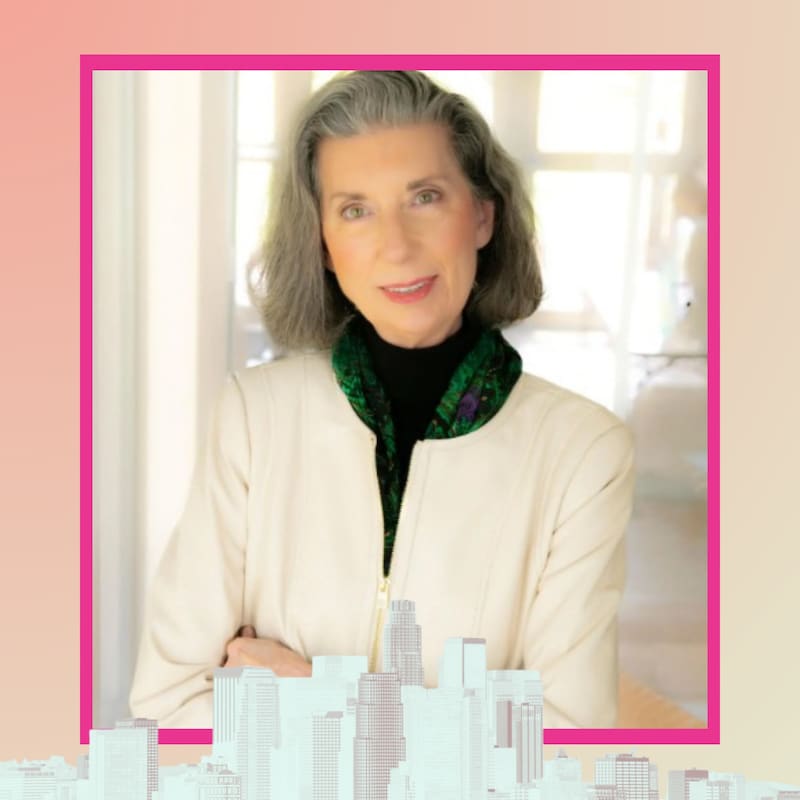
Welcome back to Late Boomers! We’re your hosts, Cathy and Merry, and today’s episode is an eye-opening guide to “creating your third act with style, power, and impact.” In this conversation, we dive deep with Beverly Meyer, renowned natural health educator, speaker, and host of the “Primal Diet – Modern Health” podcast. Beverly is a true pioneer in the fields of holistic nutrition and functional health—and her motto of “food first” is more relevant than ever.
What’s Inside This Episode
Join us as we unpack decades of Beverly’s experience and uncover why the path to better health starts on your plate. Beverly shares her own story of overcoming chronic health challenges—from battling persistent viruses in college to becoming an influential advocate for the primal and paleo approaches to eating. If you’ve ever wondered about the power of real, hearty foods versus supplements, or felt overwhelmed by health fads, this episode is tailor-made for you.
Key Takeaways
- Food First Philosophy: Discover why focusing on proteins, good fats, and vegetables is foundational for optimal health—and why “eating like a human” works.
- Busting Nutrition Myths: Learn why grains and sugar are not suitable foods for humans and how the paleo diet is rooted in our biology—not just another fad.
- Herpes Viruses & Diet: Hear Beverly’s personal health journey with herpes viruses, Epstein-Barr, and more, and how dietary choices can directly impact viral management.
- Supplements: When & When Not: Beverly breaks down why she’s “not a pill pimp,” and how diet, lifestyle, and sleep are the real foundation—supplements come later.
- Sleep & Stress: Understand the importance of sleep and the incredible role of the neurotransmitter GABA in regulating anxiety, mood, and overall brain health.
- Vitamin K2 for Boomers: Most people haven’t heard of K2, but you’ll learn why it’s essential, how it works alongside vitamin D, and which foods and supplements provide it.
- Wellness Warrior Mindset: Get actionable tips for taking charge—even if you feel overwhelmed or intimidated by holistic health. Beverly gives practical, forgiving steps to reclaim a sense of control, starting with what you eat and how you sleep.
Our Call to Action
Ready to revamp your approach to health, one meal at a time? Start by evaluating what’s truly on your plate. Consider removing grains and processed sugars and focusing on nourishing, real foods—your body and mind will thank you. For those wanting extra guidance, check out Beverly’s powerful resources at ondietandhealth.com and her podcast “Primal Diet – Modern Health.” Curious about GABA, paleo recipes, or how to get more K2? Beverly is also active on Pinterest—dive in for actionable inspiration.
Don’t forget: Subscribe to Late Boomers wherever you get your podcasts and follow us on YouTube. If you loved these practical strategies and want more wisdom for your own third act, explore other episodes at lateboomers.us.
Take care of yourselves—remember, it’s never too late to make bold, healthy moves!
With clarity and encouragement,
Cathy & Merry
Mentioned in this episode:
Late Boomers is part of the eWomenPodcastNetwork.
Transcripts
Welcome to Late Boomers, our podcast guide to creating your third act with style, power, and impact.
Merry Elkins [:Hi, I'm Cathy Worthington, and I'm Merry Elkins. Join us as we bring you conversations with successful entrepreneurs, entertainers, and people with vision who are making a difference in the world.
Cathy Worthington [:Everyone has a story, and we'll take you along for the ride on each interview, recounting the journey our guests have the path they've taken to get where they are, inspiring you to create your own path to success. Let's get started.
Cathy Worthington [:Hello and welcome to Late Bloomers, the podcast where we talk about living boldly, aging powerfully, and making smart choices for our health and happiness. I'm Cathy Worthington.
Merry Elkins [:And I'm Merry Elkins. As always, we're here to have real conversations about what it actually takes to feel good in this season of life.
Cathy Worthington [:One topic that comes up again and again, especially for our listeners, is health, and more specifically, how much of our health is tied to what we put on our plates every single day.
Merry Elkins [:Mm-hmm. That's right. We talk a lot about exercise, supplements, sleep, stress, but diet is really foundational. Food can heal. Or it can quietly undermine our, our health over time.
Cathy Worthington [:Our guest today has been a pioneer in natural health and nutrition for decades, long before it was trendy or mainstream. She's practical, passionate, and deeply experienced.
Merry Elkins [:Beverly Meyer is a natural health educator, writer, speaker, and host of the On Diet and Health podcast. Her website is Her website, excuse me, is ondietandhealth.com, and her motto is simple but powerful: food first.
Cathy Worthington [:Beverly, we're thrilled to have you. Welcome to Late Boomers.
Beverly Meyer [:Thank you so much for having me here. And, and yes, Merry , I just want to say my podcast name is Primal Diet Modern Health. Oh, and I'm going to tell you where that name came from.
Cathy Worthington [:Okay.
Beverly Meyer [:Yeah, you know, I'm a co-founder of the paleo, the Paleolithic diet, many, many, many, many years ago before it became popular. And, and so I do teach, and we're going to talk about that, how we have questions to eat the way you want to eat, the way you ate in history, whether you are a cat or whether you are a horse or whether you are a human, how has your system evolved to eat and nourish and digest and thrive? So the podcast Primal Diet, which relates to that modern health, and that means that what I'm all about is the best of modern healthcare. And that's what my blog and podcasts and so on talk about is, okay, How do you correctly test your thyroid? Because your doctor's not testing it properly. Or, you know, why is nobody testing you for sleep apnea just because you're a female?
Merry Elkins [:Right.
Beverly Meyer [:Or, you know, is there food that bothers the gallbladder and might be part of your gallbladder issues? So it— whatever it is, um, yes, I do like to start with food first. So sorry for just jumping in there, but there you go.
Cathy Worthington [:Great. Oh, that's great. No, We know you're such a strong advocate for personal responsibility when it comes to health too. So how did that philosophy take shape for you?
Beverly Meyer [:Like many of us, I have had my own health struggles and a simple one, well, actually turned out not to be simple, but when I was in college back in the '70s at Duke University, I contracted a virus and I I couldn't shake it and the doctors were no help. And, you know, it was like, well, just, you know, get over it. And a friend of mine said this, of course, again, back in the '70s when we were beginning to explore alternative medicine and yoga and, ooh, you know, things like that a long time ago. And she said, you know, go see this person. He's not a doctor. He's a little bit different. But maybe he can help you. And I did, and this person was able to give me some really good health and support.
Beverly Meyer [:And when I left seeing him, I remember clearly saying, wow, you know, if that person is doing what he's doing, which was kind of unusual, and can help me this much, well, then how— what is medicine all about? And, and how do we connect with healthcare providers that might think outside the box. And of course now it's all about, well, you've got 6 minutes, so talk. And I'm like, no, that's not what I— I may spend 2 hours or more with clients.
Cathy Worthington [:Yeah, and the doctor's always on the keyboard and it's crazy now.
Beverly Meyer [:Yeah, that's right. So that's kind of where it started, my initial, uh, oh wow experience back when, when I was in college. And, um, and then I've had my health issues now all my life and struggled, have seen, I've been, I've traveled to 3 countries, you know, I've seen so many doctors and practitioners of all kinds of modalities. And eventually I said, you know, I know more than the last 3 people I've seen. I'm gonna sell my businesses, get rid of my company, you know, just let's, let's just concentrate on my health. And while I'm at it, pass on all this information that at that point I'd been gathering for 20 years. And that's how I got started with On Diet and Health. And that was in the mid-'80s.
Beverly Meyer [:So, here we are today.
Merry Elkins [:Yeah.
Beverly Meyer [:Here we are today.
Merry Elkins [:And so how did, how did your philosophy, food first, actually influence your own diet? And how do you help people truly understand that upgrading their diet is really the essential step towards health, much better health?
Beverly Meyer [:Well, I actually, there was something I've always been a very clean, good eater. I was raised by in a family with proteins, fats, and vegetables. Not a lot of sugar, not a lot of bread or pasta, not a lot of sodas or desserts or whatever. So, I was raised eating similar to what we now call the Paleolithic diet or the paleo diet. But, the big change came when I had a client come to me. Wow, it's been a long time now, maybe, I don't know, 15, 18, 20 years. And she was obviously very ill. She was very thin.
Beverly Meyer [:You could tell she was ill. She didn't want to get diagnosed and treated for whatever apparently cancer it had. That was her choice. She said, but I'm here just to see what can we do. Can you make me feel better and keep me more comfortable, keep me happier? Because I am losing so much weight and So, uh, I began asking her to eat the way that I had been reading and studying and working on myself, of proteins and fats and vegetables, and not based on grains. Um, grains being wheat, rice, corn, oats, that, that humans never evolved to eat those. We, we, we didn't— we don't bend over and graze for food. We're hunters and gatherers, but as hunters, we are upright, looking out and around us, looking for— get this— we're looking for motion.
Beverly Meyer [:So hunters look for motion, a running deer, a flying bird, a jumping rabbit, a snake, whatever it is. And yes, we can also look for clams and things that don't necessarily run and move, but— Or swim. Yes. So we, you know, but, so our eyes are up, our spine is up, we're looking up for proteins, our main foods, and where there are animal proteins, there are, of course, good quality saturated animal fats, which we evolved eating. But my horse and pony that I used to care for, their eyes look down, their nose is down, they're hunting for food along the ground. So, they're not looking for things that run and jump. They're looking for tasty leaves and moss and grass and seeds. So, that's kind of where my philosophy began to adhere was working with this particular patient.
Beverly Meyer [:And she was just thrilled. She said, oh my goodness, I feel satisfied. I feel full. The food is nourishing and my stomach doesn't hurt. And, you know, I mean, it was like, oh, okay, so let's keep going with this. And eventually she passed away, but she told me before she passed, she said, I want you to know that I have felt better in this last year of my life than I maybe have ever felt. She said, thanks to you, even though she was dying.
Cathy Worthington [:Yeah.
Beverly Meyer [:Thanks to the way that she was, she was eating. So then I knew that we were, the whole concept of eat like a human, um, really took hold. And, um, so when I started my podcast, Primal Diet, Modern Health, that kind of became the motto was food first. So I don't want to just jump in there with supplements for people. And I'm very anti what I call, I'm not a pill pimp. Okay, I'm not there to pimp pills and just sell supplements to people. And, you know, that's, that is a, that is a big healthcare lie to me that Oh sure, come here, take these pills, bye-bye. And you know, it's like, no, wait a second.
Beverly Meyer [:We have a lot more work on your diet, your lifestyle, your sleep, how you think, you know, your situations of life, you know, some genetics, of course now we throw in, then just here, take these pills and put money in my bank account. That's not necessarily where we start, that's where we're going to end, if you will.
Merry Elkins [:Do you take any supplements yourself?
Beverly Meyer [:Oh yeah, absolutely. But I've eaten— I'm an unusually— what would be the word? You can't tempt me to go off of my diet and eat a chocolate chip cookie or something. I am untemptable.
Cathy Worthington [:You know, that's an amazing skill.
Beverly Meyer [:Yeah.
Cathy Worthington [:And you had said that your health journey began in the '70s, so you kind of covered my next question because you were struggling with herpes virus and you couldn't find effective help. So my question was, how did that experience change the direction of your life? But I think you pretty much told us the answer to that, but maybe you need to elaborate a little bit on that.
Beverly Meyer [:Yes, it was the herpes virus back in those early college days. I didn't know much about it, but then as it turns out, over the decades, I would— I had many other viral problems. I almost died from Epstein-Barr virus, for example, and it's a very close relative of the herpes virus. It's in the herpes family: mono, chickenpox, shingles, herpes, Epstein-Barr. There's a whole bunch of them that are very similar to what we call the herpes virus. And the, the, the way to manage all of those viruses is absolutely with food first. So that's been a big part of my career and is writing and teaching that no, no, if you have these viruses, you do not eat these things and do eat these things. And yes, we will get to supplements.
Beverly Meyer [:But, well, go ahead.
Merry Elkins [:Why has this remained such an important mission for you? And also, what kinds of food do you advise people take, eat for those viruses?
Beverly Meyer [:Well, as it turned out, about 8, 10 years ago, I began to lose weight and I'm a very slim person anyway, But I lost a lot of weight even though I was eating 2,300 calories a day of really solid food. No carbs, no sugars. And I went to so many doctors, nobody could help me. And basically they sent me home to die. And so I couldn't work. It was difficult to drive. You know, I was getting weak. So I just stayed on the computer researching for, you know, months trying to figure out What is going on? And I knew I had a history with herpes viruses and so on.
Beverly Meyer [:Anyway, I eventually found out and ran my own labs. Oh, I have a genetic immune flaw. Part of my immune system is missing. And that's why I, I have to have always been and still do stay so clean on an anti-herpes viral diet. Diet. So, it's not a matter of choice, it's a matter of necessity that I eat this way and not flare up shingles and chickenpox and herpes and Epstein-Barr and all that stuff again.
Cathy Worthington [:You had it all. Yeah. And, you've talked a little bit about what became known as the paleo diet. How did you first arrive at that way of eating?
Beverly Meyer [:Well, back in the early days here, we're talking 20 years ago, and I'm experimenting, as I mentioned, with this particular patient of, of getting off of grains. And, uh, and then started hearing about other diets, the GAPS diet or specific carbohydrate diet, or, you know, there are various diets now suddenly coming out where Every one of them had absolutely rule number one is no grains. Humans are not suited for grass seed. It's not our food. Yes, you can shove it in your mouth and swallow it, but it's inflammatory and it's high in calories and carbs. It's going to bring on weight and insulin resistance and metabolic syndrome and shut down your estrogen and— excuse me, shut down your progesterone. And elevate your estrogen too high and all these ramifications. So, um, that's, you know, I just kept working with it and then had to combine that, the basic rules for that, with— and for people with any of these herpes viruses, shingles, Epstein-Barr, whatever, there's a whole other set of foods to avoid, uh, that are all high in arginine.
Beverly Meyer [:So That's the key.
Merry Elkins [:Which or what?
Beverly Meyer [:Well, there are 28 amino acids and 9 of them are essential. You have to get from food. And, if you're not eating enough good animal protein, you're going to be low in lysine. And, lysine is the amino acid that controls, helps to control arginine, which is what feeds that whole family of viruses. So I, I was just before we went on the air, I was just looking at, um, there's a couple of shingles groups that I like to follow and, and post, hey, have you seen this article of mine? Or, you know, don't forget your goal, first goal here, food first. You've got to get your arginine under control. And it's just shocking that some of these people have had horrifyingly bad shingles for years. Oh.
Beverly Meyer [:No one has told them, or they have not found out on the internet, that it's shingles— uh, excuse me, arginine— that is driving this virus.
Merry Elkins [:But isn't arginine in nuts and seeds and several foods that are good for you?
Beverly Meyer [:Yes, but again, good for you is a relative term. So if you have a virus in the herpes family like shingles herpes, Epstein-Barr. The nuts are high in arginine, so they're not allowed on our diet until you're more well, more stable, and, and can experiment with certain foods, step out of the boundaries a little bit. The grains stay off the table. That's it. Wheat, rice, corn, oats, rye, barley, uh, those guys are gone. I haven't eaten that stuff in 25 years.. But then there's certain foods, bone broth or collagen, or most protein powders and nuts, chocolate, things that you might not expect that are high in arginine.
Beverly Meyer [:But anyway, that's— so I write what I call about true and correct paleo because everybody's got some version of paleo out there, including, you know, these cookbooks with 40 pages of paleo treats, right?
Merry Elkins [:So tell us what paleo really means.
Beverly Meyer [:Well, it's basically, it's about your biology and whatever living creature you're talking about. What a tree, a wolf, a cricket, whatever it, it has evolved with biological nutritional needs for, for water, or this food or that food. And, you know, it's just, it's, that's another one of my mottos is follow the biology. And when you look at our history from 100,000 years ago or even half a million years ago, we had controlled fire. We had excellent tools. We were wonderful hunters. And we certainly didn't have, you know, bread and pasta. We, you know, we were hunters.
Beverly Meyer [:And we were gatherers. Sure, we might find mushrooms or a couple of eggs or some tubers or some weeds, edible weeds. And so those are part of it. So that is what the paleo diet is about, is follow your biology. No, you're not meant to eat sugar and fructose corn syrup and colors and gums and all these additives. And the grains, the grains are out of there.
Cathy Worthington [:Wow. But you write and speak extensively about the neurotransmitter GABA. Do you say it GABA? That's correct.
Beverly Meyer [:Yeah, GABA.
Cathy Worthington [:And how did you first learn about its role in health and why people should pay attention to it?
Beverly Meyer [:Well, here's another story of mother of invention or mother of necessities, mother of invention. So Again, my health, about 10 years ago, I developed, for me, very intense and unexpected mental, emotional problems. I became very anxious. I couldn't sleep. The world was just too much. I was running several companies and this and that, but I didn't have children or, as many of us have, we all have overwhelming projects in life. But, But for whatever reason, my brain just, it couldn't, I just couldn't handle one more thing. I'd take the phone off the hook for days because if the phone rings and something's is gonna, you're gonna have to do something.
Beverly Meyer [:You're gonna have to think, reply, respond, run an errand, you know. And so I just stepped away from all of that. Um, and I walked out of my practice for a year and on a good day, sure, I'd check in and do things and go get groceries. But eventually I heard from a contact of mine of a neurologist that thought outside the boundaries, outside the box, and went to see him in Florida. And at this time, as I say, it was hard for me to even leave the house. So it was a very brave and strong thing that I did. And I went to see him, spent 3 days in Florida in his clinic. And he's the one that said, We ran all kinds of tests.
Beverly Meyer [:You can't imagine. He said, you have no GABA in your brain, and let me explain to you what this neurotransmitter does and why you're feeling this way, and then we're going to fix it very quickly. So that's how I first learned about GABA. And then with his recommendations, some supplements, some prescriptions, this and that, I quickly was able to realize, oh my gosh, I'm going to live. I'm going to make it. This is, you know, I'm back, or at least, you know, getting back. And now I— that led to, of course, many years of studying this neurotransmitter. And GABA is a very similar neurotransmitter to serotonin, which, of course, we've heard about for decades.
Beverly Meyer [:But we never hear about GABA. I call— well, I have one of my articles is GABA, the Forgotten Neurotransmitter. I don't know if the forgotten is right because nobody ever talks about it. But GABA is the great stabilizer for the electrical signals in your brain. And so it's well known that when you have epilepsy, that it is a GABA problem. The electrical signals are confused. And if you think of it this way, like a metronome on a piano, tick-tock, tick-tock, tick-tock, that's GABA's job is to keep the electrical signals in your brain very steady and coherent. And that those signals manage dozens of essential elements in life, you know, breathing, bowel movements, blood flow, anger, depression, muscles, pain, you know, sleep, anxiety.
Beverly Meyer [:So we're talking big-time neurotransmitters here. And yeah, so that's— I've been studying that now for over a decade.
Merry Elkins [:Yeah, you use the term wired but tired. Were you wired and tired and GABA helped you? And how long did it take for you to recover?
Beverly Meyer [:Well, yes, wired and tired. I mean, that's pretty much it. You're anxious, you're not able to settle in and get things done and maybe not sleeping well. And pretty much all of your functions and habits can be affected. You may be depressed, you may be angry, you may have too frequent urination, too much sweating, or there's many signs. And as I say, in my case, prescriptions, low-dose anti-epileptics, which are stabilizers for GABA, and then nutritional supplements. But now, now I have in my online store, along with a whole bunch of podcasts and articles about GABA to teach people, and then I sell a couple of simple ways that are non-prescription that that you can support GABA for quote unquote stress. So if you just think of it as the stress neurotransmitter, you're in the right direction.
Beverly Meyer [:So there's herbs.
Merry Elkins [:I'm going to be talking to you after the podcast.
Cathy Worthington [:But are we adding to our GABA? Are we getting rid of it?
Beverly Meyer [:No, we're adding it.
Cathy Worthington [:We're adding it.
Beverly Meyer [:Too low. And so our metronome is unstable. Uh-huh. And that's what brings on anxiety, or I mean, there's many things, but anxiety or loose stools or sweating or flushing in the face or many, many, many things. But it's, it's, it's, if you will, serotonin is more known for depression, although I don't like that word, and, and GABA is more well known for anxiety, which I also don't like that word. But it's that feeling of basically everything's just a little too much, which is life right now. And that's the whole point to me, is that we did not evolve to live like this with this much stress, this much worry, pain, injuries, mortgage, marriages, terrorists, ringing cell phones, sleep apnea. All this other stuff that's— and not to mention children and marriages and pets.
Beverly Meyer [:And it's a lot. And we were not built, if you will, or evolved to handle this much acute stress sometimes on a daily basis. Yeah.
Merry Elkins [:Let me—
Cathy Worthington [:Go ahead. Let me ask you a new thing. Vitamin K2 is something most people haven't heard about. I know I haven't. But, what is it and why do you believe it's so important as we age?
Beverly Meyer [:Well, it's actually absolutely essential for newborns as well. So, vitamin K2, you know, as in the B vitamin family, B1, B2, B6, B12. So, there's several vitamins in the K family. And, what we're talking about is K2. So vitamin D, vitamin A, vitamin K, these are— and vitamin E. These are the 4 fat-soluble vitamins. The rest, like vitamin B, vitamin C, those are water-soluble vitamins. So the fat-soluble vitamins need to be taken with food, with fat, and they work together to do their job.
Beverly Meyer [:So when we take vitamin D on its own, and I'm talking about real vitamin D, not the prescription stuff, which is not real vitamin D. What is real vitamin D? It's D3. What doctors prescribe is D2, which is— that's a whole other story. You can extract a little and make a little D3 out of it, but it's That's a whole other story.
Merry Elkins [:But anyway, what food does it come in?
Beverly Meyer [:No, no, hold on. So, so D will not perform the work you want it to do unless it is partnering with vitamin K2. So K allows the body to transport calcium and deposit it in the correct places in your body. So let me give you a little mnemonic for that. I'm going to say 3 things and in your mind, capitalize them all with a big capital K. Okay. You ready? Yeah. K carries calcium.
Beverly Meyer [:Okay. All right. So if you, if you take a bunch of calcium, you take a bunch of D or you, you know, have yogurt or whatever you're doing, that calcium doesn't have an address where to go. And the D is hauling it around in your bloodstream. Like, where's it supposed to go? It doesn't have the GPS to say, you need to go to my bones, you need to go to my teeth, you need to go to my nerve cells, my muscle fibers. And so it'll just drop out into your veins and arteries. Milk. Now, think about that.
Beverly Meyer [:The last thing you want is calcium lining your arteries. If you've ever lived in an area with a lot of limestone in your water, like here in Central Texas, we sit on all limestone aquifers. That's calcium. It hardens your pipes. You know, it makes your pipes smaller and hard. Oh, yeah. And so we don't want that on our arteries. That's what causes high blood pressure is is smaller, harder arteries.
Beverly Meyer [:So your heart says, oh, I don't know what's happening here, but I better raise the pressure in the arteries to try to get blood circulating all over this poor woman.
Cathy Worthington [:Okay.
Beverly Meyer [:Yeah. So that's what causes blood pressure problems, is that we may have— there may be other things, of course, but But that we have not been taking vitamin K2. And this is a generational thing because we got K2 as hunters and we haven't been eating animal organs for a very, very long time. And that's where we get K2. So, it's essential that you supplement K2. I sell it in my online store. But more importantly, I have a D3 with K2 called D3 Complete. And, and then it's already there.
Beverly Meyer [:You just don't even have to worry about it.
Cathy Worthington [:You can take it together in the same—
Beverly Meyer [:yeah, you need to go together. And, and even for, for nursing moms, there's, uh, a form of K2 in, in other ways, and that's a whole other story. But, um, vitamin K2 that a nursing mom can put on the breast so that the baby can accept it straight from there. So, it's a cradle-to-grave nutrient. It has many jobs in the body, but the easiest one to kind of think about is where does calcium go? And, it's part of why we have such narrow faces, narrow jaws, tiny chins and have had to have our teeth pulled. I mean, how many people do you know that have never had a tooth pulled? And it's because of deficiency of vitamin K2 going back generations that we have these narrow, narrow chins, smaller cheekbones, smaller jaws that can't hold all 32 adult teeth. And that's a, that's a K2 problem.
Merry Elkins [:So, so you're talking about the, uh, K2 is in animal organs like liver and, and, uh, yes, all the animal, yeah, animal organs.
Beverly Meyer [:And you can get those in a supplement form. I mean, I have them freeze-dried raw organs in just a capsule form. I mean, it's, you know, that's how easy can you get. Um, but I also like liverwurst and braunschweiger. They're excellent sources for liver.
Merry Elkins [:Interesting. Thank you. And what about GABA? Where can you get that in food?
Beverly Meyer [:Well, there are herbs, herbal tinctures, and tinctures or the dried herbs, especially passionflower. All herbs have hundreds, I don't know about hundreds, dozens and dozens of qualities and jobs in the body. So herbs are extremely complex. The opposite of a prescription pill that does one thing to your blood or your eye or something. But herbs are very complex. But passionflower is very good at locating the GABA receptors, which are all over our body. They're everywhere. Everybody inside of us is looking for GABA.
Beverly Meyer [:So passionflower is good. And California poppy is good. Lemon balm, also known as Melissa, is good. And the other— that's— there's two kinds of GABA you can buy in a capsule. One is called GABA, and you can find it at a drugstore or whatever. It's the wrong kind of GABA. The, the, the one that my clients use for sleep is pharma, like pharmaceutical, pharma GABA. And it's a fermented GABA that makes the GABA able to cross the blood-brain barrier.
Beverly Meyer [:And regular store-bought GABA won't cross your blood-brain barrier. It may do some other things, but it can't get to your brain. So These are just chewable lozenges with a little xylitol. Chew them up before bed. It just shuts your mind down so you're not thinking about bills and laundry and the, I just found a crack in my windshield this morning. I'm like, what? Where did that come from?
Merry Elkins [:Something more to overwhelm you.
Beverly Meyer [:You know, it's like, I don't remember having a crack in my windshield yesterday. Um, but anyway, that's, GABA's very good at just shutting that mind up off that endless train of what if, what if, what if, and the body too.
Merry Elkins [:Yeah. I wanna change the subject slightly. You often talk about becoming a wellness warrior. And for someone who feels, I mean, we're talking about being overwhelmed, especially what if you're a vegetarian? Do you think, gee, do I have to go back to animal fat? I mean, when you're talking to someone who feels intimidated by natural health. How do you make the idea doable rather than overwhelming?
Beverly Meyer [:A couple of things. One, by concentrating on food first. Let's get your food and your sleep and your lifestyle. Let's get some of these things a little more under your own control. And we forget that what we put in our mouths is under our control. I mean, like I said, nobody could make me eat a chocolate chip cookie. It is completely under my control. And so I strongly—
Merry Elkins [:My favorite food, by the way, is a chocolate chip cookie.
Beverly Meyer [:I'm here for that. I'm telling you. But so I like to re-empower people that you can be much more balanced and in control and comfortable in your life when you realized, oh, okay, first of all, let's get rid of the Froot Loops and the, you know, the pasteurized dairy milk and let's get rid of some of this junk stuff and let's start having, you know, beef stew and grilled fish and steamed vegetables and lots of fats and, and some tubers and a couple eggs and some couple, two strawberries or whatever. And it's not hard. And most people realize very quickly, like, wow, thank you. I've been starving myself for decades. I thought I was supposed to just have little salads and a teaspoon of canola oil and 3 bites of salmon. I'm like, nope, you can get over that idea.
Beverly Meyer [:These are big, hearty, excellent meals. And if they're females, I often will say, this is kind of a joke, but not really. That this is a diet your husband's going to like. Tell him, I am on a new diet and I'm calling it the man food diet. Which is, that's not its name, but you know, they're on board. They're like, sure, beef stew and guacamole for breakfast. Yeah, you bet. No problem there, honey.
Cathy Worthington [:Oh yeah. Guacamole sounds good. I know that helping people sleep is a major focus of your work and you've made reference to that a few times. Why do you think sleep is so undervalued in our culture?
Beverly Meyer [:Because it's the same thing. We're so brainwashed to do more, do better, do faster, instead of do happy, do comfortable, do calm. And that's really, to me, what things should be about. And yes, I am passionate. I've had many companies in my life and some of which made me so ill that I couldn't function anymore because it was too much. But I've learned those lessons. But we are in some level of control in our lives. And that's why I say, look, this is a Wellness Warrior situation.
Beverly Meyer [:If you can acknowledge, I might be able to feel a little better if I got some sleep without 6 dogs in the bed. I say, well, there you go. There's something that you can work on along with getting more hearty, stable food. You're going to sleep better if you've eaten hearty food. Your brain's going to work better. Your emotions are going to be much more under control. You don't have blood sugar crashes. And the true and correct paleo diet, you know, you will lose weight without trying.
Beverly Meyer [:And if you're slim like I am, then okay, you need to add more fat and add some extra carbs and like that. But people find, my gosh, I'm losing weight. I'm eating like a horse. My brain is working. I'm sleeping better. My migraines went away. Whatever went away. This went away.
Beverly Meyer [:And And then when we check back after 2 or 3 appointments, I'll ask people, all right, go back to your initial intake form, which I'm also looking at, and tell me if these things you mentioned are problems are still there. And I can read off that list and they're like, oh, oh, I haven't had a migraine in a month. That's, that's really interesting. And oh, My herpes, I was getting those twice a month and I had a little bit of a tiny outbreak a couple of weeks ago, but it went away. I'm like, okay. And then we get to, okay, what about your fibromyalgia or your this? They go, oh no, I still have that. It's like, okay. Then, so that lets us narrow down what we now need to work on with hormones and supplements or whatever the best of modern healthcare.
Beverly Meyer [:Can, can do for you.
Merry Elkins [:You know, maybe it's great, Beverly. And for our late boomer audience, tell us what one small but very powerful change people can make right now to move towards better health.
Beverly Meyer [:Understand and own that you can do better with your food and your sleep, and that there are trusted people who you can look at their websites and do what they say or think about what they say and stay off the miracle cure and the biohacking and the just do one more thing here. That is not the pathway to health. You, you want trusted people that you can go back to their sites, their podcasts, 5, 10, 15, 20 times. And I have people that I I use for my own research. And every now and then I'll just cast something on the web for, you know, shingles, whatever. And like, look at these incredibly bad people selling these incredibly useless things, and they don't even mention the fact that arginine is the key. So you've got to find trusted practitioners and be willing to eat hearty food and demand hearty, stable sleep. I mean, it's a human right to be able to sleep comfortably.
Beverly Meyer [:I got an electric contour bed because my low back has always been a problem since I was a teenager. So now I have an electric contour bed and my back doesn't bother me, by golly. So you think of things you can do to take care of yourself and you take action on them. But Food first. That's my podcast motto.
Cathy Worthington [:Fabulous. Beverly, this has been such an enlightening conversation.
Beverly Meyer [:Yeah.
Cathy Worthington [:You bring clarity and common sense to topics that often feel very confusing.
Merry Elkins [:And we really appreciate your decades of experience and your practical approach to health.
Cathy Worthington [:And to learn more about Beverly's work, visit ondietandhealth.com and be sure to check out her podcast. And what the name of the podcast again is?
Beverly Meyer [:Primal Diet, Modern Health. And I'm also very active on Pinterest. So that is, if you haven't been on Pinterest in a while, go to On Diet and Health on Pinterest. It's actually my most active social media is over there on Pinterest.
Cathy Worthington [:So, oh, you wouldn't even think of that for this.
Beverly Meyer [:Yeah. Yeah. It's still there. And it's, you know, a lot of people use it and it's easy to sort through and find something you're looking for, like, oh, what does Beverly say about passionflower? Oh wow, here it all just comes right up. Oh yeah.
Merry Elkins [:Oh, that's great. Thank you, Beverly. And thank you too to our listeners for spending time with us today.
Cathy Worthington [:You can find Late Boomers wherever you get your podcasts, and please subscribe to Late Boomers on YouTube.
Merry Elkins [:And so until next time, take good care of yourselves, listen to what Beverly said, And remember, it's never too late to make bold, healthy moves.
Beverly Meyer [:Thank you very much.
Cathy Worthington [:Thank you for joining us on Late Boomers, the podcast that is your guide to creating a third act with style, power, and impact. Please visit our website and get in touch with us at lateboomers.us if you would like to listen to or download other episodes of Late Boomers, go to ewnpodcastnetwork.com.
Merry Elkins [:This podcast is also available on Spotify, Apple Podcast, and most other major podcast sites. We hope you make use of the wisdom you've gained here and that you enjoy a successful third act with your own style, power, and impact.


