Shownotes
This week’s Wildlife Matters Podcast centres around the poignant issue of badger culling as we explore the alarming 2024 cull figures released by the Badger Trust and Wild Justice, which reveal a tragic loss of 10,769 badgers due to mismanagement by Natural England and DEFRA. This disconcerting development highlights the urgent need for accountability and the protection of our wildlife. In a contrasting yet equally captivating segment, we recount a mesmerising encounter with wild beavers in the West Country. This experience evoked both awe and wonder as we observed these remarkable creatures in their natural habitat. Additionally, we delve into the successful petition to end the confinement of caged animals in the UK, alongside the upcoming Churches Count on Nature initiative, which encourages community involvement in citizen science. Join us as we explore these pressing topics and cultivate a deeper appreciation for the wildlife that surrounds us.
Hello and welcome to this week’s Wildlife Matters Podcast
Here we are at the end of May, with summer fast approaching. After many weeks of warm sunshine in the UK, there has been a brief respite for most wildlife and plants, with some rain in most areas.
This is vital, as many species, such as badgers with cubs, have struggled to dig into the sun-baked soil to find earthworms, and birds with youngsters in the nest have struggled to find insects and caterpillars, which have been emerging in much lower numbers this year.
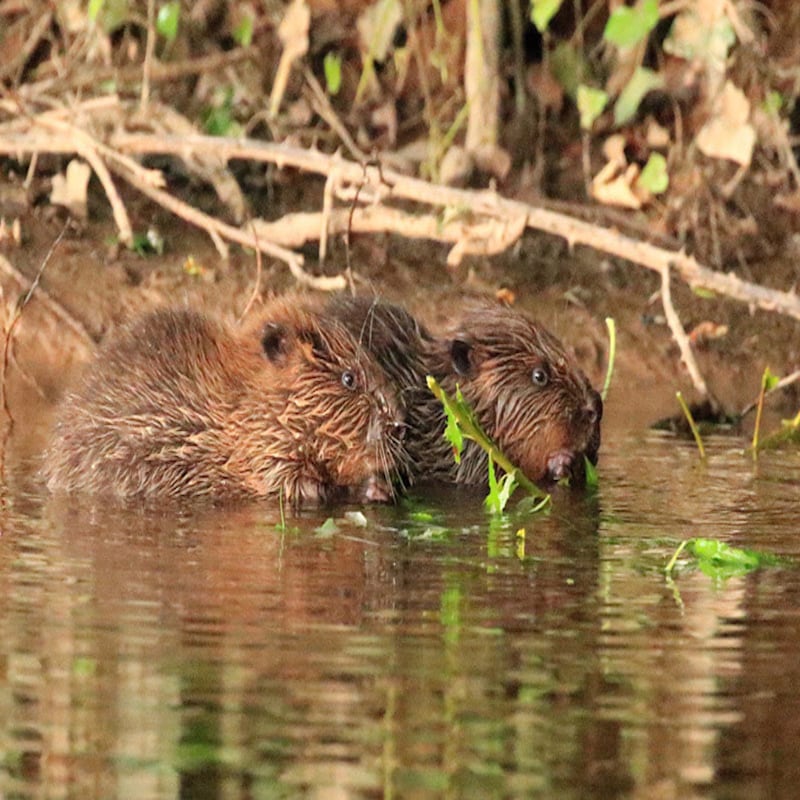
This week’s Wildlife Matters main feature is an incredible night we spent with wild beavers in the West Country.
It was the first time I had seen a wild beaver in its natural habitat, and I was frozen to the spot as the Beaver went about its business of an early evening swim. This is a captivating story which we are sure you won’t want to miss.
And we will spend precious time in tune with nature in this week’s Wildlife Matters Mindful Moments.
But before that, in this week’s Wildlife Matters Nature News, we are talking about the badger culls as Badger Trust and Wild Justice release the 2024 cull figures in the first of a series of exposés of the failings of Natural England and DEFRA.
We hear about a successful petition to end caged animals in the UK and the return of the Church graveyard Citizen Science week, Churches Count on Nature, and that is coming up next on this week’s Wildlife Matters Nature news.
Takeaways:
- The recent rainfall across the UK has provided crucial relief to wildlife and plants, particularly benefiting species such as badgers and birds.
- In the Wildlife Matters main feature, we recount a mesmerising encounter with wild beavers in their natural habitat, highlighting their unique behaviours and significance.
- The Badger Trust and Wild Justice have unveiled alarming figures regarding the 2024 badger culls, raising concerns about the treatment of this protected species.
- A successful petition has garnered over 103,000 signatures advocating for the end of caged animals in the UK, prompting a parliamentary debate on the matter.
- The Churches Count on Nature initiative will engage communities in citizen science, focusing on biodiversity in churchyards, with particular attention on swifts this year.
- Our Wildlife Matters Mindful Moments segment encourages listeners to appreciate nature through soundscapes, fostering a deeper connection with the wildlife around us.
Links referenced in this episode:
Companies mentioned in this episode:
- Badger Trust
- Wild Justice
- Natural England
- Defra
- Compassion in World Farming
- Devon Wildlife Trust
- SaveMe Trust
Transcripts
Hello and welcome to this week's Wildlife Matters podcast.
Speaker A:Well, here we are at the end of May, with summer fast approaching, and after many weeks of warm sunshine here in the uk, there has been a brief respite for most wildlife and plants, with some rain in most areas.
Speaker B:This is vital as many species, such.
Speaker A:As badgers with cubs, have struggled to dig into the sunbaked soil to find.
Speaker B:The earthworms that they need.
Speaker A:And birds with youngsters in the nest have struggled to find the insects and caterpillars which have been emerging in much lower numbers this year.
Speaker A:This week's Wildlife Matters main feature is an incredible night we spent with wild beavers in the West Country.
Speaker A:It was the first time I'd seen a wild beaver in its natural habitat and I was frozen to the spot as the beaver went about its business of an early evening swim.
Speaker A:This is a captivating story which we are sure you will not want to miss and we will spend precious time in nature in this week's Wildlife Matters mindful moments.
Speaker A:But before that, in this week's Wildlife Matters Nature News.
Speaker A: ild justice have released the: Speaker A:And we'll hear about a successful government petition to end caged animals in the UK and the return of the church graveyard.
Speaker A:Citizen Science Week called Churches Count on Nature.
Speaker A:And that is coming up next on this week's Wildlife Matters Nature News.
Speaker A: badger cult figures from the: Speaker A:But they have been silent following their ongoing court case which is due to.
Speaker B:Be held in the autumn.
Speaker A: badgers were killed in the: Speaker A:That's a tragic and shocking waste of life.
Speaker A:And all because Natural England's relationship with DEFRA and farmers was thought to be more important than the lives of of 10,000 badgers.
Speaker A:That is not a valid reason to kill a protected species.
Speaker A:Their press release continues.
Speaker A: dgers they killed during this: Speaker A:There has been complete radio silence.
Speaker A:Are they busy working on how to explain it perhaps.
Speaker A:Well, they claim there are other delays too, because typically in early May, Natural.
Speaker B:England announces the latest badger color licenses.
Speaker A:Issued for the supplementary coal areas that become effective from 1 June.
Speaker A:However, as of 30 May May, there has been no announcement, only more silence.
Speaker A:Their press release continues.
Speaker A:Badger groups throughout England will be vigilant this Sunday monitoring their local sets, but they face uncertainty.
Speaker B:Will the paid shooters arrive?
Speaker A:Will the police intervene or will nothing happen at all?
Speaker A:The Labour government is failing to protect a protected species and showing a cavalier disregard for the law and the facts.
Speaker A:Natural England under Labour is not safeguarding badgers.
Speaker A:Instead, they seem more concerned about maintaining their relationship with farmers.
Speaker A:The public must be vigilant.
Speaker A:In the absence of notifications regarding licensed coals, shooting badgers may constitute illegal persecution and could be considered a crime Secretary of State, it's time for the Labour Party to take responsibility and address the chaotic management within your department.
Speaker A:The phrase it's how government works is not an acceptable excuse.
Speaker A:Your party is now in power and they end their press release by addressing Secretary of State staff Steve Reed directly saying the time for transparency is now.
Speaker A:Stop defending the failures of your predecessors and end the badger cold now.
Speaker A:Wildlife Matters wishes the Badger Trust and Wild justice every success with their court case and you can help support them by contributing to their crowdfunder legal costs.
Speaker A:You will find more information on the Badger Trust website and I will leave a link to that and the crowdfunder in the show.
Speaker A:Notes Our second story is about a parliamentary debate that has been scheduled after a petition against caged animals reached 103,000 signatures.
Speaker A:A petition advocating for a ban on the use of cages and crates for farmed animals has now gone over 103,000 signatures, prompting a parliamentary debate in the House of Commons.
Speaker A:The Compassion in World Farming petition calls on the government to prohibit the use of cages and crates for laying hens, other birds and sows, as well as a ban to individual calf pens.
Speaker A:A debate regarding the position is now set to take place on 16 June.
Speaker A:In response to the petition, the government has stated this government was elected with a mandate to implement the most ambitious.
Speaker B:Plans to improve animal welfare in a generation.
Speaker A:We are currently considering the issue of cage and crate usage very carefully.
Speaker A:Wildlife Matters would like to say thanks to to everyone who has signed that petition and we will keep you updated after the debate.
Speaker A: urch's account on Nature Week: Speaker A:Running from June 7 through through to June 15, the event invites local communities to engage in citizen science by recording the diverse plants and animals found in their local churchyards.
Speaker A: he documentation of more than: Speaker A:This year there will be a special focus on swifts and Edward Mayer from Swift Conservation said nothing but nothing flies like a swift.
Speaker A:These charismatic birds presence at your church shows everyone that the biodiversity there is in good hands.
Speaker A:Participants are encouraged to identify small swift nest sites, organize evening swift events and use the Swift Mapper app to record their nesting locations.
Speaker A:The Most Reverend Andrew John, the Archbishop of Wales, emphasized the importance of involvement, stating, we all have a shared responsibility to look after our world and the creatures living in it.
Speaker A:We will leave a link to that in our show notes and if any of this week's stories have sparked your interest, then please do share your thoughts and comments on our social media posts or by leaving a comment wherever you get your podcasts because your feedback helps other nature lovers discover this podcast that was this week's Wildlife Matters Nature New it's evident that politics have been the driving force behind the badger culls and Bovine TB is pretty primarily transmitted through cattle with 95% of known transmission occurring from cattle to cattle.
Speaker A:In Wales there is a proactive approach to testing for and eradicating the disease whilst supporting farmers and without resorting to culling badgers.
Speaker A:This strategy was advocated by SaveMe Trust's Ann Brummer, vet Dick Sibley and Sir Brian May in their groundbreaking BBC documentary which shared their experience with bovine tv.
Speaker A:If you haven't seen it, it is still available on the BBC iPlayer.
Speaker A:It's time for England to stop killing badgers and address the real issue which is Bovine TV engine.
Speaker A:The vaccine and testing technology are already available, but is there the political will to implement them?
Speaker A:In this week's Wildlife Matters mindful moments, we make time to appreciate a very special native animal as it enjoys its evening meal recorded at night in a very special wild place.
Speaker A:Sit back, relax and enjoy a sound that most people in the UK will not have heard before.
Speaker A:I could hear the wood being stripped from the tree and I could only equate it to the sound of a razor sharp chisel edge.
Speaker B:As someone far more skilled than I.
Speaker A:Delicately chiseled away at a sculpture, the rhythmic scraping sound was mesmerizing as I sat with the camera focused on this one point I'd hoped to see this and it was everything that I had imagined.
Speaker A:We do hope you enjoyed the sound of a beaver as it was feasted on a felled willow tree in this week's Wildlife Matters Mindful moments and stay with us as we take you on a journey to discover a native wild animal in the depths of the west country on what was a magical and captivating experience as we take you in search of wild beavers on this week's.
Speaker B:Wildlife Matters main feature.
Speaker A:Hello and welcome to this week's Wildlife Matters main feature and to a story I've been so excited to share with you because finally the day had arrived.
Speaker B:After two postponements due to the heavy and continuous rainfall that had swollen the rivers and flooded the banks.
Speaker B:I was packed and I was ready for a long day and night.
Speaker B:Watching beavers, just saying these words still feels a little strange, but it was.
Speaker A:A fact that I was off to.
Speaker B:See wild beavers living in their natural.
Speaker A:Habitat in the uk.
Speaker B:I've known about this location for some time now and followed the project with much interest, but for some inexplicable reason, I had not been here to see things for myself.
Speaker B:There are planned trips here throughout the year where local rangers or volunteers will take you to the most likely of several places that the beavers could appear.
Speaker B:And most times they do get it right.
Speaker B:I recommended the tours organized by Devon Wildlife Trust.
Speaker B:I was fortunate to be guided by a wildlife photographer who knows the area.
Speaker A:And the local beavers very well.
Speaker B:We've arrived at the chosen site for the night and put up a small.
Speaker A:Dark tent that would offer meager shelter.
Speaker B:From the intermittent drizzle.
Speaker B:However, it did give us a focal point and a base, so we set up our tripods and our cameras.
Speaker B:The sun was nearly dipping below the horizon and we switched to using an infrared light on our head torches to finish our setup.
Speaker B:Although we were in super stealth mode, people were walking their dogs while others were jogging, which just made for a very surreal scene.
Speaker B:I sat quietly enjoying the relaxing river sounds and I saw a heron, statuesque but highlighted against the far bank.
Speaker B:The heron jabbed its long beak towards the bank and a squeal was heard as it caught a common frog.
Speaker B:Despite the alarm call of the frog, within two flicks of the heron's beak, it had centred the frog and swallowed it whole.
Speaker B:The heron took a few more long legged strides and repositioned itself, hoping to find another meal.
Speaker B:After an hour or so, the pedestrian traffic on the riverbank had stopped, but we noticed a small group of six people setting up a Little way down the river, we were drawn to the bright lights of their torches, the whirring of their camera motors and the length of their lenses.
Speaker B:We smiled at each other as we pondered if they had or indeed would see anything tonight.
Speaker B:That heron had found a good spot, as the next time I looked, it was holding a decent sized fish in its pit beak.
Speaker B:It was far less graceful than with the frog, but it finally managed to swallow it.
Speaker B:I was told it was a small trout.
Speaker B:The tawny owls had begun their patrols for the night and we could hear the calls as they told each other all the latest news from their travels.
Speaker B:And then a silhouette emerged from the dark edges of my vision.
Speaker B:I could see the movement on the water that reminded me of a bow wave from a narrow boat.
Speaker B:And following the water's movement, I looked through my scope and I could see the head of a beaver.
Speaker B:Although native to the UK and once widespread, but through persecution and habitat loss, beavers became virtually extinct from most of the uk.
Speaker B:And like so many of my generation and younger, I've never seen a wild beaver before.
Speaker B:I was crouched on the ground as if frozen to the spot as the beaver went about its business of an early evening swim before it dipped under the water, only to surface again a few moments later.
Speaker B:But several meters away from its dive.
Speaker A:Spot, I'm pretty sure it was just.
Speaker B:Having some fun before starting on its night's work.
Speaker B:But the short dips under the water provided us with a whole realm of pictures that that are a beautiful memory of seeing my first wild beaver.
Speaker B:As the beaver made its way beyond us and further down the river towards our fellow watchers, a sudden bright light illuminated the water.
Speaker B:The beaver disappeared under the water as the camera motors whirred frantically into life and burst off hundreds of frames in just seconds.
Speaker B:I don't know what they may have.
Speaker A:Captured, but I suspect it would have.
Speaker B:Been the surface of the water.
Speaker B:Without a beaver in sight, we decided to follow the beaver's lead and not hang around.
Speaker B:We left our base camp and taking some basic kit, we set off towards one of the tributary areas where we could watch them around the dam that they had built.
Speaker B:This felt so much better.
Speaker B:It was wild and it was dark.
Speaker B:I sat on my folding stool and quietly scanned the area with my scope.
Speaker B:There was no activity in the beaver pool or indeed around the dam area.
Speaker B:But high up in the tall tree I could see some corvids at roost.
Speaker B:I love how they huddle along the branch and the hierarchical structure as you progress higher up the tree.
Speaker B:I Watched the Daubenton's bats skillfully skim the beaver's pond surface as they harvested insects for their evening meal.
Speaker A:It was fascinating, and to be honest.
Speaker B:I was already made up with my sightings.
Speaker B:But the night was still young.
Speaker B:As we sat silently enjoying the beautiful night.
Speaker B:Two beavers had left their den below the dam and ventured out into the pond.
Speaker B:The night was still, but there wasn't a lot of light from the moon.
Speaker B:There was enough though, to see the beavers shimmering in the silvery reflections on the water.
Speaker B:But I knew my camera would struggle to get a decent image.
Speaker B:No matter.
Speaker B:I was happy just to watch and take in the graceful way that the beavers move almost silently, gliding through the water.
Speaker B:They were busy tonight.
Speaker B:They had gone to the pool's edge to our left, where two large willow trees had been felled.
Speaker B:The trees looked like they had been felled for a while.
Speaker B:As I looked through my night scope, you could see that the side branches were already stripped and large sections of bark have been taken off the top edge of the fallen tree.
Speaker B:They must be walking along the tree to harvest bark that would have been for their food store this coming winter.
Speaker B:I'd never seen a beaver walk along a fallen tree, but I became even more intrigued when I noticed that the second tree was at an angle maybe 45 degrees and had patches of bark stripped off the top edge.
Speaker B:Although they filled my head, now was not the time to ask questions.
Speaker B:Instead, I clicked the camera to night mode and followed the pair of beavers as they foraged for free fresh bark and leaves.
Speaker B:I was drawn to one that I was later told was a male.
Speaker B:As it went to an old large willow tree with a circumference wide enough that I would have struggled to get my arms around it and hold my own hand.
Speaker B:And it began to feed.
Speaker B:It was on its hind legs, slightly stretching as it reached up the tree and began scraping at the wood with its large front teeth.
Speaker B:I could hear the wood being stripped from the tree.
Speaker B:I could only equate it to the sound of a razor sharp chisel edge as someone far more skilled than I delicately chiseled away at a sculpture.
Speaker B:The rhythmic scraping sound was mesmerizing.
Speaker B:As I sat with the camera focused on this one point, I hoped to see this.
Speaker B:And it was everything that I had imagined.
Speaker B:After their snacks, the two beavers met up and began grooming their fantastic fur.
Speaker B:The dark brown coat is so thick you can see how dense it is.
Speaker B:And they reminded me of watching my local badgers grooming themselves around the set on a summer's evening.
Speaker B:Magical.
Speaker B:The pair of beavers began their nightly routine of foraging for bark, for food, and constantly ferrying branches back to their underwater den.
Speaker B:Then the attention changed.
Speaker B:I had been sitting almost casually, watching the bats as they skimmed along the still waters of the damned lake, scooping up copious amounts of insects, when a nudge from my colleague had me staring in almost disbelief.
Speaker B:One of the beavers, possibly the male, was walking along the bough of a willow tree it had felled some time ago in a desperate fight for survival.
Speaker B:The tree had begun sending up new shoots from the edge of its trunk as they lay horizontally with its roots and the short stump still firmly planted in its original position.
Speaker B:The beaver was climbing along the felled trunk and snacking on the bark as it made its way towards what was left of the canopy.
Speaker B:We sat in silence, and I was in a heightened state of excitement.
Speaker B:I had never seen a wild beaver before tonight, and now I was watching one climb a tree.
Speaker B:Its progress was fast until it became distracted by the fresh new foliage.
Speaker B:A tasty treat for a beaver and well worth climbing along the trunk for.
Speaker B:I had not heard of beavers climbing before.
Speaker B:Still, upon getting home and doing a little research, I found a handful of reports of similar activity within beaver groups, and interestingly, two were from this pack in Devon.
Speaker B:It may be a more common behavior than many of us know.
Speaker B:We spent the whole night actively watching the beavers going about their business.
Speaker B:And as the light began to creep above the horizon, we decided to pack up our equipment.
Speaker B:In that beautiful early morning light of summer, the beavers looked magnificent in the water as the light danced around the area and the reflections created miniature cascades of colour.
Speaker B:It was like a small rainbow dancing.
Speaker A:Just above the water where the bats.
Speaker B:Had fed so well just a few short hours ago.
Speaker A:As we slowly walked back, I caught.
Speaker B:Sight of a stunning dog fox with its russet coat and white chest patch almost shining, shining in the early morning light.
Speaker B:It slipped into the thicket a safe distance away and watched us as we walked by, its large bushy tail occasionally flicking in a pulsing motion as if it were sensing our footsteps heading away from it.
Speaker B:As we returned to the base camp, a male blackbird startled us with its alarm call.
Speaker B:The birds early morning sounds ceased immediately until they determined that we were not a threat.
Speaker B:And then they began their excited morning chatter once again.
Speaker B:I returned to Raven.
Speaker B:My camper van made a cup of tea, sat and watched the sunrise on this beautiful summer day, feeling happy and content that I had just enjoyed one of the most magical wildlife encounters that I had ever had.
Speaker A:After nearly four years of the Wildlife Matters podcast, this was one of the most magical things we have done.
Speaker A:I hope we have captured the the genuine excitement and thrill of seeing a wild beaver for the first time and just watching them going about their nightly business but in a completely wild location.
Speaker A:Just as it should be.
Speaker A:If you know a wildlife and nature lover who may enjoy our adventures and storytelling, please share this episode with them or ask them to visit the Wildlife Matters website where you can find every episode of the podcast.
Speaker A:You can listen on your phone, your smart speaker, your computer or however you connect to the web and you can find Wildlife Matters on YouTube.
Speaker B:If you do, please like and subscribe.
Speaker A:Next time on the Wildlife Matters podcast.
Speaker A:Join us for a walk to celebrate the summer solstice to one of the most mystical and magical places in the uk.
Speaker A:Subscribe now and follow us to never miss a new episode.
Speaker A:The Wildlife Matters podcast is independent and we want to keep it that way.
Speaker A:Please support our work by giving what you can via our website's Ways to Help page.
Speaker A:You'll find a link in the Show Notes.
Speaker A:Thank you and Wildlife Matters will return in two weeks time and as always, thank you for your time in joining us today.
Speaker A:We hope you have enjoyed the adventure with beavers and learned something new from our stories and content which is one of the main objectives of this podcast.
Speaker A:Stay curious wild ones.
Speaker A:This is Wildlife Matters signing off.
