Shownotes
Episode 87: Celebrating NAIP Launch Week & Creating Through Chronic Illness with Alaina Moore of Tennis
What does it take to keep creating when your body is struggling? How do you continue making meaningful work while navigating uncertainty, limitations, and chronic illness in real time?
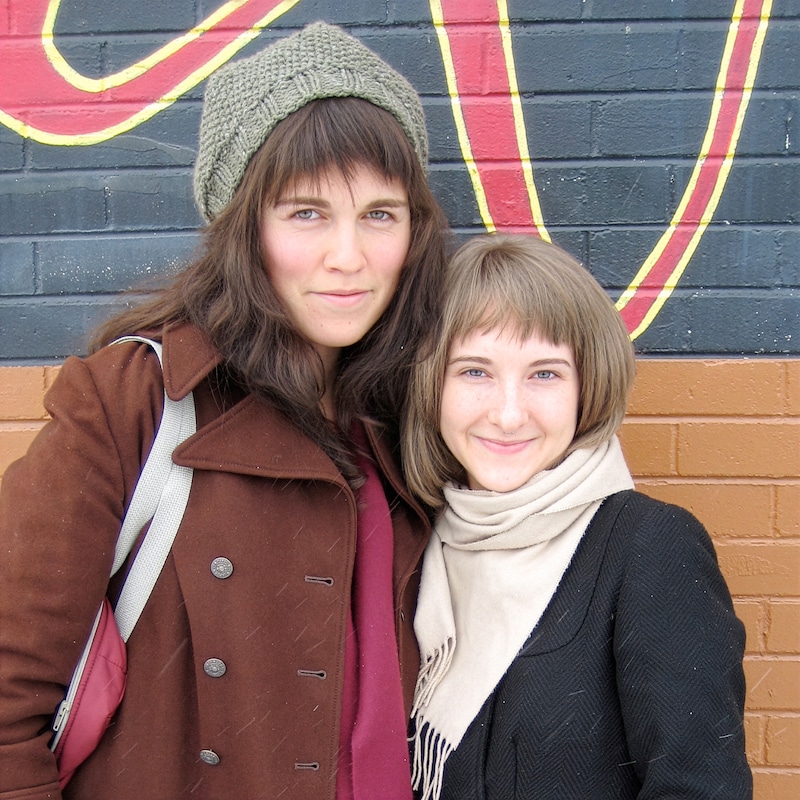
In this special episode of the Autoimmune Wellness Podcast, Mickey Trescott celebrates the launch of The New Autoimmune Protocol with a deeply personal conversation featuring her longtime friend Alaina Moore—vocalist and songwriter of the indie band Tennis.
Instead of interviewing a guest, Mickey takes the guest seat herself as Alaina turns the tables to explore the creative process behind the new book, the realities of creating while chronically ill, and the surprising overlap between art, music, food, and healing.
Together, they discuss what it means to pursue creative work while managing chronic illness, how illness can shape identity and perspective, and why adapting to changing capacity is often part of the process. Alaina also shares her experience navigating dysphonia while recording and touring, while Mickey reflects on photographing The New Autoimmune Protocol during a severe autoimmune eye flare.
This conversation is honest, funny, emotional, and deeply relatable for anyone who has tried to keep showing up for meaningful work while living in a body that doesn’t always cooperate.
In this episode, you’ll learn:
- How chronic illness can shape creativity, identity, and artistic work
- Why adapting to limitations is often part of the creative process
- The similarities between songwriting, recipe development, and visual storytelling
- How Mickey approaches recipe development, writing, and cookbook photography
- Why creative work often requires both structure and chaos
- How sensory imagination influences both music and cooking
- Alaina Moore’s experience recovering from dysphonia while touring with Tennis
- Mickey’s experience photographing a cookbook during an autoimmune eye flare
- Why accepting chronic illness can feel freeing instead of limiting
- The emotional impact of medical gaslighting and delayed diagnosis
- How creativity, music, and art can help people move through illness
- Why managing chronic illness is different from “overcoming” it
Resources:
Alaina Moore & Tennis
- Website: https://tennis-music.com
- Instagram: @tennisinc
- Playlist mentioned in the episode: Available here!
Mickey Trescott
Episode Timeline:
00:00 – Introduction and NAIP launch week reflections
01:31 – Introducing Alaina Moore of Tennis
04:37 – Artists, chronic illness, and creative resilience
07:08 – Mickey’s writing and recipe development process
13:31 – Alaina’s songwriting process and creative structure
18:11 – Music, taste, and sensory imagination
25:07 – How Mickey perfects recipes
30:17 – Why Mickey shares her work publicly
32:56 – Creative breakthroughs and photographing the new book
39:02 – Alaina’s experience with dysphonia and vocal rehabilitation
44:11 – Accepting chronic illness and redefining healing
51:14 – Wrap-up and closing reflections
Transcripts
Hi, everybody.
Mickey:This week, The New Autoimmune Protocol is out in the world, and reaching
Mickey:this milestone just feels so special.
Mickey:While I am no stranger to writing books, you guys know that this one
Mickey:was uniquely challenging in that I experienced some new health issues as
Mickey:I was deep in the creative process, which meant learning in real time how
Mickey:to keep showing up with a very different capacity and meeting these deadlines.
Mickey:So this book really came together with real life, alongside my chronic illness,
Mickey:uncertainty, and with the kind of support that makes it possible to just keep going.
Mickey:Today's episode is extra special because instead of me talking about the book or
Mickey:interviewing somebody else, I am going to be sitting in the guest seat with my
Mickey:college best friend, somebody who has known me since we met in music school, and
Mickey:who also deeply understands firsthand what it looks like to finish a creative project
Mickey:under the strain of chronic illness.
Mickey:Welcome to the Autoimmune Wellness Podcast.
Mickey:I'm your host, Mickey Trescott, and this podcast is all about helping you
Mickey:take ownership of your health through the Autoimmune Protocol and beyond.
Mickey:And just a quick reminder before we dive in, this podcast is for informational
Mickey:and educational purposes only.
Mickey:It's not a substitute for medical advice, so always consult your
Mickey:healthcare provider before making any changes to your diet or treatment plan.
Mickey:And now I get to introduce somebody who is incredibly special to me.
Mickey:Today's guest and interviewer is one of my best friends from college, Alaina Moore.
Mickey:We met in music school long before either of us knew what our careers or our
Mickey:health journeys would actually look like.
Mickey:Professionally, Alaina is one half of the popular indie band, Tennis, where
Mickey:she is the vocalist and songwriter.
Mickey:And if you guys are not familiar with their work, Tennis has built this totally
Mickey:devoted following for their distinctive, detailed sound that spans so many styles
Mickey:and their incredible live performances.
Mickey:Seriously, go check it out on YouTube.
Mickey:They are amazing.
Mickey:Her work as a musician is rooted not just in that storytelling and creative
Mickey:process, but also in resilience.
Mickey:And what makes our conversation so meaningful is that Alaina
Mickey:understands firsthand what it means to continue creating while
Mickey:also managing chronic illness.
Mickey:Both of us have had to learn how to work with our bodies instead of
Mickey:against them, how to honor limitations while still pursuing this meaningful
Mickey:thing that we really want to do, and how to redefine what productivity
Mickey:and success actually look like.
Mickey:And throughout the years, Alaina and I have turned to each other for
Mickey:support during some of these really difficult seasons of our careers.
Mickey:And so today, she's turning the tables and interviewing me about the process of
Mickey:writing The New Autoimmune Protocol, what it really took behind the scenes, and what
Mickey:it means to create something meaningful while living with chronic illness.
Mickey:So Alaina, welcome to the podcast, and actually technically,
Mickey:your podcast for today.
Mickey:Thank you so much for joining me on this special day.
Alaina Moore:Yay.
Alaina Moore:Thank you for having me, and thanks for the introduction.
Alaina Moore:I really appreciate it.
Mickey:Absolutely.
Alaina Moore:Well, you know I'm so proud of you.
Alaina Moore:I have been for a really long time.
Alaina Moore:Um, we both relate in the sense of self-publishing in a way.
Alaina Moore:Like, so my husband and I are a band.
Alaina Moore:We worked with labels, but after feeling really dissatisfied with those
Alaina Moore:experiences, we started self-releasing.
Alaina Moore:And around that same time you started self-publishing, and it was just really
Alaina Moore:cool to relate on that level as being like control of your own work that
Alaina Moore:is a creative labor of love, and then also being, like a business person.
Alaina Moore:Um, like just a weird confluence of things that most people don't
Alaina Moore:like business and creativity to go together, but sadly they often do.
Alaina Moore:So that's been really amazing to watch from the sidelines.
Alaina Moore:And then now we've had our... As you pointed out, our relationship has had
Alaina Moore:this really unique, like dovetailing where we've had these points of symmetry
Alaina Moore:in all the years that we've known each other, starting off with bonding over
Alaina Moore:being music majors and our love of music, and now somehow in publishing where we're
Alaina Moore:both writing books, I'm writing a book.
Alaina Moore:And then the challenges of working with our own bodies.
Alaina Moore:So in preparation for this, I was actually thinking a lot about, um,
Alaina Moore:how many artists that I have loved who worked through chronic illnesses.
Alaina Moore:A lot of people are going to know, like Frida Kahlo worked
Alaina Moore:through a life of chronic pain.
Alaina Moore:One of my favorite authors, Flannery O'Connor, actually had
Alaina Moore:lupus her whole creative life.
Alaina Moore:Like, she had to work alongside of that.
Alaina Moore:Recently I read a really beautiful memoir called The Sound of a Wild Snail Eating,
Alaina Moore:which is about this woman, Elizabeth Bailey, who was bedridden for, um, two
Alaina Moore:years with an undiagnosable chronic illness on, like a cellular level.
Alaina Moore:And was unable to do anything except for look at a snail that someone
Alaina Moore:put in a terrarium on their bedside table, and she just observed a snail
Alaina Moore:for two years while she was inert.
Alaina Moore:And it was one of the most, like powerful things I've ever read.
Alaina Moore:But while I was working through my chronic illness, and you've been doing this for,
Alaina Moore:you know, a very long time now, I took so much inspiration from the lives of
Alaina Moore:other people who have done this, and I know we also have with each other.
Alaina Moore:But I think it's interesting how much of a... it feels very... isolating when
Alaina Moore:you have a chronic illness, but it's weird how actually how many people have
Alaina Moore:had to work through this, and it gives you a really unique point of view.
Alaina Moore:It shows you different things in the world, and I mean, if you let it, it
Alaina Moore:can enrich your art and your work.
Alaina Moore:Um, and, uh, last before I finish my little speech here, I... while I was
Alaina Moore:really sick and turning to you a lot, and we were in the middle of working
Alaina Moore:on a record, I read the essay by Susan Sontag, "Illness as Metaphor," not
Alaina Moore:knowing what it would be about, but I thought, "Well, I'm certainly going to
Alaina Moore:relate." And the opening was so beautiful, I just wanted to share it with you:
Alaina Moore:"Illness is the night side of life, a more onerous citizenship. Everyone who
Alaina Moore:is born holds dual citizenship in the kingdom of the well and in the kingdom
Alaina Moore:of the sick. Although we all prefer to use only the good passport, sooner or
Alaina Moore:later, each of us is obliged, at least for a spell, to identify ourselves
Alaina Moore:as citizens of the other place."
Alaina Moore:I just thought that was really inspiring and a beautiful way of framing it,
Alaina Moore:that this is something that touches all of us, and I know this is why
Alaina Moore:your work has been so important.
Alaina Moore:So yeah, I just wanted to have a conversation with you and dive into this.
Alaina Moore:My very first question for you is, I love to talk about, like, process.
Alaina Moore:So what's your routine as a, as a, not just a writer but also
Alaina Moore:as someone who creates recipes?
Alaina Moore:Tell me, like, what's your routine, your creative process?
Alaina Moore:Talk me through that.
Mickey:Yeah.
Mickey:So thank you for that opening, and I really love that piece, and I
Mickey:love the dual citizenship 'cause sometimes that's how it feels, right?
Mickey:Especially when you have some sort of a public face to whatever you're
Mickey:doing, and the private part, you're kind of like, "I'm a member of two
Mickey:clubs," but you know, one of them, everybody's making an assumption.
Mickey:So thank you so much for sharing that.
Mickey:I love that.
Alaina Moore:Of course.
Alaina Moore:Yeah.
Mickey:So the question about process, so I have a couple different processes.
Mickey:So there's writing, and that's like the written word, the research, the
Mickey:interpretation of medical research, and then translating that into the protocol,
Mickey:and then writing about the protocol in a way that everybody can understand.
Mickey:That is, uh, honestly was really easy for this book.
Mickey:I don't remember doing it.
Mickey:It took about six weeks to write all of the protocol, and I think because
Mickey:I have been doing this for 15 years, I have been living it, teaching it, doing
Mickey:the medical research, collaborating, breaking all of that down, it just
Mickey:was like right at the surface.
Mickey:And honestly, the first book I ever wrote, "The Autoimmune Paleo Cookbook,"
Mickey:15 years ago, it felt the same way.
Mickey:Like, I don't remember doing it.
Mickey:I just said, "I'm doing this," and all of a sudden, the writing part was done.
Mickey:So for this book, very similar, six weeks.
Mickey:Woke up every day, you know, took care of, like, my morning feeding, a little
Mickey:mobility routine, got feeling really good and limber 'cause I think when my
Mickey:body is just a little bit, you know, open and not feeling stiff, I usually
Mickey:feel pretty stiff in the morning, then I will jump at the computer.
Mickey:I've got a few hours, and work on that, and I did that, like, every day
Mickey:for six weeks, and then that was done.
Mickey:The recipe development is completely different.
Mickey:So, I have a little bit of hyperphantasia.
Mickey:I don't know if you know what that is.
Mickey:Okay, so I've actually recently learned this because I have a
Mickey:brother-in-law who has aphantasia, and we've been kind of discussing it.
Mickey:So he can't picture anything in his mind.
Mickey:Hyperphantasia is the opposite, so everything is happening in my
Mickey:imagination, and it's actually familial.
Mickey:It actually makes a lot of sense.
Mickey:Like, my mom has a photographic memory.
Mickey:We have a lot of artists in our family.
Mickey:But I have that with taste and with sound, and my senses get a little scrambled.
Mickey:Sometimes even, so with sound, I actually get visual memory.
Mickey:I have a perfect memory when it comes to hearing things, which is kind of why
Mickey:I wanted to study music and get into sound engineering and composing because
Mickey:I can imagine what I want to create.
Mickey:Now, I'm really inhibited by my musical skill and actually, like, the technical
Mickey:skill needed, so I think that's why I didn't end up being a musician.
Mickey:But I think that's why I loved studying composition in college
Mickey:because I could literally imagine what something would sound like.
Mickey:And as long as I could communicate that, whether writing that on a page or
Mickey:to somebody who was going to perform, 'cause it for sure was not going to
Mickey:be me, then I could make that happen.
Mickey:With taste- I can conjure the taste of something that I haven't had in months.
Mickey:Like, I remember tastes.
Mickey:I can taste test flavor combinations.
Mickey:So recipe development starts as a mental process for me, and because
Mickey:of what I do is try to help people find solutions to cooking foods that
Mickey:are very common, I actually just start with a list of, like, proteins.
Mickey:So, you know, chicken, I want to hit all of the areas of foods that
Mickey:people have access to in the store.
Mickey:So it's going to be chicken thighs.
Mickey:It's going to be chicken breast.
Mickey:It's going to be ground beef, ground pork.
Mickey:You know, just go down the list of kind of a percentage of what
Mickey:most people have access to.
Mickey:And then in my mind, I'm thinking, "What flavor do I want to combine?" And I map
Mickey:out kind of the bones of a book that is completely theoretical and based
Mickey:on just covering all the bases both in flavor, in texture, in ingredients,
Mickey:combinations, and then techniques.
Mickey:And so once I have that, then I start going recipe by recipe
Mickey:and then imagining how all those flavors would taste together.
Mickey:And then I go into the kitchen, and I test it to make sure that whatever I
Mickey:have written out in terms of process or my idea, then technically I use my
Mickey:cooking skill to figure out how to make it taste how I had imagined, and then
Mickey:that's the recipe development part.
Mickey:And I mean, that takes a long time, just because you have to
Mickey:cook something over and over.
Mickey:And then the last part is the photography.
Mickey:So there's kinda three buckets for me.
Mickey:There's writing, there's recipe developing, and then there's the
Mickey:photography, and the photography is the "artsiest" part, right?
Mickey:It's like having a visual of, you know, having an accurate representation of
Mickey:whatever the, the meal is, you know.
Mickey:Like, I'm not making something that you're not going to be
Mickey:making at home in your kitchen.
Mickey:So I want to make it a true representation of what it is, but
Mickey:I want it to look really good.
Mickey:I want the pictures to be technically correct.
Mickey:I want the shadowing and everything just to look like that is a beautiful photo.
Mickey:That is something that I want to eat.
Alaina Moore:Yeah, you want it to be inspirational.
Mickey:And colorful and, and yeah, exactly.
Mickey:And, you know, when you have a book that has over 100 pictures in it, it's
Mickey:kind of like, honestly, Alaina, when you're writing an album and you've got
Mickey:X amount of songs, you know, you can't have too many songs that sound similar
Mickey:even if they're really, really good.
Mickey:You kind of want to, like, have a range.
Mickey:So in terms of, like, flavors and textures and ingredients, I think of this
Mickey:spectrum of, like, all the areas that I want to hit in terms of a cookbook.
Mickey:And so that might be like, you know, 5% desserts.
Mickey:It might be 5%, like, drinks and smoothies.
Mickey:Those aren't really exciting to people.
Mickey:But, like, the 80% is going to be the stuff that everybody's making every
Mickey:day, weeknight dinner, ingredients you can get at any store, you know.
Mickey:So hopefully I described it.
Mickey:It is kind of like on one end, it starts as like a math and like a thinking
Mickey:project, and then kinda comes through this filter and ends in like a very
Mickey:creative photography project at the end.
Alaina Moore:That's so interesting because it's really similar to my
Alaina Moore:process as far as these like different categories of what parts of your brain
Alaina Moore:you're enlisting to execute a task.
Alaina Moore:But for me, it's reversed.
Alaina Moore:So for me, all the like really creative work very like artsy is upfront, and
Alaina Moore:then the more like thinking, analysis side of my brain gets employed on
Alaina Moore:the back end when it's time to, like, challenge the ideas, edit the
Alaina Moore:songs, mixing, mastering, whatever.
Alaina Moore:That's when, like, all of the like, engineering brain or editor's brain
Alaina Moore:is employed, which would be more analogous to, like, your science
Alaina Moore:writing in the beginning stages.
Alaina Moore:So it's just reversed for me.
Alaina Moore:But I think that's something a lot of people don't understand
Alaina Moore:about a creative process, is that it actually takes both sides.
Alaina Moore:This, like, editor analysis kind of brain, that's very just, like,
Alaina Moore:task-oriented, and then the other side that is, like, your artsy, like,
Alaina Moore:exploratory, like, I'm following my inspiration, I'm expressing myself.
Alaina Moore:It's hard to make yourself do both.
Alaina Moore:And people tend to, like, feel more comfortable in one camp or the other,
Alaina Moore:but it seems like you have, like, this very healthy way of, like, breaking
Alaina Moore:it down and, and just, like, executing the tasks, which is really amazing.
Mickey:Yeah, and, and I will say, the writing part, I need complete
Mickey:control over my environment.
Mickey:I need foam earplugs, noise-canceling headphones.
Mickey:I need to have eaten exactly the right thing, done my mobility work, have it
Mickey:be the exact time of day, and I get in front of my computer for, like, research
Mickey:and writing, and I am like a sports car.
Mickey:I'm like this finely tuned machine.
Mickey:I can write, like, X amount of words in X amount of time, and I have a schedule
Mickey:of the day that my manuscript needs to be done by my own, you know, design,
Alaina Moore:timeline,
Mickey:am done on that day.
Mickey:Because I just have done the math on, like, how many words I need to write.
Mickey:I'm literally a machine.
Mickey:I get to photography, and I am waking up, sleeping in.
Mickey:I'm like, "What, what am I doing with my life?" Like, for some reason, the
Mickey:chaos, I would be really curious to know how you deal with this, Alaina, but,
Mickey:like, I feel like the visual part is so creative that I need it to be wild and
Alaina Moore:Mm-hmm
Mickey:have some sort of like, "Uh-oh, is this going to work?"
Mickey:That's when it's the best, you know, which I don't feel like that with writing.
Mickey:With writing, I feel like I can just sit down and do it.
Mickey:The photography, and I've really struggled with that with this book,
Mickey:because of my health, I just, you know, there was a lot of chaos.
Mickey:I think it produced really a good product but yeah, I'd be curious
Mickey:to hear how you deal with that.
Alaina Moore:You're totally right.
Alaina Moore:I think you need to go into that kind of thing with, like,
Alaina Moore:something, like, you need a plan.
Alaina Moore:But, you're right, it needs to be chaotic because you need to be kind
Alaina Moore:of responding to what's happening, because you won't really know what's
Alaina Moore:working until you see it, and you kind of need to like, follow the trail of
Alaina Moore:what's actually working in real time.
Alaina Moore:You might have had this, like, grand plan, and then once you're doing it you're like,
Alaina Moore:"Hmm, it's not really feeling that good.
Alaina Moore:But, oh, that crumb fell over there and it's in this golden halo of light.
Alaina Moore:Actually, "get that." You know, it's like, "Who saw that coming?"
Mickey:Oh my gosh.
Mickey:I actually was just going to ask, have you ever been so invested in something
Mickey:that you're just forcing, and forcing, and forcing, and, like, so much
Mickey:time goes into it, and then you do, like, literally throw this over here
Mickey:and, like, take a picture, and it's, like, the best picture in the book?
Mickey:I had that, and then I'm sad about all the time I spent doing the thing
Mickey:that was bad that I just kept trying to make it happen, but it's wild
Mickey:how that's how it works sometimes.
Alaina Moore:We have that all the time, not usually so much with photography as
Alaina Moore:we do with songwriting, where we will, like... It feels like very Sisyphussian,
Alaina Moore:of we're boulder up a mountain situation.
Alaina Moore:After, like, a month of wasted effort, we, like, give up and get distracted
Alaina Moore:and do something stupid, and we're like, "Whoa, that, that's a whole song, and
Alaina Moore:that's actually 10 times better than the other song we were, like, agonizing
Alaina Moore:over." That usually happens once per album, and it's very frustrating.
Alaina Moore:But I also think it's not really wasted effort.
Alaina Moore:I actually think that that is your weird process to get to that one amazing,
Alaina Moore:moment that was like honestly just a moment of chance that you were noticing.
Alaina Moore:But I feel like sometimes I think it's just, like, you know, billiard balls
Alaina Moore:bouncing around, and you just had to kind of launch it into motion chaotically.
Alaina Moore:And, like, as long as you get there, you get there.
Alaina Moore:It's fine that you had all these, like, aimless paths.
Mickey:I love that.
Mickey:Yeah.
Alaina Moore:Um, I actually had another question for you
Mickey:Mm-hmm.
Alaina Moore:thats related to the music and taste
Mickey:Mm-hmm.
Alaina Moore:sides of your brain.
Alaina Moore:Patrick and I are not great cooks, but we love food and we do love to cook.
Alaina Moore:We often think about music in terms of taste when we're writing, like, in
Alaina Moore:terms of, like, the properties of taste vice versa, food in terms of music.
Alaina Moore:Like, salt is high end bass is, is umami.
Alaina Moore:Do you ever think like that?
Mickey:Oh my gosh.
Mickey:Okay.
Mickey:So, uh, yeah, I have-- So my end of the spectrum of like sound and taste
Mickey:and imagery is a little hyperactive.
Mickey:So like there's a lot happening in my brain, that's why I have
Mickey:to shut the world out when I write because that's the hardest.
Mickey:Words, listening to words, like editing words, coming up with
Mickey:words, it's the hardest thing because I think there's no visual.
Alaina Moore:Mm.
Mickey:Um, there's nothing to... I don't know.
Mickey:There's like nothing fun about it.
Mickey:So when I hear music, I actually have a visual representation in my mind.
Mickey:It's like waves and colors, and it's kind of like an aura, and it happens
Mickey:most when I hear something that is like I don't want to say beautiful sounds
Mickey:weird, but like something that is thoughtfully and surprisingly curated,
Mickey:it gives me like a visual sensation, and it's like harmonious and pleasing in not
Mickey:just I'm listening to something good.
Mickey:I also get that with food because you're right, food has a very similar quality
Mickey:to music in that there is a range.
Mickey:There is like the element of surprise where you think you're going to eat
Mickey:something and you have had all this experience with food in the past and
Mickey:you think, "I've made this thing. I know what it's going to taste like."
Mickey:And then there's something about it that's like surprises you, right?
Alaina Moore:Mm-hmm.
Alaina Moore:Um,
Mickey:there is very grounding flavors.
Mickey:There's very, like not in my style of cooking, but like there's a complex
Mickey:interplay between like different types of heat and flavor that, definitely come in.
Mickey:So yeah, I love that you guys do that.
Mickey:I don't think to have a creative profession you need to necessarily have
Mickey:these skills, but I think being able to tune into the qualities of your senses in
Mickey:a way that allow you to, imagine them or to, to just have like a meaningful moment.
Mickey:One question that I actually have for you is can you imagine creating that,
Mickey:like with your music or your food?
Mickey:Do you have to do it and hear it and experience it or, or
Mickey:can you do it in your mind?
Alaina Moore:It's always in my mind first.
Mickey:Okay.
Mickey:Yeah.
Mickey:You and I share that.
Alaina Moore:yeah.
Alaina Moore:I have like a race to get it out before I lose it.
Mickey:Okay.
Alaina Moore:And it's the translation from what is in here.
Alaina Moore:Like when I hear... I'll usually hear a song in my head.
Alaina Moore:It's every... It's got the bass parts.
Alaina Moore:It's orchestral.
Alaina Moore:There's, I hear the drums.
Alaina Moore:I hear the everything.
Alaina Moore:The only thing I usually don't have are words, but I hear vocal sound, the timbre,
Alaina Moore:the melody, all of it is all there.
Alaina Moore:And then I'm like, "Ah, I have to get it out." But I can't even play
Alaina Moore:half the instruments in my head.
Alaina Moore:I can really only play like piano and then like barely guitar.
Alaina Moore:And I can't play all of them all at once, and as I try to like- I
Alaina Moore:don't feel like this is the right word, but like transliterated or
Mickey:Yeah.
Alaina Moore:to there.
Alaina Moore:I start losing pieces of details and like the more I hear things
Alaina Moore:outside, the less vivid in here
Mickey:Yeah.
Mickey:Yep.
Mickey:Yep.
Alaina Moore:And so it's just a race against time.
Mickey:Oh my gosh.
Mickey:Okay, so I have the same thing, and that's actually why I don't like
Mickey:writing music is because it's so frustrating to be able to hear something
Mickey:in my head that I can't execute.
Mickey:You are actually, like, a incredible musician, so you can
Mickey:actually sing or play piano.
Mickey:You know what I mean?
Mickey:Like, you can get it out, I think, in a way that obviously... Like, you've
Mickey:written all these incredible albums, so there's, like, evidence of that.
Mickey:I hear something, and I'm always, like, going to Noah.
Mickey:Like, "I hear this, but I can't show anyone." Because if I could just plug
Mickey:something into my brain, that would be so easy, but it doesn't work that way.
Mickey:So, um...
Alaina Moore:my... Patrick, to everyone who doesn't know who my Patrick is,
Alaina Moore:my husband and band mate, he can usually execute what he hears on to
Alaina Moore:the guitar 'cause he's a very good guitar player, but he will hear vocal
Alaina Moore:melodies and he can't get them out.
Alaina Moore:He can't sing.
Alaina Moore:And as soon as he starts to like make sound from his mouth, he's
Alaina Moore:killing his own idea 'cause it's not sounding like what he hears.
Alaina Moore:So he tries to like mime, like sort of like atonally sing it to me, hum it to me,
Alaina Moore:and have... I have to like crack the code.
Alaina Moore:I feel like I have a Rosetta Stone of Pat's brain, where I'm trying to have
Alaina Moore:like an association of basically like the intervals of the notes and be like,
Alaina Moore:"Okay, I think he means this." And then based on the key of what he was
Alaina Moore:playing in, I have to try and figure out where that would've been placed.
Alaina Moore:But it would be so hard to do.
Alaina Moore:But it is the hardest thing to do, I think, with music than anything.
Alaina Moore:Like language is more tactile.
Alaina Moore:Food is more limited.
Alaina Moore:Like there's only so many ways to make the food taste a way.
Alaina Moore:But one thing that I think is really interesting, is just learning how
Alaina Moore:to notice, and this is obviously something you and I've been practicing,
Alaina Moore:but the more you notice something... like I never had this with food.
Alaina Moore:I would just eat something and think it tasted good.
Alaina Moore:But later as I ate with more discernment and I began to write music with
Alaina Moore:more discernment, that's when I was making these associations of like,
Alaina Moore:oh, like if a song sounds too like saccharine, it's missing like acid.
Alaina Moore:Like when you would need like vinegar splash in your salad dressing
Alaina Moore:'cause it's too sweet or something.
Mickey:Yeah.
Mickey:100%.
Alaina Moore:just about... It helps you like unlock, 'cause sometimes
Alaina Moore:like your solution is abstract, so being able to pull in like different
Alaina Moore:mediums helps solve the problem.
Mickey:Yeah.
Mickey:Yeah, and I mean, the technical skill, like what you're describing
Mickey:about, like, translating the music creation process, the technical skill
Mickey:that it takes to do that is wild.
Mickey:With food, it's not that hard, right?
Mickey:Like, cooking, there's a lot of different techniques that you can use to arrive
Mickey:to the same product, which is actually what the recipe development process is.
Mickey:I've decided already kind of the notes that I want to hit in terms of flavor
Mickey:and, like, what I want to do, but then it's translating how do I teach
Mickey:everybody how to recreate that in their own kitchens using the technical skill
Mickey:which, you know, for the people that follow me, like it's gotta be pretty easy.
Mickey:People have chronic illness, like they don't have a lot of fancy
Mickey:cooking tools, so how do you create something that is like really
Mickey:surprisingly flavorful and exciting but also like not super hard to do?
Mickey:So that's kind of where the, the work part of being in the kitchen
Mickey:and doing the development is.
Alaina Moore:Yeah.
Alaina Moore:So, one other thing that I was interested in talking about, 'cause you had kind of
Alaina Moore:touched on this once when we were hanging out, about how you perfect a recipe,
Alaina Moore:which is really similar to like when we're writing a song, we do like multiple
Alaina Moore:iterations of it, testing it out different ways, seeing what is the ideal form of the
Alaina Moore:song even once we kind of know what it is.
Alaina Moore:Can you walk me through that process for a recipe of like
Alaina Moore:getting to the final form of that?
Mickey:Yeah, so actually when I'm done writing the recipe, it's usually
Mickey:handwritten, and then I will write that in text, and there's an art and
Mickey:a system to that where everyone who writes recipes, some fancy cookbooks,
Mickey:they assume a lot of cooking techniques.
Mickey:So they might say, you know, "Brown the meat,"
Mickey:and a experienced cook knows what that means.
Mickey:My style is to name every part of the process, even for people who are even
Mickey:beginners, I'm going to name every single thing so that it's really, really clear.
Mickey:So I will write that.
Mickey:Then I will make the recipe from my written instructions, and that's
Mickey:usually where I catch mistakes.
Mickey:And then the last phase of the process, I will give that written recipe to somebody
Mickey:else and have them make it, and then I will ideally be available to actually
Mickey:taste what they made so that I can tell that that is written and they are...
Mickey:Like if a different person, if you could produce what I imagined, that's my goal.
Mickey:And then if you count the photography as a part of it, then that's the final
Mickey:one where it's kind of a final test.
Mickey:Actually, Noah's my prep cook for photography days, so he makes it.
Mickey:And sometimes there's adjustments for the photo because the food is going
Mickey:to be sitting there or whatever, so sometimes we mess with the recipe just
Mickey:for the photo, which is why I don't combine those final two because that
Mickey:making it to taste it, somebody else making it for me to taste it is very
Mickey:important to like saying that it's done.
Mickey:But then the making it for the photo can sometimes, you
Mickey:know, be a little wiggle room.
Mickey:Honestly, it might be like the difference in like recording a song for an album and
Mickey:then how you'd arrange it to do it live.
Mickey:It's just, you know, somebody's experiencing the same thing in a
Mickey:different way, and so you make a couple little adjustments 'cause it's like
Mickey:going to pop in the photo a little different if you do something to it, so.
Alaina Moore:So.
Alaina Moore:This conversation weirdly made me hungry, and I had a Ricola, so now I'm eating it.
Alaina Moore:It's like, "Mm, food." I remember you saying that you would test out
Alaina Moore:recipes on the fire department.
Mickey:Yeah.
Mickey:Well, yeah.
Alaina Moore:Yeah.
Mickey:Um, so my husband is a firefighter and, you know, four
Mickey:hungry people sometimes, like he's worked in assignments where there's
Mickey:seven to eight people in one station.
Mickey:They have to cook every day.
Mickey:So it's a really nice thing because when I'm recipe testing, I have to test
Mickey:the volume, which most of my recipes serve six to eight, because I want
Mickey:everybody to have leftovers so that they're not just constantly cooking.
Alaina Moore:Mm.
Mickey:But if I need to do that every day, you know, I'm one person.
Mickey:If he's on shift, I'm alone, and I'm cooking maybe two or
Mickey:three meals a day for the book.
Mickey:I am limited by how much food I can consume.
Mickey:So a lot of it goes in the freezer, but a lot of the time I will either drop
Mickey:off the leftovers for them to eat, or I will go to the fire station and have
Mickey:them try to recreate it, like be a part of that testing process, or I'll just
Mickey:make it in their kitchen, which is also illuminating for certain processes.
Mickey:Because one of my goals in recipe development is not to make it so that
Mickey:people need a very specific level of tool.
Mickey:Like if you just have like sharp knives, a cutting board, a soup
Mickey:pot, and roasting dishes, like you can make all of my recipes.
Mickey:But sometimes when you go into someone else's kitchen and their oven is like a
Mickey:little different temperature and their burners take a little different...
Mickey:You, you see like, oh, that, you know, sauteing onions takes seven minutes
Mickey:instead of five or whatever, and then I can adjust the recipe based on that.
Mickey:And then I get, you know, four people to eight people all telling me like
Mickey:if it's good or not, and these are people that eat everything generally.
Mickey:So that's really helpful.
Alaina Moore:I don't know if I told you, but the first recipe
Alaina Moore:I ever cooked was one of yours.
Alaina Moore:I had never cooked.
Mickey:Which one?
Alaina Moore:It was your stir-fry recipe in the Autoimmune Paleo Cookbook.
Mickey:Oh my gosh.
Mickey:Awesome.
Mickey:That's awesome.
Mickey:The beef, the beef and broccoli?
Alaina Moore:Um, no, the chicken one.
Alaina Moore:Okay.
Mickey:Okay, cool.
Mickey:I didn't know that.
Alaina Moore:Yeah, I had never cooked, and I mean, I was one of the
Alaina Moore:people who just thought like I ate for pleasure or to stop being hungry.
Mickey:Yeah.
Alaina Moore:I didn't eat to nourish my body.
Alaina Moore:That wasn't something I ever thought of, and then when I got sick for
Alaina Moore:the first time, I turned to you.
Mickey:Aw.
Mickey:Aw.
Mickey:I love that.
Mickey:Well, happy, happy to help.
Mickey:Hopefully it wasn't too hard to follow.
Mickey:Back 15 years ago, I didn't know what I know now, so...
Alaina Moore:No, no.
Alaina Moore:And also you're the person who taught me about coconut
Alaina Moore:aminos, which is now my favorite
Mickey:Yeah.
Alaina Moore:I actually couldn't do without it.
Mickey:I, I love that.
Alaina Moore:I wanted to talk about, what you feel... you went through this
Alaina Moore:period of chronic illness, and you had to basically solve your own problems.
Alaina Moore:And now I feel like you've taken this amazing initiative to share everything
Alaina Moore:that you've learned with the world.
Alaina Moore:It's almost like this, it feels like an ethical decision
Alaina Moore:almost, like you had to do it.
Alaina Moore:And I'm one of so many people who's benefited from this.
Alaina Moore:And I was just wondering if you could speak to that at all.
Alaina Moore:Like, what prompted you to do this?
Alaina Moore:What made you want to, like, synthesize everything you have done for you
Alaina Moore:and share it with other people?
Mickey:That's a great question, and I really think back to myself when
Mickey:I was 26 and diagnosed, and just kind of feeling, like, alone, and
Mickey:researching and not finding anything.
Mickey:And feeling like if I figure something out, I'm going to create something
Mickey:for the next person that needs this.
Mickey:And whether that's, you know-- At first I thought it was just recipes,
Mickey:and I thought it was finding a different way of cooking because my
Mickey:body just needed something different.
Mickey:But then it expanded into now the research is really important to me
Mickey:because that is actually going to filter down into doctor's offices, which,
Mickey:like, I mean, I, 26 year old me who got diagnosed, I couldn't even imagine.
Mickey:Even though I was asking my doctors, "Does nutrition or the way that I
Mickey:eat have anything to do with it?"
Mickey:Of course, with celiac disease, they were like, "Just go gluten-free, you're going
Mickey:to be fine." But every other interaction I had was very dismissive and said that it
Mickey:didn't have anything to do with anything.
Mickey:Now, imagining, like, even in 15 years, I couldn't have had the imagination
Mickey:to see that actual medical researchers would be interested in it, would want
Mickey:to study it, and then that research now has translated into, like, the other
Mickey:day I heard about someone who went to an endocrinologist, which is a specialist
Mickey:that specializes in thyroid disorders,
Alaina Moore:Mm-hmm.
Mickey:And they were told about the autoimmune protocol because of the medical
Mickey:studies that I was a part of facilitating.
Mickey:You know what I mean?
Mickey:And so that, to come full circle, like, that could have been me, and
Mickey:that could have changed my life so much more quickly and easily.
Mickey:So yeah, that's, that's what motivates it, you know?
Mickey:Specifically and easily.
Mickey:So yeah, that's, that's what motivates it, you know?
Alaina Moore:Wow.
Alaina Moore:Well, I know that I'm grateful, and I know so many other people are grateful.
Alaina Moore:Every time I have a friend who has even, like, a hint of sickness,
Alaina Moore:I just buy them your book.
Alaina Moore:I'm like, "Whether or not this is what you have, I'm sure this will help you."
Mickey:Oh my gosh, you're so sweet.
Alaina Moore:Usually, on every album we write, there's like, know, we are so
Alaina Moore:proud of the whole thing, but there's usually one song where you're like, "I
Alaina Moore:can't believe I wrote that." It's so, like, it feels like out beyond you,
Alaina Moore:like outside of your own abilities.
Alaina Moore:I'm just like, "Where'd that come from?" Do you feel that way
Alaina Moore:about any moment in this book?
Alaina Moore:Maybe it was even some research you did, or it was a recipe you wrote
Alaina Moore:or something, or a photograph.
Mickey:You know, actually the photos are the things that I'm
Mickey:the most creatively proud of.
Mickey:Like, I can't believe that I photographed this book, and what I had to do,
Mickey:like what I had to get through.
Mickey:So we haven't really talked about the uveitis, but I had
Mickey:this autoimmune flare in my eye.
Mickey:I kinda was blind for a week in one of my eyes.
Mickey:It was awful.
Mickey:It, and it was right when I was like at the peak of trying to put it all
Mickey:together visually, and I had this moment where I was like, "I don't think I can
Mickey:do it." And of course, I took a break.
Mickey:I got my eye taken care of.
Mickey:I kinda regrouped.
Mickey:But what came after that was like I just saw... Like in, mentally I spent so much
Mickey:time thinking about what I wanted to achieve, and I talked myself up like,
Mickey:"I can do it. I've got this." You know?
Mickey:And, and I executed it, and so honestly it's just the photography as a whole.
Alaina Moore:Mm-hmm,
Mickey:And when I look at it now, some of those pictures I was still recovering,
Mickey:so part of my eye issue, so I had uveitis, which is inflammation of the iris.
Mickey:It's related to an autoimmune disease that I now have been
Mickey:diagnosed with, psoriatic arthritis.
Mickey:At the time I didn't know that that's what it was.
Mickey:And so I had a flare in one of my eyes.
Mickey:I had to have my eye dilated, and then also I had to use
Mickey:a steroid drop every hour.
Mickey:So, and both of those things, so I had vision loss as a symptom of the
Mickey:inflammation, but then also, those things change your eye and your ability to see,
Mickey:so I was just blurry, sensitive to light.
Mickey:My pupil was super blown out constantly.
Mickey:And I spent a lot of time with my eyes closed, and actually you sent
Mickey:me a list of albums to listen to, 'cause I could listen to music.
Mickey:So I listened to some incredible music- And what I did was imagine
Mickey:what I needed to complete.
Mickey:I had a list of recipes that I had to photograph, and I just got really
Mickey:clear on what I wanted the end of the visual, like putting it together.
Mickey:I'm sure you've had this experience with an album where you've got like 80% done.
Mickey:You know kind of like the structure of what's happening, but then that last
Mickey:bit I always feel is the hardest because you're like weaving through the, the,
Mickey:the connective tissue, like the, the part that it's all just going to connect it
Mickey:and make it seem like a full thought.
Mickey:That's exactly where I got that flare with my eye.
Mickey:But I had to really not be able to work for a few weeks, but I
Mickey:could work in here, in my mind.
Mickey:And when I actually physically could see again and work again, it like
Mickey:flowed in a way that I couldn't have imagined, and, and I think because
Mickey:I spent all that time like just really thinking about the visual.
Mickey:So that's the thing that I'm like, "I can't believe I did that." And
Mickey:I would definitely have loved to not go through that uveitis flare.
Mickey:Like that was awful, but I think it made that finish of the book just like
Mickey:so much more special and important to me just because I was able to
Mickey:overcome that and, and get through it.
Mickey:And I have never photographed any of my books.
Mickey:So for anybody listening, you know, they're like, "Oh, you have three
Mickey:books. They're really beautiful." I've always hired and worked with
Mickey:people who are professionals.
Mickey:I'm not a professional photographer.
Mickey:So the technical side, all of that is, was very new for me,
Alaina Moore:Hmm.
Mickey:but I really wanted to do it.
Alaina Moore:Well, I'm so proud of you, and I knew how hard that period was for
Alaina Moore:you, and I related... This is another example of our like twin resonances,
Alaina Moore:because around that same time we were working on our album and I was diagnosed
Alaina Moore:with dysphonia, which is something I am still dealing... I still have now
Alaina Moore:a laryngeal muscular dysphonia, which made it extremely difficult to sing.
Alaina Moore:Constant hoarseness.
Alaina Moore:My voice would kind of just like collapse out from under me.
Alaina Moore:So I would have to sing the album in like little tiny pieces and
Alaina Moore:take all of these breaks, let the inflammation calm down, sing again.
Alaina Moore:And at the same time I got this diagnosis, we had already
Alaina Moore:booked the biggest tour ever.
Alaina Moore:It was already like locked on the books coming up, and I'm like, "Great.
Alaina Moore:Well, it's, it's all happening, so we gotta do it, and now I have
Alaina Moore:dysphonia." And I remember you being like, "I'm to the visual
Alaina Moore:arrangement of my book and I'm blind."
Mickey:We laughed.
Mickey:We, we laughed for a lot just about, like, what are the odds it's just,
Mickey:it's crazy that it's, like, the thing you need to finish it's like
Mickey:my vision and your voice are, like, specifically the thing affected.
Alaina Moore:I know.
Alaina Moore:It felt like a cruel test from the universe, but I think it just speaks
Alaina Moore:to both of our commitment to what we're doing, and that we believe in it.
Alaina Moore:And then also having chronic illness, that you're like just bargaining.
Alaina Moore:You're like, "Well, of course I'm going to be sick, but if only it
Alaina Moore:wasn't my eye." Like, you know,
Mickey:Yeah.
Mickey:Yeah.
Mickey:Yeah.
Alaina Moore:"Blight something else." ha.
Mickey:Well, and I have to say, I'm really proud of us.
Mickey:Like, we're fierce, you know what I mean?
Mickey:Like, you guys, the concert that Alaina's talking about, I went to LA
Mickey:and watched her perform at a sold-out Greek theater, and she nailed it.
Mickey:Like, it was so good.
Mickey:I don't think I've ever heard you sing that beautifully.
Mickey:She had to, like, reconstruct her voice with physical therapy just
Mickey:to be able to sing for that tour.
Mickey:So actually, can you talk a little bit about that?
Alaina Moore:Mm-hmm.
Alaina Moore:Um,
Mickey:Cause I think that would be really interesting to hear how you overcame that.
Alaina Moore:Yeah.
Alaina Moore:Thank you.
Alaina Moore:So I had been struggling for years, and it was getting worse and worse.
Alaina Moore:I feel like I had a similar situation with you where I, I saw like 1,000
Alaina Moore:doctors, and it was just like nothing.
Alaina Moore:They're like, "Allergies. Do a netti pot. I don't know." Like, no answers.
Alaina Moore:And then finally it took me like escalating it to an insane point of
Alaina Moore:desperation where I remember like crying to an ENT being like, "No, something is
Alaina Moore:not right. You can't give me antibiotics again. I promise something is wrong."
Alaina Moore:And then I finally got referred to Cedars-Sinai, saw a laryngologist.
Alaina Moore:I don't even know how to say it.
Alaina Moore:And she looked for one second into my, with like a little scope
Alaina Moore:that went in here, and like peeked down at my vocal cords, and she
Alaina Moore:had me make one single pitch.
Alaina Moore:And she was like, "Oh, dysphonia." And I was like, "What?" and it had been
Alaina Moore:like five years to finally get some information, and by then I had been
Alaina Moore:singing with like, a very weakened voice.
Alaina Moore:So I had solidified horrible habits around it, the same way you can
Alaina Moore:imagine when you get an injury and then it just starts cascading
Alaina Moore:because you're babying that injury.
Alaina Moore:So yeah, I had to do physical therapy, and that was the only solution.
Alaina Moore:And the hardest part was actually that I think it would've gone faster
Alaina Moore:if I had just gone mute until I could sing or speak correctly.
Alaina Moore:I thought about, when you're relearning how to walk, not like I want to
Alaina Moore:compare myself to that, but you actually can't walk until you can walk.
Alaina Moore:But I could talk and sing, it just was wrong.
Alaina Moore:So every time I did, it was reinforcing my bad habits.
Alaina Moore:It was honestly just, the most difficult thing I've ever gone through mentally,
Alaina Moore:and I had to go through hours a day of physical therapy, breaking down
Alaina Moore:the simplest process from, like, breathing and exhaling over my larynx.
Alaina Moore:Like, had all these weird exercises of, like, blowing bubbles with a
Alaina Moore:straw into, like, two inches of water and, like, sustaining a note.
Alaina Moore:Until, like, one day something just flipped inside and I understood what I
Alaina Moore:was doing wrong, 'cause I had to learn how to feel the difference between my
Alaina Moore:larynx and my vocal cords, and they're, like, right up against each other.
Alaina Moore:And your larynx is a muscle, so it feels so much easier to control
Alaina Moore:that than to, like, passively let air flow over your vocal cords.
Alaina Moore:So it's the hardest thing I've ever had to do, and there were a lot of
Alaina Moore:moments where I was like, "I'm not going to be able to do the tour. I'm
Alaina Moore:not going to be able to do the album."
Alaina Moore:I just committed to the process.
Alaina Moore:This is kind of a funny analogous thing, but at the same time, my husband is a
Alaina Moore:skater, and he was trying to teach me how to skate just for... I don't know why.
Alaina Moore:I was like, "I'm going to learn how to skate." And he starts trying
Alaina Moore:to teach me how to do a shove it, which is where you, like, kick the
Alaina Moore:board out from under your feet, it rotates 180, and then you land on it.
Alaina Moore:And the whole principle of it, I was like, "Wait, so I kick it away, I jump
Alaina Moore:off, and I just come back down and hope it's there?" And he was like, "That's
Alaina Moore:it." And I was like, "That's crazy." It took, like, a month of me trying before
Alaina Moore:I had the courage to kick it away, jump up and come down, and then I landed
Alaina Moore:on it, and I was like, "Oh my God."
Alaina Moore:That was exactly what it was like to relearn how to sing.
Alaina Moore:I had to, like... It was like some impossible thing that I couldn't make
Alaina Moore:my body do, but then one day I, like, jumped off of the ledge and I did it.
Alaina Moore:It was such a bizarre experience.
Alaina Moore:But now I have a lot of respect for physical therapy, 'cause I feel like it's
Alaina Moore:almost more mental than in your body.
Alaina Moore:It's like retraining yourself how to do something you've done many times before.
Mickey:Yeah, I mean, you've been doing it every day for 40 years.
Mickey:And also, like, who is learning how to do skateboard tricks at our age?
Mickey:I'm just, I'm just like, you're just like, uh, le- putting it out there.
Mickey:I'm like that's amazing.
Alaina Moore:Well I finally stopped because I had a few falls
Alaina Moore:and I was like, "40 is too old to start falling," I realized.
Alaina Moore:I was like, "Okay, I have to..." 'Cause, Patrick finally explained to me, he's
Alaina Moore:like, "Oh, half of skateboarding is falling." And I was like, "All right.
Alaina Moore:Well, I've peaked then.
Alaina Moore:We're done."
Mickey:Oh my gosh.
Alaina Moore:But I felt really cool for like one year, and then I retired.
Mickey:Well, thank you for describing all of that 'cause I think it's
Mickey:really easy to see the product.
Mickey:You know, I see the art.
Mickey:I was there at The Greek.
Mickey:I heard you sing your heart out, and it was just so amazing and beautiful.
Mickey:But you know, a lot of people don't know what an artist might have to go through.
Mickey:I think like you described at the beginning, so many incredible artists
Mickey:suffer through pain and different chronic issues to produce their art.
Mickey:And it's probably a part of why it is the way it is, you know?
Alaina Moore:I agree, I agree.
Alaina Moore:You know, something that I really loved about Susan Sontag's essay on illness
Alaina Moore:as metaphor she talks a lot about how we use metaphors to talk and think about
Alaina Moore:illness because we want to create distance from it because we are afraid of it and
Alaina Moore:we're even afraid of people who are ill.
Alaina Moore:Cause A it could be contagious even when its not you feel like it is.
Alaina Moore:I hate to say it but its true that often people see it as a moral failing.
Alaina Moore:Like what's wrong with you, like what are you doing wrong with your life or maybe
Alaina Moore:even your mental state, thats making you suceptible to this and its really
Alaina Moore:difficult to not feel like you are living with like implicit judgement or shame.
Alaina Moore:It's just a really difficult thing that's very humbling, and I'm...
Alaina Moore:You're the, actually the person who first told me, "Alaina, you have a
Alaina Moore:chronic illness ," and I, like, cried and cried 'cause it's like, "Oh, I'm
Alaina Moore:just, like, a little sick constantly."
Alaina Moore:And you were like, "No, no, we should just acknowledge it." And when you said
Alaina Moore:it, I felt, like, a huge burden lifting.
Alaina Moore:It was, like, such a relief almost to even just accept what was
Alaina Moore:happening, it made it easier to even confront it and live alongside of it.
Alaina Moore:And now I understand that with chronic illness, it's actually just something
Alaina Moore:you learn to live with the way that I, I have, like, very severe anxiety.
Alaina Moore:And I used to think about trying to cure it, but now I know you don't cure it.
Alaina Moore:You live with it.
Alaina Moore:Like, you make it, make it your friend.
Alaina Moore:Like, I put a cute hat on it, and I just lock arms with it, and I'm
Alaina Moore:like, "Come on, bud. We're going to do life together, and you're going
Alaina Moore:to make me a little less crazy." I'm just going to, you know, mitigate
Alaina Moore:this a little, reframe it a little.
Alaina Moore:But, like, trying to banish it isn't the way.
Alaina Moore:It's about, yeah, like part- like partnering, having solutions,
Alaina Moore:accepting it for what it is, and then, like, learning how to make sense of
Alaina Moore:what that will mean for your life.
Mickey:Yeah.
Mickey:I'm, I'm rethinking, I'm like thinking back to when I said that to you, and I
Mickey:can't remember, but I'm really, really happy that you were receiving that and
Mickey:like, and as a good thing because it does become one of those things that when
Mickey:you're, experience chronic illness and you kind of see it in your close community,
Mickey:of course, we're not like going around people on the street like diagnosing them.
Mickey:Our culture wants us to maintain this facade of perfection, and if there
Mickey:is anything, any imperfection, we're taught to neutralize it, hide it,
Mickey:don't talk about it, especially women.
Mickey:So yeah.
Mickey:I mean, we gotta take care of each other, and we gotta support each
Mickey:other through the subtle stuff, and we gotta talk about it out loud.
Mickey:Like, I mean, even just being able to talk about it right now, it feels
Mickey:really good to me because both of us have very public-facing careers.
Mickey:And especially, like from my side, feeling like talking about even in the last
Mickey:year, the uveitis, the new diagnosis, you know, there's a lot of fear there of
Mickey:like people thinking like, "Well, maybe it doesn't work," or, "Maybe she's not
Mickey:healthy," or, "Maybe behind the scenes she wasn't doing all the things that
Mickey:she talks about, and maybe she's not a reliable person of health advice."
Mickey:You know, because there is so much, especially online, that is
Mickey:maybe not true and accurate to the experience of like managing illness,
Mickey:all we see are the overcoming.
Mickey:I overcame this, and it's gone, like you said, managing the anxiety.
Mickey:I love that because there, you know, you'll find a billion stories
Mickey:of people saying, "Well, it's gone now because I did X, Y, or Z."
Mickey:And I think the people who really are talking about managing, that's... I
Mickey:use that word over and over because it's just like, it's a part of you.
Mickey:And sometimes it flares up, and sometimes it seems like this
Mickey:tiny, tiny potential part of you.
Mickey:But we usually exist in this space that is not here nor there.
Mickey:And I really value having experience with this because, like you said at the
Mickey:beginning, you know, the dual passport, everybody's going to have that side.
Mickey:Everybody's going to experience chronic illness at some point.
Mickey:They are going to become a part of this community.
Mickey:And so if we just recognize it as a part of the human experience, and normal, and
Mickey:talk about it, and support each other, and see it, and not be scared of it, then
Mickey:I think we can all, navigate it in a much healthier and supportive way, you know?
Alaina Moore:Yeah.
Alaina Moore:I couldn't agree more.
Alaina Moore:That's really powerful, and I just really appreciate that that's something
Alaina Moore:that you gave to me, and I know you do this for a lot of other people.
Mickey:Thanks friend.
Alaina Moore:Mm-hmm.
Alaina Moore:Yeah, you like solve problems and I distract people from them.
Mickey:Both are important though.
Mickey:You know what I mean?
Mickey:Like, both are important because, like, when you are trying to get
Mickey:through something, like literally the eye thing that I have, music
Mickey:was what got me through that week.
Mickey:I needed something creatively stimulating to set the mood for all the
Mickey:imagining, 'cause that's all I could do.
Mickey:And you sent me a list of, like, 10 albums that was just so... Like, I just
Mickey:remember that experience with such vivid richness of, like, it was actually fun.
Mickey:It was beautiful.
Mickey:Even though it was painful, and it was scary.
Mickey:I interviewed KJ Ramsey, who is a therapist, her memoir came out last week.
Mickey:And, she talks so much about finding the joy in those very real and, like
Mickey:crappy circumstances that those of us that experience chronic illness.
Mickey:And I really think back, and I can see that joy that I felt in
Mickey:just being able to experience.
Mickey:This is an interesting problem.
Mickey:I can't use a screen.
Mickey:I can't use my phone.
Mickey:I can't write.
Mickey:I can hardly open my eyes.
Mickey:But you know what I can do, is I can listen, and I can think.
Alaina Moore:Mm-hmm.
Mickey:That was my project for those few weeks of healing, so.
Alaina Moore:That's so amazing.
Alaina Moore:I actually have more music for you to listen to.
Mickey:Yay
Alaina Moore:Yeah, Patrick made a playlist, like a DJ set from our
Alaina Moore:vinyl record collection of like different songs from each record,
Alaina Moore:and he recorded it all from vinyl to digital and mastered it, and he did
Alaina Moore:all the like, little faded connections.
Alaina Moore:but I'll send you the link.
Mickey:Awesome.
Mickey:Is it something that we could share?
Alaina Moore:Yeah, absolutely.
Alaina Moore:Anyone can listen.
Alaina Moore:Available on our website.
Alaina Moore:It's called tennis-music.com, is our website, and there you'll see
Alaina Moore:a little link to the playlist and you have to put it in your cart,
Alaina Moore:but it's just a free download.
Alaina Moore:It'll just email you the download, and it's lossless and it's really beautiful.
Alaina Moore:It's like straight from vinyl, so it really sounds like you're
Alaina Moore:listening to the records.
Mickey:Amazing.
Mickey:I will definitely link that in the show notes so you guys
Mickey:can just click and go there.
Mickey:That's awesome.
Mickey:Alaina, thank you so much for being here and for holding this
Mickey:conversation with so much care.
Mickey:It means the world to me to share this moment with somebody who not only has
Mickey:known me for so long, but who truly understands what it means to keep creating
Mickey:through all of these complexities.
Mickey:I'm just so, so grateful for you.
Mickey:If you'd like to keep up with Alaina and her work, you can find
Mickey:her through her band, Tennis.
Mickey:I highly recommend giving their music a listen.
Mickey:That playlist that we're going to link is a great option.
Mickey:You can also find them on all the streaming platforms, through
Mickey:their website and social.
Mickey:I'll make sure everything's linked in the show notes.
Mickey:And to everybody who's listened to this episode, thank you truly.
Mickey:This has been such a special week, seeing the book baby, The New
Mickey:Autoimmune Protocol, out in the world.
Mickey:Knowing that so many of you have your copies in hand right now is
Mickey:something that I don't take lightly.
Mickey:The book was created for all of you guys, for your healing, for your
Mickey:understanding, for your journey, and I am just so honored that it is now
Mickey:a resource that you can actually hold in your hand and use in your life.
Mickey:So if you received your copy this week, I hope that you are taking
Mickey:your time with it, highlighting, bookmarking, and just making it your own.
Mickey:If you share anything about the book on social media, make
Mickey:sure to tag me @mickeytrescott.
Mickey:Use the hashtag #thenewAIP so that I can see and share your posts.
Mickey:And thank you so much for being here and for supporting the work, and thank
Mickey:you for being a part of this community.
Mickey:I'll see you next time.
