Shownotes
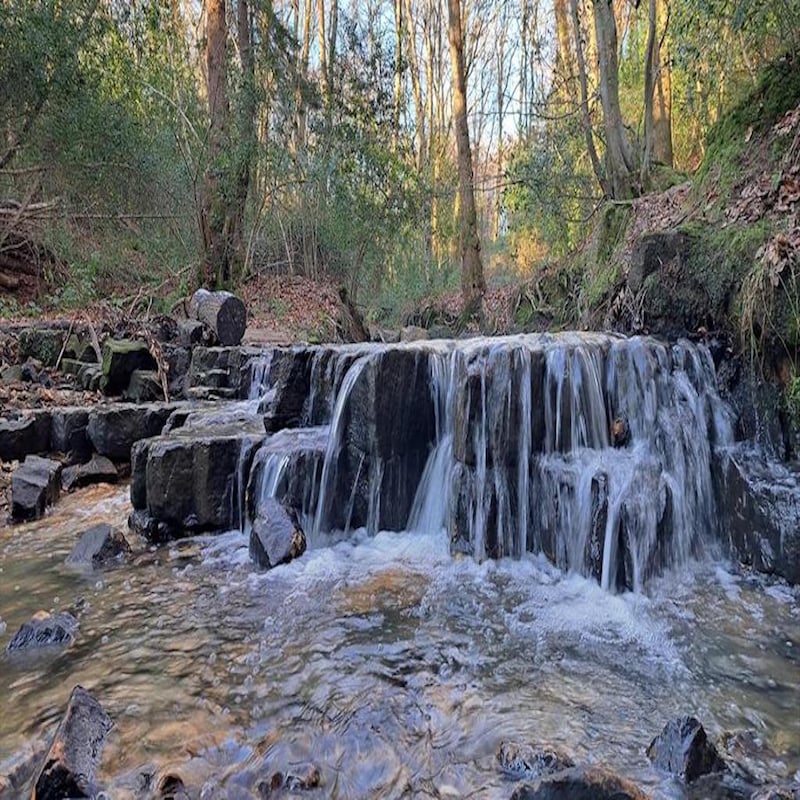
This week's Wildlife Matters Podcast explores the enchanting wet woodlands of the Southern Weald, delving into the mysterious gills and the diverse flora that inhabit these ancient ecosystems. Our journey invites listeners to engage in fungi foraging, revealing the hidden wonders of nature as they don their boots in anticipation of a muddy adventure. Furthermore, we will intersperse our exploration with an auditory experience of nature, allowing the sounds of the woods to envelop us in a soothing embrace. Before immersing ourselves in this natural realm, we shall also examine pressing wildlife issues highlighted in this week's Nature News, including the public's strong opposition to badger culling in Wales and the ongoing campaign to ban trail hunting in London.
Join us as we navigate the intricate connections between wildlife and conservation, fostering a deeper appreciation for the biodiversity that surrounds us.
In this week's Wildlife Matters Podcast, we embark on an enlightening journey into the southern Weald's wet woodlands, a rare ecological treasure that exemplifies the intricate relationships within our natural world. As we traverse the lush landscapes of Flatropers Wood, the episode highlights the remarkable biodiversity supported by these ancient gill woodlands, including nationally rare ferns and a plethora of mosses. The hosts eloquently articulate the significance of these ecosystems, which serve as vital habitats for numerous species and exemplify the intricate balance of nature that has persisted for centuries.
The discussion is further enriched by a critical examination of contemporary wildlife issues, particularly the debate surrounding badger culling in Wales. Drawing upon a recent RSPCA CYMRU survey that indicates substantial public disapproval of culling practices, the hosts emphasize the necessity for wildlife management strategies that prioritize scientific evidence and public sentiment. This dual focus on ecological exploration and pressing wildlife policy issues not only informs listeners but also inspires a sense of responsibility towards the preservation of our natural heritage. The episode concludes with a poignant reminder of the urgency to protect these precious habitats, urging listeners to engage in the ongoing dialogue about conservation and the role we all play in safeguarding the environment.
Takeaways:
- In this episode, we delve into the critical public sentiment against badger culling in Wales, revealing that a significant majority of the population opposes this practice.
- Our exploration of the Weald's wet woodlands emphasizes the ecological importance of these ancient habitats, highlighting their biodiversity and the unique plant communities they support.
- We discuss the recent rally in London advocating for a ban on trail hunting, driven by a passionate public outcry for wildlife protection and ethical treatment of animals.
- This week's Wildlife Matters Nature News features the collaborative efforts of RSPCA and volunteers in North Wales, focused on rescuing and rehabilitating injured wildlife.
- The episode illustrates the profound interconnectedness of ecosystems, showcasing how the gill woodlands serve vital roles in biodiversity and carbon storage.
- Listeners are encouraged to engage with conservation efforts, underscoring the importance of community involvement in protecting local wildlife and habitats.
Links referenced in this episode:
League Against Cruel Sports Hunting Consultation
Companies mentioned in this episode:
Transcripts
Hello and welcome to this week's Wildlife Matters Podcast.
Speaker A:Podcast get ready for an adventure, a journey of discovery and a bit of fun in today's episode.
Speaker A:Today, put on your boots as we head deep into the wet woodlands of the Weald for part two of our adventure into the wet woodlands of the Southern Weald.
Speaker A:We'll explore the mysterious gills, discover wild wonders and even try some fungi foraging.
Speaker A:Get get ready for muddy boots, curious plants and lots of surprises.
Speaker A:Then we'll add a bit of wilderness to your day with nature's sounds.
Speaker A:Listen to an audio sound bar from one of our adventures, close your eyes, take a deep breath and enjoy the magic of the woods.
Speaker A:But before we head off into the woods, let's check out some of the top stories that have caught our attention in this week's Wildlife Matters Nature News.
Speaker A:Hello and welcome to this week's Wildlife Matters Nature News, where we bring you the top wildlife and nature stories from the past week.
Speaker A:This week we begin with the results of the RSPCA CYMRU study that shows that most people in Wales do not want to see a badger cull.
Speaker A:RSPCA CYMRU is urging the Welsh government to take into account the strong public opposition to badger culling as a method for tackling bovine TB.
Speaker A:A recent poll found that 46% of people are firmly opposed to badger culling, while just 27% support it.
Speaker A:This sends a clear message to the Welsh government.
Speaker A:The appeal comes at a key moment with the new Senate forming and pray CYMRU working to set up a minority government.
Speaker A:Billy J. Thomas, senior public affairs manager for RSPCA cymru, told Wildlife Matters.
Speaker A:How the Welsh government tackles bovine TB will shape the future of animal welfare in Wales.
Speaker A:Because for years to come, these poll results should serve as a wake up call to the SENETH members.
Speaker A:The Welsh public cares deeply about the fate of badgers and their love of wildlife cannot be ignored.
Speaker A:With so little public backing for badger culling, politicians risk losing the trust of their communities if they continue down this path.
Speaker A:The survey shows that nearly 2/3 of people feel uneasy about lethal badger culling, and an even higher 60, 68% dislike the idea of public money being used for it.
Speaker A:More than half of those surveyed, 52%, say they would stop supporting any political party that backs a badger culling, and this sends a strong message to those in power.
Speaker A:Badger Trust, the leading authority on badgers in Wales and England, said this survey delivers a clear message to the new government.
Speaker A:The Welsh public rejects badger culling.
Speaker A:Now is the time to Embrace a science led cattle focused path to tackling bovine TB in its Senes manifesto, Badger.
Speaker B:Trust CYMRU supported a science based cattle focused solution and they pointed to the.
Speaker A:Years of data from England where after 13 years and a loss of over 260,000 badgers, cattle infection rates are still high.
Speaker A:Our second story this week comes from London where Chris Packham and Megan McCubbin led a lively rally in support of the proposed ban on trail hunting.
Speaker A:Wildlife presenter Chris Packham was the main speaker at the event which took place in Westminster and was organised by the League Against Cruel Sports to protest against trail hunting.
Speaker A:Around 300 people gathered waving banners and chanting while speakers urged everyone to sign the government consultation on the trail and fox hunting.
Speaker A:The 12 week consultation is now open but will close on the 18th June.
Speaker A:Packham, who had celebrated Sir David Attenborough's centennial at the Royal Albert hall the night before, shared his surprise.
Speaker A:He said at 60, 65 I find it staggering that I am still standing here fighting this same battle.
Speaker A:We elected a government with a massive majority and a manifesto pledge to stop fox hunting, but two years into that term of government and nothing has happened.
Speaker A:They've had a consultation which most of us consider is unnecessary given that at least 80% of the British public want to end this hideous sociopathic practice and given the drubbing that they had yesterday because they failed to satisfy not just us and the fox hunting but so.
Speaker B:Many other things, you would think it.
Speaker A:Would take this opportunity and see it as a low hanging fruit to satisfy not just the assembled mass of people here who have a deep rooted concern about the health and well being of our environment and wildlife but but the other huge numbers of people that represent the 80%.
Speaker A:Meghan McCubbin told the crowd that it was time to end the deception trail hunting and explained why it is important to make our voices heard by completing the consultation.
Speaker A:Guidance is available on the League Against Crawlsports website.
Speaker A:Peter Egan, known from Downton Abbey, joined Packham at the rally.
Speaker A:He strongly criticized people who hunt with dogs, calling them narcissistic psychopaths.
Speaker A:Egan was well known for his role in the 80s sitcom ever decreasing Circles and his ongoing animal advocacy said the government must HEEDEED the overwhelming 80% of us who stand against fox hunting, trail hunting and trophy hunting.
Speaker A:In my opinion, that's all hunters want to do in this country.
Speaker A:They want to destroy wildlife.
Speaker A:Badger Trust also spoke at the event highlighting how badgers are often the forgotten victims of hunting.
Speaker A:Their talk shed light on set blocking and its impact of hunting on badgers.
Speaker A:We will add a link to the guidance and the consultation, which is on the League Against Crawlsports website, into the show Notes and if you want to see an end to hunting with dogs, make sure your voice is heard by completing the consultation before the 18th of June.
Speaker A:For our third story this week we return to Wales and the RSPCA at Stapley Grange Wildlife Centre and UK Wildlife Transporters who have teamed up and are seeking volunteers in the North Wales area to help rescue and transport injured and orphans wildlife.
Speaker A:Right now the focus is on building a stronger rescue network in North Wales and Midlands.
Speaker A:The program helps people who find injured animals but can't move them, ensuring the animals receive care quickly.
Speaker A:Volunteers transport all kinds of wildlife from bats, fox cubs, gulls and birds of prey to stately Grange approved vets or experienced rehabilitators.
Speaker A:Lee Stewart, manager at Stapley Grange, says the partnership also keeps animals out of unsuitable places and ensures that they receive the right care.
Speaker A:This partnership means we can get injured animals to the right care faster, stewart told Wildlife Matters.
Speaker A:It will reduce suffering and make rescue efforts more effective.
Speaker A:Wildlife transportation reporters told Wildlife Matters the partnership is cultivating a blossoming network of wildlife friendly vet practices.
Speaker A:Last year alone UKWT lent a lifeline to nearly 800 wild animals.
Speaker A:Organisers are looking for volunteers to help with transport in the Chester, Oswestry, Wrexham, Stoke and Macclesfield areas.
Speaker A:In these areas a few more caring hands could make sense such a big difference for wildlife in need.
Speaker A:Vehicle and an animal carrier are needed as your everyday tools and you could become one of the wildlife volunteer rescuers.
Speaker A:Local vets and anyone with a heart for wildlife are warmly invited to join the mission and help more injured animals find safety.
Speaker A:Alana Hurd, the founder of the UK Wildlife Transporters already sees the impact on with more wildlife saved and more hope restored.
Speaker A:If you're ready to help, whether you're a volunteer or a vet practice, then please contact Alana and we will leave a link to Alana's contact details and.
Speaker B:All the other stories we've covered today.
Speaker A:In the show Notes and that has been this week's Wildlife Matters Nature News.
Speaker A:A big thank you to the people of Wales for showing their support for badgers.
Speaker A:They've made it clear that they don't.
Speaker B:Want badger culling in Wales and will.
Speaker A:Avoid parties that support it.
Speaker A:Meanwhile, nature lovers in London turned out in large numbers at the leagues Anti Trail hunting rally.
Speaker A:If you haven't joined in yet, visit the Leeds website for the Quick guide.
Speaker B:The link is in the show notes.
Speaker A:And in North Wales and the Midlands, a new wildlife transport network is starting up.
Speaker A:Volunteers and the RSPCA Stately Grange team are working together to provide sick, injured and orphaned animals with the care and support of that they need.
Speaker B:Now, need a break?
Speaker A:Let's step into a mossy lichen cover.
Speaker B:Gill hidden in the southeast, a secret spot untouched by the modern world.
Speaker B:And listen to the splash of the water and the quiet of the temperate.
Speaker A:Rainforest as we take you on a.
Speaker B:Journey on this week's Wildlife Matters.
Speaker A:Mindful moments.
Speaker A:It.
Speaker A:I hope you enjoyed that audio sound bath.
Speaker B:Next time you need a break, remember.
Speaker A:That this special place is so close to London, but it's ready for you.
Speaker B:To explore and enjoy.
Speaker A:Now, keep your hiking boots on, because this week's Wildlife Matters main feature stay stays in the wield as we go deeper into its temperate rainforest.
Speaker A:We'll visit hidden gills, explore ponds and lakes with clear, fast flowing streams, and marvel at this rare and fascinating ecosystem.
Speaker A:So join us for a walk through.
Speaker B:The wet woodlands of the Weald, which.
Speaker A:Is coming up next on this week's Wildlife Matter main feature.
Speaker B:Welcome back to Flatropa's Wood, deep in the heart of the South Weald, a place where the ancient and living are never far apart.
Speaker A:Last time, we looked at the wild.
Speaker B:Plants that you can find while wandering through Flatropa's Wood on a winter walk.
Speaker B:Today, we go back in time, metaphorically at least, as we explore the pond and the streams and of Flatropa's Wood.
Speaker B:The fast running waters of the babbling streams and mossy banks of the silent, still waters of the ponds create something almost otherworldly.
Speaker B:A pocket of rainforest surprisingly alive in the heart of the English countryside.
Speaker B:Wet woodlands, once part of this island's.
Speaker A:Fabric, have slowly disappeared over the centuries.
Speaker B:They were cut for timber, cleared for crops and lost to roads and growing towns.
Speaker B:What remains is only a small part of what once existed.
Speaker B:Less than 1% of Britain still has these ancient habitats holding on in the rainy corners of western Scotland, the Lake District and western Wales.
Speaker B:But what does any of this have to do with the Weald of Kent?
Speaker B:Well, quite a lot, as it turns out.
Speaker B:The Wealden Gill woodlands are home to extraordinary plant communities, including nationally rare ferns, ancient mosses and species found nowhere else in the southeast of England.
Speaker B:Outside of these valleys.
Speaker B:You would need to travel all the way to the west coast of Britain to see some of these plants again.
Speaker B:This is a remarkable connection, written not in words, but in leaves and spores.
Speaker B:This year, I plan to learn more about the fascinating micro world of mosses and lichens.
Speaker B:And the more I find out, the more, the more fascinating they seem.
Speaker B:They are part of one of the oldest groups of plants on Earth, called bryophytes, which also include liverworts and hornworts.
Speaker B:These small, soft plants are easy to miss, but they cover rocks and tree roots in every shade of green that you can imagine.
Speaker B:Even though they are common in the rainforests of the Weald, the bryophyte communities of the Wealdon Gills are still mostly a mystery.
Speaker B:They have been overlooked by science and undervalued by the wider world.
Speaker B:Even now, woodland shapes the Weald.
Speaker B:It follows the curves of ancient stream valleys known as gill woodlands, which are most common in the High Weald, where the land rises sharply and the streams run fast and deep.
Speaker B:Each gill clings to the sides of a steep valley shaped by a stream that has spent thousands of years carving through the rock.
Speaker B:The result is a ravine, sometimes surprisingly deep, a geological secret hidden in the gentle English lowlands.
Speaker B:Their steep sides have kept livestock away, and with them, the plough and human management.
Speaker B:Because they are so hard to reach, these places have remained mostly undisturbed for centuries.
Speaker B:The enclosed shape of the gills is thought to create a warm and moist microclimate.
Speaker B:You won't find similar conditions anywhere else in eastern or central Britain.
Speaker B:When the Romans came to Britain, the Weald was still a vast, unbroken sea of trees.
Speaker B:It stayed mostly untouched for centuries, until farming and the settlement began to change the land in the 12th and 13th centuries.
Speaker B:There is a simple truth in conservation.
Speaker B:The older the woodland, the richer its life.
Speaker B:That age brings complexity, and complexity brings diversity.
Speaker B:The Wildern gill woodlands support a rich flora of woodland bryophytes.
Speaker B:They are particularly important for many oceanic species, which are restricted in the southeast of England to gill woodlands, hundreds of kilometres from other British British populations.
Speaker B:These valleys also shelter rare plants like the haycented buckler fern, an oceanic species with a scent as memorable as its name, which grows in over a hundred gill woodlands across the world.
Speaker B:This is one of the highest concentrations of the species in Europe.
Speaker B:Walking among them means standing in a place of real global importance.
Speaker B:The steep sides of the gill valleys have kept the tree canopy intact for generations.
Speaker B:These woods have not been cleared, planted or disturbed.
Speaker B: nuously wooded since at least: Speaker B:And some parts may even be older, possibly remnants of the original wild wood that once covered these islands before people began to cut the trees down.
Speaker B:Yet even these ancient places are not safe.
Speaker B:Climate change is a growing threat, with rising temperatures putting the Delicate balance here at risk.
Speaker B:Without research or understanding, the amazing biodiversity of the Wealding gills could be lost forever.
Speaker B:I was surprised whilst researching before the walk to find that the majority of the Wealdon gills have never been field surveyed.
Speaker B:These valleys are full of life, but most are still unmapped and unstudied.
Speaker B:The task is clear.
Speaker B:We need to find them, learn what.
Speaker A:Lives there and figure out how to.
Speaker B:Protect them before the climate changes.
Speaker B:More than these resilient species can handle.
Speaker B:Gill streams thread through the High Weald in their dozens, reaching even into the weald.
Speaker B:The geology of the High Weald tells a story that stretches back through deep time, and its complexity is part of what makes it so vibrant.
Speaker B:Different soils, slopes and directions come together to support an amazing variety of trees and plants, sometimes all in the same wood.
Speaker B:Around 65 million years ago, the same huge earth movements that pushed up the Alps also lifted layers of sedimentary rock here, forming what would become the Wildern Dome.
Speaker B:Over the next 20 or so a million years, erosion wore it down, revealing a patchwork of sandstones and clays.
Speaker B:This left a landscape of ridges and valleys, crossed by the deep, winding gills that still drain them.
Speaker B:Whenever a stream cuts steeply through the Wildern Wood, you are looking at a gill.
Speaker B:Once you learn to spot them, you will see them everywhere and you will never look at them in the same way again.
Speaker B:These woodland ravines are important both nationally and and internationally.
Speaker B:Their mosses and liverworts are unique.
Speaker B:Their humid microclimates cannot be replaced.
Speaker B:And their ancient sandstone outcrops are a record of time itself.
Speaker B:In spring, it is common to find 50 to 70 different plant species growing in a single damp gully.
Speaker B:A burst of green that shows what nature can do when it's left alone.
Speaker B:This richness comes not just from the amount of woodland, but also from the way old features like ancient hedge banks, sunken lanes, shores and alwooded gills link small woods.
Speaker B:This network creates a beautiful patchwork landscape.
Speaker B:If you step into a Ghyll on a stormy day, you can see what these places really do.
Speaker B:As rain pours down the hillsides above, the woodland absorbs, slows and holds the water, reducing flood peaks downstream by much as 65%.
Speaker B:Now, that is an impressive number for something that might look to most people just like a pretty woodland stream.
Speaker B:Under the canopy, roots hold the soil in place, trapping sediment before it can wash into the rivers below.
Speaker B:The trees act as a living filter, catching agricultural runoff, nutrients, pesticides and the invisible chemical traces of modern farming before it reaches open water.
Speaker B:Some studies suggest that up to 80% of these pollutants are removed before they ever reach the stream.
Speaker B:In the heat of summer, the thick canopy shade keeps the water cool, acting as a natural thermostat for the rivers downstream.
Speaker B:These stable, oxygen rich conditions are exactly what spawning fish need and what warmer, slower rivers get cannot offer.
Speaker B:When you look at a woodland pond, you might see still water.
Speaker B:But under the surface, something quite remarkable is happening.
Speaker B:Waterlogged soils and thick layers of organic matter store carbon at rates 20 to 30 times higher than forests or grasslands.
Speaker B:This makes every small, ordinary looking pond a quiet, yet powerful ally in the fight against climate change.
Speaker B:Woodland ponds may be small, but they are hugely important, supporting about two thirds of all freshwater species.
Speaker B:In spring, you can hear frogs and toads calling at their edges, whilst newts slip through the shallow water.
Speaker B:Then, in summer, dragonflies fly over the surface, their wings shining in the light like pieces of stained glass.
Speaker B:The gently sloping edges of woodland ponds change with the seasons, filling with water in winter and drying to bare mud in the heat of summer.
Speaker B:The changing border might not look that special at first, but it is its own unique habitat.
Speaker B:Rare plants grow here, and reptiles and birds come to feed during the warmer months.
Speaker B:But for invertebrates that cannot live in the fast moving water of big rivers, the woodland pond is essential.
Speaker B:These ponds are calm, sheltered and have an ancient feel.
Speaker B:They serve as safe havens where species like the remarkable tadpole shrimp, a creature that has hardly changed since the time of the dinosaurs, can survive against all odds.
Speaker B:When small ponds are connected across the landscape, their value increases greatly.
Speaker B:This network lets wildlife move, spread out and find new places to live, boosting the countryside's biodiversity in ways that a single pond could not.
Speaker B:A woodland pond has that calming effect.
Speaker B:Whether you're a child exploring with a pond net or someone sitting quietly on a bench by the water, these places offer something hard to measure, but very real.
Speaker B:It's calm, wonder and a feeling of connection to nature.
Speaker B:Gills and woodland ponds do not seek attention.
Speaker B:They do their work, filtering, cooling, sheltering and storing carbon, quietly supporting the world around them.
Speaker B:But they're not just leftovers from a wilder past.
Speaker B:They show us what a nature friendly future can be.
Speaker B:This year, I've given myself a new challenge to learn more about mosses, lichens and liverworts.
Speaker B:Mosses and liverworts are bryophytes, and together with lichens, they are some of the smallest and oldest organisms in the woodland.
Speaker B:They quietly grow on tree trunks, rocks and any surface that is damp enough for them.
Speaker B:They provide shelter for woodland animals, slow rainwater before it reaches rivers and help to protect against flash floods.
Speaker B:These small organisms do a surprisingly big job.
Speaker B: Britain alone has more than: Speaker B:This is an amazing variety, hidden in plain sight, both under our feet and above our heads.
Speaker B:Both bryophytes and lichens reproduce by releasing spores and do not have true roots.
Speaker B:These are ancient survival strategies that are hundreds of millions of years old and even older than the dinosaurs.
Speaker B:You often see them growing on trees, but they're not parasites.
Speaker B:As we leave the glade and walk into the deeper, darker and damper part of the woods, the first fungus I notice appears on a fallen branch just off the path.
Speaker B:Coral spot grows as a saprophyte on decaying wood of broadleaf trees.
Speaker A:In its earliest stage, it is easy.
Speaker B:To miss tiny, soft, spongy pink spots, no bigger than a pinhead, scattered across the bark like drops of coral paint.
Speaker B:As it matures, the change is striking.
Speaker B:The soft pink spots harden and turn a deep reddish brown, standing out against the gray bark.
Speaker B:During the soft, spongy condonial stage, asexual spores are released and carried by rain and wind.
Speaker B:Later, the fungus produces cylindrical ascospores, which create a second wave of dispersal and help it spread through the woodland.
Speaker B:Although coral spot is most common on beechwood, it is not picky about its host.
Speaker B:It will also grow on sycamore, horse chestnut and hornbeam.
Speaker B:You can find it at any time of the year, but it is most common in the summer and autumn, when warmth and moisture create the best conditions for fungi.
Speaker B:Coral spot has an interesting role in the ecosystem.
Speaker B:It is weakly parasitic, taking nutrients from trees that are already stressed.
Speaker B:But it also breaks down dead, organic material.
Speaker B:Like a true saprophyte, Trees weakened by disease or stress are especially at risk.
Speaker B:So coral spot is both a sign and cause of decline.
Speaker B:Once coral spot is established, it can cause serious dieback in the upper branches.
Speaker B:As the pustules harden and break through the bark, they create openings that weaken the wood structure.
Speaker B:This is a slow process that gradually damages the tree from the outside in.
Speaker B:If left alone, coral spot damage can cause branches to break and the tree's health to decline sharply.
Speaker B:But it's worth noting that coral spot reminds us how closely everything in the woodland is connected.
Speaker B:Stress, decay, fungi, and renewal are all part of the same cycle.
Speaker B:As we continue along the edge of the dense woods and the air changes, there is a rich, organic, ancient smell.
Speaker B:It's the smell of damp soil Decaying leaves, moss and bark, with a faint, musty note that is both earthy and clean.
Speaker B:This is the smell of an ancient woodland at work, and I love it.
Speaker B:Then I spot something on a mossy log.
Speaker B:King Alfred's cakes, or Daldinia constantrica, sit squat and dark on the bark, looking like a cluster of spent coals.
Speaker B:Also called cramp balls or coal fungus, this is one of the most distinctive fungi in British woodlands.
Speaker B:It's quite easy to identify and impossible to forget.
Speaker B:As they age, the fruiting bodies swell into smooth, round spheres.
Speaker B:They start a rustic brown and slowly deepen to black.
Speaker B:Up close, they really do look like small lumps of coal pressed into the bark.
Speaker B:You usually find them on fallen or decaying branches of ash and beech trees.
Speaker B:They thrive in the damp shelter conditions of a gill woodland.
Speaker B:If you slice one open, you'll see an unexpected beauty.
Speaker B:Silver gray concentric rings, as precise as tree rings built up year after year.
Speaker B:The dry inner flesh of older specimens makes excellent tinder.
Speaker B:It catches quickly and smoulders slowly, much like the natural charcoal briquette.
Speaker B:People have used it this way for centuries, long before matches existed.
Speaker B:The folklore makes them even more intriguing.
Speaker B:With a name like King Alfred's Cakes, how could it not?
Speaker B:The legend says that King Alfred, while hiding from the Vikings in the Summerset levels, was asked to watch over some cakes as they baked.
Speaker B:But he let them burn.
Speaker B:The charred black and fungus, so the story goes, was named in his honour.
Speaker B:Whether or not it's true, the tail fits the fungi perfectly.
Speaker B:Some people believe that carrying one in your pocket will ward off cramps, which is why they're called cramp balls.
Speaker B:I'm not sure science would support this, but I tucked a couple in my foraging bag anyway.
Speaker B:They often grow in spectacular clusters, just like the ones we found today, crowding across a rotting stump in the dense, dark colony.
Speaker B:Mature specimens have a glossy black finish that catches the light like a polished stone.
Speaker B:Younger ones are softer shades of brown with a matte, rough surface.
Speaker B:Individual specimens can grow up to 10cm across, but they are much more impressive in groups, which is how you will almost always find them.
Speaker B:Their unmistakable look makes them very easy to identify.
Speaker B:They are also very resilient, surviving through winter and continuing to grow year after year.
Speaker B:A little further down the path, I come across something else that makes me stop.
Speaker B:This one is truly impossible to miss.
Speaker B:It's turkey tail or tramites.
Speaker B:Versicola.
Speaker B:Turkey tail is captivating year round, but it stands out most in the winter with the bare branches of deciduous Trees.
Speaker B:Nothing competes for your attention, and you can see the full display of this fungus.
Speaker B:It quietly colonises dead hardwood, including decaying stumps, standing deadwood and fallen branches.
Speaker B:It grows wherever the wood is soft enough and the conditions are damp enough.
Speaker B:The brackets spread out from the concentric bands of colour, each edged in pale cream or white.
Speaker B:Like the trim on a fine piece of fabric, freshly emerged specimens have a delicate purplish sheen that catches the light beautifully.
Speaker B:It appears one moment and disappears as the angle shifts.
Speaker B:Scattered across rotting logs in overlapping tiers, they spread outward like tiny fans, which is exactly where the name comes from.
Speaker B:In traditional Chinese culture, it is also known as cloud fungus.
Speaker B:This description captures something the English name misses, the soft, layered, almost ethereal quality of a fresh specimen.
Speaker B:As a saprobic fungus, turkey tail plays an important role in the woodland ecosystem.
Speaker B:By breaking down deadwood, it recycles nutrients into the soil and supports the health of the woodland floor, a slow, essential act of renewal happening right beneath our feet.
Speaker B:If you turn a bracket over, you'll see the underside is covered with countless tiny spore holes, which is the defining feature of the species.
Speaker B:Its scientific name says it all Tramates versicolor, meaning roughly thin in sections of several colors.
Speaker B:The colors can range from red and yellow to green, blue, brown, grey and black, sometimes all on a single specimen.
Speaker B:This makes it one of the most visually spectacular fungi that you're likely to find.
Speaker B:Whether you're a mycologist or just a curious wanderer like me, turkey tail reminds us that decomposition, that quiet and unglamorous process, can be one of the most beautiful things you can find in the woods.
Speaker B:Now let's turn our attention to perhaps one of the most overlooked plants on today's walk.
Speaker B:Deep in the winter woodland, it is the bryophytes that stand out, the mosses from which Flatropa's wood is quietly and deservedly renowned.
Speaker B:As I mentioned earlier, bryophytes are one of my focuses for this year.
Speaker B:One moss in particular stands out as a perfect starting point for beginners.
Speaker B:The large white moss.
Speaker B:Its common name is the pincushion moss.
Speaker B:It thrives in shaded woodlands and forms lush, soft mounds that look like pincushions.
Speaker B:It grows best in damp, sheltered world beneath the tree canopy, where humidity is high and the direct sunlight is rare.
Speaker B:These are exactly the conditions of a gill woodland provides.
Speaker B:In abundance, the mounds can spread up to 60 cm across and rise to 12 cm high, which is surprisingly substantial for some.
Speaker B:Something so soft.
Speaker B:Each one sits like a small green island on the woodland floor.
Speaker B:The colour shifts between vibrant green and a pale, almost ghostly grey blue, depending on moisture levels.
Speaker B:If you look closely, the individual leaflets, which are between three and nine millimetres long, tapered to a sharp points like tiny aloe vera leaves in miniature, bleaching out to a pale white green that slightly stands out strikingly against the dark bark and leaf litter of the winter woodland floor.
Speaker B:It is one of those plants that rewards a second look.
Speaker B:Ecologically, pincushion moss punches above its weight and is far more important than its looks.
Speaker B:It thrives in the woodlands with sparse ground cover, especially beneath beech trees, whose dense canopies keeps the floor clear and the conditions cool.
Speaker B:Though their appearance shifts considerably depending on habitat and moisture, which is part of what makes bryophytes such a rewarding, if humbling group to study.
Speaker B:Beyond their ecological significance, these mosses have a quiet beauty.
Speaker B:It's easy to walk past them, but hard to forget once you really stop and look.
Speaker B:They've been used as a natural pincushion for centuries, a testament to their unique texture and shape.
Speaker B:A little further along, another moss catches my eye and I'm genuinely quite pleased to have recognized it.
Speaker B:Capillary thread moss Bryum capillaria is one of the most common species and, thankfully for beginners like me, one of the.
Speaker A:Easier ones to identify.
Speaker B:This moss grows on hard surfaces, forming dense domed cushions in rock crevices and at the bases of trees.
Speaker B:It is just as comfortable on walls, roofs, concrete and even tarmac.
Speaker B:It rarely grows in open soil, which is helpful to remember when trying to identify it.
Speaker B:The leaves are large and translucent.
Speaker B:Wide is that or just above the middle.
Speaker B:Each one ends in long greenish hairpoint, giving the plant a delicate, almost feathery look.
Speaker B:When in season, it produces many hanging capsules that look like tiny lanterns on reddish stalks.
Speaker B:Many similar cushion forming mosses are a brighter green, with leaves covered in tiny bumps that catch and reflect light.
Speaker B:Bryom capilliere is different.
Speaker B:Its leaf cells are smooth, which gives it a softer, more translucent look that stands out once you know what to notice.
Speaker B:Its most distinctive feature appears when it dries out.
Speaker B:The leaves twist tightly around the stem in a corkscrew spiral.
Speaker B:This small but clear detail makes identification much easier once you know what to look for.
Speaker B:There are two closely related species worth knowing about, both with similar leaves but far rarer, and each with its own particular habitat preferences.
Speaker B:Bryom moravicum is an epiphyte favoring the fragile surface of decaying bark, where it forms loose, delicate patches, quite unlike the dense cushion of its common cousin, Bryum torquesquins, on the other hand, prefers open, calcareous habitats such as chalk grassland, and grows in soil rather than on hard surfaces.
Speaker B:Its oval leaves end in fine hair.
Speaker A:Like tips, and it produces the same.
Speaker B:Drooping cylindrical capsules in the woodland.
Speaker B:Though there can be little doubt, the habitat alone and the absence of soil confirm that.
Speaker B:We are looking at Bryon capilliere.
Speaker B:Like many mosses, it's dioecious, with male and female individuals are separate plants.
Speaker B:The broad leaves are 2 to 5 millimeters long, widest at or just above the midpoint.
Speaker B:The leaf margins are narrowly recurved and the borders contain narrow cells.
Speaker B:Each leaf extends into a fine, pale green hair point, sometimes short, sometimes surprisingly long.
Speaker B:The cylindrical capsules, between 3.5 and 5 millimeters, droop elegantly on reddish stalks and ripen through the spring and summer.
Speaker B:I am pleased with how this identification is going.
Speaker B:These are a common species, but being able to recognize them with confidence feels like real progress for me.
Speaker B:I know there are many more challenging mosses ahead, not to mention the liverworts and the lichens.
Speaker B:The third moss I found today is one of the most widespread in Britain.
Speaker B:It's the rough stalked feather moss.
Speaker B:It grows in loose, sprawling patches that seem to thrive almost everywhere, which is part of what makes it so easy to find and in time, easier to recognize.
Speaker B:Its branches ascend with confident, feathery habit, the spreading leaves edged and delicately toothed margins giving the whole plant a softly textured appearance.
Speaker B:The egg shaped leaves have a slightly rough texture.
Speaker B:If you run your fingertip along them, you can feel it, and this is exactly why the moss has its common name.
Speaker B:Each leaf is similar in shape, the larger ones measuring 2 to 3 millimeters and tapering to a neat, acute tip.
Speaker B:It flourishes in various habitats, favoring the moist surfaces of living trees, stumps and decaying logs.
Speaker B:You'll often encounter it clinging to soil, gravelly ground, stones, rubble and rocks, as well as on, well, trodden walls, grasslands and marshlands.
Speaker B:The moss thrives in shaded environments like woodland depths and hedgerow banks, but it also enjoys open spaces such as gardens, parks and overgrown areas, and of course, along stream banks.
Speaker B:However, this highly adaptable moss is not typically found in highly acidic soils or at high altitude.
Speaker B:Today I found three of the more common, easier to spot moss species, and I am sure I walked past many others without noticing them.
Speaker B:Mosses are not second nature to me just yet.
Speaker B:In the woodland, my attention still goes to movement.
Speaker B:A bird in the canopy, a rustle in the undergrowth or a shape of an interesting tree.
Speaker B:The mosses will come, but for now I'm learning to notice them and enhancing my understanding and love of nature and wildlife.
Speaker B:And that brings us to the end of our adventure around Flatropa's Wood here in the Weald, Just one of the many interconnected woodlands in this area which are worth taking the time to explore.
Speaker B:And I know we will be returning to the Weald to uncover some more mysteries on a future Wildlife Matters podcast.
Speaker B:But for now, that's the end of this adventure.
Speaker B:On this week's Wildlife Matters main feature.
Speaker A:If this is the first time that you heard that there's temperate rainforest in the southeast, so close to London and other big cities and airports, then I'd love to hear from you.
Speaker A:You can find our contact details in the show notes and if you haven't yet, please follow and like the podcast.
Speaker B:And if you can, leave us a review.
Speaker A:Wherever you listen, they tell me it helps more wildlife and nature lovers to find us.
Speaker A:And we have some exciting news to share with you.
Speaker A:The Wildlife Matters podcast has soared past a 100,000 unique downloads that makes us one of the UK's most listened to wildlife podcasts.
Speaker A:And it's all thanks to you, our wild hearted listeners.
Speaker A: us since that dark winter of: Speaker A:Wildlife Matters will return in two weeks when we'll be having some fun with ecology as we find out why the clue is in the poo.
Speaker A:We'll learn about wildlife by scat, uncover habitat secret secrets and show you how a walk in the woods can make.
Speaker B:You a nature detective.
Speaker A:Make sure you subscribe now so you never miss an episode.
Speaker A:Of course, it's all in the day's work for an ecologist, but if you've never seen yourself as a scat detective, get ready for some fun and some fieldwork.
Speaker A:And as always, stay curious.
Speaker A:Wild ones.
Speaker A:This is Wildlife Matters signing off.
