Shownotes
The primary focus of this podcast episode is a comprehensive discussion with Stenetta Anthony, the author of "Ella Learns to Dance," as she elucidates her journey into children's literature.
Throughout our dialogue, we delve into the significance of being a children's book author, particularly reflecting on Stenetta's extensive experience as an educator, which has profoundly influenced her storytelling approach.
We explore the challenges she faced as she transitioned from educator to author, including the intricate processes of writing, publishing, and marketing her books.
Furthermore, Stenetta shares insights into her personal motivations, the thematic essence of her work, and the importance of fostering self-belief amid external discouragement. This episode ultimately serves as an inspiring narrative for aspiring authors and a testament to the enduring impact of children's literature.
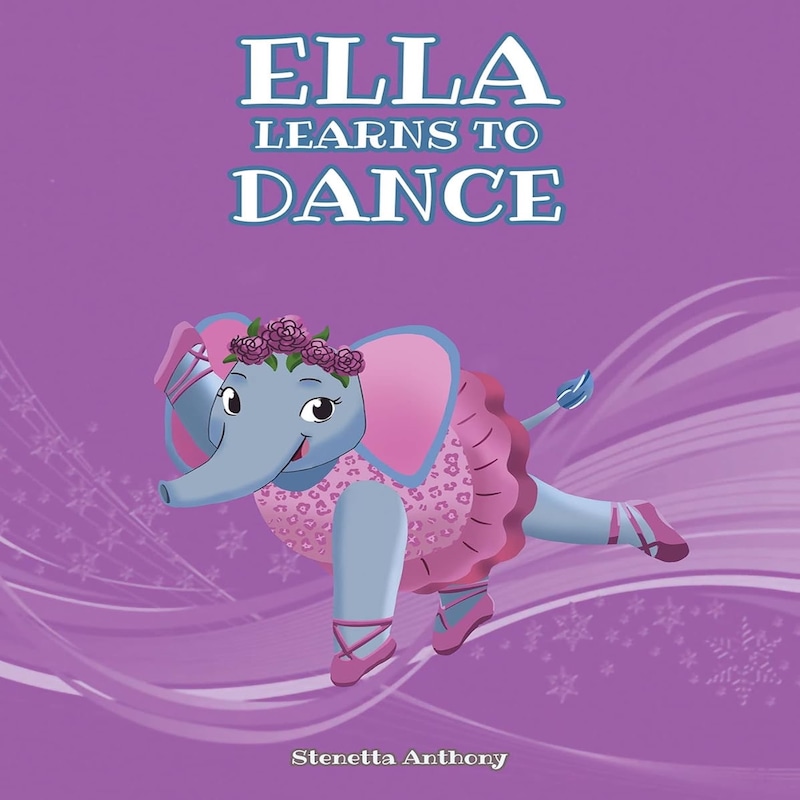
The podcast episode features an insightful conversation with Stenetta Anthony, a children's book author whose latest work, "Ella Learns to Dance," illustrates an elephant's journey through the complexities of self-acceptance and the pursuit of dreams.
Stenetta's narrative is deeply rooted in her extensive experience as an educator, where she honed her storytelling skills and developed a nuanced understanding of children's perspectives.
The dialogue explores the significance of her character, Ella, who embodies resilience and the courage to defy societal expectations, thus serving as a role model for young readers.
Stenetta articulates her evolution from classroom teacher to published author, highlighting the challenges she faced in the publishing process and the invaluable lessons she learned along the way.
The episode emphasizes the importance of community and support, particularly from family and peers, in fostering an author's growth. As the conversation unfolds,
Stenetta shares her aspirations for future works, indicating a commitment to continuing to empower children through her storytelling.
Ultimately, the episode encapsulates the transformative journey of an author who seeks to inspire and uplift her audience, reaffirming the belief that every child possesses the potential to achieve greatness.
Takeaways:
- The journey of becoming a children's author can be both daunting and fulfilling, as it often involves overcoming self-doubt and embracing one's creative potential.
- Ella Learns to Dance illustrates the importance of perseverance and self-belief in the face of criticism, resonating profoundly with both children and adults.
- Collaboration with children as an audience provides invaluable feedback, enabling authors to refine their stories and ensure they connect with their intended readership.
- Developing a structured business plan is crucial for authors, guiding their marketing strategies and ensuring they adapt to current trends in the publishing industry.
- Using various formats such as paperback and eBook can enhance accessibility and reach for children's literature, while also considering future expansions into hardcover editions.
- The act of preserving written work in multiple formats is essential for any aspiring author to safeguard their creative expressions from unforeseen circumstances.
Links referenced in this episode:
Transcripts
Good morning or afternoon or evening, everyone.
Speaker A:My name is Donnetta Anthony and the title of my book is Ella Learns to Dance.
Speaker B:Thanks, Donnetta, for appearing on the Adventures in the Heart of Children's Book Authors podcast.
Speaker B:Like Snetta has mentioned, she's written her book Ella Learns to Dance, and we're also going to touch base on one of Sinetta's other books that she wrote a while back and I'm looking forward to.
Speaker B:Before we get into the details of Ella Learns to Dance, can you tell us what it means being a children's book author to you?
Speaker A:It means a lot because I was an educator for 22 years and I was always telling stories and always reading, I would say hundreds, almost thousands of books.
Speaker A:Being a children's authority helped me to bring not just the classroom to the books, but bring my books to the classroom, which is most important.
Speaker A:I never thought about being a children's author because I was in the classroom, but I always felt as if I was a storyteller because I would take books like yours, for instance, and I would recreate them.
Speaker B:Oh, knee.
Speaker A:I would read a book and we would always recreate those books, whatever they were.
Speaker A:The three bears and what is the other one?
Speaker A:The pigs and all of that.
Speaker A:Those were some of my students favorite books to recreate.
Speaker A:Becoming a children's author, it was not necessarily on my radar of things to do, but I'm glad I did it.
Speaker B:Fantastic.
Speaker B: first children's book back in: Speaker A:Yes.
Speaker B:And so what was the difference from your first children's book?
Speaker B:And here you are, you're a newly minted children's book author, and then a few years later, you write your and publish your second children's book.
Speaker B:How did that change your view of being a children's book authority?
Speaker A:First of all, it was a learning process.
Speaker A:Had never written a book, didn't know anything about publishing, didn't know anything about marketing.
Speaker A:Nothing at all.
Speaker A:So writing a book.
Speaker A:I went to a couple of classes initially when I was writing my first book, got some information, but it still wasn't what I needed.
Speaker A: my first but got published in: Speaker A:I was excited, but didn't know that there's a lot that goes into publishing a book.
Speaker A:The writing part, the illustration part, like I said, the marketing part, the promotion part, all of that.
Speaker A:And so I considered myself as okay.
Speaker A:I published a book.
Speaker A:Now what I had told some of my friends and told some of My family.
Speaker A:And for a moment, I'm gonna say about a year or two.
Speaker A:I never told anybody I was a children's author.
Speaker A:It was just in my immediate circle.
Speaker A:I don't know if I was embarrassed or what, but I was still in the classroom and so my attention was my students and not necessarily the book.
Speaker B:Take your book to your students.
Speaker A:Yes, I did.
Speaker B:Oh, fantastic.
Speaker B:And tell everybody the name of your first book.
Speaker A:Okay, so the name of my first book is the Love Story.
Speaker A:And so I did take that to my class.
Speaker A:That was an eye opening experience.
Speaker B:In what manner?
Speaker A:Okay, so you don't want to know the truth.
Speaker A:You do not ask a group.
Speaker A:I was teaching preschool at the time, so you don't want to act.
Speaker A:A group a four or five years old, what do they really think?
Speaker A:Your feelings can get hurt very easily.
Speaker A:And so they told me what they like, what they didn't like.
Speaker A:The pictures, the words.
Speaker A:Well, they said, we already heard that story before.
Speaker A:We don't need to hear out of.
Speaker B:The mouths of babes.
Speaker A:So they were and continue to be my first audience.
Speaker A:No matter what book I put out, the people I go to, I may like it, adults may like it, but when I take it before a group of children, they're going to give me their honest answers and that helps me to develop into, maybe I need to change this or maybe I need to do something here.
Speaker A:Maybe I need to add another character.
Speaker A:Maybe this illustration doesn't work with this particular page or something like that.
Speaker A:And so being a teacher, I learned a lot.
Speaker A:Although I'm not teaching, I'm volunteering, but I'm not specifically in a classroom.
Speaker B:It's interesting you should say that, Stanetto, because I've written several stories with my grandchildren, and one of the things that we do is we actually read them out loud together.
Speaker B:And that's when the.
Speaker B:The critic comes out and they say, papa.
Speaker B:Children of this age wouldn't say that word.
Speaker B:You end up changing words and, and changing the story a bit.
Speaker B:But isn't that marvelous?
Speaker B:When you have the audience that you're writing the book for help you along.
Speaker A:Your journey, it is because they are.
Speaker A:We have to consider as children's authority that although the parents buy the book, or grandparents or whomever by the books, the one who is really gonna really like it or not like it is a child.
Speaker A:Of course you want everyone to buy your book, but I want my message to home in with those children, whatever messages, I want that to hone in.
Speaker B:With them, tell us the inspiration behind it.
Speaker B:Ella learns to Dance.
Speaker B:So how did you come up with the idea?
Speaker B:How did it all begin?
Speaker A:Okay, Ella learns to dance is based on me.
Speaker A:I actually chose an elephant.
Speaker A:I do not know how to dance.
Speaker B:Okay.
Speaker A:I think I know, but I really don't.
Speaker A:Her heart came from me because she was discouraged by friends still to today, if I'm dancing somewhere, and they were like, you just need to sit down and.
Speaker A:But I still keep dancing.
Speaker A:And so that was the thing behind Ella was she was discouraged by her friends to follow her dream to become a ballet dancer.
Speaker A:And because she's an elephant, she doesn't look like the traditional ballet dancer.
Speaker A:And then also the importance of following your dream.
Speaker A:And so as a children's author, although I didn't consider myself one, after I wrote my first book, it was like, oh, a budding out there as it's following your dream.
Speaker A:Ella had to follow her dream regardless of her critics, regardless of even how she felt within herself.
Speaker A:And so with children and adults as well, sometimes we want to follow a dream, and sometimes we can have a friend, a family member, or even a stranger say, you can't do that.
Speaker A:But we have to have the belief within ourselves that, I can do this.
Speaker A:I can follow my dream regardless of how I look, regardless of how it feels, regardless of sometimes how hard it is.
Speaker A:Because with.
Speaker A:It wasn't the easiest thing for her because she's an elephant to stand on her tiptoe and to turn around and to do all that.
Speaker A:But she met a new group of friends.
Speaker B:Fantastic.
Speaker B:And it's interesting you should say that, Sinette, because one of my first guests was a teacher out of New York, and she was telling me she was very excited.
Speaker B:She had reached out to me.
Speaker B:She did an awesome job.
Speaker B:She had a beautiful children's book.
Speaker B:And when I went to her social media, I noticed she didn't have the title of children's book author anywhere to be seen.
Speaker B:And I said to her, I said, oh, why haven't you added children's book author to your Instagram and Facebook profiles?
Speaker B:And she said, oh, it was like an aha moment.
Speaker B:And then, you know what?
Speaker B:15 minutes after we finished the podcast interview, she sent me an email and said, check out my profiles now.
Speaker B:So she had quickly gone in and added children's book author.
Speaker B:And I think we all feel like that.
Speaker B:I know when we first published our first children's book, we went through the same thing as you're now a published children's book author and.
Speaker A:Right.
Speaker B:But I know you're.
Speaker B:I know the feeling you have is that little insecurity of.
Speaker B:Okay, now what?
Speaker A:Yes.
Speaker A:And it is.
Speaker A:It's a now what?
Speaker A:My moment.
Speaker A:I have a funny story I was telling my husband yesterday.
Speaker A:My granddaughter called me and it was funny.
Speaker A:They were having some type of conversation in the classroom.
Speaker A:So she's an eighth grader.
Speaker B:Okay.
Speaker A:And she said her teacher was asking them if they knew anybody famous.
Speaker A:And she said, my grandma.
Speaker A:I said, you're.
Speaker A:And she said, grandma, I'm talking about you.
Speaker A:She said, my teacher wants to meet you.
Speaker A:And I was like, really?
Speaker A:And she said, some of my friends.
Speaker A:And so that was an aha moment for me, because you're around your grandchildren or around children, you're like, oh, okay.
Speaker A:I'm just a.
Speaker A:And I still don't consider myself famous, but I guess to her, as a.
Speaker B:Published children's book author, to her, yeah, that's very meaningful.
Speaker B:So that's fantastic.
Speaker B:And I noticed.
Speaker B:I wanted to talk to you a little bit about.
Speaker B: u launched your first book in: Speaker A:Yes.
Speaker B:And so now you have three children's books.
Speaker B:I'm curious, do you have a children's book plan?
Speaker B:And if you do, how did that present itself over the years?
Speaker B:What have you done differently from your first book to now your third book?
Speaker A:Okay.
Speaker A:So I'm going to see a lot of research.
Speaker A:Me and Google are friends.
Speaker A:And so what I found online, I found a.
Speaker A:Because I didn't know which direction I wanted to go, I talked to several people, but they were not children's authors.
Speaker A:How they do things was different from mine.
Speaker A:And so what I came across was a author's business plan.
Speaker A:And I tweaked it to my own, but it made me sit down and think about everything.
Speaker A:How I was going to use social media, what avenues of social media I was going to use, how much time I'm going to use, writing per week, per month, per day, things like that.
Speaker A:Who's going to be my primary audience?
Speaker A:What's my mission statement, what's my vision statement?
Speaker A:And what's my budget?
Speaker A:How much is it going to cost me for each book?
Speaker A:Because each book costs a different price.
Speaker A:Yes.
Speaker A:It was just.
Speaker A:It's just a plethora of things.
Speaker A:Since that time, every year I go through the same platform and I have to re answer those questions.
Speaker A:Maybe the mission doesn't change, the vision doesn't change.
Speaker A: going to do for what I did in: Speaker A: ing to launch another book in: Speaker A:Which I am.
Speaker A:I had to put everything in place of, this is what I'm gonna do, this is my plan.
Speaker A:And twice a month I go in and I look at my plan.
Speaker A:Now it's almost December now.
Speaker A:So now I'm looking every week, okay, how can I talk tweak this, how can I adjust this?
Speaker A: because what was going on in: Speaker A: we're more AI than we were in: Speaker A:So I have to follow those trends as well, see what's going on and see how I can use it to my advantage.
Speaker A:And so those are some things that I have learned.
Speaker A:It takes time.
Speaker B: ven year journey because it's: Speaker B:And that's pretty impressive that you review your goals every year to decide how you're going to change your strategy.
Speaker B:Plus, what's changing in the marketplace?
Speaker A:A lot of people, I've heard a lot of discussions about people using AI to write their books and do illustrations and things like that.
Speaker A:And so although I may not use that, it still has to be on my radar to be like, okay, this is something that is being used.
Speaker A:And how can I compete in that particular market?
Speaker A:Because a couple of months ago I was helping my daughter and she was writing her second book and I hadn't did anything on Amazon in a while and the question came up, are you using AI to write any of your book?
Speaker B:Yes.
Speaker A:And I had to look at that question for her and she said, mom, what does that mean?
Speaker A:And so I had to be like, okay, let's research it and see what it means.
Speaker A:And so it meant, did you use any AI?
Speaker A:Did you use chat GPT?
Speaker A:And she had to be like, yeah, not the whole thing, some parts.
Speaker A:And so as an author, you have to just not consider the writing part, but the business part of it too.
Speaker B:Absolutely, absolutely.
Speaker B:And I noticed in your books you've done a paperback and an ebook, so I noticed you haven't done a hardcover.
Speaker B:Tell us about the formats and also why you haven't used a hardcover format yet.
Speaker A:There was no particular reason.
Speaker A:I guess because of the hybrid publisher that I use, I just chose paperback instead of hardback.
Speaker A:So there was no particular reason.
Speaker A:And then the ebook is just a part of that.
Speaker A:So probably in the future I would probably use a hardback because it has more retention.
Speaker B:You just mentioned publishing.
Speaker B:Each of us has a definitely a unique approach Whether you're self published or you're hybrid published or you're traditionally published or like in our case, we're independently published.
Speaker B:We did all the work, we published the book ourselves.
Speaker B:So I know you use convenience.
Speaker B:And so are they a self publishing publisher?
Speaker A:They're a hybrid.
Speaker B:They are hybrid.
Speaker B:Okay, so tell us that experience because you've used them for your, for all your books.
Speaker A:No, I previously I used another publisher.
Speaker A: In: Speaker A:That's an interesting story because they were going out of business.
Speaker A:When I was preparing to launch my second book, I was gonna put my second book with them.
Speaker B:Okay.
Speaker A:And I was prepared.
Speaker A:And so I had to go through the process of finding another publisher.
Speaker A:And so that taken some months, a few months, writing letters and emails and things like that.
Speaker A:And I came across Covenant and Covenant speaking to their representative and it was somebody that I knew previously in business and I felt comfortable going with them, but the person is no longer with the company.
Speaker A:I still feel comfortable going with them and being with them.
Speaker B: that you'd like to publish in: Speaker A:Yes, I would.
Speaker B:Terrific.
Speaker B:Terrific.
Speaker B:And what would be your primary reason for using them?
Speaker A:Because so far it's been good.
Speaker A:It's.
Speaker A:It hasn't been a negative experience.
Speaker A:I am the type of person, I do not like to waste my money.
Speaker A:If there is something that I feel is suspicious or something, I'm not going to do anything else with you.
Speaker A:I'm just going to go someplace else.
Speaker A:It may take me a longer time, a longer process to publish the book, but as long as we're okay, keep coming to me.
Speaker B:Okay.
Speaker B:And will they be able to do the hard cover format for you?
Speaker A:Yes, they will be.
Speaker B:I'd love to know a little bit about your whole illustration process because I noticed you don't mention an illustrator's name.
Speaker B:So tell us about that whole process for you with all of your books.
Speaker B:How did that work?
Speaker A:Okay, so with Tape and with Covenant, I use their illustrators.
Speaker B:Okay.
Speaker B:So in house.
Speaker A:So in house.
Speaker A:But they, both of them, I can't remember, take spend a while.
Speaker A:But with Covenant, they send you a detailed list of what you want your illustrations to look like.
Speaker A:And so they send you some pictures whether you want line drawing, cartoon and things like that.
Speaker A:And so you go through the questionnaires.
Speaker A:It's a quite extensive questionnaire.
Speaker A:Me personally, I'm researching, I like to Research.
Speaker A:And so I'm researching online, what about this color?
Speaker A:What about these eyes?
Speaker A:They ask you the questions.
Speaker A:Are they.
Speaker A:If they're animal, are they walking on two legs, are they walking on four legs?
Speaker A:Whether you want their eye colors to be just different things.
Speaker A:And so I have to take time and we go back and forth about things.
Speaker A:You like this picture, don't you like that picture?
Speaker A:You like this illustration.
Speaker A:And so it gives me time and space, even though I've written words and I may have an idea of what I want an illustration to look like, but when it comes to where I really see it, it's not what.
Speaker A:Sometimes it's just not what you want.
Speaker B:Does the illustrator that you choose stay with you for each project?
Speaker B:For each book?
Speaker A:Yes, same with the company.
Speaker A:They stay with you to each book.
Speaker A:Because when I go to publish the next book, it's going to be in the series of Ella.
Speaker A:And so one of the questions that's always asked, is this a part of the series?
Speaker A:And so if it is, then you're going to have the same person.
Speaker B:Okay.
Speaker B:And you know what?
Speaker B:That's very important.
Speaker B:For sure it is.
Speaker B:And because I've talked to a couple of children's book authors who started with the illustrator knowing they were going to do the same series and.
Speaker B:Or a book series, and then the illustrator got ill or whatever.
Speaker B:So it makes it a little more difficult when someone, another illustrator, has to pick up and almost copy the style and every illustrator.
Speaker B:So different.
Speaker A:Yeah, and they are different.
Speaker A: I'm going to say in: Speaker A:Are we reading the same story?
Speaker B:That is very interesting.
Speaker B:With Covenant, you're able to go back and challenge the way the illustrations are coming out.
Speaker A:Yes, I'm able to go back and say, I don't like this.
Speaker A:So it's a lot of emailing back and forth.
Speaker A:And so I do have a contact person that I've had through the years, and so I go through her and I'll say, okay, I don't like this.
Speaker A:And so it has been on occasions I forgot what their official title is, but she has said to me, I don't like that either.
Speaker B:And I'll say, okay, that's good.
Speaker A:So that's good.
Speaker A:So that's why I stayed with them.
Speaker A:That's okay.
Speaker B:I got your website in front of me.
Speaker B:And so tell us a little bit about your website.
Speaker B: did you have your website in: Speaker A:No.
Speaker B:How long until you actually developed your website after your first book?
Speaker A:I'm gonna say maybe three to four years.
Speaker B:Okay.
Speaker A:And I used my local library to learn how to develop a website.
Speaker A:They were teaching a class.
Speaker A:Your local library, although we just consider it just books.
Speaker A:Some of them offer classes and so.
Speaker B:Right.
Speaker B:A lot of resources.
Speaker A:A lot of resources.
Speaker A:And some of the classes I pay.
Speaker A:Some of them are not.
Speaker A:And if they're paid, they're not usually a lot of money.
Speaker A:And I went to my local library, it was a few months.
Speaker A:And they showed you how to build a website from there.
Speaker B:I was looking at your website.
Speaker B:Of course, now you've got all your books on your website, which is.
Speaker B:Which is great.
Speaker B:And how you're promoting them.
Speaker B:And then I noticed on your website over the years, you've done a lot of.
Speaker B:I talked to everybody about this.
Speaker B:In episode 48, I talked to a PR and marketing person.
Speaker B:Her name is Lori Orlinski, and she's also a children's book author.
Speaker B:And she always talks about earned media and getting out there and hustling.
Speaker B:And I noticed you are a real hustler.
Speaker B:It's unbelievable how much earned media with tv, radio, podcasts, print.
Speaker B:So tell us, you've done a lot.
Speaker B:And of course, it's all on your website, which is beautiful.
Speaker B:Tell us about.
Speaker B:How did you come up with this development of earned media?
Speaker B:Come over time or.
Speaker B:You seem to be such a natural at it.
Speaker B:Talk to us about that.
Speaker A:Okay.
Speaker A:So it's surprising that you mentioned Laurie.
Speaker A:She was actually the first.
Speaker A:First person when I was getting ready to do something with media that I talked to.
Speaker B:Oh, okay, terrific.
Speaker A:It's been done over time.
Speaker A:It wasn't just done.
Speaker A:It's been done over some years.
Speaker A:And just really reaching out to people, because you don't know who's going to say yes, who's going to say no.
Speaker A:I'm going to say, as an individual, just because somebody says no doesn't mean someone else isn't going to say yes.
Speaker A:And so I do reach out to different forms of media.
Speaker A:Your form of media reached out to you.
Speaker A:You said yes.
Speaker B:Absolutely.
Speaker A:And that's important.
Speaker A:You just have to just reach out.
Speaker A:And of course, sometimes you do get discouraged if you don't get a yes right away, but you still keep pressing in there.
Speaker A:Maybe you don't physically get on tv.
Speaker A:I have not physically made it on tv, but my books have made it on television.
Speaker B:And at the end of the Day.
Speaker B:That's what you're promoting is your books?
Speaker A:Yes, and that's what I'm promoting.
Speaker A:Yeah.
Speaker A:So that's terrific.
Speaker B:You know what I just want to say to the audience.
Speaker B:We've been talking about EARN Media lately on our podcast show, if you want us really see what it's all about, go to Stinetta's website and we'll put the links to her website in our show notes.
Speaker B:But go there and have a look.
Speaker B:It's just absolutely amazing.
Speaker B:So congratulations on doing that.
Speaker A:Thank you so much, Rick.
Speaker A:It's work, but it's an enjoyable work.
Speaker A:I love it.
Speaker A:I love it.
Speaker B:The other thing I noticed on your website is you've done book trailers.
Speaker B:So talk to us about how you develop those book trailers.
Speaker B:And just so everyone understands, the book trailers are hosted on Stettis YouTube channel.
Speaker B:Is that correct?
Speaker A:Okay.
Speaker A:So I don't have a YouTube channel.
Speaker A:As part of Covenant Policy, they do a book trailer.
Speaker A:So I didn't do the book trailer.
Speaker A:So they did the book trailer.
Speaker A:But for my first book, it was a friend, he's passed on.
Speaker A:He did the book trailer for me.
Speaker A:And so I don't have a YouTube channel.
Speaker A:So I just put the.
Speaker A:I just put them up there.
Speaker B:Okay, terrific, terrific.
Speaker B:And I thought you did, but that's okay.
Speaker B:The thing is, you've got your book trailers, which I really like.
Speaker B:The other thing I love and I've yet to see somebody do this is you have what's called read alouds on your website.
Speaker B:And I thought, wow, so tell us how you came up with that whole idea and how is it working for you?
Speaker A:Okay, So I watched other authors and I visit their websites and I look at what they have.
Speaker A:And so I seen a few of them where they had their read aloud somewhere.
Speaker A:And I said, okay, I got a few.
Speaker A:Read aloud.
Speaker B:Say to everybody what a read aloud is, because I had never seen that before.
Speaker B:So tell us what that is.
Speaker A:So read aloud is twofold.
Speaker A:So it's either where you as the author before a camera and you can be at home.
Speaker A:Yeah, I was at home and I decided to read my book aloud.
Speaker A:Read the entire story.
Speaker A:And after you read the entire story, then you post it on YouTube or whatever social media platform you want to put it on.
Speaker A:And then also the second part of read aloud is you may request someone who may have a YouTube channel that may be a.
Speaker A:They may not be a children's author, but they read children's books.
Speaker A:And so with reading children's books, you may reach out to them or they may reach out to you and they would read your book aloud.
Speaker A:So sometimes when you're promoting, you could say, okay, I can come to you physically, but my book can come to you through the read aloud.
Speaker A:And so you can do all kind of things with the read aloud.
Speaker A:You can have the voiceovers, you can have background music, you can do whatever you want to do.
Speaker A:If you're technically inclined to do it, then I say go for it.
Speaker A:And yeah, just get a camera.
Speaker A:Even have a child maybe if they're mature enough to do your read aloud for you and post it on your outside.
Speaker B:Terrific, terrific.
Speaker B:Has that help you sell books and tell us about that?
Speaker A:Okay, it did help me because I had someone who visit my website from Barnes and Noble.
Speaker A:And so, okay, yeah, after they seen my book on Barnes and Noble, they invited me to come in to do story time.
Speaker A:And so that was exciting.
Speaker B:They went on to your website, saw your read aloud, and they invited you to one of the stores to do a reading.
Speaker A:Yeah, to do a reading.
Speaker B:Terrific, terrific.
Speaker B:After that reading or during the reading, did you get to stay and get to sell your books?
Speaker A:Yes, I did.
Speaker A:And so that was a great thing.
Speaker A:If you can reach out to your local Barnes and Noble and ask them about story time, visit their website.
Speaker A:On their website, they have story times, different events.
Speaker A:Look specifically under, I believe it's events under bars and Google.
Speaker B:Go to your local store's website and look under events and see if they have a story time.
Speaker A:See if they have a story time and then reach out to the store.
Speaker A:I would say reach out to the store manager.
Speaker A:You may have to make a phone call to see who the store manager is and get their contact information and reach out to them.
Speaker A:Like I said, you don't know if they're going to say yes or if they're going to say no.
Speaker A:But it's just worth a try.
Speaker B:I just love that and it's great because I've Talked to over 60 children's book authors now no one has a read aloud on their website.
Speaker B:So thank you for sharing that because again, it's very important as a children's book author learning how do I promote myself, how do I reach out?
Speaker B:And it's great when you can actually just take your own book, do read aloud, and then you never know where it goes.
Speaker A:You just.
Speaker A:You never know.
Speaker A:I could go into a classroom.
Speaker A:It can.
Speaker A:It just can go.
Speaker A:You just never know.
Speaker A:I'm going to say, you just never know because you don't know who's visiting your website.
Speaker A:You just Never know.
Speaker B:Was there a specific person or event that got this whole.
Speaker B:I know you talked about your educational background.
Speaker B:You talked about reading thousands of books over the years and how you'd like to mix it up a bit in the classroom, which I think is very cool.
Speaker B:So was there a specific person or event that you finally had the light bulb go on?
Speaker B:And you said, ah, I'm going to be a children's book author.
Speaker B:Tell us about that.
Speaker A:Okay.
Speaker A:So that credit goes to my sister in law.
Speaker A:And I read her my first book.
Speaker A:Book.
Speaker A:And I read it as a story.
Speaker A:I was actually asked by someone to create a curriculum for something, a particular nursery.
Speaker A:The story that I wrote, my first story, was going to be included in that particular curriculum, but I decided not to do it.
Speaker A:So I talked to my sister in law.
Speaker A:We were having this conversation one day, and she said, what are you working on?
Speaker A:And I said, let me read you this little story.
Speaker A:And she said, where did you get that book from?
Speaker B:So she thought you had found this children's book and read it to.
Speaker B:Yes.
Speaker A:And she.
Speaker A:That's what she thought.
Speaker A:And so that was an aha moment for me.
Speaker A:And she said to me, st. Have you ever thought about.
Speaker A:And I say, it's just a story.
Speaker A:Story.
Speaker A:It's just a story.
Speaker A:And she said, have you ever thought about writing children's book?
Speaker A:And I said, no.
Speaker A:And she said, maybe you should think about it.
Speaker A:Maybe you should think about it.
Speaker A:And after a few months of thinking about it, I said, oh, I think I can do this.
Speaker A:I think I can do this.
Speaker A:And so that she was my inspiration.
Speaker A:And she was my aha moment.
Speaker B:That's terrific.
Speaker B:I love it.
Speaker B:I love it.
Speaker B:I want to talk a bit about your character development, because I know when you were talking about Ella, you talked about really, it's a reflection of you.
Speaker B:Tell us more about that.
Speaker B:Why an elephant?
Speaker B:And take us through your total approach to Ella's character development.
Speaker A:Okay.
Speaker A:So I'm gonna say the reason why I chose an elephant is because I thought about when you used to go to the circus and you seen the dancers and everything, and you've seen the elephants, and they would always have on that.
Speaker A:Some people who are older, younger, I'm saying they may not remember going to wrangling.
Speaker A:I'm gonna say, going to wrangling, brother.
Speaker A:She would go, and you would see the elephants on the little stage sand, and then they would turn around and it always seems as if they would stumble or something.
Speaker A:And so actually that's how.
Speaker A:Just reflecting back on those days of when I would go to the circus and I would watch the elephants dance around and everything.
Speaker A:And I was saying they would never be a ballet dance.
Speaker B:The thing I love about the elephant, too, is, is most people know that an elephant is gray, and with the pink tutu, it's great contrast.
Speaker B:So did you take that into consideration when you were doing this?
Speaker A:Yes.
Speaker A:I wanted the elephant to look girly.
Speaker A:Yes.
Speaker B:Yeah.
Speaker B:But you know what?
Speaker B:Gray and pink, those colors go together quite well.
Speaker A:Yes.
Speaker A:So I went ahead to look.
Speaker A:I wanted her to look dainty.
Speaker A:I wanted her to look like a ballerina.
Speaker A:And so ballerinas always have on tutus.
Speaker B:Yes.
Speaker A:And so even with the elephants, I can't remember if they used to have on tutus or not, but, yeah, I just wanted her to look graceful and beautiful, and I wanted her to feel that she was beautiful outside as well as inside.
Speaker B:You and I were talking about the book, and I have it on my iPad.
Speaker B:And look, it's very vivid.
Speaker B:The colors are very vivid.
Speaker B:It's really nice.
Speaker B:And it's fun.
Speaker B:Definitely fun.
Speaker B:So talk to us about the character development in terms of.
Speaker B:Because I'm going to guess the elephant.
Speaker B:She's six or seven.
Speaker B:Seven or eight.
Speaker A:She's about seven or eight.
Speaker A:And she likes.
Speaker A:I like vibrant colors, so I like my characters to have vibrant colors.
Speaker A:Colors, too.
Speaker A:That was an important thing to me.
Speaker A:So the character development, it just evolved.
Speaker A:Just looking at different pictures and thinking about in memory of what I thought an elephant should look like, and then even just looking at.
Speaker A:It was a particular movie that I watched.
Speaker A:I can't remember the name of the movie, but it was about a character who was not the traditional ballet dancer circle.
Speaker A:And she wasn't an elephant, but I'm gonna say she wasn't the traditional thing.
Speaker A:So with me, with character development, it could come from multiple things.
Speaker A:If I'm watching something, I like to watch cartoons.
Speaker B:Okay.
Speaker A:So if I'm watching.
Speaker A:If I'm watching a cartoon, sometimes the character Ella character came from that.
Speaker A:Just watching that particular movie, and there was.
Speaker A:I can't say whether it was a Disney or I don't know, but just watching that movie, and I was like, okay, Ella, looks like the story didn't come from that, but the character and her colors came from that.
Speaker B:You talked a little bit about your theme, but talk to us a bit more about the whole theme behind the book.
Speaker A:The whole theme behind the book is.
Speaker A:Is I would just say is to follow your dream.
Speaker A:That's the most I could say, is to follow your dream.
Speaker A:No matter how long it may take you don't be discouraged.
Speaker A:Persevere, trusting yourself.
Speaker A:Believe in yourself that I can accomplish a goal, even though it may seem as if others are say I cannot, I can.
Speaker A:And that I guess that's the main thing that I would say and love and find your own support group because even if there's a negative, although there may be a negative support group, there is a positive support group.
Speaker B:And when you say support group, when you were writing the book Ella Learns to Dance, where did you find your support group and how did they help you?
Speaker A:My family is my biggest support group.
Speaker B:Especially your sister in law.
Speaker A:Especially my sister.
Speaker A:So my, my family is my biggest support group.
Speaker A:They're my fans and they're my critics as well.
Speaker A:So there.
Speaker A:And then a few friends.
Speaker A:I have some friends that are a big support group as well.
Speaker B:Terrific.
Speaker B:Terrific.
Speaker B:It's always nice to have that with an educational background.
Speaker B:Tell us about.
Speaker B:You talked about curriculum earlier about being approached to write a curriculum for a book.
Speaker B:Have you done that with any of your books?
Speaker A:I've done them.
Speaker A:Have not put them out.
Speaker A:I've done them in the sense of if I'm going out to do a reading at a school or something, I put some things together.
Speaker A:I'm not just coming in as a book author, just reading, but I want to offer some materials to the educator that they can use forward.
Speaker A:Not just for that one day, but they could use forward.
Speaker A:So I have put together some things, some things on my website just I'm going to say little worksheets and things like that where you can pull down and you can use along with the book as part of your curriculum.
Speaker A:Maybe have a theme.
Speaker A:Sometimes teachers have things and if they have a theme and you have a curriculum that works with their theme, then it's a win win.
Speaker A:They got the book and they got the curriculum.
Speaker B:Okay, terrific.
Speaker B: I know you've talked about in: Speaker B:And so I'm curious about your writing process.
Speaker B:Can you share some of your insights into your how this is all unfolding?
Speaker B:And when you first started Ella Learns to Dance, were you thinking of turning it into a book series or it was going to be a one off at when you first started?
Speaker A:I think it was going to be a one off when I first started but when I kept looking at it, I said, oh, I think I could stretch her out to a series.
Speaker A:So it was going to be a one off initially.
Speaker A:And so now she's in her development.
Speaker A:She's Almost finished.
Speaker A:Almost finished.
Speaker A:Actually have two that I'm working on at the same time, if that makes sense.
Speaker B:No, sometimes that's the way it flows.
Speaker A:And so I'm working on two at the same time, and I just have to come to the conclusion which one I want to do first, which one I want to launch first.
Speaker B:It's interesting because our second book, if you are, we call ours the Adventures of Caboose, the Rocky Mountain bear.
Speaker B:With my five grandchildren, we've written 38 stories.
Speaker B:And our second book is called Hijinks from the Big Head Folk Music Festival.
Speaker B:And Caboose is inspired by my oldest granddaughter, Kira.
Speaker B:And that's why we spell Caboose with a K. And then, okay, this beaver is Bailey the beaver, and Bailey is actually my middle granddaughter's real name.
Speaker B:Yeah.
Speaker B:So.
Speaker B:Yeah.
Speaker B:So a lot of fun.
Speaker B:But you'll notice what we did is we have the Adventures of Caboose, the Rocky Mountain Bear banner on top of the book because we have turned it into a series.
Speaker B:So that's part of the fun.
Speaker B:Yeah, no, it's fun when you can put together a book series with such a great character like Ella.
Speaker A:Thank you.
Speaker B:Yeah.
Speaker B:You're probably just having fun writing it.
Speaker A:I am.
Speaker A:I always have fun writing.
Speaker A:I always.
Speaker A:Because your mind takes you in so many different directions when you're writing.
Speaker B:Absolutely.
Speaker B:Absolutely.
Speaker B:You talked about one of your granddaughters who is you said was in grade eight, and I've got a granddaughter in grade eight.
Speaker B:But I'm curious, do you have other grandchildren and have they influenced your writing?
Speaker A:Yes, I have 11.
Speaker B:11 grandchildren.
Speaker A:11.
Speaker B:Wow.
Speaker A:And so I had to think about it.
Speaker A:And so they all have, in some way or another, just like you.
Speaker A:It is my goal to include them in some parts of.
Speaker A:Of a story along the way, whether I'm using their real name or fictional name.
Speaker A:I have a set of older grandchildren and a set of younger grandchildren.
Speaker A:So the younger grandchildren, they always want to be in the book.
Speaker A:The older grandchildren, they don't care.
Speaker B:I know exactly what you mean.
Speaker A:They don't care, but they still encourage me.
Speaker B:Now, you got me thinking, because one of the things that we did, and I'll tie this in, is that we developed a.
Speaker B:A bookmark.
Speaker B:And in the bookmark, we have a QR code.
Speaker B:A QR code actually takes you to our first book.
Speaker B:It's a free audiobook of our book.
Speaker B:So it's like your read along, except it's a.
Speaker B:You scan the QR code and my middle granddaughter, and she's got the perfect voice.
Speaker B:For caboose.
Speaker B:So she reads the story to you and.
Speaker B:Yeah, so it's definitely a lot of fun.
Speaker B:But I was thinking, with 11 grandchildren, boy, you could probably expand your read along if some of them were interested.
Speaker A:I've never thought about accident.
Speaker A:I guess that should be a topic of Thanksgiving is coming, so maybe that should be a topic of discussion.
Speaker B:Absolutely.
Speaker B:Absolutely.
Speaker B:They don't want to be a character.
Speaker B:Maybe they'll do a read along.
Speaker B:That would be so much fun.
Speaker A:Yeah, I could think of one that would do it.
Speaker A:The rest of them I don't know.
Speaker B: authorship being starting in: Speaker B:So when you first became a children's book author, you wrote your first book, then you wrote A Home for Sally.
Speaker B:What did you envision being a children's book author and the success?
Speaker B: , if you can Remember back to: Speaker A: Okay, so if I think back to: Speaker A:I'm just trying to get my footing.
Speaker A:This is totally new.
Speaker A:I don't know anything about this.
Speaker A:I was scared.
Speaker A:I was intimidated to tell anyone that I was an author.
Speaker A:I would say I had a lack of confidence, not necessarily in writing, but in myself.
Speaker A:Okay, I'm gonna save myself.
Speaker A:Because I was going for one thing that I knew, which was teaching in the classroom.
Speaker A:I was comfortable with that.
Speaker A:And then I'm going into another area where I don't know anything about.
Speaker A:That brings me to today where I am more confident.
Speaker A:I'm not intimidated to say that I'm a children's author.
Speaker A:I like my craft.
Speaker A:I enjoy my craft.
Speaker A:I'm not fearful to step out and say, these are my books or something like that.
Speaker A:I'm not fearful in that anymore.
Speaker A:I'm not fearful in a no, because although I may get a no, there is always a yes.
Speaker A:And that's how I feel about it now.
Speaker A:There is always a yes somewhere.
Speaker A:And then just looking at my goals that I set for myself, many of those goals have been accomplished.
Speaker A:Not all of them, but many of them.
Speaker A:And that makes me proud of me because I really did this.
Speaker B:Should be proud.
Speaker A:Yeah.
Speaker A:And so that's part of you're having me to look back and I'm like, wow.
Speaker A:I'm thinking about it.
Speaker A:Wow.
Speaker B:In the grand scheme of things, in the role of writing.
Speaker B:And I.
Speaker B: citement and thinking back to: Speaker B:How is this working now in the grand scheme of your life?
Speaker B: Think back to: Speaker B:What's the biggest change I'm going to.
Speaker A:Say on the personal side?
Speaker A:There's been some things that's happened personally that I did not know that were going to happen.
Speaker A:And so it caused me, at some point, I had to step back from my writing because I had to take care of those particular things.
Speaker B:Right.
Speaker A:And I thought about, am I ever going to be able to go back to writing?
Speaker A:And so I got a little discouraged, but I said, okay, let me just go back.
Speaker A:Let me read and let me go back to writing.
Speaker A:And throughout the years, I believe in anybody's life, there are things that occur that are unexpected.
Speaker A:And you have to decide, am I going to just stop here and we're done with this for life, or am I going to just take a break, do what I need to do, and then just pick back up?
Speaker A:And if I need to start all over again, I start all over again.
Speaker A:Or start at the point of where I finished off at.
Speaker A:And so I just picked up where I finished off.
Speaker B:Because Ella was a reflection of part of you.
Speaker B:Is that why you came back to Ella?
Speaker A:I think that's the biggest thing of why I came back to Ella, because she brought me back to a place.
Speaker A:She brought me back to my high school days, say she.
Speaker A:But I remember I was taking modern dance, and the teacher told me, you cannot dance.
Speaker A:They passed me.
Speaker A:They hit me up passing, crying.
Speaker A:But they were like, you cannot do this.
Speaker A:And someone taking me back to that in high school, you feel like, oh, really?
Speaker B:I give you a lot of credit.
Speaker B:It's.
Speaker B:And Ella is such a cute character to have you develop her into a couple other books.
Speaker B:It's fun.
Speaker A:It is.
Speaker A:It's exciting.
Speaker A:It's exciting.
Speaker A:I like the way she's coming together.
Speaker A:I like the other characters that she's incorporating with her.
Speaker A:So I'm excited.
Speaker A:I'm excited about what she's gonna do.
Speaker B:Good for you.
Speaker B:Because even, like, for us with Caboose is.
Speaker B:Caboose is our first character and what our whole book series is all about.
Speaker B:But we introduce characters, family and friends into each store.
Speaker B:I was talking to an author from England, and she wrote a book series called Shirley, Merle and.
Speaker B:And Shirley was a young girl, maybe about nine or 10.
Speaker B:And I said to her, is Shirley going to age the next time you write a book?
Speaker B:And she said, no, you know what?
Speaker B:Shirley's going to say the same age.
Speaker B:And I said, it's interesting because we did the same thing with our second book.
Speaker B:Caboose was a little bit older than her cousins, but at the end of the day, they'll probably all stay around the same age.
Speaker A:You know what?
Speaker A:Someone asked me that question recently, and they said, how old is the character?
Speaker A:I say, how other?
Speaker A:Oh, you want it to be.
Speaker A:So I have an image in my mind.
Speaker A:But you may feel they may be older or younger.
Speaker B:And you probably heard that from me.
Speaker B:When I said to you, was she six or seven?
Speaker B:You said, maybe seven, eight.
Speaker B:So I wasn't very far off.
Speaker A:No.
Speaker A:So it just depends on you when you're reading it.
Speaker A:As a children's author, you have a certain age in mind, but someone who's reading it may feel as if.
Speaker A:No, it could be maybe even nine or ten.
Speaker B:You know, Stanetta, you got me thinking about when we first enrolled my daughter in dance lessons.
Speaker B:I think she was five or six.
Speaker B:It was tap and jazz.
Speaker B:But still, I think back to those days.
Speaker B:Actually, your book was a reflection on that for me, because hadn't lived that memory for a long time.
Speaker B:So it was fun to actually relive that memory, even though for you and Ella is ballet.
Speaker B:But all of us as parents have put our children into, whether it's ballet or jazz and tap or you talked about modern, for sure.
Speaker B:It's quite interesting.
Speaker A:I appreciate that, and I'm glad that you were able to go back to that moment in time to think about that.
Speaker A:So I'm glad Ella's story brought you back to that time.
Speaker B:That's an important thing for anybody who's an aspiring children's book author or a reader and is that's what children's books do, is they can transform, take you back in time to your childhood or your children's childhood or even your grandchildren's childhood.
Speaker B:So it's fun when a book can do that for you, right?
Speaker A:It is, because I have a few books on my shelves that have taken me back.
Speaker A:They're old, but they have taken me back, and I still love them as if they were, if I got them, if I was 5 years old.
Speaker B:Advice for aspiring authors.
Speaker B:What kind of advice would you give someone who's listening to this podcast and saying, oh, man, I want to just be like Sonetta but how do I do that?
Speaker B:How do I get started?
Speaker A:Okay, so the advice that I always give people is just bark.
Speaker A:Because I've heard through the years, I want to write a book.
Speaker A:I want to write a book.
Speaker A:I want to write a book.
Speaker A:And I may see you five years later.
Speaker A:And I'll say, have you written that book?
Speaker A:And they'll be like, no.
Speaker A:And so that's the one thing I always tell people, is just to start.
Speaker A:Because if you don't start, you can't get an end.
Speaker A:So, as if you're an aspiring author, whether you get a pen, a paper, a computer, or whatever, just write the first words and let those words, those first words will carry you to a place that you never thought you would arrive in.
Speaker A:And as you continue to write and to write, I hear I don't have the time.
Speaker A:You can and you're in the bathroom, right?
Speaker B:Yes.
Speaker B:Yes, absolutely.
Speaker A:You're in the bathroom.
Speaker A:Take a take pad and paper or whatever, take a recorder and just begin to write.
Speaker A:Those stories are budding within you all the time.
Speaker B:And that's great advice because I've talked to so many children's book authors who have woken up in the middle of the night and recorded a whole children's book.
Speaker B:Or I've talked to mothers who are children's book authors who pulled.
Speaker B:They dropped their kids off at school, then they pulled over at the side of the road and wrote a book because they were inspired.
Speaker B:You're absolutely right.
Speaker B:Just start writing.
Speaker A:Just start.
Speaker A:And.
Speaker A:And after you start, you can see what's going on.
Speaker A:And just because it doesn't come out the way you want it to the first time, just keep going back.
Speaker A:Because as authors, we still have to keep going back.
Speaker A:But at some point you do have to stop and say, but you still want to just go back.
Speaker A:And one thing I recommend is don't do a whole lot of erasing when you're writing.
Speaker A:Just write.
Speaker A:If you want to edit and all that stuff later, that's fine.
Speaker A:But just get the thoughts out.
Speaker A:Get the thoughts from your head to the paper or computer or whatever you're going to do.
Speaker B:Great advice.
Speaker A:Just go from there.
Speaker A:And don't let anyone discourage you from following your dreams.
Speaker A:The second advice is, your book is yours.
Speaker A:You cannot share your book with everybody.
Speaker A:And that's the business side.
Speaker A:You don't share your book with everybody.
Speaker A:Because I won't take your product and redo it doesn't mean someone else won't take your product and redo it.
Speaker A:And that's not being Negative.
Speaker A:But I'm just saying, just right and then preserve it.
Speaker A:I actually was talking to someone yesterday.
Speaker A:They had written all of.
Speaker A:I don't know, they said they've written a whole bunch of things and it actually gotten thrown out.
Speaker A:So you need to have a place to preserve your writings.
Speaker A:I don't know where.
Speaker A:You have to find what is best for you to preserve it and preserve it in more than one place.
Speaker A:If you're going to preserve it on the computer, make sure that it's backed up somewhere.
Speaker A:Make sure you're emailing it, make sure it's just so many ways that you can preserve your writings nowadays.
Speaker A:Make sure that you're preserving them so you won't have to start all over again.
Speaker A:So this person is having.
Speaker A:This is a friend.
Speaker A:So she's having to start all over again.
Speaker B:Wow.
Speaker B:Yeah.
Speaker B:You know what?
Speaker B:It was actually my oldest granddaughter who said to me, she said, papa, can we go buy a journal?
Speaker B:And there was a farmer's market and there was one booth that had journals.
Speaker B:And so we went and bought.
Speaker B:Ours is all about outdoor adventure.
Speaker B:We went and bought a journal that had twigs and leaves on it and stuff like that.
Speaker B:And like you said that we preserved all of our writings in that journal.
Speaker B:And it's actually behind me.
Speaker B:I still have it to this day.
Speaker A:And so I have mines where I've written the notes and I've preserved them.
Speaker A:And so it's important to preserve those things.
Speaker B:Encouragement for readers.
Speaker B:Tell us, why should children's book readers purchase your books?
Speaker A:I'm going to speak to the adults.
Speaker B:Okay.
Speaker A:So you want to teach your children about believing in themselves and perseverance and then also about love and joy.
Speaker A:If they are thinking about dancing or some other type of activity, a lick dance would be a great thing because they can see themselves.
Speaker A:They can see where sometimes you may have a friend that says, you can't do that, or a group of friends that say they you can't do that.
Speaker A:But then they have another group of friends that say, okay, I can.
Speaker A:And although they may have some challenges along the way, still continue to press forward to accomplish your dreams.
Speaker A:Because I believe that every child and every person has something within them that they've always dreamed about and that it has just fallen and they never think about accomplishing it.
Speaker A:So I believe that every person is born with a gift to do something small or great.
Speaker A:So I think Ella's story shows how you can.
Speaker A:Although you are young, you can do great things.
Speaker B:Terrific.
Speaker B:Tell us where people can purchase your books.
Speaker A:People can purchase my books on Amazon.com you can purchase my books@barnesandnoble.com and actually, since I'm in Chicago, there's a couple of Barnes and Nobles where Lords to Dance is on the shelves.
Speaker A:And let's see.
Speaker A:Well, you can purchase it on Walmart.com.
Speaker B:And on your website, which we will put.
Speaker A:And on my website?
Speaker A:Yes.
Speaker B:Yeah, and we'll put the links to your website for sure.
Speaker A:If you go to my website, I list every book vendor where you can purchase it from and you just choose whichever one you want to.
Speaker B:Yes, I noticed that.
Speaker B:So that's terrific.
Speaker B:Thank you.
Speaker B:Final thoughts.
Speaker B:Is there something, Stanetta, that you say?
Speaker B:Oh, I wish Rick would have asked me that.
Speaker B:Anything.
Speaker A:No, I think I. I have.
Speaker A:No, I have nothing that I could think of that you have not asked me.
Speaker B:Oh, good.
Speaker B:Stanetta, thank you so much for being a guest on the Adventures in the Heart of Children's Flip Authors podcast.
Speaker B:Your generosity of time and your insights.
Speaker B:Like I said to people, I'm always looking for, what can we share that's something new and fresh for our listeners.
Speaker B:And you read aloud.
Speaker B:What a great idea.
Speaker B:And there's so much you can do with that.
Speaker B:And thank you for sharing that and I'm glad we got to talk about that and expand on it.
Speaker B:So that was really cool.
Speaker B:We promised to provide our audience with Stanetta's social media links and her website.
Speaker B:If you've enjoyed this episode, please hit the subscribe button to listen to our future episodes.
Speaker B:And feel free to share this episode with anyone inspired by or who enjoys hearing about Sonetta and her children's book, Ella Learns to Dance.
Speaker B:And remember, Ella's More books are coming.
Speaker A:Yes.
Speaker B:Thank you, Sonetta.
Speaker A:Thank you for having me on, Rick.
Speaker A:I appreciate it.
Speaker B:You're welcome.


