Shownotes
Is your mind burning with stress or frozen in numbness? What if the key to peace isn’t in either extreme?
Inspired by Robert Frost’s timeless poem Fire and Ice, this episode explores how unchecked desire and emotional withdrawal show up in our daily lives—especially in today’s world of burnout, overwhelm, and division. Instead of swinging between extremes, you'll learn how mindfulness offers a sustainable path through uncertainty.
- Understand the deeper meaning behind Frost’s fire and ice—and how it relates to your inner world
- Learn how modern hustle culture and emotional disengagement mirror the Buddhist “hindrances”
- Discover the “middle way” that helps you stay steady, engaged, and grounded no matter what life throws at you
Press play to explore how choosing a middle path—warm enough to care, cool enough to see clearly—can transform how you live, lead, and love.
You can now download my Pause Breathe Reflect App with Microdose EQ for FREE on Apple’s App Store or Google Play. Discover how to spend less time on your phone and more time on things that bring you joy. Also, find the support you need to navigate today’s uncertainty with more calm and grace.
Receive a FREE copy of my book: “My Last Bad Day Shift.”
We can also connect on LinkedIn.
Subscribe to be sure you don’t miss any of the micro-meditations, wellness tips, and guidance that I publish every Monday, Wednesday, and Friday at 7:11 am.
Transcripts
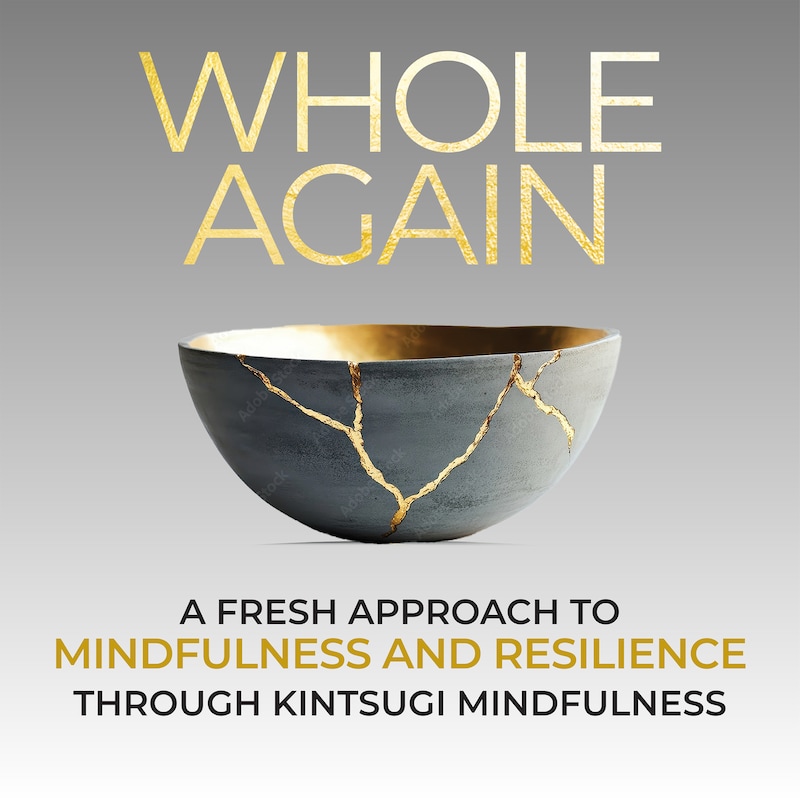
Some say the world will end in fire, some say in ice, from what I've tasted of desire I hold with those who favor fire, but if it had to perish twice, I think I know enough of hate to say that for destruction. Ice is also great and would suffice. Hey there, it's Michael. Welcome to Whole Again, the show that can help you navigate today's uncertainty with more mindfulness, resilience, and grace.
about it a lot as we started.:Is a focal point for a lot of Americans, which has brought up, figuratively speaking, much fire in his poem. Frost isn't predicting the end of the world, but rather he's really naming two very human forces. Even though I've had a couple episodes about the weather when he references fire and ice, he is not talking about weather events for his poem.
They're really states of mind. What's happening in the mindscape, what's happening in the body? Fire can be desire left unchecked, and it can also be ill will. Both of those, the desire and ill will are two of the five hindrances in Buddhism that serve as underpinnings for a practice of mindfulness. And yes, fire can show up as passion, but what frost is really referencing is the craving piece.
It's that pursuit of more, of faster, of louder that's so prevalent in today's society. It's like farru salt in the movie Willy Wonka. I want it now. It's the endless pursuit of dopamine hits that we get from social media. It's hustle and grind culture without any type of recovery, and it's also reactivity without any wisdom.
And this reactivity can feel like anger. Frustration, irritation and ill will. Going back to one of the five hindrances, and as bad bunny said in his Grammy speech that Ill will, can contaminate us, it can consume us. It only leads to more ill will. So I think we've all felt the power of fire. It can keep us warm, but it can also be destructive.
Especially when its energy is left unchecked. As he writes, from what I've tasted of desire, I hold with those who favor fire. That's on one side. On the other there's ice and he writes. But if it had to perish twice, I think I know enough of hate to say that for destruction, ice is also great and would suffice.
Ice is the opposite of fire, but also. Very destructive. In his poem, one can consider his reference to ice. Again, going back to the Buddhist underpinnings to be tied to ill will because he references hatred as he speaks about ice. But ice can also be ma, back to two. Other of the hindrances, one is sloth like so laziness, slowness.
Another is around doubt, cynicism, not believing. In some of the teachings of the dharma withdrawing, sometimes it's emotional distancing that happens. All these things pull us away from what is present in life, so we try to numb or deny. From what may be causing any type of suffering or discomfort in work speak, we often label this as disengagement.
We're not fully in it. We're not fully in our work, we're not fully in life, so we take steps and usually they're maladaptive steps or maladaptive actions. To deal with whatever we happen to be feeling. And in this case, it's the power and the energy that's icy. So ice destroys through the lens of frost by withdrawing or withholding, instead of seeing that we're all together in this, that we're all connected, or if you wanna make the leap that we're all one.
Ice is like, whatever, I gotta take care of me. And we withdraw whatever's happening over there. Not my circus, not my monkeys. I gotta think about me and only me. And what I love about this poem is that Frost isn't positioning himself is some guru or expert or leader that's above all this. Like some sage on the stage.
He's saying, Hey people, I'm with you. I have felt this right. He writes, from what I've tasted of desire, he's been there. And he also later goes on to say, I think I know enough hate, right? So both he knows fire and he knows ice. So he's speaking or writing in this particular case from experience. He knows that both forces are sufficient.
Neither one needs help and the key word here is sufficient fire doesn't need any more encouragement. It doesn't need any more sparks to burn bright and hot and ice. Doesn't need any additional support or reinforcement. Both left unattended in this dualistic way of thinking, well, they're both gonna be fine.
They're gonna get their work done. They can both be destructive on their own. Now, frost isn't overt. He doesn't name it specifically in his poem, but I think his poem does gracefully. We love the word grace here gracefully lead the reader. A new way, way. In Buddhism, it would be called the middle way. So instead of living life in a dualistic frame of mind or finite frame of mind, good, bad, dark, light, fire, ice, what Buddha taught was a middle way, not as a compromise, not as a watering down of two extremes.
ople think about it today, in:Too much striving. Too much of, too much. Well, that overheats our system as we see. There's a lot that is overheating our system today. And too much aversion. Too much checking out. Too much numbing our way through life. Well, that doesn't work either. And we see both extremes in play. We experience it almost every day.
We feel it, we witness it. I'm not saying that life should be easy, but coming from these extreme perspectives, we're definitely making life more challenging. So with a practice of mindfulness. As I teach through pause, breathe, reflect, we can find a, if you will, a middle temperature. Personally, I like a good like 65 degrees.
You might like 72, but somewhere in the middle when it gets down into single digits as it is now, as I record this, well, that's pretty cold. Things start to burst. When it gets too hot, like 95 or over a hundred, well at least I begin to melt. So around 65 or 72 degrees Fahrenheit. It's warm enough to care and cool enough to see clearly, and this middle way points to part of the eightfold path really around right effort and right mindfulness.
I should note in Buddhism and in mindfulness, especially when we talk about the eightfold path in the right way, like in right effort or right mindfulness, it's not right versus wrong, right? Is about taking steps that can ease suffering. The other path adds to suffering. So when there's too much fire or too much ice, that adds to the suffering people experience.
So with the right effort, the right mindfulness, a middle way, now we can have hopefully less suffering, and we do so without forcing it, without pushing against it too much or running away from it or collapsing. It's really about steady, attentive presence, which helps us understand that resilience isn't about becoming harder or wearing more armor.
And Grace is not about emotionally bypassing our pain with a middle way. We stop feeding the extremes, and then these qualities begin to emerge from within us. And I think that is pretty cool because they ultimately help us navigate today's uncertainty. And with a commitment to a mindfulness practice, it's easier.
To show up and find the middle way, especially when there's stress in our lives or discomfort. The middle way will ask in a moment of reflection, if you will, how can I stay engaged without burning out, and how can I stay protected without shutting down? The answers to these questions help us discover our sweet spot or our middle way.
So we can navigate today's uncertainty with more mindfulness, resilience, and grace.
As always, thanks for being here. Thank you for being part of our community and may our practice together benefit all living creatures, and I hope you'll check out the other episodes of Whole again. I serve up to you each week. I share episodes every Monday, Wednesday, and Friday. Bite-sized pieces generally that you can take and weave into your life.
So our practice becomes a way of living. If you haven't yet, join me over on Substack. I hope you will over there. I share more writings. I also do a live substack each week to help people weave our practice into their lives. And I also host two live meditation practices so we can practice our practice together.
And as a friendly reminder, my Pause, breathe, reflect app, which has over 700 meditations on it, and a special feature that can help you reduce your screen time, that is spend less time on your phone so you have more time for things that bring you greater joy. Well, my app is now free in Apple's App Store and on Google Play, and I hope you'll check that out as well.
But again, thanks for being here. I appreciate you. Thanks for putting a beautiful ripple into the world.
And if you wish to learn more about creating beautiful ripples and how to prevent a bad moment from turning into a bad day, please visit my website, Michael O'Brien schiff.com. And sign up for my newsletter called The Ripple Effect, and join us each Monday, Wednesday, and Friday here at Whole Again, and discover how you can heal, grow, and become more resilient and celebrate our scars as golden symbols of strength and resilience.
Until then, remember, you can always come back to your breath. You've got this. And. We've got you.