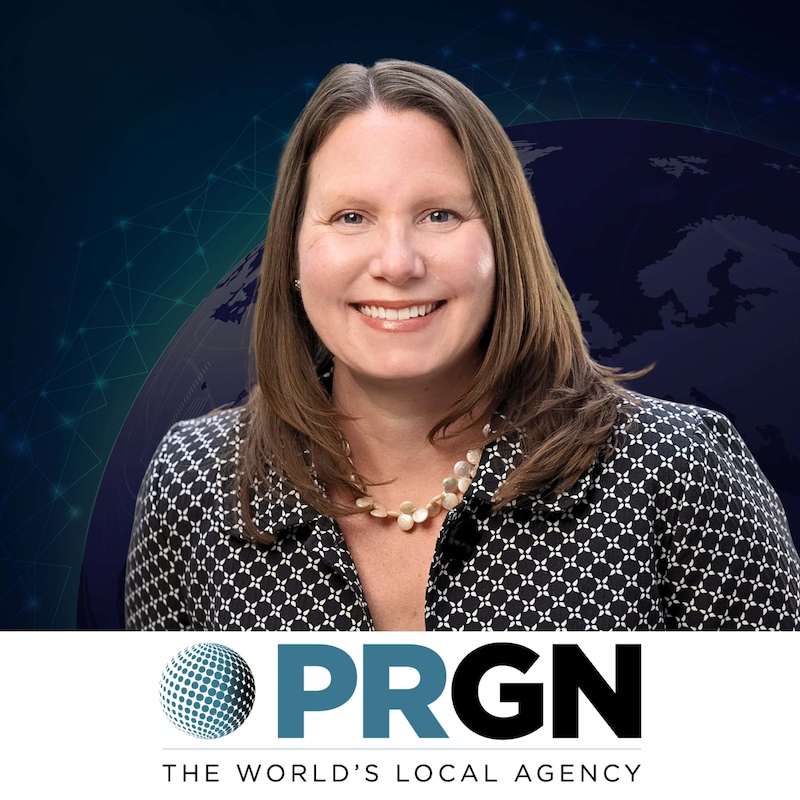
Shownotes
Jaime Gardner joins Abbie Fink to talk about the biggest business development challenges agency leaders face: winning the right clients, moving prospects through a long business development cycle, and growing existing accounts.
Jaime makes the case for proactive relationship-building over reactive crisis-driven engagement, arguing that agencies are better positioned when they help clients get ahead of issues before they escalate. She emphasizes that cold outreach is rarely as effective as referrals, networking, and strong relationships, and that agencies need to clearly communicate the value of PR as a business investment.
Jaime also digs into the practical side of moving prospects through the pipeline. She shares that there is no single formula: sales cycles can be long, ghosting is common, and outside factors often slow decisions. The key is to listen carefully, reduce friction, and make it easier for prospects to say yes, while avoiding the trap of giving away too much strategic thinking in the proposal stage.
Key Takeaways
- Strong relationships and referrals are more effective than cold outreach in agency business development.
- PR is easier to sell when it is framed as a strategic business investment, not just a transactional service.
- Long sales cycles are normal, so persistence, listening, and low-friction next steps matter.
- Proposals should show expertise without giving away too much detailed strategy for free.
- Existing clients often present important growth opportunities when agencies listen closely and demonstrate added value.
About the Guest
Jaime Gardner joined Novitas Communications in September of 2021 as Business Development and Communications Director, and became Executive Vice President in March of 2025. Jaime has over 25 years’ experience working in the public and private sector. She started her career supporting global operations for an international telecom company, then worked for the federal government in a variety of positions, and has run her own small business. Jaime has owned High Plains Communications, LLC since 2008, a small consulting firm based in Eastern Colorado, specializing in communications and public relations consulting, community relations/outreach, and regulatory consulting; she also manages the mom blog, Juggling Normal. She enjoys all manner of projects, especially tackling new challenges and solving problems for clients.
About the Hosts
Abbie Fink is president of HMA Public Relations in Phoenix, Arizona and a founding member of PRGN. Her marketing communications background includes skills in media relations, digital communications, social media strategies, special event management, crisis communications, community relations, issues management, and marketing promotions for both the private and public sectors, including such industries as healthcare, financial services, professional services, government affairs and tribal affairs, as well as not-for-profit organizations.
Dr. Adrian McIntyre is a cultural anthropologist, media personality, speaker, and strategic communications consultant for PR agencies and marketing firms. He's lived in over 30 countries and spent more than a decade in the Middle East and Africa as a researcher, journalist, communications adviser, media spokesperson, and storytelling consultant. He earned a PhD from the University of California, Berkeley, where he was a Fulbright scholar and National Science Foundation fellow. Adrian helps agency leaders strengthen their positioning, sharpen their messaging, boost their visibility, and win new clients by replacing impersonal, intrusive and ineffective marketing tactics with authentic human conversations.
PRGN Presents is brought to you by Public Relations Global Network, the world’s local public relations agency. Our executive producer is Adrian McIntyre. The show is produced by the team at Speed of Story, a B2B communications firm in Phoenix, AZ.
Follow the Podcast
If you enjoyed this episode, please follow PRGN Presents in Spotify, Apple Podcasts, or any other podcast app. We publish new episodes every other Thursday. To have them delivered automatically and free of charge, just choose your preferred podcast player from this list, open the app, and click the button to “Follow” the show: https://prgnpodcast.com/listen
Need to hire a PR firm?
Leading a business effectively in today's fast-paced world requires expert guidance and a strong communications strategy. No matter where you do business, PRGN has a member agency in your region with the deep industry expertise, international experience, and local market knowledge you need to connect with your target audience and achieve your goals. Find a PR firm near you »
Transcripts
From the Public Relations Global Network. This is PRGN Presents. I’m Adrian McIntyre.
Abbie Fink:And I’m Abbie Fink, president of HMA Public Relations in Phoenix, Arizona, and a founding member of PRGN. With public relations leaders embedded into the fabric of the communities we serve, clients hire our agencies for the local knowledge, expertise and connections in markets spanning six continents across the world.
Adrian McIntyre:Our guests on this biweekly podcast series are all members of the Public Relations Global Network. They will discuss such topics as workplace culture, creative compensation and succession planning, the importance of sustainability and environmental, social and governance programs, crisis communications, and outside of the box thinking for growing your business.
Abbie Fink:For more information about PRGN and our members, please visit prgn.com. And now let’s meet our guest for this episode.
Jaime Gardner:Hello, I’m Jaime Gardner. I’m Executive Vice president at Novitas Communications in Denver, Colorado. And I have been working in the public relations sector in a variety of roles for about 25 years.
Abbie Fink:So, Jaime, probably one of the best topics of conversation between agency colleagues comes back to new business development and how do we get clients and what kind of clients do we want and maybe equally as important, what kind of clients don’t we want? But there’s always a really enticing conversation as we all think about, you know, how do we get in front of the right clients and then ultimately how do we get them to say yes to the services and, you know, ideas and things that we are proposing to them.
Abbie Fink:So I was excited that that was going to be our conversation today. So thinking about that and certainly when a client is in a crisis situation, coming to outside PR counsel makes some sense. But for all of us, I think we’d like the opportunity to be on board with them prior to any real big issues are presenting themselves. So what do you think are the, you know, the challenges that, you know, we as agencies face and really what our clients are facing in terms of getting to this place where evaluating outside PR counsel might make some sense.
Jaime Gardner:So I think, I mean, following that line of thinking about crisis versus, you know, being proactive versus reactive, I always think being proactive is better and getting ahead of all of the crises before they are crises. Fundamentally, I think it comes down to relationship building. And I think any really good salesperson would tell you that cold calling doesn’t work as well as networking and building relationships and using the people that you already know or referrals from current or past successful clients.
Jaime Gardner:So I think relationships do matter. It is about who you know and how well you know them and also showing results. I mean, One of the things we talk about often is making sure that we are delivering the things we’re supposed to deliver and also adding value added wherever we can for our existing clients. Because if we’re not showing results for existing clients, we’re going to be overwhelmed with adding new ones.
Jaime Gardner:So kind of that, that just it, you know, making sure we’re doing the follow through that we’re delivering and then going above and beyond and what I like to call adding sparkle wherever we can, whether it’s little things, but those little things add up and our clients really value those extra pieces that we can add and help them deliver to their goals.
Abbie Fink:I want to touch on something you said at the beginning in terms of, you know, networking and relationships. And it really is about who you know and which. That takes a lot of time to develop that kind of a network. And there’s a skill involved with being able to walk into a room at, you know, a business function or a industry function and walk in confident, be able to, you know, have your elevate elevator speech about what you do, find the right conversations.
Abbie Fink:So that’s part one. But what do you do once you’ve met those people? I mean, it’s one thing to leave a networking event with a stack of business cards. I don’t think anyone uses business cards anymore. A stack of LinkedIn connections. But what do you do then? I mean it’s more than just having the names and a phone number and an email address. You actually have to do something with those budding net relationships. So what do you do to move those conversations from it was nice to meet you to can we have a conversation about what we do together?
Jaime Gardner:Absolutely. I like to follow up with an ask for a coffee meeting or lunch. I don’t tend to ask for dinner mostly because it’s hard to give up another evening for dinner. But trying to follow up and just say we would love to sit down and really dig into what you might need at your company that would be most helpful for us to help you with.
Abbie Fink:And is this do you find at least this has been kind of my experience is public relations services. Public relations programming is a bit complicated to explain to the. To the. To the average person. I mean my parents still aren’t entirely sure what it is that I do and I’ve been doing it for a long time, but mine either. It’s one. Yeah, it’s one of those things I think really that until you need it, you may not see value in having the conversation. And where I find, where I find the most success in getting to the conversation is really, as you said, is it’s, let’s talk about your business and, you know, what you’re doing from a marketing perspective. How are you finding your potential clients and prospects and then sort of feeding in the way that we could help do that.
Abbie Fink:Are you finding any kind of tricks of the trade to kind of get that conversation other than they, they enjoyed your company and they’d be willing to give you another, you know, 45 minutes over a cup of coffee. But I think for both sides, we want to make sure we get out of that conversation something valuable. And even if that means it’s not going to be a good fit, but we still need to get to the point of having that conversation.
Jaime Gardner:Right. I think, obviously doing a little legwork goes a long way. Researching the company, maybe doing a quick Google search to figure out if there’s anything in the media, anything in the news or current events that may be affecting their industry, and then turning that as a pivot and point and saying, I noticed this is happening. Here’s three ways we could help you. And using that as the hook for sitting down to have coffee, I think is a good play. I also think one of the ways I tend to kind of attack that, that why do, why do I need PR? I don’t need anything. We’re doing great.
Jaime Gardner:Is kind of, you know, you pay for legal services, and they pay a premium generally for legal services, but they want all the things for $1,000, which of course, is one of our biggest challenges, especially when we’re talking to a new client that’s never had PR before. So how can we kind of come at that sideways and get them to see the maybe three to five top ways that we could be most helpful and level them up or help them level up in their business and amplify their public outreach, customer outreach, community, you know, reputation management, et cetera, to go to that next level and maybe help their business grow.
Abbie Fink:When I always talk about what we do, I, I have, I have often used the same example about, you know, you have no problem having your legal counsel on retainer. You have no problem having an accountant, you know, and public relations, external public relations support can be seen in that same business level. We refer to it as a monthly investment versus a retainer or a fee because it really is an investment in your business, right?
Abbie Fink:If we are able to get onto the same page where they’re at least willing to have the conversation and think about what it is we can provide. We are a consultant, we are an advisor, we are a counselor. We are there to guide conversations that ideally put forth positive information and help you be in front of your, you know, your prospects in a positive way. But we’re also there in the event that some things aren’t as positive and we want to be part of your team at that point as well. And so to me, if your reputation is important as a business, if generating awareness and getting new clients is important to you, Mr. or Ms. Business Owner, then this work, this opportunity for what we can provide should be seen as an investment.
Abbie Fink:Yes, it costs money, yes it can be an expense. But there is something about investing in your, you know, in your business and we can help do that. And I think the value proposition that you talk about is really where that moves the conversation from it being a transaction to a real relationship. A solid, strong business relationship is when, when we demonstrate our value. But they get that what we’re bringing is valuable to them.
Jaime Gardner:Well and I think also the value comes in how we can integrate and become an amplified member of their team. So you know, the value of hiring a PR firm versus hiring a full time staffer is that we bring a full team to the table. We have a variety of skill sets, a variety of experience levels and you kind of get more bang for your buck by having our full team as part of your integrated team to be able to really have it all, if you will, without having to pay all of the benefits that goes along with a full time salary.
Jaime Gardner:And you know, you get the senior staff strategist, you get the mid-level manager who’s keeping track of things on the day to day and you get the junior staff doing the things that junior staff need to get done. So we can provide that full breadth of experience as a value added in contrast to having to pay a six figure salary. If they were to bring on a senior communications person, but then they would have to add another junior person because those senior people don’t generally want to write the social media posts and all of the things in the day to day. So that’s really two full time staffers that they might have to hire in order to equalize the same amount of work as our team brings on a monthly investment level.
Abbie Fink:So let’s get down to some kind of nitty gritty here and that. You’ve got potential prospects, you’ve done some of the outreach, you’ve felt good about the the networking and, and the follow up. How do we move them from being a good prospect to really becoming a good client? What does that pipeline look like? How do you move them through that funnel to get to thanks for having coffee to please send me a contract. And if you know the magic words, then clearly please share because I think we all need that.
Jaime Gardner:I wish there was one silver bullet answer to this question, Abbie. Unfortunately, as you know, it can take nine months, 18 months, three to seven years to, to move people through. And I know the last couple years especially, I feel like clients have been not dragging their feet, but you know, the economy has been an excuse or variety of things. And we had one new client that started with us at the end of last year that ghosted us all summer. They’d asked us to send an LOA over in May and we didn’t hear anything.
Jaime Gardner:And I followed up in September and said, should we just stop bothering you? What do you want us to do? And they said, oh my goodness, hired new staff. Let’s keep talking. Can we sign on at the end of the year? And we made it happen. I do try to, I offer to send the contract. Are we at that point, can, you know, can I send you a draft contract with an SOW in it? Just trying to be as ... knock as much off of their plate as I possibly can to get them to "yes."
Jaime Gardner:I also try to, you know, what, what are the impediments? You know, listening is big, whether they’re prospects or existing clients. What is happening in their world today? What are they dealing with? It might be regulatory challenges. It might be, you know, city council sitting on a project application and they have to have that approved before they can really approve the budget for extra things.
Jaime Gardner:How can we be most helpful to move that through the process or, and maybe it’s not anything we can do, but even knowing that that’s what it is helps us understand that they’re not just being difficult. There are external factors that none of us can do anything about necessarily. But maybe in the meantime, what if we sign on for just a small. We have a service we call PR Protect. So it is basically, it is a monthly retainer for crisis only services. And we offer four hours a month of crisis, four hours a month of general support. And it’s kind of our bare minimum package. Would it be good for us to get started on our bare minimum just so that we get the ball rolling and we can get to know you a little bit and then we can ramp it up. When you’re ready is one avenue that we’ve, we’ve pursued.
Abbie Fink:Yeah, I think, you know, there’s a lot of conversation about that, the ghosting element. But you have those good conversations. You put together what you believe is a really good, solid proposal with, you know, your experience. And I’m going to ask you a little bit about, you know, what we include in proposals and what we don’t want to always include in proposals, but we feel good about the proposal that we’ve submitted and we’ve met the timeline that was laid out, and then we don’t hear anything, and we don’t hear anything, and we don’t hear anything.
Abbie Fink:And there’s a lot of conversations around, what do you do next? And I follow some of the same things that you’re doing, including the one that says, you must have gone in another direction. I’ll stop bothering you. And then I usually always get an email at that point. No, no, no. We just haven’t made any decisions. We had a situation not all that long ago that we, you know, we submitted the proposal. All the things we didn’t hear, we didn’t hear. We wrote it off fine. That’s great. It’s about probably close to two years later, they replied to the email, that one email, and said, we’re ready to go. And we’re like, who are you? Like, we gotta go back in the archive, find that proposal. It’s like, what did we say we were gonna do? And they ended up being a really great client for a significant amount of time. But there are lots of factors that play from the client side that have nothing to do with us in terms of where they’re at.
Abbie Fink:I have gone back and forth over the years on that whole proposal process, and what do we, you know, what do we share in a proposal that is our expertise and our capabilities? How much do we tell them about themselves and what we know about them? And then what, if anything, do we share about what we would actually propose? It’s difficult, I think, at that proposal stage to truly be able to tell a prospect what they should be doing. We don’t know enough yet to tell them exactly what they should do, but I think we know enough to tell them what should be considered. But, you know, have you found a good solution or at least a happy medium in the what do you share with prospects to demonstrate you’re good at what you do and you understand their business without giving it all away before they become an actual client?
Jaime Gardner:So I think we more and more we’re going with the less is more approach because we don’t want to give away free ideas. But the happy medium, if you will, that we have kind of come to at this point is high-level, kind of some strategy, some high-level. You know, obviously we want to be able to provide op-eds and letters to the editor and thought leadership as the big, the big things, strategy, annual plan, key messages and potentially including a crisis plan to try to get ahead of crisis management before it happens.
Jaime Gardner:And all of those big ticket items we front load with a higher initial startup cost. And so we can tie some of those things to the cost proposition. But we’ve been trying really hard not to get into the nuts and bolts details of any strategy or game plan in order to hopefully not give away the farm before they sign on the dotted line. And I think that’s the biggest challenge.
Abbie Fink:One of the things that I’ve been challenging our team with this this year is obviously new business, as in brand new clients are important and will always be part of the operation of our business. But one of the things that we’re really focusing on is what and how can we grow the existing clients. Right. We’re typically brought on for a very specific purpose. It is in our best interest, and I think the clients as well, to demonstrate we have abilities outside of what might have been the original reason that you, you brought us on and you know, how to listen to what the client is telling us during our, you know, our check in calls or our face to face meetings about what’s impacting their business now, what are the, some of the things that maybe have changed since we first started on board that we should be potentially considering new, a new scope of work or a revised contract.
Abbie Fink:And I think that comes to this idea of, you know, continuing to demonstrate value in the things that we bring to the table and really showing our clients that we are more than what you potentially brought us on for. And think of us as an advisor and a counselor for other, you know, a lot of your business services. And what else can we be doing, thinking about that and then, you know, where, where and how do we continue demonstrating that value for our, for our current clients, those that are already on the books, those, the clients that we’re already working with and how do we guide them in those conversations that we can be more to you than what we currently are and how we can. We’ve demonstrated that you can trust us that we’ve demonstrated our capabilities, let us be part of other projects, other lines of business in your organization. How do you guide them to that particular element in order to secure some additional work from within the current structure?
Jaime Gardner:So I try to, I love that we’re trying to do that as well. I try to suggest or add a little tidbit here and there when I hear those cues in our client conversations and say, oh, did you know that we also do digital advertising and we recently had a client that we had a fairly low spend on and we reached 7 million people with impressions over a five week campaign. So I’ll drop a nugget of here’s an example of where we’ve really had success. We could do that for you too. Or you know, if we did a series of media outreach or whatever it is to, we could help you level up in this area too. I’d be happy to talk about an add-on commitment for that.
Abbie Fink:And that’s a conversation I think that you know, and I’m assuming in the same structure a little bit as you in your role at the agency are not necessarily sitting in the client, the day to day client meeting things. You’re in a strategic role with the clients. It’s really about us empowering our teams that are in that interaction day to day with the clients to sort of understand and hear those, those cues in order to be able to drop the ... and have a wider picture of what’s happening in the entire agency to understand what is relevant to these particular clients. So I think there’s challenges certainly within the client organization. There’s things that we as agency owners and guiding our teams to understand what problem solving for clients means both from those that are prospects and those that are currently in-house and how to continue to make sure that we show that value in the work that we’re doing.
Jaime Gardner:Absolutely. I think that’s one of the things. I actually just shot a note over to our senior leadership team a little bit ago saying, you know, I really want everyone on our team to be in a growth mindset and I think that gets to that goal right there.
Adrian McIntyre:Thanks for listening to this episode of PRGN Presents brought to you by the Public Relations Global Network.
Abbie Fink:We publish new episodes every other week, so subscribe now in your favorite podcast app. Episodes are also available on our website, along with more information about PRGN and our members, at prgn.com.





