Shownotes
Episode 94: Food Nomad — Navigating the Emotional Journey of Autoimmune Disease with Imei Hsu
For many people, changing the way they eat because of autoimmune disease can feel like losing more than food. It can affect family traditions, cultural connection, travel, restaurants, and the simple feeling of belonging around a shared table.
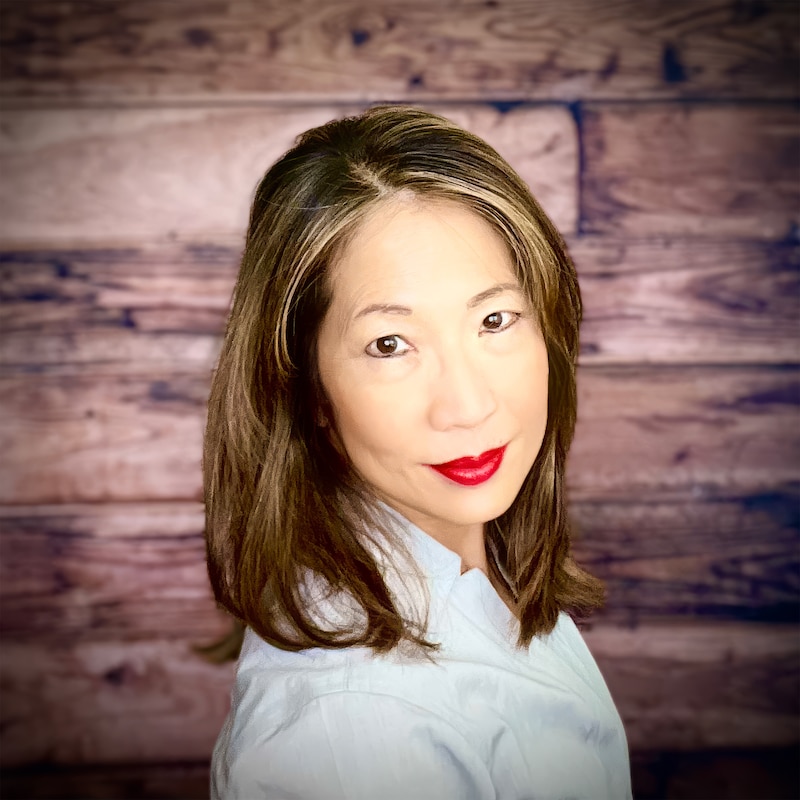
In this episode of the Autoimmune Wellness Podcast, Mickey Trescott is joined by Bernice Imei Hsu, registered nurse, licensed mental health counselor, National Board-Certified Health and Wellness Coach, and AIP Certified Coach, to explore the emotional and cultural journey of living with dietary restrictions.
Five years after writing her Autoimmune Wellness article, "Bringing Culture Back to the Kitchen," Imei reflects on what she has learned about healing, reintroductions, adapting traditional foods, and becoming what she calls a "Food Nomad." Together, Mickey and Imei discuss why healing isn't simply about getting foods back. It's also about finding new ways to reconnect with culture, relationships, travel, and joy.
In this episode, you'll learn:
- What Imei means by becoming a "Food Nomad"
- Why dietary restrictions can affect identity, culture, and belonging
- Why adapting cultural recipes can take years of experimentation
- How reintroducing foods like soy helped Imei reconnect with family traditions
- What Imei learned from experimenting with gluten-free sourdough and other foods
- Why healing and food tolerance can continue evolving long after the elimination phase
- Ways to navigate family gatherings when you can't eat traditional foods
- How to give yourself permission to adapt traditions instead of perfectly recreating them
- What it means to become the "keeper of the food flame"
- Why grief around food and cultural traditions is a normal part of the autoimmune journey
- How to hold onto hope when you're still early in elimination or reintroductions
Resources:
- Bringing Culture Back to the Kitchen – Imei's original 2021 article on Autoimmune Wellness
- Imei Hsu on Instagram: @everydaywithimei
Episode Timeline:
00:00 – Food, identity, belonging, and autoimmune disease
02:34 – Introducing Bernice Imei Hsu
03:39 – What it means to be a "Food Nomad"
06:17 – Revisiting "Bringing Culture Back to the Kitchen"
13:21 – The long game of healing and food reintroductions
18:19 – Gluten-free sourdough baking experiments
25:58 – Bringing culture back into the kitchen
31:48 – Food, belonging, and navigating relationships
37:55 – Giving yourself permission to adapt tradition
42:09 – Becoming the "keeper of the food flame"
46:12 – Encouragement for anyone grieving foods or traditions
48:24 – Wrap-up and where to follow Imei
Transcripts
For many people, starting the autoimmune protocol can feel overwhelming,
Mickey:not because of the recipes or the meal planning, but because what it seems
Mickey:to mean for the rest of your life.
Mickey:Will I ever be able to travel again?
Mickey:Will I ever be able to eat in a restaurant without stressing?
Mickey:Will I always have to bring my own food wherever I go?
Mickey:What about family holidays, cultural traditions, or those recipes that
Mickey:connect me to the people that I love?
Mickey:These aren't just questions about food.
Mickey:They're questions about identity, belonging, and whether life
Mickey:will ever feel normal again.
Mickey:Today's guest has spent years thinking deeply about these questions.
Mickey:She calls herself a ""Food Nomad"", and I think the idea beautifully captures what
Mickey:so many of us experience as we navigate our new life with autoimmune disease,
Mickey:not searching for a way back to who we were before, but discovering a new way
Mickey:of living that allows us to reconnect with food, culture, travel, and joy.
Mickey:Welcome back to the Autoimmune Wellness Podcast.
Mickey:I'm your host, Mickey Trescott, and today's episode is one I think
Mickey:that so many of you need to hear.
Mickey:Back in 2021, today's guest wrote one of my all-time favorite articles that we
Mickey:published on the Autoimmune Wellness blog.
Mickey:It was called "Bringing Culture Back to the Kitchen", and in it, she shared
Mickey:something I think many people living with autoimmune disease have experienced
Mickey:but rarely put into words, that changing the way we eat can sometimes
Mickey:feel like losing a part of ourselves.
Mickey:She described bringing culture back into the kitchen as a pathway rather than a
Mickey:destination, and reflected on the grief of stepping away from family recipes,
Mickey:those shared meals, and foods that connected her to her Chinese heritage.
Mickey:But she also imagined finding her way back, not necessarily to the exact foods
Mickey:she once ate, but to a new relationship with food, culture, and community that
Mickey:could bridge the gap between heritage and what her body needs right now.
Mickey:And now, five years later, she's lived much of that journey.
Mickey:Today, we're talking about what happened next, how healing through AIP and
Mickey:thoughtful reintroductions opened doors that she never expected, and how she's
Mickey:reconnected with travel, restaurants, and cultural traditions, and why healing
Mickey:isn't just about expanding that food list.
Mickey:It's about reclaiming parts of your life that might have felt lost along the way.
Mickey:Bernice Imei Hsu is a registered nurse, licensed mental health counselor,
Mickey:and National Board-Certified Health and Wellness Coach who provides
Mickey:telehealth counseling and coaching through her private practice.
Mickey:Her own journey with autoimmune disease began in 2014 when she
Mickey:was diagnosed with celiac disease and dermatitis herpetiformis.
Mickey:After experiencing the transformative impact of the Autoimmune Protocol,
Mickey:she completed the AIP Certified Coach Program in 2020 to better support
Mickey:people navigating both autoimmune disease and the emotional challenges
Mickey:that often accompany chronic illness.
Mickey:Today, Imei specializes in helping clients living with autoimmune disease
Mickey:and chronic illness build resilience, reconnect with themselves, and navigate
Mickey:the many psychological and social changes that come with long-term healing.
Mickey:She's also a referred provider for the Center for Chronic Illness in Seattle,
Mickey:Washington, and serves as a clinical supervisor for counselors-in-training.
Mickey:Imei, welcome to the Autoimmune Wellness Podcast.
Imei Hsu:Thank you so much for having me.
Mickey:So I absolutely love this phrase that you have coined that
Mickey:you call yourself a "Food Nomad".
Mickey:Before we dive into your story, can you tell us what that term means to
Mickey:you and how it became such an important part of your own healing journey?
Imei Hsu:It started because even in my own town, I live very close
Imei Hsu:to Seattle, Washington, there's lots of food that you can get.
Imei Hsu:I mean, basically walk out into any street not very far from
Imei Hsu:your own home, and there's all kinds of eating, drinking places.
Imei Hsu:But as many of us know, once we've been on the AIP and identified foods
Imei Hsu:that we need to restrict for a certain amount of time and then see what we're
Imei Hsu:still reacting to, that, that lots and lots of foods are off the list.
Imei Hsu:And I remember one time being invited to a, I think it was a Seahawks watch, watch
Imei Hsu:party, and they had all this food that was produced for it and a pretty big-ticket
Imei Hsu:item that somebody gifted to me and said, "You know, I'll pay for your ticket."
Imei Hsu:So I go in there, and staying on the AIP at that time was, was pretty rough.
Imei Hsu:And I walked away with a plate that had a carrot and a piece of lettuce on it,
Imei Hsu:and I took a picture of it kind of as a joke of like, if I were strictly doing
Imei Hsu:this, this is what I would have, because everything else that they provided
Imei Hsu:was not something that I could have.
Imei Hsu:This idea of "Food Nomad" meant that not only were the foods that were
Imei Hsu:there not representative of my culture, and I didn't expect it to be, but
Imei Hsu:that that's probably I would just see more of the same everywhere else.
Imei Hsu:And the only choice I felt I had was to remember what it is that I liked and
Imei Hsu:keep this idea that I could go elsewhere.
Imei Hsu:I can travel for it if I need to, or in sort of a reverse nomadism, which would
Imei Hsu:be diaspora, bring it back with me.
Imei Hsu:So that was that, bringing that culture back into the kitchen.
Imei Hsu:And that sort of sparked both the, the, the, the angry point, the thing
Imei Hsu:that made me go off on a rant and then come back and say, "I think I
Imei Hsu:have an idea of what I'd like to do."
Imei Hsu:Go out there, bring pieces of it back, and then also wait to see what
Imei Hsu:happens to my immune system over time.
Imei Hsu:That because of the way the introductions work, this is
Imei Hsu:not something you do forever.
Imei Hsu:It's for a time.
Imei Hsu:So then I know I had an idea.
Imei Hsu:It's not a destination I'm heading for.
Imei Hsu:It's going to be a pathway.
Mickey:I love that so much.
Mickey:And really, I think back in 2021 when you wrote this article, and you guys,
Mickey:I'm gonna link it in the show notes 'cause I think it's a great companion
Mickey:to this discussion we're having today.
Mickey:It was called Bringing Culture Back Into the Kitchen, and you wrote
Mickey:about that journey as a pathway, not as a destination, which is
Mickey:exactly what you're describing here.
Mickey:back five years later, tell us about how that journey unfolded
Mickey:in ways that you didn't expect.
Imei Hsu:One of the things that I, I didn't expect would happen
Imei Hsu:is how long the journey has been.
Imei Hsu:Like, if you had a specific thing that you wanted to get back into your eating
Imei Hsu:repertoire, and it's complicated.
Imei Hsu:So I'm now speaking to, say, those who are in the Southeast Asian community
Imei Hsu:and might have some very particular generationally handed down foods and
Imei Hsu:those recipes that need a lot of altering.
Imei Hsu:I don't think it's fair to say, "Do these easy substitutions, and
Imei Hsu:voila, it's, it's exactly what
Imei Hsu:you want." Instead, it will evolve over time, and what surprised
Imei Hsu:me is how much time it took.
Imei Hsu:So when I started first to make something called jiaozi, it's a dumpling.
Imei Hsu:It can be fried or steamed.
Imei Hsu:I thought the steaming would be the best one, and if you read the, the
Imei Hsu:original article, that is one of the things that I tried to make, and it
Imei Hsu:turned into this gloppy, gooey mess that basically kind of melted into the paper.
Imei Hsu:And I dumped it.
Imei Hsu:I threw it into the bin because it was inedible.
Imei Hsu:It took another three years of experImeinting and trying different
Imei Hsu:things because my restrictions were different from someone else's.
Imei Hsu:So even if somebody else had a recipe that said, "This will work," it
Imei Hsu:still had ingredients that did make it work for what they were trying to
Imei Hsu:do, but I couldn't have it because they still made me kind of ill.
Imei Hsu:And it could be the simplest of things.
Imei Hsu:I love that there's so many available recipes that have,
Imei Hsu:for example, cassava in it.
Imei Hsu:I'm sensitive to cassava for some reason.
Imei Hsu:It just doesn't agree with me, and I don't fight it anymore.
Imei Hsu:So I've had to work with what will work.
Imei Hsu:I've also had a many-year sensitivity to, to gums or emulsifiers, so xanthan
Imei Hsu:gum was off the table, but yeast was not.
Imei Hsu:So if I could make things that had yeast in it and I could
Imei Hsu:get it to rise, that's one.
Imei Hsu:Later on for breads, for example, and there are some breads in the
Imei Hsu:Chinese repertoire of things.
Imei Hsu:They come more from the northern part of China and then as my family made
Imei Hsu:it to Taiwan, there's all kinds of baked goods that are made of wheat.
Imei Hsu:Being able to adapt those, using things like brown rice or sorghum
Imei Hsu:flours took a lot of experImeintation.
Imei Hsu:I can't say that they look and that they act exactly like the
Imei Hsu:originals, but they get pretty close.
Imei Hsu:But doing that experImeintation just took a lot longer than I thought it would.
Imei Hsu:And then the other thing that it took was a shift in mindset
Imei Hsu:that was really surprising to me.
Imei Hsu:I had to de-center mainstream food.
Imei Hsu:And I say that because I was born in the US, and my parents had our family
Imei Hsu:quickly acclimate in one ways to things that weren't normative around us.
Imei Hsu:So we grew up in a neighborhood that had a lot of Spanish-speaking
Imei Hsu:people in it, but it also had a lot of your sort of mainstream,
Imei Hsu:middle America kind of people in it.
Imei Hsu:And then the Chinese families sort of clumped together.
Imei Hsu:So we'd have Chinese food on the weekends, and we'd try to eat as
Imei Hsu:everybody else did on the weekdays, especially with school, so that you
Imei Hsu:didn't feel like you didn't belong.
Imei Hsu:But that had to give way.
Imei Hsu:If, if that was like I centered my food and eating culture around what was
Imei Hsu:normal, then it, it would automatically decenter my Chinese culture away,
Imei Hsu:and that didn't quite fit right for what our family's trying to do and
Imei Hsu:the preservation of our heritage.
Imei Hsu:And so I found myself shifting and decentering that beginning
Imei Hsu:sort of part and moving towards something that was a hybrid.
Imei Hsu:If you could imagine deciding who owns these recipes, who, who gets to
Imei Hsu:change them, and for what reasons?
Imei Hsu:Because you could otherwise look at, say, what, what happens on the internet
Imei Hsu:when you get a sensation who's outside of that culture making those foods.
Imei Hsu:Like, who gets to say what Chinese fried rice looks like and tastes like?
Imei Hsu:Who gets to say when you add the soy sauce, or in my case, the tamari,
Imei Hsu:and for a long time, I couldn't even have tamari 'cause I was sensitive
Imei Hsu:to soy, so then it was coconut aminos and it was… Who gets to do that?
Imei Hsu:Who, who's gonna be okay with that?
Imei Hsu:And so it was decentering off of these authoritative, people and celebrities
Imei Hsu:and the, the broader culture and the recipes from the past and saying,
Imei Hsu:"I, I'm gonna have to take charge here," and say, "Start with me first.
Imei Hsu:This is okay for me." And then for others who are curious about that
Imei Hsu:to, to try and see if they might like that too, and giving them
Imei Hsu:sort of transferring some of that.
Imei Hsu:And you can too if you like.
Imei Hsu:Do this, and it's okay.
Mickey:Wow.
Mickey:You really have helped me reconceptualize how I think of some of these recipes
Mickey:as a recipe developer myself, but also recognizing that for each person, we
Mickey:do have our own lenses of our cultural backgrounds and the foods that we
Mickey:enjoy eating, the foods that we grew up eating, the foods that give us joy
Mickey:and nourishment and all those things.
Mickey:And I love that you've given people permission to start with themselves
Mickey:instead of looking for somebody else who has just figured out exactly what they
Mickey:want, which I think as a recipe developer, I get both ends, which is people who have
Mickey:their expectations of exactly what they need, especially with food sensitivities.
Mickey:It's like, oh, wait, you didn't develop this recipe that is Core or
Mickey:Modified AIP, but it includes coconut or cassava or something that an
Mickey:individual person is also sensitive to.
Mickey:I feel so bad for those people, but also there is some aspect of it as an
Mickey:individual where you can be curious and, and try to apply those filters,
Mickey:and that cultural filter is one that you've just educated us a lot on.
Mickey:So, thank you so much for that.
Mickey:One thing that I hope people take away is that, from our conversation, is that
Mickey:healing doesn't stop after elimination or reintroductions, and I know your
Mickey:story really can attest to that.
Mickey:Can you share some of the milestones that you have experienced over the years being
Mickey:a "Food Nomad", whether that's bringing back soy, like you talked about, having
Mickey:to do some coconut aminos, and then being able to tolerate tamari, maybe learning
Mickey:to bake with gluten-free sourdough, tolerating ingredients you haven't before,
Mickey:or just feeling more free around food?
Imei Hsu:Okay.
Imei Hsu:Yes.
Imei Hsu:One of the things that does come to mind since you brought it up
Imei Hsu:also is this thing about soy.
Imei Hsu:Now, I recognize in the United States, some people look like, if
Imei Hsu:you can't eat soy, no big deal.
Imei Hsu:You have so many other choices, and maybe it's not all that
Imei Hsu:good for you in high quantities.
Imei Hsu:But we're talking about culture now, and there are so many recipes
Imei Hsu:that involve things like tofu: fried tofu, boiled tofu in soups, miso.
Imei Hsu:My family, part of them grew up under the Japanese occupation of Taiwan, and so
Imei Hsu:Japanese food is just as common as Chinese food in, in our household growing up.
Imei Hsu:So to lose those things actually felt like a, a bigger loss than what other people
Imei Hsu:outside of having to do restrictions like this for a time until the body shifts.
Imei Hsu:It was, it was a bigger deal.
Imei Hsu:There is a whole section in one of the recipe books that
Imei Hsu:I love that's just with tofu.
Imei Hsu:There's a whole section that just deals with soy, how it's sourced, how
Imei Hsu:even soy sauces are made, why there's certain brands that sort of end up
Imei Hsu:being the top of the line for the world.
Imei Hsu:And then being told, "Oh, you can try tamari," when I learned that I couldn't.
Imei Hsu:I was having the same kind of reactivity to it, that you would expect as a
Imei Hsu:person who's reacting very strongly.
Imei Hsu:And it's-- so gastrointestinal, skin, having a little bit of
Imei Hsu:joint pain with it, just general feelings of malaise and unwellness.
Imei Hsu:So being able to get that back meant the world, and there are specific
Imei Hsu:recipes that I immediately tried once I realized I could have it again.
Imei Hsu:I didn't recognize, 'cause it'd been so long, how much that actually played
Imei Hsu:into some of the depression and the estrangement from my own culture.
Imei Hsu:Because as we sat around eating table style, and in Chinese restaurants,
Imei Hsu:you have a portion that's, you know, sitting in front of you and
Imei Hsu:everybody's turning the table to get to the foods that they want.
Imei Hsu:And I had to keep track of what was in which one, because we do family style.
Imei Hsu:We don't do individual plates.
Imei Hsu:And being able to have one more dish that I could eat and not have to
Imei Hsu:keep track of means so much to me.
Imei Hsu:And even if that's on, you know, on the table at home with extra guests, that
Imei Hsu:I could make something that everybody could have, not just me, and that
Imei Hsu:the modifications were so mild that they didn't notice the difference.
Imei Hsu:That means a lot 'cause there's that sense of belonging.
Imei Hsu:That was years of estrangement that a little bit of it got taken in
Imei Hsu:or, you know, removed from that.
Imei Hsu:So that's hard to put a quantifier on how valuable that
Imei Hsu:is, but that's just one dish.
Imei Hsu:Now we look at all the repertoire of things that I couldn't have for those
Imei Hsu:years and how that multiplied into situations where there wasn't anything
Imei Hsu:for me unless I brought it, but you can't bring that into restaurants.
Imei Hsu:So guess who sometimes didn't go?
Imei Hsu:That's, that's what happens, and that's what happens to many of us.
Imei Hsu:Being able then to recreate things at home and then invite people in
Imei Hsu:really made a big difference to me.
Mickey:Mm-hmm.
Mickey:Mm-hmm.
Mickey:Yeah, and, and I think a lot of people don't estimate the labor is
Mickey:involved in always having everyone over to your house where it's safe,
Mickey:and preparing all of the food.
Mickey:Going out to eat is just an experience in so many different ways, but one of
Mickey:them is for those of us with chronic illness, you know, we're managing our
Mickey:health, and then to have our whole family, who most of the time means well, and,
Imei Hsu:Mm-hmm.
Mickey:know.
Mickey:But it, that, that is really challenging, too.
Mickey:Thank you for sharing that.
Mickey:Talk to us a little bit about some of those other foods, like you've
Mickey:mentioned, you learning to break bake with gluten-free sourdough and some
Mickey:other ingredients that you tolerate.
Mickey:Like we talked about soy, but is there anything else on the
Mickey:list that has come back for you?
Imei Hsu:Yeah, the sourdough one I get the most questions about.
Imei Hsu:People ask like, "How on earth did you get that thing to take off?" And what
Imei Hsu:they're talking about is that sourdough, it usually likes a certain temperature.
Imei Hsu:I live in the Pacific Northwest.
Imei Hsu:Our kitchen rarely gets to, you know, an even-keeled 75 degrees, which would be
Imei Hsu:the minimum temperature that you want to have really for sourdough to take off.
Imei Hsu:And so first of all, I bought one of those little sourdough starter
Imei Hsu:homes that you stick your starter in because that just made it easier.
Imei Hsu:It's a lot easier to say, "I'm gonna stick that on 80 degrees," and that, that little
Imei Hsu:s- sourdough baby is gonna take off.
Imei Hsu:The other one is that I was working with brown rice.
Imei Hsu:You could use, sorghum.
Imei Hsu:You can use a variety of other flours.
Imei Hsu:But if you just went on the internet and used AI, it would
Imei Hsu:tell you to put rye in there.
Imei Hsu:And I'm just looking at it like, "Oh, nope, nope.
Imei Hsu:I'm, I'm solid gluten free.
Imei Hsu:I have celiac disease.
Imei Hsu:That is no longer celiac safe." And then on top of it, there was,
Imei Hsu:you know, some ideas that if you fermented it, then suddenly the gluten
Imei Hsu:in it isn't going to make you sick.
Imei Hsu:That's also not true.
Imei Hsu:So a three-day ferment does not remove all of the gluten in there.
Imei Hsu:The, the fermentation does not eat up the gluten.
Imei Hsu:It's still there.
Imei Hsu:You can still get sick from it.
Imei Hsu:And so getting a non-barley, wheat or rye sourdough starter going,
Imei Hsu:the, the first time I tried it, I killed it, meaning not a good thing.
Imei Hsu:I killed it for real.
Imei Hsu:Literally, it died.
Imei Hsu:It didn't work.
Imei Hsu:12 days later, it still looked awful, so I dumped it and started over again
Imei Hsu:and began experImeinting with, should I put a little bit of vinegar in this?
Imei Hsu:Should I try not feeding it more water, and on the second feeding,
Imei Hsu:just feed it brown rice and then stir it and then do this and do that?
Imei Hsu:And finally, at 80 degrees, it took off.
Imei Hsu:It got bubbly.
Imei Hsu:It did the whole thing.
Imei Hsu:I was filming it like, "Oh, my gosh, it's bubbly." I got, like, excited.
Imei Hsu:This is my sourdough baby.
Imei Hsu:Then I noticed that people were naming their sourdough starters.
Imei Hsu:So I named mine Doughfus.
Imei Hsu:Doofus, but Doughfus.
Imei Hsu:But other people just have brilliant names for their starters because you
Imei Hsu:gotta feed it all the time, except when you don't, which is you could put it at a
Imei Hsu:much colder level or in your refrigerator and let it go to sleep for a while and
Imei Hsu:then just wake it up when you're ready.
Imei Hsu:So what that did is it allowed me to make some of the bread items I wanted to make.
Imei Hsu:Now, I, I will be honest, I haven't tried to do some of the
Imei Hsu:Taiwanese baked bread items yet.
Imei Hsu:They're pretty fancy.
Imei Hsu:But I've just made, like, standard bread.
Imei Hsu:And instead of eating some of the breads that are commercially made for
Imei Hsu:gluten-free that I could eat, the ones that I was making at home, a little
Imei Hsu:less expensive, a lot more dense, but they still had nice airy pockets in
Imei Hsu:it and no giant hole in the center.
Imei Hsu:For those who know, you know what I'm talking about.
Imei Hsu:No giant hole in the center, which is really nice.
Imei Hsu:It just made bread-making, everything from French-style
Imei Hsu:baguettes, everything a lot easier.
Imei Hsu:Then I started going into, well, if we can make bread, can't we make pizza?
Imei Hsu:So that's been one of the things, and I, I wrote about it a little
Imei Hsu:bit in that original article, that pizza was one of those things on the
Imei Hsu:pathway that would help me know if I was making advances, like I was
Imei Hsu:actually getting towards, towards a destination, but I'm on the path.
Imei Hsu:If the pizza tasted more and more and acted more and more like pizza,
Imei Hsu:then I was making some progress.
Imei Hsu:And so now I have pathways that go with just standard flour, and doing a three-day
Imei Hsu:ferment in the refrigerator versus the sourdough and doing it that way.
Imei Hsu:The only thing is both of these styles cannot go in a pizza oven.
Imei Hsu:So I had to learn from, Peter and his wife have a beautiful book on pizza making.
Imei Hsu:So it's all, celiac-safe versions of pizzas that you could make at home.
Imei Hsu:And in the very front of the book, there's a little blurb there that describes how
Imei Hsu:he got restaurant quality out of the bake.
Imei Hsu:And just for that section there, if you get a chance to read that, then you
Imei Hsu:realize how to get the crisp outside and that nice soft texture that you can fold.
Imei Hsu:So it's the foldability of the pizza.
Imei Hsu:Now, put that with sourdough, which that book does not emphasize, and
Imei Hsu:now make sourdough pizza crust
Imei Hsu:It's amazing
Mickey:I want to know where this recipe's gonna be published if you feel so
Mickey:generous, 'cause this sounds delightful!
Imei Hsu:I'm still playing around with it.
Imei Hsu:Right now there's a person who has her version out there.
Imei Hsu:It's Natasha's Home, and she has a sourdough recipe out there for
Imei Hsu:free that you could take a look at.
Imei Hsu:She also has stuff on subscription and books as well that, that focus
Imei Hsu:on… She's mostly focusing on baked things, and they're all celiac safe.
Imei Hsu:She has different options and substitutions, and good amount of them
Imei Hsu:are vegan for those who cannot do dairy.
Mickey:I love that.
Mickey:I've,
Imei Hsu:Yeah
Mickey:admiration for people who really trial the bread side of things
Mickey:for people with food sensitivities.
Mickey:That is not my primary wheelhouse, but I have a lot of respect for
Mickey:the time and energy and variations it takes to really get that right.
Mickey:And I love hearing that you've hacked a really good gluten-free sourdough.
Mickey:I know for a lot of people, I don't love bread, you guys probably
Mickey:see that reflected in my recipes.
Mickey:I'm not over here trying to recreate bread.
Mickey:Although recently I've been playing around with a fermented buckwheat,
Mickey:trying to get a modified AIP option that has, has been surprisingly good.
Mickey:But yeah, props to you for really figuring out a gluten-free sourdough
Mickey:that really works and is adaptable.
Imei Hsu:It was more out of necessity because I, I do so much
Imei Hsu:activity in my life that I needed something that was portable.
Imei Hsu:So I do like to run and hike and having something like a bread there with some
Imei Hsu:kind of lean protein and, fruits that I could carry with me that were light worked
Imei Hsu:a lot better than what other standard runners or hikers do with their eating
Imei Hsu:gels, which were really hard on my gut.
Imei Hsu:I found that bread, if I made it myself, was not hard on my gut.
Imei Hsu:So it was more a necessity and then I, I fell back in love with bread.
Imei Hsu:Otherwise, for a while, bread wasn't really on the table for a while.
Mickey:Yeah.
Mickey:Yeah.
Mickey:Well, going back to your article, you write about grieving the temporary loss of
Mickey:some of your food traditions and wondering if you'd ever make certain dishes again.
Mickey:Today, what does that mean to bring culture back into your kitchen,
Mickey:and how have those recipes evolved alongside your own healing?
Imei Hsu:So, you know, you, you look at in recipe books what the quote-unquote
Imei Hsu:"standards" are, and if you compare recipe to recipe for the same thing, there's,
Imei Hsu:you know, a set core of ingredients that just get repeated over and over again.
Imei Hsu:And some of those things were eliminated for me, not for the 30
Imei Hsu:days, not for three months, but years before they could come back in.
Imei Hsu:Fortunately for me, some of those weren't like the, the staples around it.
Imei Hsu:So for example, I just could not eat a lot of nightshades for years.
Imei Hsu:It just bugged me.
Imei Hsu:Tomatoes, until fairly recently, gave me a lot of gut distress.
Imei Hsu:Fortunately, in my culture, tomatoes aren't a central piece of most dishes,
Imei Hsu:so it-- that didn't affect me as much.
Imei Hsu:But other things could.
Imei Hsu:There are dishes with eggplant.
Imei Hsu:There are dishes with peppers in it.
Imei Hsu:Would be, if you're meat eating, the, the beef and the peppers with a nice
Imei Hsu:sauce in it is, is a very common staple of everyday eating, and that had to go.
Imei Hsu:It had to be replaced by other vegetables that I could eat, like your
Imei Hsu:bok choy or your, a cabbage instead.
Imei Hsu:Things that I could eat.
Imei Hsu:So there are modifications that I could do.
Imei Hsu:It was just harder finding them.
Imei Hsu:Again, when you go out with friends or you go out to eat, those were harder to make.
Imei Hsu:So for a while, I just stopped expecting that those restaurants could cater
Imei Hsu:to me, but that was five years ago.
Imei Hsu:Things have changed.
Imei Hsu:I think the pandemic changed a lot of how restaurants look at what
Imei Hsu:they do deliver because they're trying to get people to come back.
Imei Hsu:So when I went traveling, I was so surprised how, how
Imei Hsu:much easier it was this time.
Imei Hsu:So the recent trip that I took with my husband was to South Africa,
Imei Hsu:and I was surprised that even in remote areas, the restaurants
Imei Hsu:there were very, very well-informed about making these substitutions,
Imei Hsu:what they could and couldn't do.
Imei Hsu:So they instead of trying to cater to you and please you, but it wasn't
Imei Hsu:really true, they could just tell you.
Imei Hsu:It's on the menus.
Imei Hsu:It's stated as such.
Imei Hsu:When we went on safari, which is a whole different thing, we had all of my
Imei Hsu:intolerances listed and what foods that I absolutely could not have, and they
Imei Hsu:made me a menu that looked very much like the menu everybody else got, but
Imei Hsu:mine was made separately from theirs.
Imei Hsu:Very brilliant, very thoughtful and mindful.
Imei Hsu:This is where the "Food Nomad" concept comes at and bringing that
Imei Hsu:culture back into the kitchen, is adopting some of those practices
Imei Hsu:that I saw out there to my own home.
Imei Hsu:And that could start with the spice, the spices first, the things that
Imei Hsu:sort of made something feel more unique or could start with the base.
Imei Hsu:So it is taking that culture, bringing it back home, then looking at what is
Imei Hsu:the repertoire of the things I like to eat on a normal basis and seeing
Imei Hsu:how some of those could be folded in or incorporated at a smaller level.
Imei Hsu:So again, I think what's gonna happen is sort of this, the diaspora effect that
Imei Hsu:we will have as a community bringing some of that forward because everyone
Imei Hsu:who comes in contact with us then gets to try some of this and go, "Ooh, that's
Imei Hsu:really interesting," or, "That's really different," and they make a note of it.
Imei Hsu:I think that's where I'm mostly at, and then also ticking away at
Imei Hsu:those big, the big-ticket items.
Imei Hsu:Being able to have as low emulsifier amount as possible of, say, the jiaozi,
Imei Hsu:which is the the fluffy dough on the outside with a meat and vegetable on
Imei Hsu:the inside, or if you don't eat meat, to have a substitute on the inside.
Imei Hsu:That's, that's a big item to be able to make because the dough
Imei Hsu:has to act a certain way, and then it has to stand up to steaming.
Imei Hsu:But to me, it wasn't just the food.
Imei Hsu:It's that you never made these things by yourself.
Imei Hsu:You would have five or six relatives with you folding these all day and getting
Imei Hsu:them ready, for the steamer and then eating them, not all at once, but as
Imei Hsu:the food gets pulled out of the kitchen.
Imei Hsu:So there are waves of food coming.
Imei Hsu:Orchestration's gonna be a while coming.
Imei Hsu:It's a lot of labor.
Imei Hsu:It's also getting people involved to understand that process.
Imei Hsu:So I've had to wait for my community to grow a little bit more, who
Imei Hsu:understand this and have the patience and tolerance to, to be part of that
Mickey:Yeah.
Mickey:Food is belonging, right?
Mickey:It really is how families celebrate.
Mickey:It's how we connect with each other.
Mickey:A lot of times it's how we express love.
Mickey:And you touched on this a little bit, but do you have any other specific
Mickey:points about what you've learned about navigating relationships when your
Mickey:food choices no longer fit neatly into that family tradition box?
Imei Hsu:I always want to say that it depends from situation to situation.
Imei Hsu:I mean, I do know some people that because they are in an intergenerational
Imei Hsu:home, their oldest generation that knows things as they were, tends
Imei Hsu:to be very protective of that.
Imei Hsu:So if you enter into their home, they want you to eat their foods as it is, and to,
Imei Hsu:to not do that often brings some offense.
Imei Hsu:And the younger generation that understands will go, you know,
Imei Hsu:"Don't, don't take it personally.
Imei Hsu:That's just my mom," or, "That's just my dad." And I don't, I don't take it
Imei Hsu:personally, 'cause I do understand where that's coming from, but then it doesn't
Imei Hsu:allow me to have that many choices.
Imei Hsu:So navigating that is really sometimes before the visit.
Imei Hsu:Is it okay to come to the table and not to eat?
Imei Hsu:If, if that's what it takes, or to have some dishes that have nothing
Imei Hsu:of the things that I can't have and, and be able to pick from those.
Imei Hsu:Or is there some room or latitude or understanding that, that I could eat
Imei Hsu:beforehand or eat some of my own things?
Imei Hsu:So I had this little hashtag on some of my posts on social media that
Imei Hsu:just says, "I am my own food truck."
Imei Hsu:A reminder that, that I just have to bring my own food.
Imei Hsu:You know, and I take a container out of my purse and just sort of discreetly
Imei Hsu:lay it out on a plate and eat that.
Imei Hsu:Is that going to be okay?
Imei Hsu:And really clearing it with the host.
Imei Hsu:Because I do understand that there's this protectiveness around those things,
Imei Hsu:that what they mean by providing it is love and belonging, and overtly
Imei Hsu:it, it may appear to some is that you're rejecting their hospitality
Imei Hsu:when it's not about that, right?
Mickey:Yeah, I completely agree with how you have approached this in your own life.
Mickey:And personally, something that I add on in the pre-managing the expectations,
Mickey:that's always best not to just show up and expect it to happen, but to
Mickey:have the conversation beforehand.
Mickey:But something that I will say is, I know that this gathering is because of
Mickey:X, Y, or Z, and for me, the meaningful thing is to be here with you celebrating
Mickey:the graduation, the birthday, whatever we're doing together, just company.
Mickey:That's what I want to focus on.
Mickey:And usually when I say that, something clicks, even if it's
Mickey:a very resistant family member.
Mickey:They're like, "Oh, you are coming.
Mickey:You want to spend time with me.
Mickey:You want to have meaningful connection.
Mickey:The food doesn't work for you right now.
Mickey:Got it." You know?
Mickey:But when you don't say all those things and you just show up and
Mickey:you're like, "I'm not eating," that sets the stage for somebody to be
Mickey:offended, in my experience as well, so.
Imei Hsu:What was so exciting about all of the time around, like,
Imei Hsu:beginning with asking all the AIP coaches, for example, when did they
Imei Hsu:introduce some of the foods in?
Imei Hsu:Did they do it exactly like the classic AIP and the re introduction
Imei Hsu:recommendations, or did they introduce some things earlier?
Imei Hsu:And that's how the, the science and, and the studies got to gather
Imei Hsu:around that, that legumes and rice could be introduced earlier.
Imei Hsu:It was out of absolute desperation, I was one of those people.
Imei Hsu:Rice is a staple in my diet, and I introduced it.
Imei Hsu:I knew going into this that I wasn't reactive for rice, but I did 30 days,
Imei Hsu:and I was so thin and so hungry that I said, "If I can get in coffee and
Imei Hsu:rice, I'm gonna be okay." And then that led me into people's homes
Imei Hsu:because at least I could have rice.
Imei Hsu:Now, in the Chinese way of thinking, a meal is not complete without rice.
Imei Hsu:There, there's actually a saying that way.
Imei Hsu:The way you call your family to dinner is to basically say, "The rice
Imei Hsu:is ready." It's like, "Good rice.
Imei Hsu:Come and eat." So it has the word fan, which is rice.
Imei Hsu:So I knew then at least I could sit at a table and pick at a bowl
Imei Hsu:of rice, and I'm gonna be okay.
Mickey:Yeah, and
Imei Hsu:Now-
Mickey:Imei, honestly, the Modified protocol is what it is today because of
Mickey:coaches like yourself who gave us the feedback about certain foods that are
Mickey:just so important culturally, and then also stood up on the research side,
Mickey:not immunologically being an issue.
Mickey:Of course, the one person who is sensitive to rice, I know you're
Mickey:going to comment somewhere.
Mickey:Yeah, I know you're out there.
Mickey:I have worked
Imei Hsu:We know
Mickey:with clients, we know.
Mickey:But the vast majority, rice and legumes are usually fine.
Mickey:Part of the reason why Modified is the way it is, is because of of
Mickey:people like yourself, so thank you.
Imei Hsu:You're welcome.
Imei Hsu:I personally did cartwheels around my house like, "No way!"
Mickey:Yeah.
Mickey:And really, this is gathering of information that we have all
Mickey:done as a community is to make it easier for the next person.
Mickey:I think of my own experience through AIP 15 years ago without any guidance
Mickey:or structure and where we are today.
Mickey:Is it perfect?
Mickey:No.
Mickey:But we do know so much more than we did back then, and hopefully that
Mickey:can help each individual person that encounters this have an easier
Mickey:time navigating all of these areas.
Mickey:So, I love that.
Mickey:Another idea that you have already talked about in this discussion, but
Mickey:I'd like for you to expand it a little bit more, is just to give yourself
Mickey:permission to expand on tradition instead of trying to perfectly recreate it.
Mickey:So you've talked about letting your senses guide you instead of trying to
Mickey:make everything just like you remember.
Mickey:It feels like such a powerful metaphor beyond food, so can you talk to
Mickey:us a little bit more about that?
Imei Hsu:Yes.
Imei Hsu:So I have memories of being in my parents' kitchen.
Imei Hsu:My, both my father and my mother actually cooked really decent Chinese
Imei Hsu:food, and they say that my father taught my mother, like, 'cause he
Imei Hsu:knew what he liked, and so she learned how to make things that he enjoyed.
Imei Hsu:It was so much so that, the food and the dishes got to be a certain
Imei Hsu:way that my mother had a hard time letting us kids actually in there
Imei Hsu:preparing with her, 'cause she wanted them done just a certain way.
Imei Hsu:If you grow up in that kind of climate there, then cooking for yourself on
Imei Hsu:your own when you launch, starting your own household, family, cooking
Imei Hsu:for others can feel that extra layer of pressure to do it just right, just so.
Imei Hsu:The problem is my mom never worked with measures.
Imei Hsu:So the two cookbooks that I remember she had, one was like a Betty Crocker sort of
Imei Hsu:type of cookbook, and the other one was the Better Homes and Gardens to learn how
Imei Hsu:to cook like everybody else made things.
Imei Hsu:That's the only time I ever saw her measure anything.
Imei Hsu:Everything else, she would just, like, take the oil and just eyeball
Imei Hsu:it, or she'd take the salt and pour a little in her hand and throw it in.
Imei Hsu:So when I tried to learn those recipes, as a young person, I was a little lost.
Imei Hsu:I couldn't figure and remember, and so I started trying to write stuff down as
Imei Hsu:guesstimates 'cause she says, "I'm just guessing, too." I'm like, "Huh." So there
Imei Hsu:was no quality control in that sense.
Imei Hsu:I had to give myself permission that there's just… 'cause it's being
Imei Hsu:handed down, and I never got to see my grandmother cook those same recipes.
Imei Hsu:So I have no idea what was in them.
Imei Hsu:Is to give myself permission to remember what I can and then flex.
Imei Hsu:And then with autoimmune disease, I had to flex again, is to let go of those
Imei Hsu:hard, like, it has to be these things.
Imei Hsu:That core ingredient list might have to shape a little bit differently.
Imei Hsu:And again, referring back to our earlier conversation, who gets to
Imei Hsu:say that that's right or wrong?
Imei Hsu:Who gets to say that that's not good because it's not authentic?
Imei Hsu:Because that dialogue has been going on for a long time about who gets
Imei Hsu:to produce what and for what reason.
Imei Hsu:For the moment, if it's my gut, it's my reason.
Imei Hsu:If it's for a community of people who also have restrictions and
Imei Hsu:things, then it's our reason to adopt these to the way that we work.
Imei Hsu:For my friend Estella, who has a bakery that is top nine
Imei Hsu:allergen-free, it's their reason.
Imei Hsu:They adopted all of their recipes, many of hers coming from the Philippines, to
Imei Hsu:top nine allergen-free versions of just about anything you can think of, and
Imei Hsu:she didn't ask for anybody's permission.
Imei Hsu:She's catering to that community.
Imei Hsu:So can we evolve our own foods?
Imei Hsu:Do we have the right to?
Imei Hsu:Yes.
Imei Hsu:Do we have purpose and meaning in that?
Imei Hsu:Yes.
Imei Hsu:Would we like them to have a look, a mouthfeel, and a
Imei Hsu:remembrance of its original form?
Imei Hsu:Yeah, that would be nice.
Imei Hsu:We don't always get what we want.
Mickey:Beautifully said.
Mickey:Yeah.
Mickey:love this, and I love that at the end of your original article, you
Mickey:describe becoming the keeper of the food flame, basically preserving
Mickey:traditions while adapting them to meet your own health needs.
Mickey:you've continued healing, talk to us about what that means to you today.
Imei Hsu:The keeper of the food flame is again memory.
Imei Hsu:I have a memory of my parents in the kitchen.
Imei Hsu:I have a memory of my mom preparing cabbages and a Japanese radish
Imei Hsu:called daikon, chopped up and being made in different levels of heat
Imei Hsu:for, you know, their spiciness.
Imei Hsu:So one for the kids is less spicy, one for the adults who don't like
Imei Hsu:super hot food, and one for my father, who just needed it as hot
Imei Hsu:as, you know, anything off the chart.
Imei Hsu:And she would just show me how much she was putting of the different things in
Imei Hsu:there, and then she would take chopsticks and stir it around every so often, and
Imei Hsu:I would just think how inefficient.
Imei Hsu:And then when it was my turn to keep the flame of having these fermented foods
Imei Hsu:around, I put them in the same bottles using the same method of boiling the
Imei Hsu:bottles, making certain they're clean, getting the lids ready, testing them,
Imei Hsu:and then putting the daikon in, and then I went, "You know, it's not very good
Imei Hsu:to use chopsticks to try to marinate by stirring. Why not just seal it all up
Imei Hsu:and roll the bottles on the counter?"
Imei Hsu:Just roll them twice a day.
Imei Hsu:I'm the keeper of that food flame, and I don't use chopsticks anymore.
Imei Hsu:But I get my fermented food the way that I like it in the memory of something
Imei Hsu:that I know even the ancestors that I had never met and only heard of probably
Imei Hsu:did the same thing in different ceramic containers, maybe not glass, and they
Imei Hsu:were using whatever they had, maybe even their own hands, putting their hands in
Imei Hsu:there and stirring as we do with kimchi.
Imei Hsu:Maybe that's like one symbolic way of looking at it, is that if we don't keep
Imei Hsu:them up, they die out with our generation as the next gen-generation moves on.
Imei Hsu:So I'm watching my sister's children who are starting to have children now and them
Imei Hsu:becoming the keepers of the flame, what kinds of things they have brought on with
Imei Hsu:them and how much they ask us, you know, " How do you make such and such thing?"
Imei Hsu:We don't really know, and there's recipes out there, but, like,
Imei Hsu:how did Nai Nai, which would be grandmother, how did Nai Nai make this?
Imei Hsu:And we could give them sort of generalized ways of doing that.
Imei Hsu:Also, as, you know, some of the adult children from my sister's
Imei Hsu:family, her kids, ask for different recipes, and I could say, "Is there
Imei Hsu:anybody in your household that has some type of restriction?"
Imei Hsu:It's like, "Oh, I know about how to substitute that. Here, try this in this
Imei Hsu:amount. Let me know how that goes." Their feedback back, if that worked, ends
Imei Hsu:up becoming a part of the collective.
Mickey:I love that.
Mickey:Chronic illness is not something that a very small minority of
Mickey:people are going to experience, especially as it intersects with food.
Mickey:So I love that you have described so beautifully how you keep those traditions
Mickey:alive while also there for the people in your life who might just start to
Mickey:be curious about like, "Maybe I need this too," and sharing that and letting
Mickey:that grow as a part of your traditions.
Mickey:It's really beautiful.
Mickey:So as a wrap-up, for somebody who's listening who's still in the elimination
Mickey:phase, we're going to think back to the very beginning, the way back.
Mickey:They might be grieving foods, traditions, or experiences that
Mickey:they've had to put on hold.
Mickey:What do you want them to know about what's possible over time?
Imei Hsu:In that present moment while they're still in the elimination
Imei Hsu:phase, and maybe it seems like those reintroductions that they would
Imei Hsu:love to have back seem far off.
Imei Hsu:For the present moment, I want to take a moment to say it is normative to grieve.
Imei Hsu:It is normative to feel pretty down about the effect of not having those
Imei Hsu:foods, feeling a little bit estranged, having to go through a lot of labor
Imei Hsu:and time and energy to eat the way that you do in the hopes that you will
Imei Hsu:feel better, that you will be able to reintroduce these foods, that you'll
Imei Hsu:have a solid understanding that maybe there's some things that can never be
Imei Hsu:reintroduced again, but a lot of them can.
Imei Hsu:And what I want them to know is to see that future self being able to enjoy
Imei Hsu:those foods, being able to travel again with more ease, as I've discovered,
Imei Hsu:knowing that that is possible for you, that this is a passage that you're
Imei Hsu:going through, again, just part of the journey, but it's not the entire journey.
Mickey:Perfect advice.
Mickey:Thank you for it, and thank you for being here.
Mickey:Imei I think this is such an important reminder that the goal
Mickey:isn't simply to get more food back on our plates as quickly as possible.
Mickey:It's to build a way of living with autoimmune disease that leaves room
Mickey:for the things that make life so meaningful, our families, our culture,
Mickey:being able to experience travel, connection, and of course, joy.
Mickey:And I especially love the idea of being a "Food Nomad", and that our
Mickey:relationship with food doesn't have to return to exactly what it was before
Mickey:in order to feel rich and connected.
Mickey:It can absolutely evolve with us.
Mickey:So before we go, where can listeners find you if they'd like to learn more
Mickey:about your work or connect with you?
Imei Hsu:The easiest way would be on Instagram.
Imei Hsu:So I have my handle there, Everyday with Imei, and Imei is spelled
Imei Hsu:I-M-E-I, so Everyday with Imei.
Imei Hsu:And you can either DM me there or follow along.
Imei Hsu:I don't just talk about food.
Imei Hsu:I talk about movement.
Imei Hsu:I talk about de-stressing.
Imei Hsu:I talk about things that have to do with the counseling and coaching world as well,
Imei Hsu:and then you'll get to meet my cat, Mina, who's a big part of my life right now.
Imei Hsu:She's an American Bobtail.
Imei Hsu:So if you like all kinds of stuff like that, you'll get a
Imei Hsu:little smathering of everything.
Imei Hsu:But definitely my heart is still around what AIP can do for those who
Imei Hsu:are pre-autoimmune and autoimmune diseased and trying to find a way to
Imei Hsu:manage their symptoms and feel better.
Mickey:Thank you so much for joining me, Imei.
Mickey:It's been really special to revisit your article five years later and hear
Mickey:about where this pathway has taken you.
Mickey:For everybody listening, I will link the original article in the show
Mickey:notes so you can go back and read it, as well as Imei's Instagram account.
Mickey:For anybody who is somewhere earlier in the process, I hope that
Mickey:today's episode gives you a little perspective on that long game.
Mickey:Your relationship with food, your traditions, your life can
Mickey:continue to expand and change as you learn what works for you.
Mickey:Thank you so much for listening to the Autoimmune Wellness Podcast, and
Mickey:I'll see you in the next episode.
