Shownotes
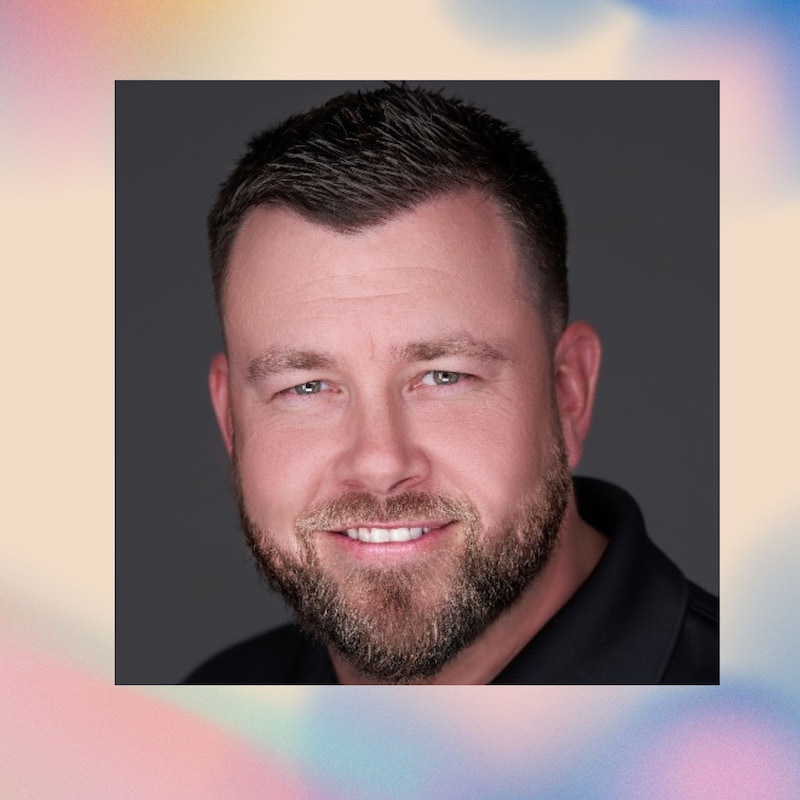
Today's conversation revolves around the profound insights of Joe Smarro, a decorated combat veteran and former police officer, who has dedicated his life to fostering empathy, connection, and effective communication in high-stress environments. With his experiences as a Marine in Operation Enduring Freedom and Operation Iraqi Freedom, Joe shares how these formative years shaped his understanding of leadership and the psychological toll of trauma. We dive deep into his groundbreaking book, "Unarmed: De-Escalating Techniques for Cultivating Courage, Compassion, and Connection," which offers invaluable strategies that extend beyond law enforcement to enrich everyday relationships. Joe highlights the critical importance of seeing the person behind the behavior and advocates a shift in how we approach conflict resolution in our personal and professional lives. Through witty anecdotes and heartfelt reflections, we explore how embracing vulnerability and shared humanity can bridge the divides that often separate us, ultimately leading to a legacy built on love and understanding.
A deep dive into the essence of humanity and the art of connection, this episode features Joe Smarro, a former combat veteran turned police officer and mental health advocate. Joe's journey is a testament to resilience, as he shares how his experiences in Operation Enduring Freedom and Operation Iraqi Freedom shaped his understanding of leadership and empathy. Through candid reflections, Joe discusses the psychological toll of combat and the struggles many veterans face during their transition back to civilian life, bringing to light the often-unspoken challenges of mental health in the military and policing sectors. He emphasizes the importance of building lives we don’t need to escape from, a mantra that resonates at the core of his mission.
As Joe transitions from the battlefield to the community, he highlights his role in the San Antonio Police Department's mental health unit, pioneering techniques that have garnered national attention. His book, “Unarmed: De-Escalating Techniques for Cultivating Courage, Compassion, and Connection,” encapsulates his philosophy of viewing people as individuals with stories, rather than mere statistics or problems to be solved. The conversation flows seamlessly through topics of trauma, the importance of empathy in law enforcement, and practical strategies for de-escalating tense situations. Joe’s insights serve as a beacon for both first responders and civilians alike, illuminating the path toward a more compassionate society.
Listeners will find themselves captivated by Joe’s honest storytelling and the wisdom he shares from his own trials and triumphs. This episode is more than just a recounting of experiences; it’s an invitation to reflect on our own lives and the connections we forge with others. As we navigate through the complexities of human interaction, Joe’s message is clear: the foundation of effective communication lies in understanding, empathy, and love. A must-listen for anyone seeking to bridge the gaps in their own relationships and communities, this episode of Becoming Bridge Builders is a powerful reminder of the strength found in vulnerability and the transformative power of compassion.
Takeaways:
- The podcast emphasizes the importance of building a life that you don't need to escape from, a sentiment echoed by Joe Smarrow, who suggests that this philosophy transforms how we approach daily challenges.
- Joe's military background and experiences in combat have profoundly shaped his perspective on leadership and empathy, highlighting that flexibility in plans is essential, especially in unpredictable situations.
- Smarrow's work in the mental health unit of the police department illustrates how de-escalation techniques can lead to real connections and understanding, significantly reducing the need for force in crisis situations.
- The conversation reveals that true communication is rooted in seeing the person behind the problem, advocating for a human approach that prioritizes empathy over authority in all interactions.
- The significance of the 988 mental health crisis line is underscored as an important resource that many are still unaware of, showcasing a need for greater public awareness about mental health support.
- Joe’s upcoming book, '12 Laws of Maximizing the Human Experience', aims to provide insights and practical tools for individuals seeking to enhance their emotional intelligence and interpersonal relationships, reinforcing the idea that love is at the core of every human interaction.
Links referenced in this episode:
Transcripts
Welcome to Becoming Bridge Builders, the podcast where we explore stories and conversations that connect people, ideas and communities. I am your host, Keith Haney and today we have an incredible guest who has dedicated his life to service, empathy and leadership.
Joe Smarrow is a decorated combat veteran in the United States Marine Corps, having served in both Operation Enduring Freedom and Operation Iraqi Freedom.
Joe Smarro:As.
Rev. Dr. Keith Haney:After his military service, Joe joined the San Antonio Police Department where he became one of the original members of the mental health unit, helping transform it into a nationally recognized program. He has been featured in Emmy award winning documentary Ernie and Joe Crisis cops delivered a TEDx talk titled I see you.
And now he is author of a powerful new book, Unarmed De Escalating Techniques for Cultivating Courage, Compassion and Connection. Joe, welcome to the podcast.
Joe Smarro:Thank you, Dr. Hanney. I appreciate you sharing your audience with me. I'm looking forward to it.
Rev. Dr. Keith Haney:I'm looking forward to. My son also serves in the military. So glad to have you on and thank you for your service.
Joe Smarro:Thank you. And I learned that you are in Fort Dodge, Iowa. Is that true?
Rev. Dr. Keith Haney:Yes, I am.
Joe Smarro:Yeah. So I've been, I go to Fort Dodge quite often actually.
We provide the mental health training at ILEA and but I, I've been in Iowa almost monthly for the last six years working and so it was very fun when I saw like, oh my goodness, I did not know anyone was in Fort Dodge, Iowa. And then to know you were was incredible. So yeah, it's a fun little tidbit.
Rev. Dr. Keith Haney:There which most people, they say I've been Fort Dodge, like, where's that? I don't know anything about Iowa. And give me some, like, I don't even know where to start to tell you where Fort Dodge is usually.
Joe Smarro:So yeah.
Rev. Dr. Keith Haney:So I'm going to ask you my favorite question, Joe, as we start this podcast out. What's the best piece of advice you've ever received?
Joe Smarro:Yeah, so many. But the most recent one, honestly that really has resonated with me is build a life that you don't have to escape from.
And while that is the newer one, because I love quotes and I love wisdom and advice and philosophy and all those things. And so I will say it changes for me quite a bit. But this was the one that most recently came up where I was like, man, that is so powerful.
And I'll admit it's something I'm still actively working through. But build a life that you don't have to escape from. And yeah, I think that's really powerful if people really think it through.
Rev. Dr. Keith Haney:I love that.
And it's, it's so interesting that you, that you think about that because you, your life is, I always tell people you're, you're building a legacy by the life you live. And every decision you make every day is one more bridge or one more brick in that legacy wall that you're building. So.
Joe Smarro:Yeah, yeah, yeah, Beautiful.
Rev. Dr. Keith Haney:So you've served in both Operation Enduring Freedom and Operation Iraqi Freedom. How did those experiences shape your perspective on life and leadership?
Joe Smarro:Yeah, on, on life. It taught me a lot. It taught me that there's a lot more that goes on that we're unaware of.
It taught me about this idea of being being flexible like that. Just because there's a plan and things don't go accordingly, that it doesn't mean that you give up.
And this is as a 18, 19, 20 year old kid over my two deployments, and I will admit, in a wartime, invading a country. I was with the initial push into Iraq back in 03.
And you know that you have training, you know, you have survival tactics and techniques to stay alive. But what I quickly realized was that we do not prepare on the psychological side of this.
know, when I was in, back in:And so now, like, that's a lot of the work that I do through the, through the company, which I'm sure we'll talk about later. But for me it was, I knew something was off.
Like I knew when we were in Iraq and the first time that I was in a firefight and I ended up, you know, shooting a hostile and taking their life. I did not like that. Something in me was like, I don't want to do this. I want to just go home. This isn't fun.
And then the fact that I got celebrated for it really was like a moral injury for me of like, why are they celebrating this? Like, why? And I think, you know, for me I was fortunate, I say fortunate, to maintain perspective.
That was like challenging everything that we see and just accepting it as truth. We're fighting these politicians wars.
There's other things going on that we're not really aware of and we're the ones over here being exposed to all of this. And so for me it was just like, man, I don't like being celebrated for what's happening right now. This is not just about like patriotism in America.
Like, this is, this is pretty heavy stuff that we're doing over here. And you see some people, like, absolutely change in the process, and I for sure was one of them.
You know, you become a little bit more jaded, you become more irritable, a little more angry, less empathy. And it's just the psychological toll that trauma takes on you when you're saturated in those environments for a period of time.
Rev. Dr. Keith Haney:And that's a good transition to my next question for you because I'm wondering, what was the hardest part of your transition back from military service to civilian life?
I heard so many people coming from the military who've been in war zones really struggle with depress and mental problems from the trauma that they suffered. How did you transition?
Joe Smarro:Yeah, not well. And I'm. I'm diagnosed through the VA with post traumatic stress disorder and persistent depressive disorder. And.
But I also have a lot of childhood trauma as well that I brought into the military with me. Unprocessed, and then exposure to combat trauma.
Unprocessed, and then got out and did the worst thing possible, according to my therapist, was, now I'm going to go be a cop, which many people do, by the way.
Rev. Dr. Keith Haney:And.
Joe Smarro:But to answer your question, like, I would, you know, a lot of people will say, because it sounds good and it feels good, but it's like, you know, the hardest part is about, like, not having purpose anymore. Not having purpose for, like, you know, the military was a calling and it was my purpose.
I don't know that that's true for even most of the people that say it. I think what we're really lacking is structure, discipline, team camaraderie.
The one thing that was very clear about the military is it was so different from what I now know is just like the corporate side of America, which is like, we truly, you know, yes, there's always some infighting, but when we talk about family, you know, the. The banter, the love, the, like, I truly got you when. When you need me. That was a real thing.
And I find that so lacking everywhere else outside of the military, sadly, is. It's kind of. Everyone's in it for themselves, making sure we protect ourselves.
And in the military, it was something where we realized that our strength was in our brothers and sisters. We realized that we were always going to be stronger together.
And while a lot of people say that even in policing, they like to say those things, it's just not the same at all.
Rev. Dr. Keith Haney:So you wrote a book, Unarmed De Escalating Techniques to Cultivate Courage, Compassion and Connection. What experiences did your time in the military?
And I was A police officer and principles you learned that you outlined in the book, how did those all kind of incorporate into this book you're writing?
Joe Smarro:Yeah, so so much of it. The.
The entire book really is capturing much of my experiences, both from childhood, again, trauma to, you know, the being a father my senior of high school, which is why I joined the Marine Corps, you know, not really having parental oversight as a kid, and then, you know, becoming a father at 17, joining the military just to take care of my daughter, and then, you know, war happening, being deployed to war, and then getting out, getting into the police department, and it was really like. I remember. And to kind of tie back into our last question as well, of, like, how did I. I didn't do well. Like, my.
For probably eight years after I got out of the Marine Corps, I was struggling. I struggled for about three years with a pornography addiction. I struggled for eight years with, you know, not drinking, like, all the time.
But when I would drink, I would drink in excess, especially just trying to help myself fall asleep. And then I was really, you know, so insecure, had no self worth, truly did not believe I was worthy of love, had so much shame.
And so then I would just use, like, women in relationships to validate my very, you know, insecure self. And so then had multiple divorces. I had three divorces by the time I was 30 years old. And it just. It.
It finally hit me that, like, the common denominator and all this is me. And I know it's cliche and everyone talks about this, but, like, truly, this is why the mantra of which I live my life now is everything is my fault.
And I truly live my life that way is everything is my fault. Not that I deserve to be victimized, but, like, how I get up every day, what I do.
Just like you said, what Brick I decide to lay today is based on a series of choices, behaviors, and all of those have consequence. And so, for me, it was like taking full ownership and not projecting any power to anyone else that nobody gets to make me feel or do anything.
It really is about complete, complete ownership now, as far as the police department goes, like, I learned when I went to the mental health unit, which really saved my life. And then I started getting help. After about two years of being on the mental health unit, I was a hypocrite for a while.
And then when I finally decided to go to the VA and start getting help, that's when I was like, oh, wow. What I quickly learned, Dr. Haney, was that is the more I was willing to show up and help myself.
The more I could see myself and other people suffering, the more I could find that we had common.
Now, it wasn't about just trauma bonding, but it was truly about, like humanizing that interaction to letting them know I'm not just a person in authority. Like, I'm also a human being going through some real stuff, going through some real emotions.
And I can meet you where you are on a human level, regardless of this profession that I hold. And to me that like, really became a superpower.
And I was very proud that of my 11 years on the mental health unit and over 8,460 contacts, not one use of force incident.
And it was just my obsession of human behavior, my obsession of seeing, you know, focusing on the person, not the problem, looking at how, how can we connect before we correct behavior. And all of those like models.
The way I break down what, what I call ccrtc, which is our de escalation protocol, and that's curiosity leads to connection, develops rapport, establishes trust and gains compliance, which ultimately is behavior change. And so all of that is fleshed out in the book. How did I go that many calls?
And this is people with serious mental illness, barricaded subjects, guns, knives, jumpers, you name it. And not one use of force.
And it was my obsession of seeing the person looking like beneath the surface of the behavior and truly trying to find the thing that was driving that behavior, which is a deeply rooted emotion, fear, insecurity, something. And if I can get them there, then I know that I'm going to be able to help them out. And I was really successful at it.
And so the book was just an extension of that so that I could help other people, not just first responders, like so many non first responders have read it and gotten value out of it because of the communication techniques in there as well.
Rev. Dr. Keith Haney:That is a hot button issue right now in terms of society, policing and police reform. And there are people on all sides of the spectrum going, we just need more cops and we need more of this. We less cops and we need more of this.
And as someone who works in that field and you've talked about being able to de escalate, that's another term I hear a lot. How do you go into a situation de escalated?
What is the public missing in this conversation about policing and about crisis that I think we just don't get the bigger picture?
Joe Smarro:Yeah, it's such a powerful question that you ask and what I think they're missing. And this is rooted in my own experience as well of having a conversation with a woman.
It was actually after TEDx talk, so people who bought VIP passes got to come to like an after party thing and meet the 10 speakers that gave a talk that day.
And this woman came up to me and she was in her probably mid-50s, but she comes up to me, she shakes my hand, she grabs it, she kisses it, she says, I love you, I love you, I love you, but I hate you. And I was like, oh, tell me more. And she goes, you know, Joe, up until listening to you speak right now, I didn't realize that cops were also people.
Now, I'll be honest, my own bias in that moment was like, what kind of wildly ignorant statement is that? But she went on to explain it, and then I realized, like, the power of understanding our frame of reference.
Like, where do we approach the world from? We only, like, we don't see the world as it is, we see it as we are. Right? And we've heard this.
So to me, it was like, oh, this is really interesting and more work needs to be done. Now it's easy to sit back and be like, oh, there's just ignorant people that hate the police for no reason.
Or we could be willing to have conversations and say, help me understand how you got to this place where you don't like the police, you don't support the police, or you hate the police. Help me understand how you didn't know that police were people. And. And I've had this experience several times through the documentary as well.
This, he's known as the St. Louis Superman. His name is Bruce Franks, African American gentleman advocate in St. Louis inner city. You know, just rough background.
And we were doing a mutual film screening because he had a documentary out as well. And he goes, our filmmaker, his gave me your film to watch, getting ready for this.
And I was like, man, I'm not watching this film on these two white cops. Like, why am I going to watch this film? And he goes. So I kind of just like scrubbed through halfway.
And then I heard Joe say, yeah, you know, I was dealing with this and having to pay child support. And he was like, what? This white cop is paying child support?
And he goes, it was that one thing I heard that made me think, like, wait a minute, like, maybe we have something in common here.
Now, again, people might have judgments about that even, but still, like, he was looking for something that he could align with me on to realize that there could be some trust. And I thought it was a powerful, powerful thing for me. So I've had these experiences.
The one thing that I really to narrow down to answer this question is what is the public missing?
Is not just that, like, obviously cops are people, but it's the position that they're in, yes, voluntarily, by their choice and by their training and all of this stuff they choose to do this profession. But also, let's not forget who calls the police, right? The police are. Now, yes, there's some proactive policing still happening in America.
It's way less now because of all the, the, the rhetoric and the, the fear and all that. So there's a lot less proactive policing happening nowadays. But police show up when they're called.
And one of the things that was super frustrating to me as an officer is when, especially on the mental health side, right?
And this is all, all sides of this, but especially on the mental health side, you would have a person in the community, maybe they're unhoused, maybe they're on drugs, they're high, they're floridly psychotic, and they're doing something in the public's purview that is creating some type of disturbance. So then the public calls the police because see something, say something. They're trained to do this. Then the police show up.
Now, if they don't have training, why would you expect them to be any different or better than you are? And what was always interesting to me is when a police officer would attempt to handle a situation.
Now, most cops are under trained when it comes to dealing with serious mental illness. They do not get the adequate level of training.
And so they're going to do the old policing method of like, I'm going to ask you to do something, I'm going to tell you to do something, and then I'm going to make you do it if you don't do it right, Because I ain't got all day to be out here. And so they will rapidly escalate situations oftentimes. But then the public who called the police are the ones complaining about how they handled it.
And so my argument was always like, well, if, if you don't like the way it was handled, then why didn't you handle it? Like, why did you call the police at all?
Like, if you got this under control, if you have an idea of how it should have been done, then why didn't you do it? And now I get that. That's my frame of reference, then the public's probably like, well, I don't want to get hurt, I don't want.
Well, neither do we, right? And so I think it's important to again without like fiery arrows and judgment, truly try to have these conversations.
And I was fortunate after the documentary to be invited out to Capitol Hill with all of the talk about police reform because I agree there needs to be police reform, but not from like, well, a lot of like the, some of the advocates in opposition of police are saying like just abolish police, get rid of police. All, all of that. Like that's not reality. But I do think we need to raise the hiring standards, not lower.
I do think we need to drastically increase the training in the academies, not just make it about tactics and shooting and moving and all of the high speed stuff of policing. It needs to be more on the human aspect of it.
We need to be learning more about psychology, behavioral sciences, mental health because that's a large percentage of the calls we respond to. So there's, there's layers to this on both sides. And then people need to know about other resources. Right. Like 988.
You know, if you have a mental health crisis, don't call the police, call 988 now. Are the police still going to show up? Probably because the system isn't ready yet. So there's a lot of layers to this.
But it's such a profound question that to me it just comes down to, it's like everything else in the world.
Like when we start thinking about right and left or up and down, the only way we're ever going to move is if we get closer to center and if that slight right, slight left slide up, slight down, doesn't matter. But the closer we are to center, the more willing we are to work together and move together.
The more polarized we are, the less likely we're going to be able to listen and actually, you know, accept what the other person is saying. And that's from one on ones to large scales to governments, to countries, to nations. And it's unfortunate, but I, I agree with you.
It seems like we are less and less willing to have open dialogue without it becoming emotionally enraged and, and then sadly turning violent and into a completely disorganized chaos.
Rev. Dr. Keith Haney:Love it. So you mentioned 988. I had never heard of that before. Tell us more about that.
Joe Smarro:Yeah, so nine eight, eight. And I'm glad you brought that up because that's exactly the point. Right. 988 has been out for over a year now. Two years.
And this is the Behavioral Health 911. So if you're struggling with suicidal thoughts, call 988. If you have a mental health crisis in your family. Call 988.
Don't call 911 because this was a, this was a 24, 7 crisis line that was created for the alternative to a police response. Now the problem is one, a lot of people still don't know about it. So who are they calling? They're calling 911 2.
If the 988 call centers aren't fully staffed, some of these calls are going unanswered.
So now you have people learning, hey, there's an alternative to 91 1, which I know people are going to answer 91 1, but then I call 988 and I'm getting rerouted or I'm on hold or you know, someone's answering my call. But then, you know, they're, they're telling me, because these are usually regionalized call centers.
Like I'll tell you, San Antonio's 988 is actually out by Houston, but it's, it's for San Antonio.
So like the way they have it geomapped is unique but because they've used existing infrastructure to not have to have a huge build out and all this money.
But yeah, I mean it's, it's a great resource, especially there in Iowa, I'll tell you, because of Iowa's, you know, they've just got north of 4 million people as a state.
Like 97% of 988 calls in Iowa get answered, which is really, really good compared to Texas, which like last year the, the head of Health and Human Services said they were answering like 68% of the 988 calls.
Which to me, if I'm suicidal or have a family member, a loved one suicidal or a mental health crisis happening and I call and the phone doesn't answer, that's a, that's a frustrating point of friction that might turn me off. So there's still a lot of work to do with it, but it is national. Any state throughout the US can call 988 and get help for mental health.
Rev. Dr. Keith Haney:So tell me why is it that in the midst of all this police reform talk and all the midst of we need more mental health experts. I don't hear publicly people talking about 988 as a resource.
It just seems like we jump right to our corners and our fight about more or less policing or what's wrong with police and never we actually have solutions in place. Here is a platform, here's a format for you to go check out so that you don't have to keep complaining about the things you always complain about.
Joe Smarro: text the word help or home to:And it's a, it's a, it's going to be responded not by a chatbot, not by AI, but it's a human being responding via text in real time to help you through whatever situation you're going through. So it's a great point you bring up is if we know that there are solutions being created, why are they not more publicly shared?
Yeah, I wish I knew that. It's honestly why.
The fun part about owning the company that I own right now is that we get to go to these places all over the US and then we share these things. And much like yourself, Dr. Hanney, people are like, oh, I never heard of this. And I'm like, oh don't worry, we bring all the good news to you.
But truly everyone should know about this, right? Like there should be commercials, there should be radio, there should be advertisements on social media.
It would be very easy to get the word out if they really wanted to get the word out. I think part of the problem with something like this is they know it's not fully staffed and operational yet.
So if they told all 300 plus million people about this, they would be massively inundated and they don't have the infrastructure or staffing in place yet to deal with it.
So it's been more of like a, let's kind of operate in our silos and we'll, we'll talk about it in our small circles, but we don't want to tell everybody all at once yet.
And, and I said when this first came out, I remember a couple years ago when, when all of this was being talked about and I was like, oh yeah, this is going to be a 10 year play because of just of what it takes to actually train a society. You know, think about like with 91 1, think about with 911 the whole see something, say something.
You see in elevators, you see it airports, see something, say something. Well to see something say Something is call 911 for every problem, right? Your kid's not listening to you. Call the police.
The neighbor's dogs barking, call the police. So every societal issue has fallen on call 911.
And again then you've got these just grossly under trained police officers showing up doing the best they can with what they have based on what they know. And the old saying goes, if the only tool you have is a hammer, everything looks like a nail.
And that's the sad reality throughout society is when we train our cops just how to survive and everything is a life and death. And we teach them how to fight and we teach them how to handcuff, we teach them all that.
But then you bring them to a call where it's just like a verbal disturbance between a couple. I don't know, like what am I supposed to do with this? Especially if I'm 19 years old in the state of Iowa. 18 years old, right.
I was just at prom six weeks ago and now I'm dealing with a 47 year old couple's marital disturbance. So there's a lot of problems across this and, and getting the resources out is a huge one.
-: Rev. Dr. Keith Haney:Let's jump back into your TED Talk. I see you and the documentary Ernie and Joe Crisis Cops is touched so many lives.
I know in writing a book and being an author, when you share your personal story, it's a little, little hard to do. What was it like being so transparent and sharing so much of your personal story on a platform like that?
Joe Smarro:Yeah, it's, I gotta tell you, Dr. Haney, you have some great questions. Truly, it's a, it's a gift that you have doing this. It's so often I, I just.
One of the highlights of my speaking career has been I gave a keynote to NYPD two weeks ago and it had been on my bucket list for six, seven years. In fact, since, since I gave my TEDx talk and started doing speaking. I was like, if I could just get NYPD because it's the largest department.
I'm from New York originally, so I was like I really want to get nypd. And it just happened.
But one of the things that often happens is because I am so transparent because I talk about like my childhood, you know, abuse, sexual abuse, physical abuse, leaving home around 15, get my girlfriend pregnant, joining the military. You know, all of the, all the experiences that I've had that really hurt me.
You know, my pornography addiction, using women as a drug to escape myself, all of that I've had people come up and they'll say something like Joe, why did you just stand in front of a room of strangers and share your story? And my response is always, because I imagine somebody needed to hear it. I know my story is not unique, especially in the public safety world.
Like people self select into that profession because 50% of the time they come from pretty broken backgrounds. It's why we get into the field of service.
It's why, like, if you haven't seen this documentary on Netflix, highly recommend, it's called In Waves in War. But there's a powerful line in there. And this guy says, would we even have a military if we didn't have child abuse?
And it's such a profound thing to think about because so many people in life are running from something or running towards something. I would not have joined the military if I didn't get my girlfriend pregnant in high school.
No world right now, people on the officer side that go in the college first and then they go to officer candidate school, that's a little different. But are enlisted. Think about the backgrounds they come from.
Oftentimes that like there are judges who say you can either go to jail or you can join the military. Right? A lot of people are going to join the military. So I was given a talk, it was actually there in Iowa.
And this guy had been an Officer for over 20 years and he came and did this, but his, his demeanor was real flat and I couldn't read it. And I was like, oh no, I think I upset him. But he goes, why did you just stand up there and tell us your story like that?
And I said, like, I imagine someone needed to hear. And he just walked off. And so I tell Jesse, my, my business partner, I was like, hey, man, I think I just made this guy mad.
I don't know what happened. And he was like, well, oh well, like it is what it is. So then he comes back and he's sitting in the class, doesn't say anything, doesn't do anything.
The day ends that night. It was, I don't know, seven o'.
Rev. Dr. Keith Haney:Clock.
Joe Smarro:We get a. Jesse and I both get a.
A message in Facebook messenger and this man says to us, he goes, joe, I just want you to know I've been in, I don't know, I've been in the job 26 years, 27 years. I've been married 20 years. And I'm sitting at the table right now with my wife crying, telling her my story for the first time.
Because if you can stand in front of a room of strangers and tell your story, then what's my excuse for not telling the person I love the most. And I just said, wow, man. I guess you were the one that needed to hear it.
And so with my second book, which is coming out next week, actually called the 12 Laws of Maximizing the Human Experience, I talk about how it seems especially for men. Especially for men. Your. Your alpha type men, military policing, firefighters, et cetera, even CEOs, executives, like business leaders. This.
Rev. Dr. Keith Haney:They.
Joe Smarro:They feel like they have so much to carry, so much to do, so much to like. It's all performative.
And what I've realized is like, one of my gifts in being transparent through my TEDx, through the documentary, through sharing my story, is that it feels like I'm this living permission slip, this, like, real demonstration that we can share our stories and it doesn't make us weaker, that we don't have to hide from the fact that we're not doing okay because that doesn't make us weaker. That it's okay to speak up and ask for help. Even as men.
Even as men that were hard chargers and did all the things and all the stuff like it still is okay for us to be human beings and experience the fullness of what it means to be a human, which is pursuing our emotions and understanding them. And to me, that's. That's what the next book is about.
And it's really about helping high performers and leaders get out of their own way and create a new operating system. So that. And I just broke it down in 12 laws so that they can, you know, maximize their existence while they're here.
Rev. Dr. Keith Haney:Wow, that's powerful. So tell us about your new book that you have coming out.
Joe Smarro:Yeah, 12 laws of maximizing the Human Experience. It actually comes out on the 19th, so actually just in a couple of days it'll be on Kindle, paperback, hardcover, on Amazon.
I don't have a website for this one yet, But I my josmarrow.com website, I'll add a link to it there, but it'll be on Amazon. And if you're on Amazon and you just put my name in, unarmed pops up. But if you just go follow the author, the books will pop up there.
You get notified of when it releases. And again, the goal for me was I want to continue.
So my company, Solution Point plus, we operate really heavily in public safety, public transit, fire, police, ems, corrections, dispatch. And I love doing it. It really is rewarding for me, like on a deep soul level. And I really want to help.
left the police department in:I've invested a lot of money in my own development and learning and coaching to learn how to operate a business. But I also always tie it back to the mindset side.
And so I'm fortunate to go to Texas A and M twice a year and speak at the business school there to the new entrepreneurs that are launching their ventures and talk about the mindset of business ownership or being a CEO or an executive. And so for me it was like, I want to take these ideas, these skills, these lessons and put it into another book.
It's just the easiest way to reach the masses the fastest.
Not to make that rhyme, but yeah, how do I reach the masses the fastest is just by, you know, taking what I can out of my mind, putting it into paper, having someone professionally edit it so that it like reads right and the grammar is there and then publish it. And you know, I've loved what UNARM has done for people and what it's meant to them and how it's helped them out.
And my goal is that this second book will do the same.
Rev. Dr. Keith Haney:When you talk about unarm, I'm curious because there's a lot of good techniques in your book. Take that out of the context of law enforcement. How does that impact everyday life? I mean, let's face it, we live in a relationship driven society.
How do we learn to UNARM and de escalate even our relationships?
Joe Smarro:Yeah, another great one.
So I tell people that your relationships are the greatest mirror into your true self because your relationships are really going to reveal what's happening inside of you. That's your intimate relationships. Friends, whoever, like who you surround yourself with.
And I tell people that you know, your, your world, your existence is a 3D printing of your mind.
So if you're in a relationship that you don't like or it's not serving you, you created that because there's something in that relationship that is feeding and insecurity in you. And again, I was the master of this. I loved I call it in policing. I I our first responders really.
But I tell them that they said so many of you have broken partner pickers and the reason you have broken partner pickers is because you attract the person that's going to continue to like, keep that wound open and because healing and being healthy is scary. But one of the best feedbacks that I got was actually from a local guy here in San Antonio and he owns multiple like car mechanic shops.
You Know, just doing all kinds of maintenance on vehicles, oil changes, things like that. And so he said he bought the book because, you know, he belongs to the local chamber here. And so he bought the Kindle.
And he goes, he's an outdoors guy and he hikes a lot.
And he said he was, he was somewhere in the mountains, didn't have any service, but he had downloaded my book and he assumed unarmed was only going to be for police. And he goes, but I read it and he goes, joe, I couldn't stop.
And he goes, I got to tell you, like, as a business owner, I own multiple businesses, like a bunch of employees.
He goes, this was the best book that I've ever read on communication to the point that I ordered some more copies and I'm making my, my mechanics read the book because they're customer facing now. I took the concepts from, because I'm a crisis hostage, negotiator, trained individual.
And so I took those concepts and broke them down of how we use them in policing, but also just how you can use them in relationships. But not only the negotiation tactics, but the tactics that I got through therapy, marital therapy, individual therapy, right.
I've done marital therapy for years.
And so learning, you know, how to effectively communicate in our intimate relationships with boundaries so that we're not just finger pointing and you blaming and you know, it's more about like, hey, I feel, you know, upset when this thing happens because of this reason why Very different than. Well, yeah, but what about when you. And then we're just like again, firing arrows back and forth and it's about who can win.
And as the best thing I ever heard, back to the best advice, the best relationship advice that I've ever received was from my therapist. And he said, Joe, do you want to be right or do you want to be in love? Because you can't have both.
And to me I was like, wow, that was really, really powerful for me because I realized that in arguments, oftentimes when we don't truly respect the other person, we're just trying to win. And it's about who can, who can say the last word, the meanest thing, the worst thing, just to shut the other person down and win.
But when you win, they lose. And when you win and they lose, there's no love there.
And so it's about how can we create neutrality so that it's not about just winning to prove a point, but it's about listening to try to understand what it is the other person's saying to get to like a Level playing field. And I just wish more people understood the power of neutrality. Not being high, not being low, but just neutral. Right.
Unbiased as much as possible, suspend judgment as much as possible, be curious, stay teachable, listen with empathy. And that's what I hopefully have done a good job of broken down in that book.
But again, I've gotten feedback from people, teachers, parents, just non police, non first responders that are like, this was a really, really powerful read on just how to better communicate, especially in my relationships. And so you're right, it's everything we do is relationship driven. And so why not be better at it?
Rev. Dr. Keith Haney:I love it. So I'm going to ask you my second favorite question. What do you want your legacy to be?
Joe Smarro:Just love. That's it.
entrepreneur, we made the inc: ? I just want Joseph Smarrow,:Like the one thing that I think is, you know, the western culture, United States, we've, it's where we're, we're really weird about this idea of, of love. Like we understand agape, biblical, like God love.
But then anything short of that, we think love is like meant to be this relationship holy thing that it's reserved for intimacy. But it's like, no, truly. And I don't say this tongue in cheek, like I don't know you and I love you like I just met you, Dr. Hay, and I love you. Why?
Because I see the human being that you are. I looked at your background a little bit, I looked at your location, I looked at what you're doing, the fact that you have a podcast.
This is not like I have a podcast as well. I've not made one cent on having a podcast. Right? We're not Joe Rogan, so we're not getting paid for this, right?
So we, we continue to show up and put ourselves out into the world so that we can hopefully help somebody in some moment that just seems to be down for that day, that, that minute, whatever. And you wouldn't be doing this if you didn't love people. It's the same for me. Like, I write books because I love people.
I do a podcast because I love people. I give keynotes because I love people. And to me, it's just an extension of remind, because.
And the reason I say this, it's deeply personal, is that was the hardest, hardest thing. And it's something I still work through to this day.
But it was the hardest thing for me to accept in my own life was that I was worthy and deserving of love. And now that I've gotten the closer and I've ever been to it and truly believe it now it's like, I know I'm not alone in my own suffering.
That, like, especially kids that get traumatized from the people that are supposed to love and take care of them, we grow up believing that we're just not worth it, that we're not worthy. Like, surely if I was worthy of love, my mom or dad would have taken care of me better, but because they didn't, I must be worthless.
And then our life is going to be a. It's just going to unfold a series and pattern of behaviors that are going to reinforce through consequence that we don't deserve good things.
And if we could just, especially the younger generation, especially kids. Like, if we could just. Just accept the fact that, like, no, no, no.
Regardless of what your mom or dad are caretakers are doing to you or around you or saying to you, you are lovable and you deserve to be loved. Now, again, every behavior has a consequence. Positive, negative, or neutral. But even within policing, you know, I look at. I run somebody.
Our largest contract is the Federal Bureau of Prisons, right? So all federal prisons fall under us. We teach the correctional workers there how to de. Escalate the inmates.
And I tell them, nowhere in your job description does it say, you are here to punish the inmates. If you cannot separate the charge from who this person is, then don't go look at their charge.
Because, yeah, they maybe have done some horrible things, but guess what? So have you. And the only reason many of you get to be here is because you didn't get caught. And they're all like, oh, Dan.
I'm like, yeah, you know it's true. You know it's true. It's the same in policing. It's the same everywhere. Like, we forget that. Like, oh, no, we have a past as well.
And it's not about comparing. And, and you know, like, well, at least I didn't do this and that. Like, no, no, no, no. But they made a choice. There's a consequence.
They got indicted, they got arrested. They're serving their time. That's. That's the punishment. Now they deserve love.
Because to me, everything in Life is either an act of love or a call for love. Everything, it comes down to one of those two things.
You're either doing it as an act of love, as you are with this podcast, as I am being on this podcast. This is an act of love. But if we do something, quote unquote negative or bad, it's a call for love. Something's missing and I'm calling for help.
But we don't see it that way. We, we like to just discard people, throw them away because they've made a poor choice one time or even 10 times.
And we think that, like, oh, they just deserve terrible, terrible lives. I just don't agree with that. And I think my legacy is purely and only love.
Rev. Dr. Keith Haney:I love it. So on season six, we have a new thing now, and that's the surprise question. Pick a number between one and ten for your surprise question.
Joe Smarro:Oh, let's go number six.
Rev. Dr. Keith Haney:Would you rather have unlimited sushi for life or unlimited tacos for life?
Joe Smarro:Tacos all day. We are in Texas all day. Yeah, cannot do without. Especially now that I'm in Texas.
When I was in New York, I wasn't even exposed to sushi when I was in New York, but we didn't have the means for that. But, but yeah, that's a no brainer. I like sushi, but I'm very, very picky on my sushi. It's got to be tempura, it's got to be cooked.
It's got, I don't like raw stuff. I don't want squishy fluid on it. So it's probably not even sushi at that point. Tacos all day long.
Rev. Dr. Keith Haney:Well, Joe, thanks so much for sharing your story. Thanks for being courageous enough to be, be transparent and vulnerable because like you said, so many people need to hear your story.
So thank you for coming on.
Joe Smarro:Thank you.
Rev. Dr. Keith Haney:So Joe, thank you for sharing your insights and for writing your book. And if Everybody be aware, 12 laws of maximizing human experience. Slow and Low is due out on December 19th according to Amazon.
So pick up a copy of that. And also Unharmed is also available and sold on you on new Amazon as well. We'll include the links for that on the show. Notes.
Thank you for tuning in to becoming bridge builders. If you enjoy this episode, please subscribe, share and leave us a review. Until next time. Keep building bridges that keep bringing people together.
Thanks again, Joe.
Joe Smarro:Thank you.






