Shownotes
For many families navigating an autism diagnosis, the journey can feel overwhelmed by uncertainty, static narratives, and conflicting information. But what if actionable science and deep compassion could light a clearer path forward?
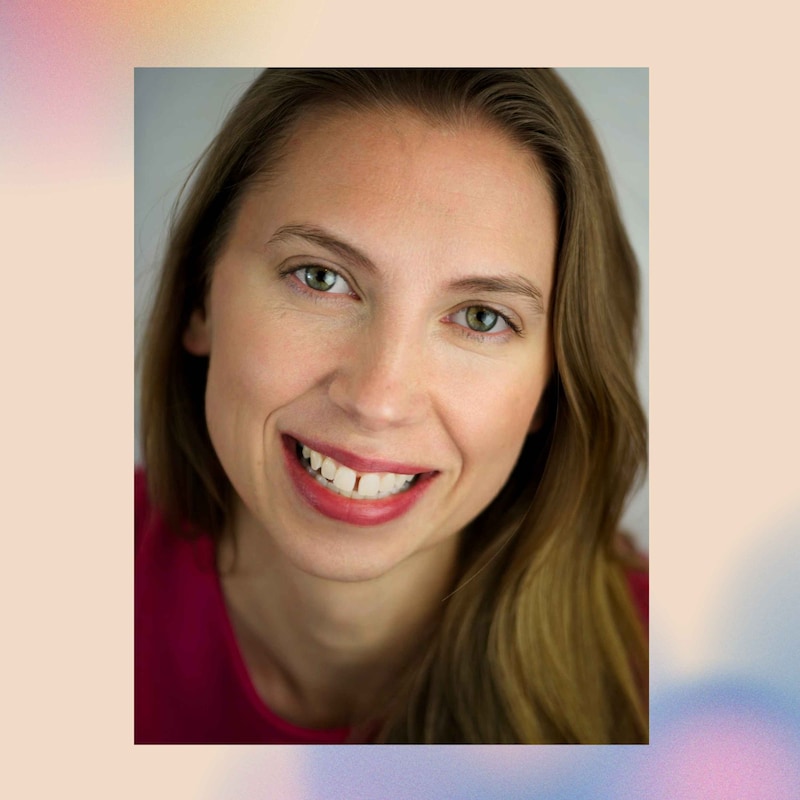
In this profound episode of Becoming Bridge Builders, we are joined by Dr. Theresa Lyons, an Ivy League scientist (Yale PhD), international educator, and founder of Navigating Autism. Combining rigorous research with personal experience as a parent, Dr. Lyons dispels common myths surrounding autism, reframing it from a fixed limitation to a dynamic journey where meaningful progress and optimal outcomes are possible.
Tune in to discover how bridging cutting-edge scientific insight with daily practical care can empower parents to make confident, informed decisions and cultivate long-term resilience for their families.
Links referenced in this episode:
Transcripts
Welcome to Becoming Bridge Builders. The space where we connect people, perspectives and purpose to build understanding and lasting change. I am your host, Reverend Dr. Keith Haney.
Our guest today, Dr. Teresa Lyons is an international autism educator, Ivy League scientist, and autism parent.
She is the founder and CEO of Navigating Autism, a groundbreaking platform that transformed complex autism science into clear, actionable steps for families.
With a PhD from Yale and experience supporting parents in more than 21 countries, Dr. Lyons brings together rigorous research and real world wisdom to give families something they've long for long been missing. Clarity, confidence, and a roadmap for progress. Dr. Lyons, welcome to the podcast.
Dr. Theresa Lyons:Thank you for having me. I'm excited to be here.
Rev. Dr. Keith Haney:So glad to have you on. This is an important topic. I know a lot of people are curious about the topic.
Some of them are dealing with some of the issues with autism and their own family.
So I think we'll be able to give people some depth and research that they can use and actionable steps to make their progress in their lives more clear and more give them some direction, I hope.
Dr. Theresa Lyons:Yes, definitely.
Rev. Dr. Keith Haney:I'm going to ask you my favorite question. Kind of warm us up, though. What's the best piece of advice you've ever received?
Dr. Theresa Lyons:The best piece of advice I've ever received. Sometimes it's just go to sleep and start again tomorrow.
Rev. Dr. Keith Haney:That's probably a good day.
Dr. Theresa Lyons:I mean, we were talking about autism and I'm thinking of like in the beginning of the journey and everything. And there were some days where that was like, my main goal. Just get through that one day.
And when I was growing up, my mom, a lot of times when I would get, like, stressed and worried about his school, she'd be like, just go to sleep and it'll be all okay. So it's another day. So sometimes when you're having those really terrible days, that would be the best advice.
Rev. Dr. Keith Haney:So it's almost like the Annie advice. The son will come up tomorrow.
Dr. Theresa Lyons:Kind of. Very true. I like that song, too.
Rev. Dr. Keith Haney:There you go. See, you can sing that at night, too. The song will come up tomorrow.
Dr. Theresa Lyons:Yep.
Rev. Dr. Keith Haney:So let's get into your personal journey. I think it'd be helpful for audience. So you are both a scientist and a parent.
Can you share how your personal journey with autism reshaped your professional path?
Dr. Theresa Lyons:Oh, goodness. It changed everything in my life. So professional and personal and everything. So my daughter was diagnosed with autism when she was three and a half.
And I was. I have my PhD in computational chemistry from Yale.
I worked first in the pharmaceutical industry as a researcher and then I transitioned over to the business side and I was a medical strategist. So in. In that role, I really understood the whole healthcare industry. So how does the pharmaceutical company actually make revenue?
And in order for them to make revenue, you've got to understand all the different steps there is in the health care system from R and D. So discovering the drug and having clinical trials, testing it out, and then once you have FDA approval, then how do you get physicians to actually prescribe that drug and everything that gets involved in that. So that's what I was doing professionally.
And then when my daughter started, you know, having those red flags and her pediatrician, you know, first said, okay, I'm having some concerns, and everything kind of unfolded from there.
I was able to apply all of those skills that I had from working in the pharmaceutical industry, both as a researcher and as a strategist, to just applying it towards my daughter. And that's. That changed everything about her, her outcome, and it changed everything about my life and what I'm doing.
So I would say just about everything is different, but in now I can say in a good way.
Rev. Dr. Keith Haney:So for people who maybe get that diagnosis with their child, what are some things that, as you look back, you wish you had known going into it that you did not know?
Dr. Theresa Lyons:Oh, there's so much, so much. Well, first thing, it's important for parents to ask their questions to the appropriate people.
So, yes, like our pediatrician, you know, had some red flags and some concerns for my daughter, but he's not the one who made the diagnosis.
So you can have different people give you these red flags and concerns, but you really have to get in front of knowledgeable doctors to make the diagnosis. And so a general pediatrician is not allowed to make an autism diagnosis.
And that's really important to understand because a lot of times parents go to their pediatrician with questions relating to autism and they might feel shut down or ignored or told, oh, you know, they'll grow out of it, that kind of thing. But whenever you have health questions, you really want to make sure you are sitting in front of an expert.
So those who can make an autism diagnosis is like a developmental pediatrician, a pediatric neurologist, different specialized child psychiatrists. Those are the people who can make an autism diagnosis. So when you have autism related questions, that's really where you want to be.
So that can sometimes take a year to get on the wait lists and to make the appointment and all of that.
So I would definitely encourage parents to, once there's like an initial red Flag to just get on top of it and get on those wait lists because you really want to work with someone who's knowledgeable. And then there's. I mean, there's so much relating to health. It's. It's hard for me now to even remember what I didn't remember and know back then.
So, you know, things like, I could say something so simple like vitamin D. I get my vitamin D check now twice a year. I'm pretty on top of my health now. And now before this is like 13 years ago, I would have told you the same thing. No, I'm pretty on top of my health.
But I. I wasn't in the sense of, you know, optimal health care and really having strong health. I just wasn't unhealthy. But I wasn't like, I didn't have optimal health. So, you know, I, I did not. Even though I was working in healthcare, the.
The amount of knowledge I have now from understand truly health is. Is vastly different. So, I mean, there, there's so much that goes into that.
And I guess the other thing is also to have a little grace with yourself, a little compassion. Back then, I used to be really, really hard on myself. That, that negative voice used to be super loud and so negative. And I'm.
I'm still working on it. It's. It's practice. It is not perfect yet. There are days where I'll still hear thoughts from myself, and I'm like, oh, that's really harsh.
Why are you saying that to yourself? But you got to catch it. Otherwise you say it to yourself and you don't even know you're being harsh to yourself.
So there's so much about my internal dialogue that I've improved now that I was not even aware of back then.
Rev. Dr. Keith Haney:I'm curious, you know, parents who get this diagnosis, there are a lot of misconceptions that they're under. What are some of the common ones you've experienced as you work with parents who deal with autism?
Dr. Theresa Lyons:All right, the first one, without a doubt, the misconception is that autism is lifelong and it is not.
And once I looked at that research and understood it and really digested it and talked to the scientists who published the research, that is really what changed my involvement and just. That's really what changed the trajectory of my daughter's life and then also my career, right. So I stopped working and was like, oh, is.
Is this really a possibility?
And so back when my daughter was diagnosed, the science showed that about 10% of kids who were diagnosed with Autism, a few years later had lost their diagnosis and they called it an optimal outcome. Now, 13 years later or so the research shows. The latest research shows that 37% of kids with autism lose their diagnosis.
So when you have that understanding that autism does not have to get worse, we're typically told autism gets worse, usually not better. There's not that, there's not much you can do, and really the only thing you can do is behavioral.
So really just focus on their behavior because that's like the root of the problem and it's not all three of those are false. So autism is not lifelong for everybody. Things certainly can improve without a doubt.
And behavioral, a lot of times behavioral is someone's way of communicating when speaking is either non existent or very difficult. So behavior isn't necessarily. Something to always just be corrected. It's really something to be understood.
Rev. Dr. Keith Haney:That's good. So tell us about what led you to create Navigating Autism.
Dr. Theresa Lyons:Well, just that, the fact that the science. Right.
So I mean, when I, I was going to great doctors and every time someone would talk to me about autism, they talked to me as if my daughter was, was essentially dying. Like I should be grieving her and, and giving me tremendous amounts of pity. And I could see the pity in their eye.
And it's not, it's not true, it's not accurate. So if I just accepted what the mainstream information was out there, I really wouldn't have done all of the things that I have done.
But once I knew the science, the real information, once I had that quality information where it was like, whoa, 10%, 10% of kids don't keep their autism diagnosis, they go, they lose it, meaning they go on to life. They don't need speech therapists and they don't need an occupational therapist. And they could go to school, they could play sports.
They, they can create the life that they want to. That is a possibility.
That's what drove me to create Navigating Autism so that other parents had that understanding and they had that information to make their decision. So I don't tell people what to do with the science. Right. I don't tell parents, oh, you have to do XYZ and you can't eat this or you can't eat that.
I'll explain the science and then parents can decide, is that relevant to my child? Is that something that we as a family want to do and to make sure parents have the information so they can make those decisions about their family?
Rev. Dr. Keith Haney:I love the fact that you emphasize actionable science because when you're dealing with something like this. Oftentimes parents like, I just feel hopeless. What am I supposed to do?
But tell me the difference between having more information versus a clear roadmap, and why do you make that distinction?
Dr. Theresa Lyons:Well, science provides the roadmap, right? So like I mentioned vitamin D before, there's so many basic aspects to health that for people with autism, are not optimal.
And when you focus on that, you see a real change in their ability to do what they want in life, right? That's. That's the whole goal. Are. Are you able to sit in school and study as long as you want? Are you able to sleep if you want? All.
All of these things are important, and they' grounded in health. So helping parents understand different basic aspects to health is really important.
And then also teaching parents about functional medicine, which is a little different in the sense that functional medicine tries to understand what's the root cause.
So that's when you do something like a urine test to get information about gut health and thinking about gut infections and how that actually drives behavior and things like that. This when.
When you get a lab test that actually shows there's something that can be optimized, it's a game changer for parents, because this whole autism, it's like nebulous, right? The. The diagnosis is made on observation. That's why you want to go to very specialized doctors, right?
Because you want to get in front of someone who sees this all day long. They know it or they don't, because that's how autism is diagnosed, observation. So it removes.
A lot of times, parents even thinking about, okay, let me do a lab test to understand health. Because we're told, well, it's just autism, that it just is what it is, and nobody knows what it is, but it is what it is, right?
And that's where it gets really frustrating. So there is science, there are different aspects of health that parents need to focus on.
And I've always found that, that when you pair science with hope, you get a better outcome, because then you know where to channel that hope. And when you're focused, then it's not blind hope, right? So you. You actually see changes, right? Which then feeds you back in.
Oh, I'm doing a good job. I know. I know what I should be focusing on. I've got a good support team around me, right? And then life just starts to. To change.
So that's how you pair science with hope and definitely get a better outcome.
Rev. Dr. Keith Haney:I like that. You know, there are so many people who try to figure out what is the basis of where does autism come from?
And there's a lot of theories about it from someone who's in that arena and has the science. Do we have any clear ideas of what causes autism or what some of the major contributing factors to autism?
Dr. Theresa Lyons:You're thinking about it in the right way. So many times people are trying to find that one thing, right? That what explains autism, right?
And that I think is going to be very, very difficult to find one thing that can explain all autism. So autism is a spectrum.
And just to put it in perspective for people who are not familiar with autism, you can have a diagnosis of autism and it can look very differently.
So on one side of the spectrum, you could have someone with an autism diagnosis who can dress themselves, who can make themselves breakfast, pack their book bag, walk the school and speak. There's going to be difficulty with, with speech, right? To get an autism diagnosis there, there are going to be deficits in social communication.
There's going to be maybe restrictive patterns, so that person might stimulate. However, on the other side of the autism spectrum, the more profound side is someone who, let's say, can't do any of that.
They, they can't make their own food, they can use a fork, maybe not a knife, they can't walk across the street because they, they just are not reliable. They might not speak at all. And so to try and think we'll find one thing that can explain all of that, biology is, it's just really difficult.
So the way I really look at, you know, what is what causes autism is looking at the different scientific studies that show increase in risk. So there's a lot of different risk factors that can contribute to someone getting an autism diagnosis.
Now, everyone might not have the same exposure to the risk factors, and that's where you get this just very diverse expression of what autism is. But there are different risk factors like heavy metal exposure, right? We know that is not good.
That's why every child in the US has a blood test for lead exposure, right? So there, there are different risk factors like that. There are risk factors such as pollution.
So air pollution and the risk factors changes depending upon when the child was exposed.
So in the third trimester, if the mother and the baby is exposed to air pollution at a particular level, you know, the risk of autism increases to 30%.
However, if that same child is exposed to that similar level of air pollution exposure and they're two years and under, that percent risk actually doubles to 60%. So it really also depends on when these, these things occurred. So there's a lot of these different studies that many people don't argue about.
When you're talking about an increase of risk, it looks very logical, and the biology is there, is. It's. It's very streamlined.
But then what the difficulty comes, and where the controversy comes is when you try and say, okay, air pollution impacts everyone with autism. Right. And then you'll have people who say, nope, it wasn't me. You know, like, that doesn't explain this. Right.
So you can't take one thing to explain all of autism. You have to think of it as in these different risks.
And then you want to use science to identify, okay, does my child have any issue with any of those potential risks that were there? And that's really the. The way to go about autism so that your child gets the care that they need. Not just, you know, some. Some general advice.
Rev. Dr. Keith Haney:There are people who say that autism numbers are spiking over 20 years ago. Is it that they're spiking or that we more aware of autism now than we were maybe, say, 20 years ago? Or is it a combination of both?
Dr. Theresa Lyons:Yes, but we're definitely more aware of autism now. I could say with 100% certainty we are more aware of autism now and we have a better understanding of it. We also have doctors who are looking for it.
Right.
So when I went to the pediatrician, right, that wasn't part of the checklist that doctors were looking for, but really good pediatricians now standard will have several different aspects of looking for those red flags in, well, baby physicists. So definitely doctors are getting more trained on it. Parents are more aware of it as well. But that doesn't explain the increase entirely.
So again, it goes back to those different risk factors. And if you look at that, then that can help explain this change in the number.
Rev. Dr. Keith Haney:Yeah. So you work with a lot of families over 21 countries.
And I'm curious, what are some universal challenges that parents face across cultures and what lessons surprised you along the way as you dealt with those different parents and different cultures?
Dr. Theresa Lyons:Every parent is just so loving, and many times they're just trying to figure out what they did wrong. So a lot of times it's releasing that guilt and that maybe shame.
Shame is something that varies country to country and family to family and culture to culture. So there's many similarities. But I would say acceptance and shame is something that definitely changes in countries.
Certain countries, parents are really keeping their child with autism home and not wanting others to know about it. Whereas in other countries, that's not an issue. So that would be the biggest difference. Similarities. Every parent wants their child to sleep.
Every parent wants to work with the best doctor, wants to really get it right. So it's just about, okay, I don't want to mess up, I don't want to do anything that harms my child.
Um, so again, it's, parents are entirely loving and they, they really want what's best for their child.
Rev. Dr. Keith Haney:That's great.
I'm curious, as someone who's been experiencing this and parents who may be hearing this podcast, kind of overwhelmed and maybe even frustrated, how do you help move parents from that fear, that frustration, that shame, to confidence and even empowered action?
Dr. Theresa Lyons:It takes time. So that's definitely something I like parents to understand.
And I just did this morning a YouTube live with one of the health coaches that works on our platform. And we were doing just that where it was a coaching scenario. And I played the parent.
I've been through this all and it was about a parent afraid to hope.
So these are all these emotions and they don't go away, they don't change overnight, even when you start to get a good sense of, okay, I got a lab test back. We finally got something to focus on. And it might have been like three or four years a parent had been searching and trying to find something.
Because a lot of times parents will ask their doctor to do a test and the test comes back, oh, it's normal. Oh, it's fine, there's nothing wrong. And that adds to the stress because parents are trying to figure things out.
So that emotional aspect is really important and it doesn't change overnight. So as your child gets better and is able to do more things, a lot of times parents actually experience an increase in fear themselves. Right.
Which you would think is not the case. Right. You're, it's like, okay, my child's getting better. I can relax and chill. Right.
But it doesn't work like that because we've been in crisis mode and, and just in, in figure out mode for so long that it really takes some time for a parent's nervous system to, to unwind. And so parents have to be mindful of, okay, my child's doing good, we have, we have clear direction.
Why am I now scared that everything's going to go back to the way it was, you know, on our worst days and stuff like that. So that emotional journey of the parent is really important to understand it. It's not just about the health of the child. It's.
It's that whole family dynamic and things change. And days do get better, and then you have to trust in yourself. That's what you gain as a parent through all this, you.
You start to get confidence like, okay, I can figure things out. No matter what happens, I will figure it out.
And sometimes that's just the mindset that a parent has to have first for a while before it shifts into, like, okay, things are going great. Oh, you know, and you can have much more positivity, but it really is. And I would say that is the thing that surprises most people.
It surprises most parents, like, when things start going good, they don't realize all the fear that that brings up.
Rev. Dr. Keith Haney:Right. You never stop being a parent, unfortunately. Well, I mean, you. You want to, but you never really stop being a parent.
Dr. Theresa Lyons:Yeah. Yes, yes, yes. But you want to shift into that parent mode and out of the caregiver mold. So that's. That's that difficult part where. Where it.
For, like, for me, I have one child, so my parenting for a while was caregiving. And I didn't even understand the difference between the two because I needed to be a caregiver, really, before I could be a parent.
So there definitely is a lot of emotions that parents have to deal with. You can't ignore it, and you have to change and grow and evolve.
Rev. Dr. Keith Haney:Yeah. So I have to ask this question.
This podcast is called Becoming Bridge Builders, and I'm curious what bridges still need to be built between research, educators, clinicians, families when it comes to autism.
Dr. Theresa Lyons:Oh, my goodness. So much. I mean, just the group that you asked, there needs to be so much interactions between education and research. Right.
They're so siloed, because what happens in school, a lot of times is one thinking like, that's focus. And a lot of times people separate academic skills from health, and they're not separate. Right. When a child's health.
Just think about sleep, I mean, there are literally two studies that.
That were done that looked at autism symptoms and sleep, and research showed that when a child with autism does not get adequate sleep, their symptoms and their intensity increase. It seems obvious, right? But many times people just say, autism is autism, and that's just the way it is.
But if you can actually influence it to the negative side by not getting good sleep, just imagine the reverse of that. If a child with autism is getting nice, quality sleep, they're going to start the day and be ready for so much more.
So thinking that school and health are separate, it's not benefiting kids with autism.
Rev. Dr. Keith Haney:Yeah, that makes sense. So I'm going to ask you a couple of lightning round questions.
Dr. Theresa Lyons:Okay, I'm ready.
Rev. Dr. Keith Haney:Morning routine, coffee or quiet time?
Dr. Theresa Lyons:So I only have coffee on Friday and Saturdays, so I would say, well, so weekdays, quiet time. I do 10 minutes of yoga, so.
Rev. Dr. Keith Haney:All right, cool. One word parents need to hear more often.
Dr. Theresa Lyons:One word. I can make it into only two words. One word. Two words is good job. I don't think parents with autism hear that enough.
I'm trying to figure out if I can get that into one word. I can't just say good, because we'll.
Rev. Dr. Keith Haney:Give you two words on that one.
Dr. Theresa Lyons:Yes. Okay. Okay. Good job.
Rev. Dr. Keith Haney:What's one book you recommend for most for parents with autism parents besides your own?
Dr. Theresa Lyons:I would actually say so. There's. There's quite a few. One book, it's called the PRT Pocket guide. So if I had one book, that's what it would be.
Rev. Dr. Keith Haney:And.
Dr. Theresa Lyons:It's related to interacting with your child. And it's a pocketbook guide. So it's small.
Every parent I've recommended it to, they can easily read it and it really gets them hooked on how interactions with their child can change.
So it is behavioral based in the sense that it's talking about pivotal response treatment, which is in a nutshell, how do you use intrinsic motivation of your child to engage in interactions and not extrinsic?
So with ABA and with a lot of autism behavior approaches, they'll say, you know, do those five things and I'll give you a cookie or do those five things and I'll give you a break with the iPad. And that is really. That kind of motivation peaks out after a few years. And as a parent, you really want to get to know your child.
So that intrinsic motivation is really important. And I realized this was lightning round and my answers are way too long, but I had to explain it a little bit.
So let me do better on the next question.
Rev. Dr. Keith Haney:No, that's good. If autism families could stop doing one thing today, what should it be?
Dr. Theresa Lyons:Eating junk food. I'll keep it short. It's lightning round.
Rev. Dr. Keith Haney:I like that. What's one small win? Parents should always celebrate every small win.
Dr. Theresa Lyons:Every small win. Every small win. That is actually part of our philosophy on the navigating autism platform. We celebrate everything.
So even if your child's getting potty trained at age 9 or something like that, those things where your friends are like, oh, yeah, my son did that when he was three. That is something that you want to celebrate, right?
So many times people don't understand how small an autism parents celebration actually is, but it's Every win is a huge win because it can. It can really add up. So I say everything.
Rev. Dr. Keith Haney:See, that's. I like that. It's good. Love to ask my guests this question too. What do you want your legacy to be?
Dr. Theresa Lyons:Ah, autism as a W e T I s m. That is what I like that legacy to be. I want. I want parents to. To know the science and to make really good decisions so they can see who their child really is.
Because a lot of times, autism inhibits a lot of what the child wants to do. So that is my legacy.
Rev. Dr. Keith Haney:That's great. So we have a surprise thing this year, and that's the surprise question. Pick a number between one and ten for your surprise question.
Dr. Theresa Lyons:Ooh, I love surprises. Between one and ten.
Rev. Dr. Keith Haney:You say that now.
Dr. Theresa Lyons:Let's go with three.
Rev. Dr. Keith Haney:Three. I want to give. Pick three.
Dr. Theresa Lyons:Oh, yay.
Rev. Dr. Keith Haney:If you could send a message to the entire world, what would you say in 30 seconds?
Dr. Theresa Lyons:I could. To the entire world. And the message can only be 30 seconds long.
Rev. Dr. Keith Haney:Yeah.
Dr. Theresa Lyons: , my goodness. I would say in:The science can explain it, but you have to go searching for it.
Rev. Dr. Keith Haney:I like that.
Dr. Theresa Lyons:I think it would be enough to get them Google searching and. And chatgpting and all of that. The. The. The stats are there, and I think that would help get everyone down the rabbit hole of. Wait a second.
So there we go. And I think that was under 30 seconds, actually.
Rev. Dr. Keith Haney:I think it was. Yeah. I could make a commercial out of that. So where can people find you? Learn more about navigating autism.
Dr. Theresa Lyons:Sure. You can come on over to navigating autism.com and we do spell autism differently. So we spell it a W e T I s m. I also have a YouTube channel.
I've had a YouTube channel over 10 years now, so I. I teach lots ofScience on YouTube. So for anyone who wants to learn more about what the science actually says, pop on over to YouTube and leave comments.
I'm constantly writing back and everything, so you can easily find me there.
Rev. Dr. Keith Haney:Well, Dr. Lyons, thank you so much for your honesty, your heart, and the bridges you're building between science families around the world. For our listeners, if today's conversation resonated with you, I encourage you to learn more about Dr. Lyons work at Navigating.
Share this episode with a parent educator or a leader who needs to hear it. And remember, clarity creates confidence, and confidence create change.
If you believe in building bridges, subscribe to Becoming Bridge Builders podcast. Leave us a review and join the movement of people committing to understanding, compassion and action. I am Reverend Dr. Keith Haney.
Until next time, keep building bridges. Thank you so much.
Dr. Theresa Lyons:Dr. Thank you.






