Shownotes
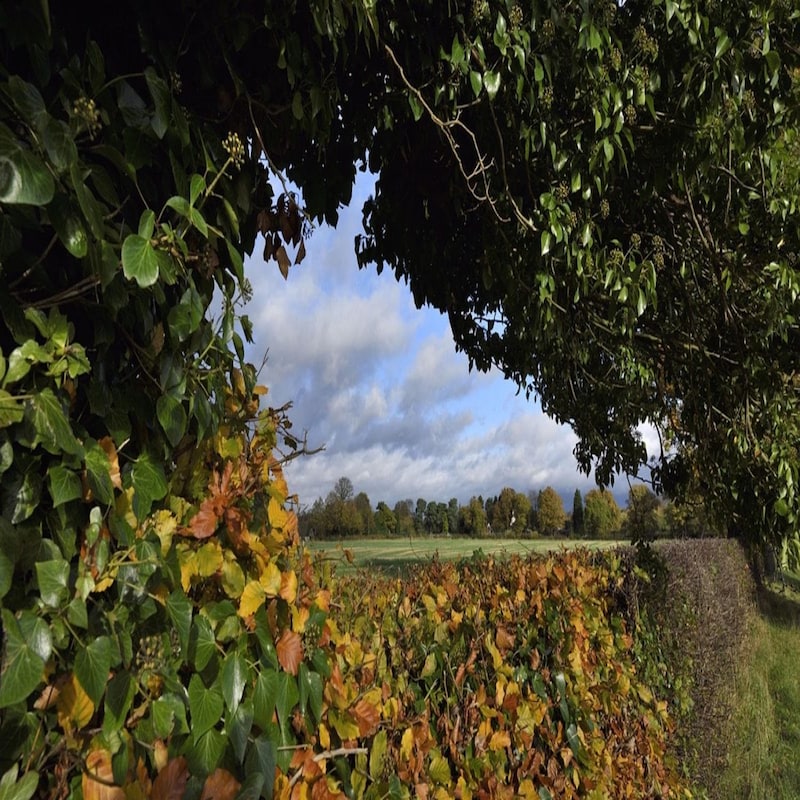
Hello and welcome to this week's Wildlife Matters podcast. In this episode, we explore Hedgerows and why they are vital for England's future, boosting biodiversity, combating climate change, and enhancing soil health.
The enchanting world of hedgerows is a vibrant ecosystem that plays a crucial role in the British countryside. The discussion emphasises the historical significance of hedgerows, tracing their origins back to the Bronze Age.
These natural corridors are not mere boundaries but vital habitats teeming with diverse wildlife. The episode delves into the importance of hedgerows in combating climate change, enriching biodiversity, and providing essential shelter for various species. We cover the alarming decline in hedgerow density caused by agricultural practices and urban expansion, with detrimental effects on wildlife populations and the overall ecosystem.
We further explores the symbiotic relationships within hedgerows, illustrating how they facilitate pollination and soil health and serve as crucial refuges for numerous animals, including birds, mammals, and insects. The call to action is clear: the preservation and rejuvenation of hedgerows are imperative for sustaining the intricate web of life in our countryside and ensuring a resilient environment for future generations.
We hope you have enjoyed our guide to hedgerows. If you do, please like, share, and leave us a review. Your support really helps to grow our community.
If you don't already follow us on social media, join us as we count down our Top 10 episodes, and get ready as we will reveal our most listened to episode on Christmas Eve-we hope it sparks your curiosity.
We've been absolutely thrilled by the incredible response to our older episodes. We truly appreciate all the comments and feedback we've received; it means the world to us! A warm welcome to our new listeners as well; we're so glad you're here on this journey with us. Keep the conversation going because we love hearing from you!
Wildlife Matters will return in two weeks for our winter solstice special, and we have two traditional nature-based stories to share with you that we hope you will enjoy on a cold, dark winter's evening. But until then, stay curious, wild ones. This is Wildlife Matters signing off.
Takeaways:
- Hedgerows serve as vibrant ecosystems, playing a crucial role in biodiversity and environmental health.
- The initiative 'Get Cumbria Buzzing' demonstrates the importance of engaging youth in conservation efforts.
- Operation Major aims to combat wildlife crime and raise awareness about the treatment of dogs involved.
- Most years yield abundant seeds and fruits, significantly impacting wildlife populations.
- The decline of hedgerows has severe consequences for various species and overall ecosystem stability.
- Hedgerows provide essential shelter for livestock and help farmers manage their agricultural land efficiently.
Links referenced in this episode:
- getcumbriabuzzing
- cumbriawildlifetrust
- fibrous
- projectgigabit
- operationmajor
- badgertrust
- leagueagainstcruelty
- sportsnaturewatchfoundation
- rspca
- wildlifematters
Companies mentioned in this episode:
- Cumbria Wildlife Trust
- Fibrous
- Badger Trust
- League Against Crawl
- Sports Nature Watch Foundation
- RSPCA
Transcripts
Hello and welcome to this week's Wildlife Matters podcast podcast.
Speaker A:And on today's action packed episode, we're diving into the enchanting world of hedgerows, which are so much more than just the green lines that weave through our countryside.
Speaker A:They are vibrant, living ecosystems teeming with life and the stars of this week's Wildlife Matters main feature.
Speaker A:And we'll be spending some time relaxing to the sounds of nature with another special recording from one of our adventures.
Speaker A:Today we're in Hampshire for this week's Wildlife Matters mindful moments.
Speaker A:But first let's take a look at the latest wildlife and nature news stories that have caught our attention this week on this week's Wildlife Matters Nature News.
Speaker A:Hello, hello and welcome to this week's Wildlife Matters Nature News.
Speaker A:And our first story today is school children in Cumbria getting the place buzzing with wildflowers.
Speaker A:In a display of youthful energy, a group of determined 6 and 7 year olds from the Croftlands Infant School in Ulverston rolled up their sleeves.
Speaker A: They planted a remarkable: Speaker A:They were on a mission to create a thriving pollinator friendly habitat that will delight bees, butterflies, moths and countless other insect species.
Speaker A:The exciting initiative is part of the Get Cumbria Buzzing project, a new two year collaboration between Cumbria Wildlife Trust and Fibrous, the full fiber broadband provider which is supporting the project with a generous donation of £150,000.
Speaker A:The Get Cumbria Buzzing partnership aims to create and rejuvenate community wildflower sites throughout Cumbria, all while supporting Project Gigabit, which is the government's effort to ensure that even the hard to reach communities have access to fast, reliable, gigabit capable broadband.
Speaker A:Shannon Horrocks, the the grassland Conservation officer at Cumbria Wildlife Trust was thrilled with the excitement of the 36 children at Crosslands Park.
Speaker A:She said they were full of enthusiasm and worked so swiftly that we actually finished ahead of schedule.
Speaker A:They enjoyed learning about worms, soil health and vibrant wildflowers that would bloom come summer along with the various pollinators that would visit them.
Speaker A:Thanks to the Get Cumbria Buzzing Project, 12 sites across the county have already been restored, transforming them into havens for pollinators.
Speaker A:Shannon emphasized to Wildlife Matters the importance of involving young people in such initiatives.
Speaker A:She said it's fantastic to see them get hands on, learning about nature and witnessing the positive impact they can make in their local environment while also contributing to a broader network of green spaces for pollinators throughout Cumbria.
Speaker A:The urgency of the project is underscored by the fact that the UK has lost over 97% of its wildflower habitat, and Shannon told Wildlife Matters that teaching children about this issue is vital, since these projects are so close to their homes and school, they'll continually witness how their efforts changed the landscape over time.
Speaker A:The children enthusiastically planted eight different species of native wildflowers, including stunning oxeye daisies, charming ragged robins and the delightful meadow cranesbills.
Speaker A:Donal Anderson, an environmental and sustainability specialist at Fibrous, told us, we're thrilled to be part of this project.
Speaker A:It not only helps revive wildflowers for pollinators across Cumbria, but also offers local children and and communities the chance to get outside, get their hands dirty and enjoy the vibrant results right on their own doorstep.
Speaker A:Together, they are ensuring that Cumbria's meadows will not only be buzzing with life, but also richer in color and vitality for generations to come.
Speaker A:Our second story this week is the launch of a groundbreaking initiative called Operation Major that was unveiled at the National Wildlife Crime Conference this week week to combat the disturbing use of dogs in wildlife crime.
Speaker A:Operation Major is a collaboration between Badger Trust, League Against Crawl, Sports Nature Watch foundation and the RSPCA and with the support of law enforcement agencies, this campaign seeks to shine a light on the hidden issue affecting both wildlife and our loyal companions.
Speaker A:One particular heart rending story highlights the urgent need for this initiative.
Speaker A:Kraken, a Patterdale terrier, was discovered when a farmer had spotted two men with their dogs behaving suspiciously around a known badger set.
Speaker A:When challenged by the farmer, they hastily fled, leaving Kraken behind to face the consequences of their cruel actions.
Speaker A:The farmer discovered that the badger set had been extorted, extensively dug out and disturbed, and he found Kraken who had serious injuries consistent with badger attacks.
Speaker A:The farmer contacted the police who quickly took him straight to an emergency vet.
Speaker A:Sadly, Kraken was found to be suffering from a damaged jaw, a torn tongue and significant swelling and infection.
Speaker A:Although Kraken was microchipped, his registered owner was unreachable because they were outside of the UK and attempts to trace them were unsuccessful.
Speaker A:The good news is that after several weeks of dedicated veterinary care, Kraken made a remarkable recovery and has since found a loving new family and home.
Speaker A:Operation Major aims to enhance the identification of wildlife crime signs and urges immediate investigation when dogs bear unexplained injuries.
Speaker A:This initiative fosters collaboration between police and veterinarians, creating a vigilant network to sponsor, spot and report wildlife crime related injuries.
Speaker A:DC Aaron Flint emphasized the importance of this campaign by telling Wildlife Matters that Operation Major is about shining a light on the cruel and criminal use of dogs in wildlife crime and animal fighting.
Speaker A:Such offenses often lurk in the shadows of our communities, and we must raise awareness to expose them.
Speaker A:To achieve this, we are calling on police officers to investigate investigate injuries to dogs, document their findings and escalate cases when they encounter suffering animals.
Speaker A:Likewise, we urge vets, who are often first to notice these troubling signs, to join law enforcement in reporting potential wildlife crime.
Speaker A:Craig Fellows, MBE, Wildlife Crime Manager at Badger Trust, said, for far too long our wildlife has suffered for human pleasure.
Speaker A:This cruelty extends beyond wild animals and leads to severe injuries for the dogs involved.
Speaker A:This partnership is a united front against these injustices, ensuring that we protect both domestic and wild animals, and everyone can play their role to support this project.
Speaker A:If you witness anything concerning or suspect wild animals may be in danger, then don't hesitate to act.
Speaker A:Report any suspicious injuries in dogs or unusual activities, particularly digging around known wildlife areas.
Speaker A:Here's what you should do.
Speaker A:If you come across an incident that is happening now, then call 999 immediately.
Speaker A:If you come across an incident that has already occurred or you have information concerning a dog or any individuals involved, then please call 101.
Speaker A:Our third story on this week's Wildlife Matters Nature News is an article that Wildlife Matters has written, which is called what is a Mast Year?
Speaker A:And why Does It Happen?
Speaker A:As autumn graces us with its presence, a stunning transformation is underway.
Speaker A:All around us, the trees don their vibrant hues, the air turns crisp and invigorating, and every step you take resonates with the delightful crunch of fallen leaves beneath your feet.
Speaker A:But if you've been paying attention on your walks, you've likely noticed something else an extraordinary bounty of seeds scattered across the ground from acorns to beech nuts.
Speaker A:It's clear that this year, nature, in addition to putting on a magnificent autumnal show, has also provided a veritable harvest from her trees.
Speaker A:But what is a mast year?
Speaker A:Well, mast years are a natural phenomenon that occur approximately every five years and have fascinating impacts on our wildlife and woodlands.
Speaker A: The last mast year was in: Speaker A:However, not everything in nature flow follows our timetables.
Speaker A:If you're wondering exactly what a mast year is, it's when trees and shrubs produce an overwhelming abundance of fruits, nuts and seeds, collectively known as a mast.
Speaker A:Instead of just a few scattered acorns or the typical harvest of berries, apples or other wild fruits, mast years blanket the ground with thick carpets of nuts and seeds, bending branches with heavy fruit, creating a veritable feast for wildlife across our beautiful landscapes, this captivating cycle serves as a vital purpose.
Speaker A:It ensures the next generation of trees, producing fruits and nuts demand significant energy.
Speaker A:So trees just can't manage to do it every year.
Speaker A:Instead, they build their resources and let loose a remarkable bounty all at once.
Speaker A:This strategy is known as predatorsiation.
Speaker A:It's fascinating in its execution.
Speaker A:In years of average yield, squirrels, mice and birds such as jays, can easily devour the majority of the crop.
Speaker A:But during a mast year, the sheer volume of food available means many seeds escape the grasp of the hungry mouths and get a chance to grow into new saplings.
Speaker A:The ripple effect of amastia impacts the ecosystem, as small mammals and birds revel in the abundance of food.
Speaker A:At the same time, predators like owls and foxes benefit from a surging population of prey species.
Speaker A:This process invigorates woodland regeneration, ensuring that our woodlands and natural spaces remain healthy and thriving.
Speaker A:One of the great mysteries surrounding mast years is how trees surround synchronize their fruiting.
Speaker A:It's fascinating to think that trees throughout the UK can agree on a single year to produce these incredible harvests.
Speaker A:Scientists believe the answer lies in a complex interplay between weather cues and communication.
Speaker A:Warm, dry springs are perfect for pollination.
Speaker A:But at the same time, specific temperatures and rainfall patterns play a crucial role in seed development.
Speaker A:And this year's hot, dry spring and summer have posed challenges for trees with prolonged dry spells and scorching temperatures.
Speaker A:Still, some researchers suggest that trees may use chemical signals or synchronize through pollen exchange, allowing them to act in unison across great distances.
Speaker A:What is clear is that trees are far from solitary.
Speaker A:They are part of an intricate living network that we're only just beginning to understand.
Speaker A:So as you stroll through the woods and revel in nature's spectacular show, take a moment to appreciate the remarkable connections that sustain our woodlands and the wildlife that depends on them.
Speaker A:And that has been this week's Wildlife Matters Nature News.
Speaker A:Foreign.
Speaker A:We always enjoy sharing stories about young people getting actively involved in nature conservation.
Speaker A:And we would love to see projects like Get Cumbria Buzzing repeated in every county across the whole of the uk.
Speaker A:Getting young people interested in wildlife and the natural world is essential.
Speaker A:Essential for the future of our native species and wild spaces.
Speaker A:Often, their suffering of dogs in relation to wildlife crime is overlooked.
Speaker A:While badger digging and baiting are horrific crimes that affect badgers and other wildlife such as foxes, rabbits, hares, squirrels and deer, it's important to remember that dogs also endure suffering as a result.
Speaker A:That's why Operation Major is a real step forward.
Speaker A:You can help by staying informed, reporting suspicious activity and supporting wildlife crime prevention initiatives alongside the police, vets and the NGOs to stop animal suffering and to catch offenders.
Speaker A:And as always, we hope you enjoyed and learned something from our article on mast years which are happening around us right now.
Speaker A:And this leads perfectly to my invitation for you to join me in a peaceful rural area of Hampshire along a tranquil country lane bordered with tall hedgerows.
Speaker A:As I turn on my recorder, we can spend some quiet time immersed in the beauty of the natural world during this week's Wildlife Matter Master's Mindful Moments.
Speaker A:Sam.
Speaker A:It.
Speaker A:I hope you enjoyed our escape into nature.
Speaker A:As you listened, you may have recognized the distinctive cooing calls of the collared dove and the wood pigeon, along with the enchanting melodies of the robin and the wren.
Speaker A:These delightful sounds not only bring the scene to life, but also deepen your connection with the local wildlife.
Speaker A:Although the first birds you heard and the main ones throughout the audio soundscape aren't scarce, I was thrilled to pick a moment to share the hedgerow with a charming flock of long tailed tits.
Speaker A:Let's also reflect on what you haven't heard the vibrant soundscape of insects.
Speaker A:This was recorded in May and we would typically expect a symphony of buzzing, but instead profound silence, which is quite concerning and prompts me to think about the health of this seemingly rural environment.
Speaker A:Now I invite you to embark on an exciting journey of discovery with me as this week's Wildlife Matters main feature takes us into the enchanting world of hedgerows, revealing the secrets of this essential habitat.
Speaker A:Welcome to this week's A Wildlife Matters main feature, and today we're diving into the enchanting world of English hedgerows, which are so much more than just green lines that weave through our countryside.
Speaker A:They are vibrant, living ecosystems that are teeming with life.
Speaker A:These ancient boundaries, some of them dating back 900 years, not only connect us to our rich history, but also play a pivotal role in protecting our future.
Speaker A:And just imagine strolling along these verdant green corridors, discovering the hidden lives that they harbour, like birds safely foraging and nesting.
Speaker A:And at the same time, insects are busy with their daily lives and plants thrive in harmony with them.
Speaker A:Hedgerows are not only beautiful, but also vital allies in the fight against climate change, serving as an important carbon sink and biodiversity hotspot.
Speaker A:So join us on this journey to explore the remarkable stories and the benefits of hedgerows, and learn why it is essential to conserve existing hedgerows and plant new ones for A sustainable Future Hedgerows have been an essential part of the British countryside.
Speaker A:Britain's hedgerows can be traced back to the Bronze Age and possibly even the Neolithic period.
Speaker A:The first farmers in Britain cleared small areas of woodland for cultivation, leaving strips of trees as boundaries.
Speaker A:These are considered the earliest forms of hedgerows in Britain.
Speaker A:Planting new hedgerows began around Roman times and continued intermittently until the mid 18th century when the Enclosures act prompted a significant surge in hedge planting, primarily in the Midlands.
Speaker A:Hedge removal is not a new phenomenon.
Speaker A:Many were lost during the Napoleonic wars when a besieged Britain was threatened with starvation.
Speaker A:But after the Second World War, government policy positively encouraged the removal of hedgerows to ensure Britain's food self sufficiency.
Speaker A:Financial incentives were available to remove hedgerows and machinery became so large that it could no longer operate in the smaller hedgerow enclosed fields.
Speaker A:So since the Second World War finished, hedgerows have been removed at a much faster rate than they have ever been planted.
Speaker A:In some parts of Britain more than half of the hedgerows have been removed, but in contrast, others are so poorly managed that their wildlife value has declined massively.
Speaker A:Loss of hedgerow has been identified as a factor in the decline of many plant and wildlife species traditionally associated with with farmland.
Speaker A: a practice that was banned in: Speaker A: Since the early: Speaker A:Farmers value hedgerows for their role in crop protection, pollination and as a stock barrier, a livestock shelter, a wildlife haven, a source of income, or a landscape feature.
Speaker A:The primary purpose of this article is to explore the benefits of hedgerows to wildlife and the diverse ecosystems that hedgerows can support.
Speaker A:That said, the majority of British hedgerows are on farmland.
Speaker A:Both arable and livestock farming benefits from them.
Speaker A:Here is a summary of how hedgerows provide a windbreak and increase crop yields by reducing the damage caused by cold strong winds.
Speaker A:This includes preventing crop lodging, which makes harvesting more difficult, reduces yield and minimizes premature flower and fruit shedding.
Speaker A:Shoot damage and injuries from chilling.
Speaker A:Hedgerows provide homes and shelter for the farmland birds and predatory invertebrates such as spiders, beetles and wasps, which all feed and help prevent crop pests.
Speaker A:Hedgerows help support A diverse range of pollinators, which is of course, essential for crop pollination and increased crop yields.
Speaker A:They'll provide food for pollinators throughout the year when the crops aren't in flower, and offer places for them to nest and rest.
Speaker A:Hedgerows also reduce soil erosion by acting as a barrier to water runoff and reducing surface wind speed.
Speaker A:Tree and shrub roots grow deeper than crop roots, accessing nutrients more deeply in the soil profile and cycling them into the topsoil.
Speaker A:Additionally, the shelter provided by hedgerows creates warmer soils, extending, ending the growing season.
Speaker A:Hedgerows provide many benefits to a farmer, including providing the shelter for their livestock.
Speaker A:Livestock lacking shelter are more likely to suffer from higher mortality rates and increased food requirements.
Speaker A:Shelter helps improve survival rates for young animals such as lambs by reducing the impact of wind chill and hypothermia during the summer.
Speaker A:Shelter can help alleviate heat stress in dairy herds, thereby improving milk yield, fertility, growth rates, and disease resistance.
Speaker A:Feeding livestock with native hedgerow plants can enhance gut microbial diversity, support immune function, and improve feed conversion efficiency.
Speaker A:The dense and sturdy hedges can also act as a barrier to preventing disease spread by reducing direct animal to animal contact between farms.
Speaker A:So livestock may also naturally consume particular hedgerow plant species to self medicate.
Speaker A:Some of these plants have leaves with anti parasitic properties and rough surfaces that act as a rasping plug or can induce a purging response.
Speaker A:Hedgerows also play a big role in flood management and water quality.
Speaker A:Plant roots help the soil absorb water more quickly, enabling it to act like a sponge and soak up flood water instead of letting it run off the surface.
Speaker A:The deep roots of trees and hedgerows create a larger, deeper area of soil that absorbs more water.
Speaker A:The soil under the hedge can store water more effectively and rapidly preventing and delaying its movement.
Speaker A:Downslope trees and shrubs also help remove water from the soil by absorbing and transpiring it.
Speaker A:Hedges and hedgerow trees prevent soil erosion and intercept sediment from reaching our streams and rivers.
Speaker A:And by slowing down the water flow, trees reduce the impact of flooding, providing more time for soil to infiltrate and respond to flood warnings.
Speaker A:Hedgerows also play a crucial role in combating climate change.
Speaker A:By storing carbon both above and below ground, they help reduce the amount of fertilizer, pesticide, and sediment that reaches water courses.
Speaker A:And acting as a physical barrier, hedgerows increase soil infiltration and recycle nutrients by utilizing trees, shrubs, and other plants.
Speaker A:On top of all this, hedgerows improve air quality by capturing pollution particles.
Speaker A:Hedges and hedgerow trees can provide sustainable wood fuel without reducing land for production, and this wood fuel can be used as fuel or sold as timber.
Speaker A:Pollarding, a traditional tree management technique, can provide wood fuel and animal fodder.
Speaker A:Hedgerows can also act as screens, protecting privacy and shielding farm assets and buildings from public view.
Speaker A:So you see, they are a defining feature of our countryside, with profound and significant cultural and historical importance.
Speaker A:There are so many benefits of hedgerows for farmers.
Speaker A:They tell the story of farming tradition over centuries and add regional distinctiveness.
Speaker A:But as explained at the outset, the primary purpose of this podcast is to examine the benefits of hedgerows for wildlife and biodiversity.
Speaker A:Hedgerows have been based on mixed native plant and tree species for centuries, and this will include plants such as the guelder rose, dog rose, hawthorn, blackthorn holly, bird cherry, dogwood, green beech hedge, hazel, hornbeam, field maple and spindle, to name just a few.
Speaker A:The more plant species found in a hedge, the greater the number of other species the hedge can support.
Speaker A:Many plant eating insects, for example, depend upon a particular plant species, so the more variety of plants there are, the more potential for insect diversity.
Speaker A:And since different shrub species flower and fruit at different times, this diversity and a good spread of plant species extends the flowering and fruiting periods, which is beneficial to nectar and pollen feeding invertebrates and of course, their predators.
Speaker A:Some species do require the presence of just one shrub species to survive in a hedge, but others need several for different roles throughout their lives.
Speaker A:A good example is the thrush, which nests in the shrubby structure of a hedge, sings from hedgerow trees, hunts snails in the base of the hedge and switches to eating the berries later in the season.
Speaker A:While all plants are part of a food chain and valuable for some form of wildlife, the plants on the list stand out as providing abundant food in a wide range of species.
Speaker A:How a hedge is managed also affects its ability to plight food regardless of the species within.
Speaker A:Most hedge species flower and fruit on second year wood, so any hedge that is trimmed to the same point each year will not be able to produce anywhere near as many flowers or fruits.
Speaker A:Over half of the priority species associated with hedgerows are in fact dependent or partially dependent on hedgerow trees.
Speaker A:Hedgerow trees offer nesting sites for birds, bats and bees.
Speaker A:They contain the rare deadwood habitat that supports thousands of our invertebrate species, many of which are rare or threatened.
Speaker A:They also provide forage for leaves, flowers and fruits for many other species.
Speaker A:Oak and willow trees can support over 400 plant eating insect species each, which in turn support a large part of the local food chain so whilst mature and ancient hetero trees undoubtedly offer more for wildlife than young trees, we must encourage a new generation of trees.
Speaker A:It is all too easy for a mechanical flail to strim the top of a potential new sapling, so these need protection and care if they are to become the mature hedgerow trees of the future.
Speaker A:Some wildflowers cannot tolerate higher nutrient levels and others will lose their fungal root associations and may be shaded out by plants that thrive in high nutrient soil, such as nettles, cleavers and docks.
Speaker A:Whilst there is nothing wrong with nettles, docks or cleavers, their abundance at the base of our hedgerows can be a warning to us.
Speaker A:We use them as a proxy measurement for nutrient enrichment, which we know can harm our wildflowers.
Speaker A:The wildflowers need space to thrive, and a margin of unploughed and unsprayed land at the base of the hedge will not only provide this space for nature, but also act as a buffer which can protect the hedge from damage.
Speaker A:It is also almost impossible to create a list of hedgerowild flowers, as they vary by region, soil and management characteristics.
Speaker A:But as a general guide, there are some of the wild species you may be able to find in your local hedgerows.
Speaker A:These would include common agrimony, garlic mustard, common knapweed, wild foxglove, meadowsweet hedge bed straw, Woodhavens, Common St. John's Wort, Fieldscabious, Autumn hawkbit, self heel, white Campion hedge, Woundworth upright hedge, parsley and dark mullion.
Speaker A:It should go without saying that herbicides, insecticides and fertilizers used on farm fields or indeed in your garden or allotment will often drift into hedgerows and damage or kill the roots of the hedge, shrubs and trees.
Speaker A:A native mixed hedgerow can support an incredible range of wildlife species, and one which includes hedgerow trees will add hundreds more to the list if we start with the invertebrates.
Speaker A:A native mixed hedgerow will provide food, shelter and breeding site for pollinators such as bees and beneficial predators like scorpion flies who use hedgerows to guide their foraging activity.
Speaker A:Stag beetles can sometimes be found among decaying stumps at the base of a hedge.
Speaker A:Maintaining a diversity of perennial plants in the hedge base, which serves as a host and nectar source, benefits invertebrate diversity.
Speaker A:There are more than 20 butterfly species that breed in hedgerows, including the brown hairstreak butterfly, which lays its eggs on blackthorn.
Speaker A:The holly blue butterfly caterpillars can only be found in hedges containing holly or ivy While the brimstone butterfly prefers buckthorn or alder buckthorn.
Speaker A:The purple emperor and the pearl bordered fritillary are amongst the species that use hedgerows for ne basking or as transport corridors from other core habitats.
Speaker A:Some butterflies, such as the peacock, use hedges as territorial sites.
Speaker A:Males establish perching sites on hedges and rise to inspect other butterflies as they pass.
Speaker A:The Barbary carpet moth lives in hedgerows.
Speaker A:Factors that affect the butterfly density of hedgerows include shelter from wind, isolation, nectar, plant diversity, plant species, richness, the margin area and uncropped land.
Speaker A:For optimal butterfly activity, hedges should create a network that provides shade and shelter even when the weather conditions change.
Speaker A:You don't always expect to find amphibians in hedgerows, but newts, the palmate smooth and the rare and protected great crested newt can all be found in hedgerows.
Speaker A:You see, newts feed on the invertebrates and other insects in the foliage at the base of a hedge.
Speaker A:Common toads also use hedgerows for shelter and for food, where they eat mollusks such as slugs and snails.
Speaker A:And it's a similar story for reptiles.
Speaker A:Grass snakes will use the base of hedgerows as corridors to find food, shelter and potential mates.
Speaker A:Another reptile I've seen often in hedgerow is the slow worm.
Speaker A:Like other cold blooded species, they need shelter and a safe place to bask in the morning sunshine.
Speaker A:And a hedgerow can provide an excellent safe shelter and a safe space to bask on the sunny side in the morning.
Speaker A:Hedgerows provide nesting habitat for well over 30 bird species.
Speaker A:In taller hedgerows you can find bullfinches and the increasingly rare and endangered turtle dove.
Speaker A:Due to habitat loss, including ancient and tall established hedgerows with trees, the turtle do has declined by a devastating 97% in the last 30 years alone.
Speaker A:Lower hedgerows may host whitethroats, linnets and yellowhammers, but dense hedgerows without trees are preferred by these species.
Speaker A:Hedgerows with trees are likelier to be a home to dunnocks, lesser whitethroats and willow warblers, whilst birds such as wrens, robins, dunnocks and white throats nest closer to the ground and can be found in hedges of birds all height and depths.
Speaker A:Further up the hedge you may find nesting ceratine and greater horseshoe bats.
Speaker A:Grassy hedge bottoms and field margins provide nesting material and insect larvae for the chicks to feed on.
Speaker A:Wildflowers and grasses growing up into a hedge also help conceal the nests from predators.
Speaker A:The grape partridge uses grass cover at the base of a Hedge as a nesting site.
Speaker A:In winter, hedgerows can serve as feeding and roosting sites for field fairs and red wings, as well as other seasonal visitors.
Speaker A:A variety of mammals rely on hedgerows for shelter and for food.
Speaker A:Animals like badgers and foxes feed on hedgerow berries and fruits, whilst roe deer graze on hedgerow plants.
Speaker A:And one notable resident of hedgerows is of course, the hazel dormouse.
Speaker A:These small mammals spend most of their time in hedgerow branches, venturing to the ground only to build nests and hibernate during the winter.
Speaker A:In autumn, they'll feast on nuts, seeds and berries to store enough fat to survive the winter.
Speaker A:When they emerge from hibernation, they feed on the blossoms of trees such as hawthorn and oak, as well as on insects like caterpillars.
Speaker A:During the summer, hedgerows are crucial for dormice, as they serve as both a home and a source of diverse food, as well as a dispersal corridor that connects small copses to larger woodland areas.
Speaker A:The decline of hedgerows has led to the isolation of dormice populations and local extinctions.
Speaker A:Wood mice are another common resident of hedgerows.
Speaker A:They are adaptable creatures that can thrive in gardens and and hedgerows, building nests in various places.
Speaker A:Wood mice are about the same size as a house mouse with a chestnut brown colouring, large eyes and prominent ears.
Speaker A:They are like most likely species to be found by cats and in the wild.
Speaker A:Foxes and tawny owls are their main predators.
Speaker A:Tawny owls have actually been known to only breed if the wood mouse population in the area is high.
Speaker A:Although not native to hedgerows, harvest mice are often found there, particularly around woodland edges.
Speaker A:They'll also eat seeds, fruits and invertebrates.
Speaker A:And they have pale ginger to yellow fur with a white belly and a nearly hairless long tail.
Speaker A:Bank voles live in woodland and hedgerows and can also be found in parks and gardens.
Speaker A:And they have a distinctive appearance characterized by blunt, rounder faces, smaller ears and eyes and shorter tails.
Speaker A:Compared to the mice species.
Speaker A:Bank foals are active and agile and are known for their climbing abilities.
Speaker A:They have a rich chestnut brown fur with white bellies, but they do not hibernate, producing three to four litters per year.
Speaker A:Perhaps the most iconic hedgerow species is the hedgehog.
Speaker A: our hedgehog population since: Speaker A:That is shocking and upsetting, but it's true.
Speaker A:Hedgehogs are in big trouble and face extinction in our countryside.
Speaker A:It is worth noting that hedgehogs in urban areas are showing signs of recovery from the shocking decline and many local communities are working together to help save their hedgehogs in urban areas.
Speaker A:Areas we have covered urban hedgehogs and will feature them again soon in the Britain's Wildest Places series.
Speaker A:This article though, focuses on country hedgehogs and tragically, in Britain's countryside, we are in the midst of a vanishing hedgehog crises.
Speaker A:So where have all the hedgehogs gone?
Speaker A:Well, it won't surprise you to learn that there isn't a simple answer.
Speaker A:The situation is, as ever, complex.
Speaker A:One thing for sure though, as in the four decades after World War II, Britain destroyed enough hedgerows to wrap around the circumference of the world 15 times.
Speaker A:Yes, you heard me correctly, 15 times around the world.
Speaker A:This, coupled with the catastrophic declines in the diversity and abundance of invertebrates, has made the British countryside a hard place to be a hedgehog dwelling invertebrate eater.
Speaker A:We humans are the problem.
Speaker A:We consider the hedgehog to be our favorite wild animal.
Speaker A:We're even thinking about making them a national animal for the uk.
Speaker A:We say we love our spiky friends, but we have subsidized our farmers to remove the hedgehogs homes and the corridors through which they travel to forage and find new mates.
Speaker A:We've also killed their natural food source by constantly spraying crops with insecticides, fungicides and fertilizers.
Speaker A:So the choice is clear.
Speaker A:We want a return to smaller fields with larger margins for wildlife and hedgerows, which provide biodiverse habitats for hundreds of native wildlife species and offer significant benefits to farmers, including both arable and livestock farmers.
Speaker A:That may increase the cost of food though, and with the UK in the midst of an austerity driven financial crisis, it would take a brave government to implement the change we need in Britain's countryside.
Speaker A:One thing for sure though is that the UK is already one of the most nature depleted countries in Europe.
Speaker A:We won't leave things on such a depressing note.
Speaker A:Instead we will examine our final mammal, which has a unique way of utilising hedgerows.
Speaker A:Bats are the only flying mammals in Britain.
Speaker A:Some bat species, like the ceratine, use hedgerows to navigate during their nightly hunts for food.
Speaker A:The ceratine is one of Britain's largest bat species and it is often among the first to appear in the evening, taking advantage of good light.
Speaker A:Its broad wings and leisurely, highly manoeuvrable flapping flight, with occasional short glides or steep descents, are very distinctive.
Speaker A:Ceratines mainly hunt within two kilometres of their roost, but they may forage for up to 6km away.
Speaker A:After catching a large beetle, a ceratine will fly around slowly, chewing its prey and dropping the wing cases and legs.
Speaker A:Sometimes it will take the prey to a feeding perch.
Speaker A:It flies at about treetop height, which is Approximately up to 10 meters, often close to vegetation, and will sometimes flop, wings outstretched, onto the foliage to catch larger insects.
Speaker A:The ceratine will feed around street lamps and even catch prey from the grounds.
Speaker A:All British bats are nocturnal, feeding on midges, moths and other flying insects that they find in the dark using echolocation.
Speaker A:Two species are known to use hedgerows for feeding.
Speaker A:The greater horseshoe bat was once a cave dweller, but today it tends to roost in older houses, churches and barns.
Speaker A:But in early summer, greater horseshoe bats will emerge at dusk and dawn, preferring to roost through the middle of the night.
Speaker A:Greater horseshoe is one of Britain's larger bat species and can be the size of a small pair.
Speaker A:It has a typically characteristic horseshoe shaped fleshy nose.
Speaker A:Its fur is a reddish brown on its back and cream underneath.
Speaker A:Greater horseshoe bats often choose a regular perch in a tree adjacent to or opposite a hedgerow, from which they can watch for passing insects.
Speaker A:And when they spot their prey, they fly out to catch it in midair.
Speaker A:The other species that use hedgerows for feeding is the Natera bat, which has broad wings enabling it to fly slowly and catch a range of insects, including snatching spiders from their webs.
Speaker A:Natterer's bats have a slow to medium flight, sometimes over water, but more often amongst trees.
Speaker A:Their broad wings and tail membrane provide them with excellent manoeuvrability at slow speed.
Speaker A:They often fly at heights of less than 5 meters, but sometimes can reach around 15 meters or the top of the tree canopy.
Speaker A:Much of the prey is taken from foliage, including many flightless or day flying insects.
Speaker A:And sometimes larger prey is taken to a feeding perch.
Speaker A:Hedgerows are vital for the future of England, serving as nature's lifelines that enhance biodiversity, combat climate change and bolster soil health.
Speaker A:These green corridors are home to a multitude of species, providing essential habitats for birds, insects and mammals.
Speaker A:They create natural pathways that allow wildlife to transverse fragmented landscapes, ensuring a connected ecosystem that is teeming with life.
Speaker A:Not only do hedgerows play a critical role in absorbing carbon dioxide, but they also act as guardians of our farmland.
Speaker A:By shielding the soil from wind and water erosion, they help maintain the integrity of agricultural land.
Speaker A:They also provide invaluable shelter for livestock, promoting their well being and offering farmers cost savings in health care.
Speaker A:Hedgerows are more than just lines of greenery.
Speaker A:They are crucial components of our environment that deserve our protection and care.
Speaker A:That has been this week's Wildlife Matters main feature, highlighting the importance of hedgerows in nurturing our natural world.
Speaker A:Hedgerows are crucial for England's future, enhancing biodiversity, fighting climate change and improving soil health.
Speaker A:These green corridors provide vital habitats for birds, insects, including pollinators and small mammals, while creating pathways for wildlife across fragmented landscapes, ensuring a thriving ecosystem.
Speaker A:They're much more than just absorbing carbon dioxide.
Speaker A:Hedgerows protect farmland by preventing soil erosion.
Speaker A:They also provide essential shelter for livestock, promoting their health and helping helping farmers save money.
Speaker A:We hope you have enjoyed our guide to hedgerows and if you do, please like share and leave us a review because your support really helps our community to grow.
Speaker A:If you don't already follow us on social media, now's a good time to join us as we are counting down our top 10 most listened to episodes and get ready as we reveal our most most listened to episode on Christmas Eve.
Speaker A:We hope it sparks your curiosity.
Speaker A:We have been absolutely thrilled by the incredible response to our older episodes already.
Speaker A:We really appreciate all the comments and feedback that we've received.
Speaker A:It means the world to me.
Speaker A:A warm welcome as well to all of our new listeners.
Speaker A:We're so glad that you're here on this journey with us.
Speaker A:Keep the conversation going because we love hearing from you.
Speaker A:Wildlife Matters will return in two weeks for our Winter Solstice special and we have two traditional nature based stories to share with you that we hope you will enjoy on a cold, dark winter's evening.
Speaker A:But until then, stay curious wild ones.
Speaker A:This is Wildlife Matters signing off.
