Shownotes
Download Our Free Guide to Self Directed IRAs!
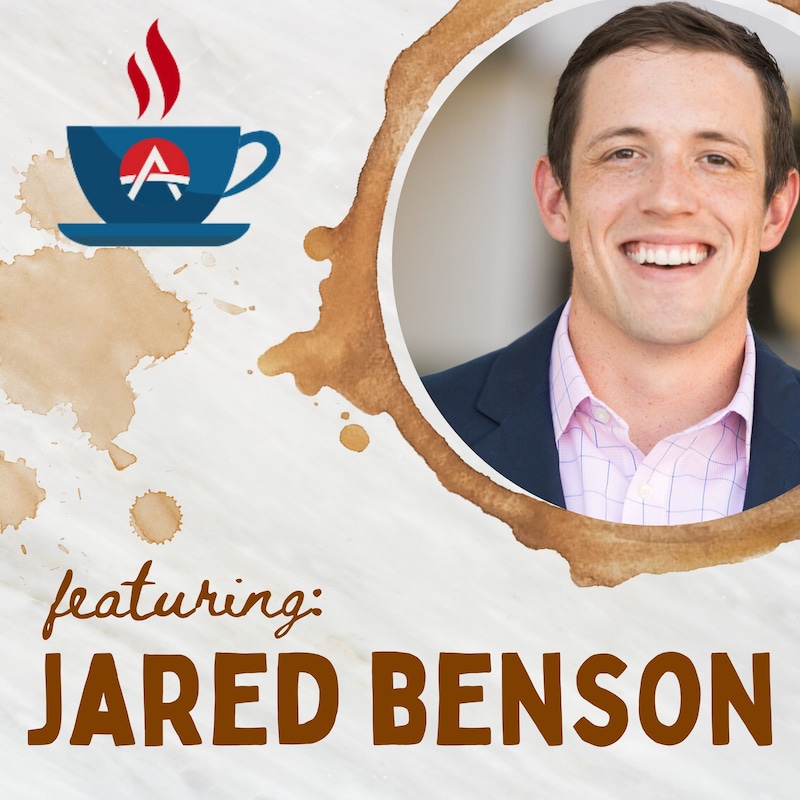
We are back with another episode of the IRA Cafe podcast. Our host, Jasmine Trocchia, is joined by Jared Benson from Clotine Capital. Together, they’re getting into the intricacies of self-directed funds, the benefits of taking control of your investments, and the current trends in the real estate market.
Jared shares insights into how Clotine Capital offers investors the unique opportunity to choose their investment paths, allowing for personalized risk and return profiles. Tune in as they discuss emerging trends in the real estate market, the influence of economic factors, and Jared's personal journey, including the impact of mentor figures like his father. They also dive into the importance of content creation in today's business world and Jared’s personal interests outside of his professional life. Whether you're a seasoned investor or just curious about the world of self-directed investing, this episode promises valuable insights and engaging conversation.
Key Takeaways:
- Understanding Self-Directed Funds:
- Jared explains the concept of a self-directed fund, highlighting the flexibility it offers investors in choosing where to allocate their capital. This approach empowers investors to participate in projects that match their risk tolerance and financial goals.
- Trends in the Real Estate Market:
- The conversation covers current economic factors affecting real estate, including interest rates and housing shortages. Jared shares insights into how these elements influence investment opportunities and market dynamics.
- The Impact of the Presidential Transition:
- Jared touches on how political changes, like the inauguration of President Trump, may impact the housing and real estate market, forecasting potential government incentives for housing and construction.
- Personal Journey and Influences:
- Jared shares stories about his personal journey from a criminology graduate to a capital manager. Key influences on his career include his father, a former CPA, who provided invaluable advice and guidance throughout his professional life.
- Advice for Aspiring Investors:
- Jared emphasizes the importance of understanding investment structures, conducting due diligence, and the benefits of learning from others’ experiences in the investing world.
- Insights into Personal Life and Values:
- Outside of his professional commitments, Jared is a dedicated family man with a passion for Star Wars and Legos, and shares his hopes to impart financial literacy and investment mentality to his children.
Join Jasmine Trocchia and Jared Benson as they explore the world of self-directed investing, unravel the complexities of real estate trends, and discuss the personal journeys that shape successful financial careers.
For more information on Clotine Capital, reach out to Jared at [email protected]. If you have questions for the IRA Cafe podcast, send them to [email protected].
Transcripts
Welcome back to another episode of the IRA Cafe podcast. My name is Jasmine Trocchia, and I'm the head of the marketing department at American IRA. And today's episode, I am joined by none other than the fabulous Jared Benson from Clotene Capital. Hello, Jared. Thanks so much for being on the podcast.
Jared Benson [:Yeah. Thanks for having me, Jasmine. It is, it's a pleasure to be here and excited, excited to get to connect today.
Jasmine Trocchia [:Fantastic. So, you've been on a couple of our live events, and I just love your collection behind your head, but we'll talk about that in a minute. Why don't you introduce yourself, to the audience? Who you are and what do you do?
Jared Benson [:Yep. My name is Jared Benson. I am a capital manager with Clotene Capital. So, we are a self directed fund which basically just lets our investors pick which investments they wanna participate in rather than having us allocate their money for them. So, it's been a fun thing to do, and I've I have actually really enjoyed being on your y'all's investor roundtables as well. It's been a good group of people.
Jasmine Trocchia [:Yeah. So our investors roundtable is a virtual networking event where we give a forum to investors, investees, people who are curious, who have questions, who can answer questions that American IRA can't. Whereas American IRA is not an investor, we are not an advisor, can't tell you what to do with your money, we can invite people like you to come on and and and ask and ask and answer those burning questions. So, what is it you do at Clotene Capital? You said it's a self directed fund, but what does that mean?
Jared Benson [:Yeah. Yeah. So, so I partnered with our fund manager, maybe a year and a half ago. And really the the vision for Clotene was to kinda create a mini marketplace where investors could come in and have a couple of options of investments to look at that would be, reliable, they would be low risk, you know, staying safe and you can't say no risk. But our goal really is to have really risk mitigated, cash flowing options that allow investors to pick what they want to pick from. And that's where kind of that self directed is. You know, we're not a traditional fund where we're just saying, hey, we're gonna give you maybe an 8% return and we're gonna, you know, you know, the two and twenty type model. Our investors get to pick where their money participates that only participates in that.
Jared Benson [:So if they want monthly steady cash flow and they don't want to participate in development projects which are very different risk profiles they can only participate in, you know, monthly cash flowing projects. And if they're like, hey, you know what? I want, I wanna take on a little bit more risk and and go for that larger return. They can allocate their money there and that way it allows them to, pick and choose. And so it's I find it really resonates obviously with your sim you know, your clients as well because they've already decided they wanna take investing into their own hands. Maybe they wanna de risk out of the stock market to some degree, you know, some percentage they want not there, and it allows them to, start to self direct some of their investments, that are already, you know, vetted and and kind of in a a legal structure that's, SEC compliant and all that stuff.
Jasmine Trocchia [:Wow. Yeah. Fantastic. It does sound that's like it's right up the the alley of a self directed IRA investor. You know, somebody who wants to take charge of their own investments and, and and knows what they're doing. But let's, let's talk a little bit about you. So, how did you come to Clotene Capital?
Jared Benson [:Yeah. So my background is actually in single family real estate. And so I've been a a real estate broker for a number of years, developed a business that, really I served a lot of friends and family and then repeat clients. And so my goal is, not to be opening doors when I'm 70, right? So I also had a lot of clients who would reach out to me and say, hey, Jared, I really wanna invest. And the only two things that a lot of, normal individuals right? If you're already playing in this, alternative investment self directing world, you know you realize how big this world is but if you're not in it yet a lot of times people think their only options to invest are gonna be the stock market and single family rent single family rentals. And single family rentals I'm a real estate broker as much as it would benefit me for them to buy those homes using me they're really not the best investment option for a lot of people right? Especially in the market that we're in. So you have six, seven, eight percent interest rates on investment properties so cash flowing is really really really hard to do with single family rentals right now and unless you're going to do it at scale, paying management fees really can sometimes make you negative right now or even more negative. And a lot like, I have doctor clients.
Jared Benson [:They don't they don't wanna self manage. They don't wanna get a Friday night call at 10:00 that the toilet's backed up on their rental that's making them a hundred bucks a month. It's not worth their time. So I saw an an opportunity, not only for myself, to diversify, you know, what I was doing and how I was helping people, but an opportunity to help those people who were already coming to me and saying, hey Jared, we want to invest. The problem was their only thought process was single family real estate or the stock market.
Jasmine Trocchia [:How long were you how long have you been in real estate?
Jared Benson [:About eight years. Okay. Got my broker's license about four years ago, ran my own, my own brokerage for a number of years as well.
Jasmine Trocchia [:Is that what you wanted to be when you were a little boy?
Jared Benson [:No, it's not. It's not. I think I, you know, like, 50% of all little boys, I wanted to be in law enforcement, US marshal, FBI agent, you know, anything like that. I actually got my degree in criminology and criminal justice.
Jasmine Trocchia [:Oh, wow.
Jared Benson [:You know, so that would that was the goal until I was about 21.
Jasmine Trocchia [:Okay. And then reality hit and you were like, I can make lots of money doing this.
Jared Benson [:And I actually I I worked for a construction company for, actually, I worked for a nonprofit for a year after college then worked for a construction company for five years, which really benefited me in the real estate world because, in Texas where I live, we have a lot of foundation issues. So homes that settle and you start getting cracks and and, you know, twists and turns in the house and worked for that company for five years. And then that knowledge just benefited me while I help my own clients buying and selling their houses.
Jasmine Trocchia [:So are you based out of Texas now with Clotene Capital and all of that, your new ventures?
Jared Benson [:Yeah. So personally, I live in Texas. The fund manager's in Florida. One of our asset managers that runs a business is in New York. And, so we're we're kind of decentralized. We have a couple of, investments going on in North Carolina, Alabama, and Wisconsin.
Jasmine Trocchia [:Oh, okay. Fantastic. North Carolina. Love it. Love it.
Jared Benson [:Yep. That's that's awesome. I did I did not realize how hot that housing market was until we had this project going.
Jasmine Trocchia [:Yeah. I would venture to guess you're probably working in and around Charlotte because that seems to be the the hot market in North Carolina right now.
Jared Benson [:We're actually outside of the Raleigh Durham metro.
Jasmine Trocchia [:Next guess.
Jared Benson [:Yes. Yes. So Yeah. It's that that that whole, like, metro area. And when you combine them, I think, like, Raleigh and Durham are separately on, like, the top five housing markets in The US. And so when you combine that, I think it's number one. Yeah. Yeah.
Jasmine Trocchia [:Wow. Oh, interesting. We're we're taking a look at for sure. How does your fund going back to to that sort of, you know, conversation. How do you find the type of investments to invest in? Like, how do you find something that you could bring to your clients and say, this is a great investment? Or what kind of I guess the other question would be what kind of due diligence do you do, on the investment options?
Jared Benson [:Yeah. So what what we do, as the fund is we actually how do we how do we find an investment is we find an individual who's really good at what they're already doing. You know, they they they have a proven track record, a proven record of success. So for one of our investments, it's essentially a hard money lending company. So we found a guy who had flipped over I think at this point, he's over, like, 250 personal flips himself. He'd already started to, back out of doing the actual flips and was funding other real estate flippers, other real estate investors. And in order to help him scale, you know, we brought him on as one of the investment options in our business. So, a lot of your investors are probably already doing a similar investment strategy where maybe they're lending money directly to a specific flipper, like one house at a time.
Jared Benson [:And so their money's probably out somewhere between eight to twin eight to ten months a year. Right?
Jasmine Trocchia [:Mhmm.
Jared Benson [:And with the strategy that that we're working with, and Kurt Kurt is his name, that investment's called Carta Capital. But we're able to pay our investors, you know, a return on a monthly basis year round because it puts him in the driver's seat of I have to make this money work all the time because he's paying that interest to our investors, you know, $3.65. So we'd really we find people who are really good at what they're doing and they're already in that space, and then we bring them on board. That's how we're doing
Jasmine Trocchia [:it. Oh, okay. I see. What are some questions that an interested investor should bring to you? Or I guess I could rephrase it. What are some frequently asked questions that you get from investors?
Jared Benson [:Yeah. So we get questions like, hey, one, what's the rate of return? We get, is there any way to increase that or or is that the is that the best you can do? We get, when do you start accruing that and or, you know, kind of secondarily, when do we start getting paid? We get some tax questions like, hey, is this a tax advantage investment? Can I leave my money in and maybe move this from, an interest income category to more of a, long term capital gain category? And so I don't know if you wanted me to actually answer all of these as I go, but I'm just gonna throw in questions out. Sorry.
Jasmine Trocchia [:No. No. That's good. I was really thinking more, of playing devil's advocate for the investor. Right? So if I'm listening to this podcast and I'm like, woah, what is a good what should I what should I be asking if I'm thinking going with this fund or thinking of working with Jared? You know, what are some considerations I should bring to the table? Maybe that's a good way to put it. Like, what what should a well informed investor already know before they approach you?
Jared Benson [:What should they already know? Yeah. That's I mean, so on one hand I think there's just, you know, understanding, like, okay, well what's the structure? Okay. So it's a it's a fund structure. So one of the big, big differences from what I mentioned some of your investors who may already be doing this and they are directly lending. And so the benefit of directly lending to somebody is they can put their their personal name or their checkbook LLC whatever that happens to be whatever that structure is. They can put that actual entity on the lien of the property on the deed of trust or whatever state they're in and exactly the language that's used. Well, if they are investing in a fund, how is the fund protected? How is how's their investment protected when it's inside the fund structure? Because it's a different it's it's a different mechanism of funding those properties. And so there are pros and cons to that.
Jared Benson [:So one of them is that, hey, your money's not attached to a specific property. If a specific property there was some issue with it, you're not gonna lose your investment. One of the the cons of that is that your money's not tied to a specific property. Your name is not actually on, the deed of trust or the lien or whatever, again whatever mechanism that state uses. So your name doesn't show up on that actual document. It's the fund that has all those and then you're invested in the fund. That's one of the big things I think is making sure people understand is that the the structure of that investment is slightly different because it's going through a fund structure and they're not having to source individual loans that they're doing themselves.
Jasmine Trocchia [:Okay. Interesting. So thinking ahead a little bit, I guess, like, the inauguration was recently and a lot of people feels very strongly one way or the other economically. Looking into 2025 and looking into the near future, what, sort of trends or movements do you think will affect the type of investing that you're you're involved in?
Jared Benson [:So we're we're all real estate right now. We're we're 95 plus percent real estate. So one is we're we're kinda doing some of the investment flips in lending, and the other one is a single family development. And and I was paying close attention to this especially during, the election cycle. And it was interesting because at that time, and I think at the I think this will hold true as well, both candidates were talking about the housing shortage and about how they both wanted to provide, incentives and tax credits. I mean, they're talking about offering tax incentives to builders to build. And that's on top of also I think at one point, the Harris campaign may have been talking about like specific incentives for new home buyers. So, at the time both candidates were talking about injecting money into the real estate market which people have different feelings about government involving itself in business.
Jared Benson [:But typically what that does is it benefits that business. And so, I think with with with Trump recently being immigrated, I do think that we're gonna see, certainly not any negative impact in the housing market. I think the only impact we're gonna see is gonna be positive from from this going forward.
Jasmine Trocchia [:Oh, well, I like that forecast. Let's let's go with that then. Hopefully hopefully it turns out that well.
Jared Benson [:Other issues that that could potentially impact the real estate market. Right? Like, you know, the high interest rates, that's it's not helping us right now. But when it comes to the new incoming president, I think he's gonna do everything he can to get the housing market and the real estate market as a whole moving again. So we'll see what we'll see what that actually turns into.
Jasmine Trocchia [:Do you think that's the biggest what is the biggest driving economic factor for the real estate market though? Is it the who the president is or is it is it the fed? Is it the IRS regulations? What do you what do you think is the biggest driving factor for your
Jared Benson [:Yeah.
Jasmine Trocchia [:What you do in real estate?
Jared Benson [:Yeah questions way above my pay grade right? But I'll I from at least from my my personal experience helping individuals buy and sell homes right now. So this is not Jared working with Clifton Capital. This is Jared, the real estate broker feet on the ground working with his friends who are trying to buy homes or trying to sell homes. And it's the interest rates. The interest rates have just really impacted people on an individual basis who, in in the worst case scenario, it's people who bought their homes, between like July and September of twenty twenty two when the markets on on the single family side really kind of hit their peak about mid year and then just crashed immediately. So, I have some clients who are actively trying to sell their home right now and it's listed for $80,000 less than they bought it for two years ago. And that's primarily in interest rate a reflection of that, right? Because the interest rates go up, your buying power goes down, demand goes down, and builders are still able to build right now. They're able to offer some good incentives to individuals.
Jared Benson [:But, those people who are selling like like pre owned homes or resale homes, they're taking the biggest hit. That's
Jasmine Trocchia [:unfortunate. Switching gears a little bit, I guess. But I I asked this to the last two podcast guests, and I I think I might keep this question because because I think it's really interesting. Who has been the biggest influence on your career? How they shaped your approach to investing or financial planning or business your your business perspective? Do you have, like, a mentor, a go to person, or someone who's really, like, shape helped shape your career?
Jared Benson [:Oh, so if I if I go to, like, shape my career,
Jasmine Trocchia [:I think it's really I think it's really hard hitting stuff, Jared.
Jared Benson [:Yeah. So, like, and I've always so I've always paid for coaching ever since I got into like being self employed. I've always paid for coaching. But I have to say one of the the biggest single influences in my career at like like my life, like the careers I've held or jobs I've held, and I'm lucky to say this, but it's been my dad. My dad's been someone who, I've been able to go to when I had a question, when I needed advice. And I when you were talking about how, y'all are not allowed to give recommendations, right?
Voiceover [:I kind
Jared Benson [:of joke because a lot of times I'll ask my dad for his advice and I can tell he is refraining from telling me what I what what he thinks I should do or giving me any overt advice and rather, you know, trying to remind me, about what's important to me or ask me questions about what's important. You know, is, hey, what what about x y or z? Or I'm thinking about doing this or, he was also a self employed CPA for twenty years. So Oh, wow. Then I get the benefit of the financial side of understanding I say I'm not a CPA, don't even pretend like it, but I just have this a much deeper understanding of, like, the generics of of how things are gonna impact me or my clients. Right? Because I have this resource that I've been able to go to for, you know, thirty five years now. And so but he's been someone who I've always been able to, ask for advice and get a solid thought process from him. And I've had other mentors. I've mentioned someone to you, Keith Blackbork has been a become a great friend and has really helped me in in restructuring my my thought process around, you know, my personal wealth and viewing managing my own money as a business as opposed to just, well, it's all the money I have, yada yada.
Jared Benson [:It's not, well, you have, like, your your vocation, your business, and your wealth should be viewed as a business and how you manage it and are proactive with it.
Jasmine Trocchia [:Fantastic. Love it. Love it. Outside of your professional life, what hobbies or interests do you have? Do you do anything other than real estate or money? I know I see those. That's where we're getting to the little figurines that are back here behind your head.
Jared Benson [:So so my wife might say I don't have any hobbies. But so I have three little boys, six, four, and two. I've been married for just over ten years now. And so the Legos are becoming a fun thing. So I I I love, Star Wars Legos. I've I've always enjoyed Star Wars so, you know, that's where I've got these in the background. They were since I'm using them, as props for my videos, I expensed them. Since you're not a CPA, I don't I don't want, you know, you're not gonna give me advice on that, but, I got to have some fun with a business expense.
Jared Benson [:And then my my son who is six loves Legos. So, and I I think he has a medium sized Millennium Falcon and he's six and did an 18 plus Lego set. Now I checked here and there to make sure he was on track but he built the whole thing himself with some minor help from from me. Wow. So me and my wife like to have friends over, we like to play board games. I'm a my wife I'm kind of a closet nerd and until you start talking to me then you realize that I am actually just a nerd. It's just you know, you know, the
Jasmine Trocchia [:only way I know it. In the closet part about that.
Jared Benson [:No. Not this. No. In a
Jasmine Trocchia [:good way. No.
Jared Benson [:Yeah. So, now that's some of the stuff that we like to do. And as the kids are getting older, we're starting to, you know, pick up some more stuff. So I'll be I'll be looking forward to the hunting hobbies I get with a bunch of little boys at some point. Oh. But that's a long ways off. I I'm not Yeah. I'm not wanting to take a six and a four year old out in the cold, you know, 4AM type stuff.
Jasmine Trocchia [:Right. Yeah. Oh, that's so sweet. So what kind of, because they're only six, so they're not really handling money. But what kind of money advice would you give your sons?
Jared Benson [:Yeah. And I think I'd probably take this from my parents. My parents did a really good job of, like, you know, we we got kind of an allowance and then I mean, it was, like, literally, alright. You're gonna put, you know, this much money in in a giving, this much money in savings, this much money in, you know, your own spending money. And so when I started working for real and making actual money, saving wasn't a foreign thing to me. Giving wasn't a foreign thing thing to me that was really hard to wrap my head around. And not everyone has that value and that's fine. But what I really want them to start thinking about is and this is where I this is what I maybe what I didn't get as well as I could have as a kid was like that investment mentality.
Jared Benson [:So I had kind of that basic groundwork of like okay give, save, and then then spend the rest or spend a certain amount. But really I wanted them to like really think about well how can I make this money work for me and how can I not not just have fun with it or not just use it in a way that's efficient but how can I make the money work? And so, like, you know, compound interest or the fact that, you know, I I was running some, high end computers and the high end computers maybe it only made me like $3 an hour which doesn't sound like a whole lot but when it makes that twenty four hours a day, seven days a week, three sixty five days a year, you know, that adds up because it's not it's not a business hour working computer. It's a 20 working computer. And so even just like okay well and even basic ROIs at a young age. Okay if I put 10 or $15 into this and I'm making this, what does that mean? Is this a good idea or not a good idea? So, I'm excited and, you know, we get you get into the aspects of like, well, do they even wanna be participate what you're doing as your as the dad? I don't know, but at least I wanna give them all the information so they can make a decision themselves, right? Yeah. So I think I think moving transition is like alright. I've I was given a good groundwork. I want to pass that on and then build on top of it.
Jasmine Trocchia [:Hey. There you go. I can get behind that parenting advice. That sounds great. So you mentioned your videos. Is it just for, like, Zoom calls or, like, podcasts or webinars like this? Do you can viewers find you creating content somewhere? TikTok?
Jared Benson [:So, yeah. Yeah. Yes and no. So currently the the content I create is around my real estate business, for, like, the local area I live in. So not really super beneficial unless you're looking to move to Texas, then look my name up. But I am about to, my goal is to do something maybe a little bit similar to what you're doing, where I literally and I think you're kind of doing the same thing is and I think it's a great idea and I was batting the idea around and you're like, I'm gonna do this. And I was like, oh, I know I should be doing this. Right? And it's it's just to interview, you know, syndicators, general partners, get some investors on who maybe they're just limited partners in everything they do but what if they learned the pros and cons and so maybe we can we can trade list back and forth occasionally.
Jared Benson [:But really learning learning from people's losses I I think is is a great is a great thing, you know, right? You can learn from your own experience or you can learn from someone else's bad experience, and I'd rather do that then I've I've done some of my own negative learning but that's kind of the goal. I really just want to provide content similar to you. I'll be the host. I won't be bound to not give my own opinions on anything. So that's that'll be a little bit, easier for me. Right? So Yeah. But a similar idea, I really like what you're what you're doing and putting on.
Jasmine Trocchia [:Thanks. Yeah. I'm I'm super excited. But that's, you know, I'm a content creator at heart, have been for a couple years. So is there anything in the last few minutes of today's episode that you wanna make sure that you impart to listeners or anything that we didn't touch on that you wanna you wanna make sure we announce or or, you know, give credence to?
Jared Benson [:Yeah. No. I mean, I've had I've had a good time. Thanks for letting me share. If anybody does wanna connect, it's it's [email protected]. I think, you know, y'all threw up the the LinkedIn profile, which I'm terrible at. But, I would say just as you mentioned being a content creator, I it's a lot of work. Right? And and you're you're currently doing it, so you know it's a lot of work.
Jared Benson [:I know it's a lot of work because I'm doing it in another avenue. Mhmm. I had a podcast a number of years ago that I think I got like 18 episodes in and it just like I couldn't keep going.
Voiceover [:Yeah.
Jared Benson [:But I've I have only ever seen if anyone is in the business world or they're maybe they're running their own business and they're self directing and maybe that's why you're listening, but you also have a business. I've never seen content creation not benefit me somehow. And so totally unrelated to the majority of your listeners right now, but if you are running some other business avenue, content creation is only gonna help you. Yeah.
Jasmine Trocchia [:Yeah. And I agree with that completely. %. Well, thank you, Jared. Thank you so much for joining us. Check out Clotene Capital. If you have any more questions, you can reach, Jared, and, I'm sure he'll be happy to to answer them for you. Thanks so much for joining us.
Jasmine Trocchia [:We'll have to have you on again. So that would be happy to
Jared Benson [:talk about some of those business losses I've had, you know, at some point. So
Jasmine Trocchia [:Yeah. Sounds like another episode. Well, thank you so much for joining us.
Jared Benson [:Alright. Thanks, Jasmine.
Jasmine Trocchia [:And now it's time for the IRA Cafe q and a. This is where I answer a question from one of our listeners. And today's question was sent to the marketing at American IRA email from Tom. Thanks, Tom. I appreciate your question. And Tom says, I know what an IRA is. I know what a traditional IRA is and what a Roth IRA is. But what makes that a self directed IRA? And that seems like a really easy question considering that we're American IRA and that's what we do as self directed IRAs.
Jasmine Trocchia [:But what makes an IRA a self directed IRA is that rather than the money that you contribute to your IRA, other than that being invested in stocks, mutual funds, and sort of traditional assets, you can choose to take that money and invest it in alternative assets. And there is a long list of alternative assets on our website at americanira.com. And so if you think of anything that's not necessarily traditionally stocks and mutual funds, and other types of investments that you can make, that's what makes your IRA a self directed IRA. And you tell your money how to work for you. So there's a lot of information, much more than I can answer in today's segment. Thanks so much, Tom, for your question. And if you have a question for our Q and A segment, you can ask that question at [email protected].
Voiceover [:American IRA LLC, a North Carolina LLC, acts as a third party administrator for New Vision Trust Company, a state chartered South Dakota trust company. As a neutral self directed IRA administrator, American IRA does not recommend or endorse any investments, individuals, or entities, including financial representatives, promoters, or companies. American IRA and the IRA Cafe are not responsible for other statements, representations, or agreements, nor do we evaluate the quality or profitability of any investment. American IRA does not endorse guests on the IRA cafe podcast. Guest opinions are their own and do not necessarily reflect the views of American IRA, its subsidiaries, associates, or custodian. Participation in the podcast is voluntary, and no compensation is provided. American IRA is not a fiduciary and cannot offer financial advice. Please consult your CPA or another professional before making financial decisions.
