Estimated Reading Time: 5 minutes
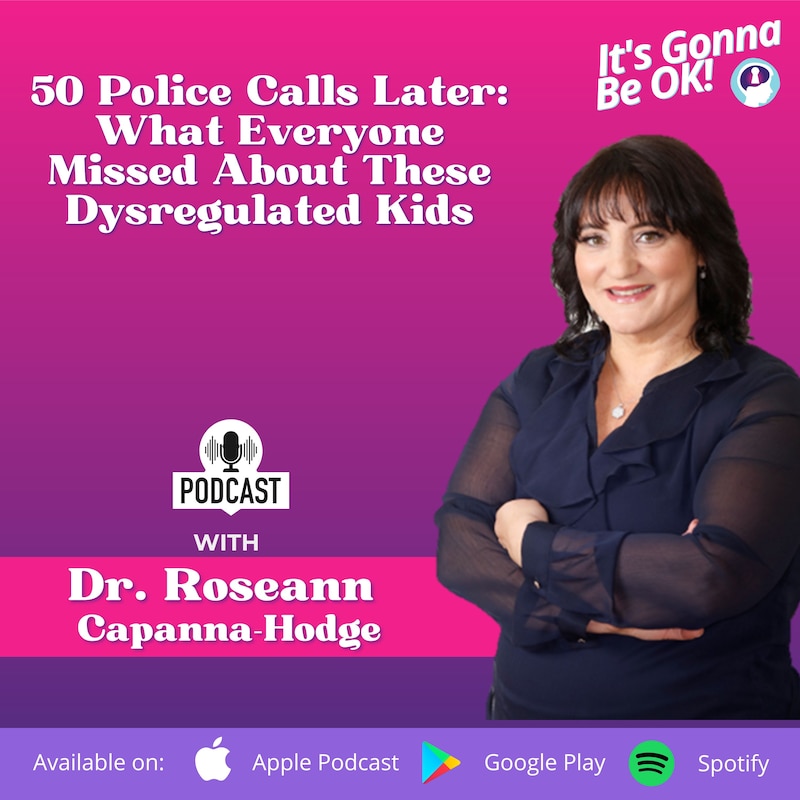
When behavior becomes extreme, parents often fear the worst. But what looks shocking on the surface is usually a nervous system crying out for help. In this episode, I unpack the story of two young boys, ages seven and nine, who ended up walking with a loaded gun after police were called to their home dozens of times. More importantly, we'll explore what this teaches us about dysregulated kids and why behavior is often a sign of nervous system overload, not bad character.
In this episode, you'll learn:
• Why dysregulated kids often react in ways that seem extreme or confusing
• How chronic nervous system overload impacts behavior and decision-making
• Why consequences alone rarely solve serious behavior challenges
• Practical regulation techniques for kids that support lasting change
Why does my child explode over things other kids handle fine?
Children who are dysregulated aren't choosing chaos. Their nervous systems are stuck in survival mode, making it difficult to manage emotions, tolerate frustration, or recover from stress.
Common signs include:
• Intense reactions that don't match the situation
• Difficulty calming down after conflicts
• Emotional volatility and rapid mood shifts
• Impulse control problems that lead to risky choices
In the case of these boys, the gun incident wasn't the first sign something was wrong. The warning signs appeared long before in the form of chronic meltdowns, explosive behavior, and emotional overwhelm.
Behavior is communication. It's not bad behavior. It's a dysregulated brain.
Why doesn't my child understand danger or consequences?
Young children already have immature frontal lobes, which are responsible for judgment, impulse control, and decision-making. When chronic stress, trauma, neurodivergence, poor sleep, or overstimulation are added to the mix, those skills become even harder to access.
What looks like a lack of remorse is often a child whose nervous system is too overwhelmed to think clearly.
Remember:
• It's not bad parenting. It's a dysregulated brain.
• You can't correct until you regulate.
• Calm nervous systems learn. Overwhelmed nervous systems react.
What should happen when schools or police keep getting involved?
Repeated behavioral incidents are often signs that a child needs support, not simply more consequences.
Families may benefit from:
• Trauma-informed and neurological evaluations
• In-home or community support services
• Predictable routines and structure
• Nervous system-focused interventions
When a child is repeatedly sent home, suspended, or involved with law enforcement, it's important to look beyond the behavior and ask what the nervous system is communicating.
If you're feeling overwhelmed, the Regulation Rescue Kit gives you practical scripts and strategies to help you stay grounded and support your child more effectively.
Become a Dysregulation Insider VIP at www.drroseann.com/newsletter and get your free kit today.
How can I help my child feel safer and calmer?
The most effective support starts with creating safety and predictability.
Try these strategies:
• Keep routines consistent
• Reduce unnecessary chaos and screen overstimulation
• Use co-regulation through a calm voice and steady presence
• Focus on connection before correction
These approaches support a nervous system reset for children and help reduce emotional overwhelm over time.
When adults regulate first, children feel safer. That's when learning, connection, and behavior change become possible.
🗣️ “Kids don’t need more punishment. They need calm, the right tools, and real understanding.” — Dr. Roseann
A Better Path Forward Starts with Seeing the Signs
Stories like this remind us why early intervention matters. When we recognize the signs in dysregulated kids, we stop viewing behavior as defiance and start understanding it as a call for support.
With consistency, connection, and effective regulation techniques for kids, meaningful change is possible.
FAQs About Dysregulated Kids
When is it time to seek help?
If meltdowns are frequent, intense, or your child struggles to recover from stress, it's time to seek additional support.
Can things improve after years of chaos?
Yes. The nervous system can change and heal with the right tools and consistent support.
How do I talk to schools or police about my child?
You can say: "My child has nervous system dysregulation. We need support and intervention, not just consequences."
Dr. Roseann Capanna-Hodge helps parents understand emotional dysregulation in children and teaches practical nervous system regulation and co-regulation strategies through her Regulation First Parenting™ approach.