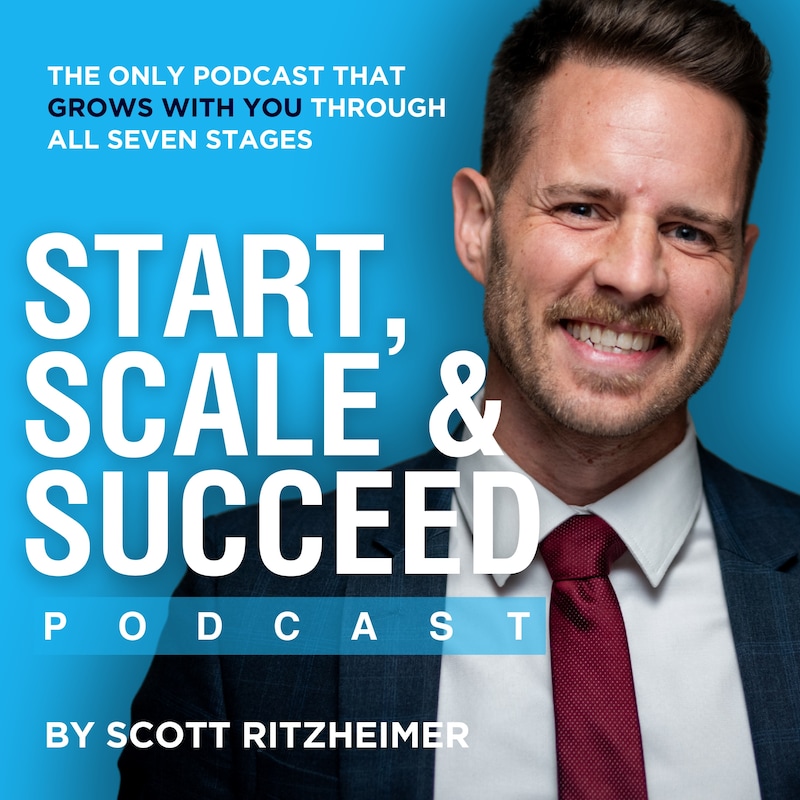
Shownotes
In this explanatory episode, Scott Ritzheimer, Founder of Scale Architects, shares when and why to step down as CEO into level 6 ownership. If you're in stage 5 wondering whether it's time to exit the CEO seat or if you still have more to give, you won't want to miss it.
You will discover:
- Why stepping down too early without a clear vision for what's next usually fails
- How to evaluate if your vision truly requires you to move from CEO to owner.
- What it takes to intentionally prepare a successor while thriving in level 5
This episode is ideal for for Founders, Owners, and CEOs in stages 5,6 of The Founder's Evolution. Not sure which stage you're in? Find out for free in less than 10 minutes at https://www.scalearchitects.com/founders/quiz
Scott helped start nearly 20,000 new businesses and nonprofits and with his business partner started led their multimillion-dollar business through an exceptional and extended growth phase (over 10 years of double-digit growth) all before he turned 35.He founded Scale Architects to help founders and CEOs identify and implement the one essential strategy they need right now to get them on the fast track to Predictable Success.
Want to learn more about Scott Ritzheimer's work at Scale Architects? Check out his website at https://www.scalearchitects.com/
Connect with Scott through his LinkedIn at https://www.linkedin.com/in/scottritzheimer/
Transcripts
Hello, hello, and welcome, welcome once again
Scott Ritzheimer:to the Start, Scale, and Succeed podcast-the only podcast that
Scott Ritzheimer:grows with you through all seven levels of your journey as a
Scott Ritzheimer:founder. I'm your host Scott Ritzheimer, and today we are
Scott Ritzheimer:going to take on the fantasy that pulls founders out of their
Scott Ritzheimer:seat as CEO or CVO too early, and it's this idea, this belief
Scott Ritzheimer:that real freedom means owning and not running. And for some,
Scott Ritzheimer:that's true. For some, it's time, and that means going from
Scott Ritzheimer:level five to level six, and it's going to be beautiful, but
Scott Ritzheimer:for many, that's just not the case. And we need to figure out
Scott Ritzheimer:what the difference is between the two, and that's what we're
Scott Ritzheimer:going to talk about today. Because before you step out,
Scott Ritzheimer:before you step down, before you bring in someone else to take
Scott Ritzheimer:over as CEO or leader of your organization. Organization, you
Scott Ritzheimer:need to make sure that you're doing it because of your vision.
Scott Ritzheimer:Otherwise, you'll end up stepping out, and like plenty of
Scott Ritzheimer:other founders, finding very quickly that you want back in.
Scott Ritzheimer:And boy, can that get ugly! That can hurt a lot for you and
Scott Ritzheimer:others, and we don't want to do that. So, how do we know if it's
Scott Ritzheimer:time to step down? Should you really step down as CEO? Well,
Scott Ritzheimer:if you listen to the previous episode, you'll know one: this
Scott Ritzheimer:is part of a series, and and so you're probably up to date
Scott Ritzheimer:there. If you haven't, and you haven't checked out the first
Scott Ritzheimer:part of this series, you're gonna want to go back and do
Scott Ritzheimer:that. So head down to the show notes and go back to just just
Scott Ritzheimer:episode one of this series, this should you really series, and
Scott Ritzheimer:you'll get a lot of context for what we're talking about here.
Scott Ritzheimer:And when we say things like level five and level six, you'll
Scott Ritzheimer:know what we're talking about. You don't have to watch
Scott Ritzheimer:everything between here and there, so it's not like you have
Scott Ritzheimer:to watch nine episodes. You just go back and watch that one, come
Scott Ritzheimer:back to this. It'll make a ton of sense. So that's the
Scott Ritzheimer:disclaimer. However, if you did happen to watch the previous
Scott Ritzheimer:episode, which some of you might have, or or listen to it, then
Scott Ritzheimer:you'll know that you'll know my two criteria for whether or not
Scott Ritzheimer:a founder should be CEO of their organization, and those criteria
are:one, you have a compelling vision for a better future for
are:your organization. You know where this thing can go, and and
are:that's not inherently true. When you look at folks who are who
are:are leaving their time as as as CEO, they struggle with this.
are:They technology is changing, the industry is changing, and
are:usually for reason number two, which we'll get to in a second,
are:they they just don't see it like they used to. Maybe the the the
are:the challenges of change in the past are getting in the way, or
are:they're just reaching a season as a leader where they've got
are:other things that they want to do, or they they just don't have
are:the energy to pursue it anymore, which is number two, and that
are:is, even if you have a clear vision, you also have to have
are:the energy to do it because this is what a lot of people get
are:wrong about the CEO role. The CEO role is not an own and not
are:run role. The CEO role is a running your organization role.
are:Now it's not managing every single detail. It's leading the
are:executive team, but that's a full time job. It's not even
are:necessarily busy in the busy season. You might be busy in the
are:off season, like GMs are in sports, you might have a
are:different flow, a different schedule, but it's it's a full
are:time job to be a good CEO or chief visionary officer (CVO)
are:for your organization, and that takes a lot of energy. And for a
are:lot of founders who are who'd be listening to this, where this
are:episode applies to them. Let me just say this: this episode
are:applies to founders who are in level five. So that means you
are:already are acting as CEO. What does that mean? It doesn't mean
are:that your business card says CEO.
are:It means that you have other at least one other executive on
are:your leadership team, and you are the chief executive. It
are:means that you have an organization that's big enough
are:to require at least two executives, which is generally
are:going to be somewhere north of 50, and could be up to 1000s.
are:And so it's a big range, but the game is largely the same in that
are:window from a personal standpoint. Point so we're
are:talking about chief executives who have other executives
are:working for them and need other executives because of the size
are:and complexity of their business or nonprofit. We're not talking
are:about disillusioned leaders who just want out because they're
are:tired and they think they're the problem in the organization. We
are:talked about that and it can feel very similar. So, if you're
are:wondering, hey, is this quite a fit, or maybe I don't quite have
are:50 people in the organization, or maybe I'm right at that line,
are:but I'm not quite sure, go back and listen to the episode before
are:this one, and you might find some more answers there. Because
are:this episode that we're talking about right now is really only
are:relevant for those who've gotten past the previous episode,
are:chosen to go past, I should say. And so, what we're talking about
are:are folks who are in the CEO seat. They've been in the CEO
are:seat for a while, usually 510, maybe 20 years, and they're now
are:starting to question what's next, what what comes after
are:this, and they're thinking about an exit. I hear this all the
are:time. I don't want to be doing this when I'm 65 I don't want to
are:be doing this when I'm 70. I don't want to be doing this when
are:I'm 85 Doesn't matter what the number is. It just matters that
are:you don't want to be doing it anymore, and and that's helpful.
are:That's usually where this internal conversation starts,
are:but a really bad reason to leave being in an organization's CEO
are:seat is because you're trying to get away from something, and so
are:the fundamental question here as to whether or not you should
are:step back is less to do with are you tired of what you're doing,
are:even though that's a big part of it. We've already talked about
are:it, but it's actually secondary to what are you going to do
are:next? Because if you're really tired, and so you leave the CEO
are:seat because you're really tired, but you never actually
are:decide what you're going to. You don't actually have a vision for
are:what you're going to do next, and it's not golf gallivanting
are:and grandkids. Like there's a time for that. You'll enjoy
are:that, but that's not a purpose. That's a that's leisure, and and
are:so what has to happen here is you're deciding should I be CEO
are:should I step down you have to decide not should I step down
are:but what am I stepping into you've got to have a vision for
are:the next level you've got to have a vision for level six and
are:the difference between level five and level six is you step
are:from owning and running the business in a kind of singular
are:focus in level five to owning but not running a portfolio,
are:where you might have your business as part of that
are:portfolio, you might sell it, you might have real estate as
are:part of the portfolio, or other businesses as part of the
are:portfolio, or stocks and bonds, or whatever else, NFTs. Does
are:anyone do NFTs now? But where you're not like a day trade
are:investor, but you're a portfolio owner, where your income is not
are:tied to your hours, it's tied to your return on assets. That's
are:what level six looks like. We're not running a bunch of
are:businesses; we're owning a bunch of businesses potentially, and
are:that's actually a really cool place to be when you're ready
are:for that. When the vision that you have can't actually be
are:satisfied by one organization, and or you don't have the energy
are:to to keep this going, and and that's what's going to give you
are:the best step into level six. So before you think about stepping
are:down, what you really want to think about is what you're
are:stepping into, and so let's unpack these two options: either
are:you know stepping down and out, or stepping up and continuing to
are:thrive in level five. Let's start there.
are:Reasons why level five might be the right level for you. One,
are:we've already talked about the prerequisites, but again, this
are:is not like a brand new startup. This is a an established
are:organization, brand new and established, make it sound
are:chronological, which isn't necessarily true. This is a a
are:complex, scaled organization. It needs executives. It needs a
are:competent visionary at the helm. And so, if if you're cool with
are:that, if you're ready to lead a an executive team, if you are
are:ready to entrust them with making decisions with you and
are:for you, as opposed to executing your decisions for you, the way
are:that I like to think about this is this. CEO, especially once
are:they they really transform into the CVO, the Chief Visionary
are:Officer, which is which is a better fit for most founders.
are:CVO is responsible for a couple of things: one, having that
are:vision and the energy to pursue it; two, building the team that
are:can make progress toward that vision. Three, resourcing them
are:effectively and holding them accountable to how they use
are:those resources. And what that looks like in a practical sense
are:is, as CVO, as chief executive, you are largely concerned with
are:doing the things this year that are necessary for next year's
are:success, or the year after that, or 20 years after that, it's a
are:very future-focused role, and so you're working hard in the
are:current, in the present, but not so that you can hit this year's
are:revenue target, that's your executive team's job. Your
are:executive team's job is to hit this year's revenue target, to
are:hit this year's production targets, to hit this year's
are:profit targets. If you have a CEO that works for you, it's
are:their job. If you have a COO, it's their job. If you have an
are:executive team, it's their jobs to to manage all those things.
are:Your job is to make their job of doing all those things next year
are:easier by what you focus on this year, by what you help develop,
are:by how you provoke them to innovate, and how you prepare
are:them for change. And so, if you're ready to focus on next
are:year stuff and you have the energy to do that. That's
are:fantastic. If you can trust your team with leading this year,
are:that's fantastic. If you have a, if you have the ability to
are:attract and retain, to coach, to to coordinate, and I said this
are:earlier, but it's worth repeating. And hold accountable
are:your team of executives. So being CEO really is about how
are:well you lead your executives, and that starts before they
are:start. If you're a really crappy CEO, then great executives
are:aren't going to come and want to work for you, or even if they
are:do, they're going to leave pretty quickly after. So you've
are:got to you've got to attract and retain, and be able to coach and
are:encourage and hold accountable the people who are going to lead
are:your organization to your vision. That's that's really
are:what we're talking about here, you in level five, you have to
are:have the discipline to do what needs to be done for the future
are:of the organization, even though it's not urgent. This is a real
are:challenge for folks that are used to being driven by the
are:urgency of earlier levels. You have to be able to recognize
are:what is important. You have to be able to prioritize in order
are:of importance and not urgency, and you need to be able to self
are:motivate you and motivate your team to do the important things
are:despite all the urgent stuff that you're feeling, or the
are:boredom that you might feel from time to time, and you need to be
are:willing to do all that full time. And so, really, so long as
are:you have that vision and you have the energy to pursue it,
are:and you're willing to develop the skills to see that out, you
are:should stay in that level five seat for as long as you can. Now
are:that doesn't mean that you just assume that you'll be there
are:forever. In fact, the a a a sound move from level five to
are:level six is usually about a three, four, or five year
are:process. It doesn't happen overnight because it takes time
are:to develop the next leader who's going to take over after you,
are:and so you want to stay in that level five.
are:Even if you want to get to level six, you want to stay in level
are:five for as long as you can, so that you can give yourself time
are:to intentionally make progress toward the conditions that are
are:required for a successful move to level six. What are those?
are:You have to. Here's the. I call it the secret of succession, but
are:succession is not about finding someone else to fulfill your
are:vision for the organization. It's about finding someone else
are:that you trust with the vision of the organization, someone you
are:trust to change it, and it's that person that's going to
are:really lead the organization forward, instead of it slowly
are:dying once you're gone. And so you need some time to create
are:that. And if you have that person and you know what you
are:want to go to next, you're an ideal candidate for level six.
are:If. You again have a vision, but it's bigger than what your
are:organization can accomplish, or different from what your
are:organization can accomplish. And you're ready to give that your
are:best energy, then that's a great indication that you might be
are:ready for level six. If you're willing to trade the control of
are:having your hands ultimately on the wheel to the better but
are:harder way to lead by influence, then you might have matured to
are:the point that level six is going to work really well. If
are:you would rather invest in others' dreams than chase your
are:own, right? If you'd rather leverage other people's not just
are:time-you've been doing that for a long time with your
are:employees-but to leverage others' vision, then you you
are:might be ready for level six. If you would rather if you'd rather
are:see someone else's vision come to pass, is what I'm trying to
are:say here. And so, the again, this is this isn't simple. I'm
are:not I'm not trying to oversimplify this for you, but
are:the reality of it is, is you you you need to start with, what
are:does your vision demand? Because your vision is either going to
are:demand that you you really double down and go all in on
are:leading your organization, and in that time finding a great
are:successor to lead it beyond what you can do, or your vision will
are:compel you to jump fully into something else. Now, when I say
are:fully in, fully in in level six does look different. Level six
are:is not a full time job for most people. In it's usually
are:somewhere in the ballpark of 20 to 30 hours. But what level six
are:is is it's highly intentional, and it also requires a great
are:degree of discipline. So, if you have those things, you're ready.
are:You're ready to step down, not because you're running from
are:something, but you're running to something. Then you're likely
are:going to be a great candidate for level six. So that's it.
are:That's how you choose. Do you have a vision for the
are:organization? Do you have the energy to pursue it? If not,
are:then do you have a vision for what's next? If not, then you
are:need to start working on that, and you need to start working on
are:a successor who can take over after you. And as you get those
are:pieces to fall into place, it's going to unlock the ability for
are:you to step out of level five as that chief executive and into
are:level six as the true owner, where you don't have to focus on
are:one organization anymore, but you can shift your focus to
are:many, and it's an immensely rewarding and satisfying season.
are:So that's it. It's the difference between level five
are:CEO, level six owner, and what we're going to talk about next
are:time is a an even blurrier line, if I'm completely frank, but an
are:even more meaningful one, and that is that owner is not the
are:pinnacle. Owner is probably what you've been fighting for for
are:most of your careers, probably as far as your vision has gone
are:to date. But there's actually one step further that you can
are:take if it's right for you. We'll talk about what that is in
are:the next episode and whether or not it's right for you. And
are:until then, know that your time and attention mean the world to
are:us. I hope you got just a little bit more clarity out of this
are:conversation than you had before. And I cannot wait to see
are:you in that next episode. Take care.
are:Hey everyone, Scotty Timer here. Thank you so much for listening
are:to the Start, Scale, and Succeed podcast. I hope this episode
are:gave you exactly what you need for the level you're in right
are:now. If you want to discover what level you're in, take our
are:10 question Founders Evolution Quiz for free at
are:foundersquiz.com. That's foundersquiz.com. It'll pinpoint
are:exactly where you are and give you tailored tips to move
are:forward and reach that next level in your journey as a
are:founder. If you got something out of today's episode, don't
are:forget to subscribe, rate, or review. It helps us reach more
are:founders like you, and let's be honest, it means a ton to me, my
are:team, and all our incredible guests. So keep starting,
are:scaling, and succeeding, and I'll see you in the next
are:episode.