Shownotes
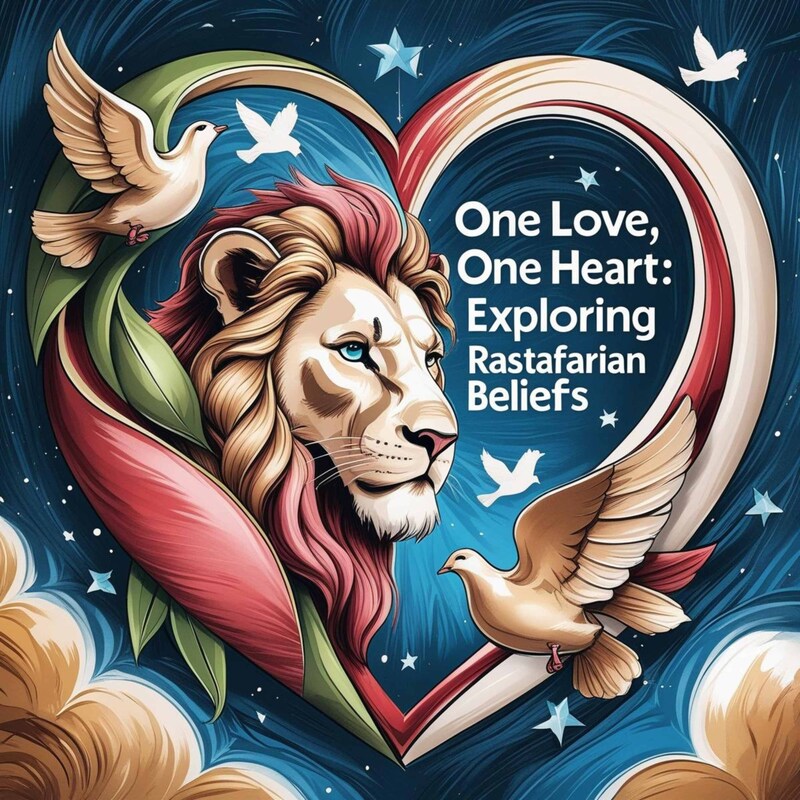
In this vibrant, music-filled episode of Faithfully Explore!, we journey to Jamaica to discover the colors, rhythms, stories, and heart of Rastafari. Kids and families will learn how this movement began, what Rastafarians believe, why dreadlocks are sacred, what “One Love” really means, and how reggae helped spread a message of peace around the world.
From Marcus Garvey’s prophecy to the crowning of Emperor Haile Selassie, from Ital living to joyful drumming gatherings called groundations, this episode weaves together history, storytelling, imagination, movement, and music. Kids ages 5–12 will explore the values of unity, justice, natural living, and respect, and add three new gems to their Belief Backpack.
We’ll imagine attending a groundation under a Jamaican sunset, learn new Rasta expressions like irie, one love, and bless up, and discover how the Friendship Bridge connects Rastafari to other faith traditions around the world. Then we’ll step into a powerful true story: Bob Marley’s 1978 One Love Peace Concert, where one song and one brave moment helped a divided country take a step toward unity.
Plus: A sing-your-values weekly challenge, a One Love Matchup game, and an unforgettable Belief Backpack reflection.
Perfect for families, classrooms, homeschool lessons, and anyone ready to explore with an open heart.
What Kids Will Learn
- Who Marcus Garvey was and why his prophecy mattered
- Why Emperor Haile Selassie is important in Rastafari
- The meaning behind the terms Jah, Zion, and Babylon
- Why Rastas wear dreadlocks and what the Lion of Judah represents
- What Ital eating and “Livity” mean
- How Rastafarian language transforms everyday words into hopeful ones
- The global rise of Reggae and Bob Marley
- What “One Love” truly teaches about unity and respect
Episode Highlights
- Interactive Chant: “When I say ‘Jah,’ you say ‘Rastafari!’”
- Movement Break: Stand tall like a lion—Lion of Judah style
- Guided Imagination: Attend a drum-filled groundation under the Jamaican sunset
- Friendship Bridge: Connecting Rastafari values to Islam, Buddhism, Judaism, Indigenous teachings, and the Bahá’í Faith
- Weekly Challenge: Sing Your Values — write a rhyme or short chant that spreads positivity
- Game Time: One Love Matchup — unity, peace, nature, or heritage?
- Belief Backpack Reflection: Unity, Livity, and Justice
Story of the Week
“Bob Marley and the One Love Peace Concert.”
An inspiring true story of how one song helped bridge political division in Jamaica—and how courage, music, and unity can change hearts.
Try the Weekly Challenge: Sing Your Values!
Write a short rhyme about a value (kindness, unity, courage, honesty) and put it to a simple tune—maybe even a reggae beat. Share it with your family, your class, or during morning meeting time!
Check out the video I made for the challenge here.
Perfect For:
✔ Classrooms learning about world religions
✔ Homeschool cultural units
✔ Social-emotional learning
✔ Music and movement breaks
✔ Diversity, inclusion, and empathy lessons
✔ Families who love learning together
Resources & Extras
🎵 Listen to the original Jah Made Me, Jah Made You song created for this episode — on YouTube and the Faithfully Explore! website.
📄 Download the printable challenge and extend the learning.
📚 Explore the booklist about Rastafari, Jamaica, and unity.
📖 Read Hats Off to Respect: Teaching Kids About Hair and Head Coverings
SKlyJ8o2JuMwGhd0Ic9W
Transcripts
One love, one heart let's get together and feel alright. You know that song, One Love? It's the heart of Rastafari. A powerful way of life that started on the sunny island of Jamaica.
Welcome to Faithfully Explore. I'm Laura, your guide on this adventure into the colors, music and heart of Rastafari. Faithfully explores the name. Learning together is our aim.
Beliefs around the globe will track filling up our belief backpack. Our story begins about 100 years ago on a sunny island called Jamaica. Long ago, Jamaica was ruled by people from faraway Europe.
They brought people from Africa to the island and forced them to work as slaves. Even after slavery ended, life was still very hard for their children and grandchildren.
Imagine feeling like people didn't respect you or believe in you just because of the color of your skin. That would hurt, wouldn't it? But the people of Jamaica didn't give up. They kept their hearts full of hope.
They sang songs, told stories and dreamed about Africa, a place they called Zion. A beautiful homeland where everyone could be free and proud of who they are.
Then came a man named Marcus Garvey, a Jamaican leader who wanted his people to stand tall again. He told them, look to Africa, where a black king shall be crowned. He shall be a redeemer. These words filled people with excitement.
Could it really happen? In:When Jamaicans heard the news, they cheered. Many believed Marcus Garvey's words had come true. They said, this is the king. The sign has come.
They began to see Emperor Hailessie as a special messenger from God, whom they called Jah, bringing light, peace and freedom. Before he was Emperor, Haile Selassie's name was Rastafari Makonaman Ras, meaning prince.
So the people who followed his message proudly called themselves Rastafarians, or People of Rastafari. From that moment, a new movement was born, built on love, respect, and the belief that every person carries divine light inside.
If you hear the name Rastafari, you might also hear people joyfully call out ja. That's a loving, special name for God. Rastafarians believe Jah's spirit lives in everyone.
So when they shout Jah Rastafari, it's like saying, God is here with us. Let's try it together. When I say Ja, you say Rastafari. Ready? Ja. Rastafari. Ja. Rastafari. Awesome.
afarian movement began in the:Groups of Jamaicans started meetings under trees, in homes and in small churches to read the Bible, sing songs and talk about freedom. They felt inspired by the new king of Ethiopia, Haile Selassie, and the hope his crowning brought. These gatherings were filled with joy and dreams.
People talked about reconnecting with Africa, their spiritual homeland. Zion, the beautiful symbol of freedom and peace, a promised land.
They used another word, Babylon, to describe unfair systems like racism and colonial rule that made life hard. Babylon meant the world of an injustice they wanted to rise above. At first, only a few brave teachers shared these ideas.
They told everyone, be proud of your roots. You are children of Africa. Stand tall. Love yourself and love others. But not everyone understood.
Some people in power laughed at or mistreated the early Rastas because they looked and lived differently. Still, the Rastas stayed strong. They kept singing, drumming and praying for a world where all people could live with respect, unity and love.
One big reason, music. In the:People around the world heard these songs about one love, freedom and ja. They started to dance, to think and to feel. To feel the power of peace and unity.
A small island movement born from hope and justice began to touch millions of hearts across the globe.
Today there are Rastafarian communities not only in Jamaica, but also in the United States Kingdom and in African countries like Ethiopia and South Africa. There may be around 1 million rastas in the world, people of all races, all colors and all backgrounds, drawn to the same beautiful message.
We are one family. We are meant to live with love, peace and freedom.
At the center of Rastafari's one loving God, called Jehovah, or Rastafarians believe ja lives within everyone, shining like a spark of divine light. They often say I and I instead of you and I. It's their way of reminding each other, we are one in Ja, all connected, all worthy of love and respect.
This is what they mean by one love. It's the belief that all humans are part of one big family with one heart that beats together. No one is better or lesser. We all belong.
Rastafarians have always spoken out against racism and oppression. They see it as their duty to resist Babylon, which means unfair systems or injustice, and to stand up for love, peace and freedom.
Rastas believe in solving problems through understanding not violence. They say fighting and hate make Babylon stronger. But kindness, music and unity heal the world.
One of the most famous things about Rastafarians is their dreadlocks, long coils of hair that twist and grow naturally. Rastas often let their hair grow without combing or cutting it. And over time, it forms beautiful, strong locks. But here's the important part.
This isn't just a hairstyle for Rastas, their locks are sacred. They believe the Bible teaches not to cut the hair and see their locks as a sign of spiritual strength.
They also represent the lion of Judah, a powerful symbol connected to Emperor Haile Selassie and Ethiopia. Lions are brave, proud and protective. By wearing their hair like a lion's mane, Rastas show pride, courage and love for their African roots.
Their dreadlocks send a message. We don't need to fit in with Babylon's rules. We'll be ourselves, natural and free. Not every Rasta has dreadlock, but many do.
If you've seen someone with locks that reach their shoulders, you know how powerful and majestic it looks. Now let's feel that lion power together. Stand up tall and strong.
Lift your chin, puff out your chest and imagine your hair flowing like a great golden mane. Take a deep breath and give a proud lion roar. That's the spirit of the lion of Judah. Proud, peaceful and full of courage. Lividy is a Rasta word.
It means living full of life, natural, kind and close to Jah or God. Healthy body, peaceful heart, caring community. Many Rastas choose an ital diet, foods that are pure and close to the earth.
Picture crunchy carrots, sunsweet mango, creamy coconut milk, warm yams, juicy tomatoes straight from the garden. Can you name five foods that come straight from the earth? That's eating for liberty. Instead of formal church buildings, Rastas gather for reasoning.
Circle time for all ages, where people offer prayers to shah, read holy scriptures and reason, or talk things through about how to live with love and justice. Anyone can share a thought, sing a song or lead a short prayer. It feels like a family meeting filled with respect.
A special part of many reasoning sessions is the ritual smoking of ganja. Rastafarians consider this a sacred herb they use in a ceremonial way.
Never for kids, and only in small groups to help them meditate and feel closer to xiaomi. It's an important religious practice for some adult Rastas, but not all use it. And they always use ganja respectfully as a spiritual tool.
Many Rastas love living close to nature, planting gardens, cooking fresh meals and choosing natural fibers for clothing. The Style is modest and comfortable. Some women wear long skirts and head wraps.
Some men wear turbans or crocheted caps called tams to tuck in their long locks. Everything says, be authentic, be pure. Be you Rastafari treasures, family and respect.
You'll hear names like brethren, brothers and sisterin, sisters, Elder or Bongo for respected older folks. If your toes start tapping or your body begins to sway when you hear reggae, you're already feeling a little bit of Rastafari.
Reggae was born in Jamaica. It's the island's heartbeat. Music Many reggae songs are more than just music. Their musical prayers for love, unity and justice.
Artists like Bob Marley, Peter Tosh and Bunny Wailer sing about Jaw, Zion and freedom, sending messages of hope all around the world. At big Rasta gatherings called groundations, music plays a special role.
You'll hear the Nyambangi drums, hand drums played in powerful rhythms said to sound like the heartbeat of a people. As the drums beat, Rastas chant praises to Ja voices rising and blending together until everyone feels connected, peaceful and full of one love.
Everywhere you see Rastafari culture, you'll notice bright, joyful colors. Red, gold, green and sometimes black. Each color tells part of the story. Red stands for the blood and bravery of people who fought for freedom.
Gold for spiritual richness, faith and hope. Green celebrates the living land of Africa and new growth. Black honors African heritage and pride. And you'll often spot the lion of Judah too.
A proud golden lion symbol linked to hale, selassie and courage. It reminds Rastas to stand strong and fearless like a lion protecting its pride. Let's talk the Rasta way.
Rastafarian language is super creative, full of positive energy and powerful meanings. A friendly word you might hear is Iri. Say it like I re. Airy means good, excellent and everything's all right. So if someone says, how are you?
A Raster reply would be Iriman, which means I'm good, my friend. We could all use some iri vibes, right? Let's zip that one into our belief. Backpack the word airy. Whenever you're feeling great, just say it out loud.
Rastafarians have a special way of speaking, sometimes called lyric or Rasta talk. They reshape English words to make them more positive and life filled. Words that lift you up instead of bring you down.
We already learned I and I, which means you, me and God all together as one. Here are a few more amazing examples. Overstand instead of understand.
Rastas don't want to be under anything to overstand Something means to know something deeply and wisely. And don't we want to overstand everyone? Livocation instead of dedication. Because dedicate has dead in it. Rastas say livocate to celebrate life.
It's not dedication, it's livocation. And I livocate this episode to you. When they shout ja Rastafari, it's a joyful praise, like saying hallelujah.
Other common greetings include bless up, which means stay blessed, and one love, which means stay united and kind. Rastas believe words have real power. They can build people up, heal hearts and bring joy. They choose words that sound alive, hopeful and strong.
Let's try it. Think of a word that doesn't feel good, like impossible. Can you rastify it? Turn it into something positive and powerful.
Maybe impossible becomes I'm possible. That's the Rasta way, filling language with light, life and love. Imagine with me. Close your eyes if you'd like. Let's make three sounds together.
Say iri. Say bless up. Now thump your hand gently against your chest like a heart beat drum. You're ready for the groundation.
It's a warm evening in the Jamaican countryside. The hills are green, dotted with palm trees. The golden sun dips low, painting the sky orange, pink and purple.
You step barefoot into the grass and are greeted by smiling faces. Brothers and sisters of Rastafari, welcome. Someone says you're just in time. You join a wide circle on the hillside. Listen closely.
The first drum begins. Several Rastas sit together, hands moving over conga drums.
The rhythm grows steady, like a heartbeat that travels through the ground and right into your chest. Other voices join, humming low, then rising in song, chanting ancient Rasta prayers sung to praise Ja.
One voice begins, others answers, softly blending in harmony. You might not know every word, but your heart understands. The music wraps around you like warm sunlight. You feel like you belong.
You notice colors everywhere, red, gold and green in the fading light. The men wear crocheted tams to cover their dreadlocks. Women wear bright scarfs wrapped like crowns. Your whole body starts to move.
The drums get louder, the singing stronger. You join in too. Your voice blends with everyone's, and for a moment, you feel like one big family. Can you feel the drums pulsing through your feet?
Can you see the glowing faces around the firelight? This is lividy, living fully in harmony with nature, people and God.
As the song fades and the drums slow, you whisper a quiet thank you to Ja for this moment of peace, rhythm and unity. Let's cross our friendship bridge.
One of my favorite Parts of exploring beliefs is finding the friendship bridge, the ideas that connect one faith to another like sturdy planks linking hearts across the world. Rastafari has its own beautiful ways like dreadlocks, reggae and itliving. But its values connect with so many others.
Rastas believe all people are one family under Ja. In Islam, the Ummah means one global family of believers. The Baha' I faith teaches the unity of all races and religions no matter what.
We call it one love, peace or brotherhood. It means the same thing. We belong to each other. Rastas greet each other with blessed love and aim to live without violence.
That's a lot like Buddhism's ahimsa or non harming. Across the world, people pray for the same thing. A peaceful, loving world where we all feel alright.
Rasta history rises from the struggle against oppression. Just like Moses leading the Israelites to freedom in the Bible's Exodus story. Different stories, same truth. God stands with the brave and the just.
Rastas honored the earth through iddl living, eating pure foods and caring for creation. Many indigenous Hindu and spiritual traditions share that same teaching that all life is sacred.
Even if one person wears dreadlocks and another wears a turban. Both walk the same bridge built from love, peace, respect and justice. This week's challenge is.
Because we've seen how Rastafarian faith is often expressed through songs, we're going to do something similar.
Your challenge is sing your values, think of a positive value, write a short rhyme about it, put it to a tune, maybe a reggae beat, and share it with your family. The point is to use music to spread a positive message, just like Rastas do. Go ahead and sing your values. Loud and proud.
I've already started this challenge myself and created my own song about One Love for you to check out. You can find it on our website or YouTube channel. It's game time. Welcome to One Love matchup.
I'll read a story or saying and you guess which Rastafarian value it matches. Unity, peace, nature and heritage. Heritage means honoring your family roots and where you come from. Scenario 1.
A group of kids from different countries hold hands and sing a song about friendship. What do you think? Unity, peace, nature or heritage? That's right, unity. Holding hands and singing together is pure one love energy. Scenario 2.
Two friends argue at recess later. One says sorry and they hug it out. Which value fits the this one. You got it. Peace. Saying sorry, forgiving and moving on keeps hearts light.
That's the Rasta way of harmony and respect. Scenario 3. A family plants a veggie garden and thanks the earth for their harvest. Unity, Peace. Nature or heritage? Exactly. Nature. That's Ital.
Living, eating pure, caring for the planet and sharing gratitude for ja's creation. Scenario 4. A girl sits with her grandma looking at old family photos of from Africa. They sing an old song together and she feels proud of her roots.
What's that one? Heritage. Beautiful. Just like Rostas honor Africa and their ancestors. Learning your family story keeps your spirit strong. So how'd you do? Explorers?
If you matched them right up, give yourself a high five. If you learned something new, give yourself a thumbs up.
And remember, in Rastafari, it's not about winning, it's about growing in love and understanding. Say it with me. One love. One Love. What's inside our belief backpack this week? Wow. Unity. Rastafarians believe in One Love.
That everyone on Earth is part of one big family under Jah. Why? Because if Shah lives in everyone, then kindness keeps his light shining. Love and equality make us all stronger. So what now?
Treat everyone like a brother or sister. Stand up for fairness. Say it with me. One love, one heart. Let's get together and feel alright. Wow. Natural living.
Faith isn't just believed, it's lived. Rastas call that livity. Living in harmony with nature and your body and your spirit.
When you eat fresh food, breathe deeply and care for the earth, you're sharing in that same life force. So what now? Pick one. It'll act this week. Eat something fresh, recycle or take a mindful walk outside.
Then you can say, when I live naturally, I shine spiritually. Wow. Pride and justice. From Haile Selassie to Bob Marley, Rastafarians have stood tall against injustice, what they call Babylon. Why?
Being proud of who you are gives you courage to speak up when things aren't fair. So what now? If you see someone being left out or hurt, stand beside them. Now zip up your belief backpack, explorers.
Inside you're carrying three shiny Unity, Natural Living and Justice. Your backpack's not heavier, just fuller. Maybe there's even a little reggae beat inside. Now it's time for my favorite part of the podcast.
It's story time. I wonder what story we're gonna hear today. Gather round, explorers. Tonight's story isn't a legend from long ago.
ve Peace concert. The year is:Two big political groups are fighting Arguments have turned into violence. Friends stop talking. Neighbors stop trusting. It feels like the island's heart is cracking in two.
But there's one person whose voice everyone still listens to. A singer with a warm smile, long dreadlocks and a message called One Love.
That person is Bob Marley, a proud Rastafarian who believes music can move mountains. Bob has been away from Jamaica for a while after surviving an attack for trying to spread peace. Now he's ready to come home, braver than ever.
He announces a huge concert. A night to bring everyone together through reggae, rhythm and hope. They call it the One Love Peace concert.
The National Stadium in Kingston is packed with over 30,000 people. The air feels electric. Strangers standing side by side, swaying together under the stars.
For a moment, it doesn't matter who they vote for or where they live. They're all there for the music. Bob Marley walks on stage. He's calm, glowing, his guitar shining in the lights. The crowd erupts.
He starts singing one of his biggest hits, jamming. The rhythm rolls through the crowd like a heartbeat. Then suddenly, Bob stops the music. The band falls silent.
He steps up to the microphone and says, can we have Mr. Michael Manley and Mr. Edward Sega join me on stage? The crowd. Those are the two rival political leaders, the very people whose parties have been tearing the country apart.
They are both at the concert, but standing on opposite sides of the field. Slowly, they begin to walk towards the Bob Marley. The stadium goes quiet when they reach him.
Bob takes one man's right hand and the other's left and he raises them high above his head. He says into the mic, we're going to show the people that we're going to make it right. We're going to unite One Love. The crowd explodes.
Cheering, clapping, crying. Some are hugging, some are singing. Bob lifts his head, closes his eyes and begins once again. One love, one heart let's get together and feel alright.
And 30,000 voices join in. A stadium turned into one giant choir. For a few shining minutes, Jamaica sings with one voice. Enemies stand shoulder to shoulder. Hope feels real.
The fighting didn't vanish overnight. But Bob Marley lifting those two hands. That moment traveled around the world.
It reminded people that peace doesn't always start in palaces or parliaments. Sometimes it starts with a song and one brave person saying, let's make it right.
You and I might not have a stadium full of people, but we have voices, kindness and courage. We can build bridges in our schools, families and neighborhoods. So take a deep breath, place your hand over your heart and say it with me.
One love, one heart. Let's get together and feel alright. See, I can't even say it. I have to kind of sing it. That is the power of Bob Marley's music.
Today we discovered the heartbeats of Rastafari. One love, liberty, joyful music, bright colors and words that lift.
We danced through a starry groundation, played a one love game and heard how one song once helped a whole nation reach for peace. Maybe at lunch you'll pick an idle snack, greet someone with bless up or start writing your own. Sing your values chant.
That's how the rhythm of the learning keeps playing in you. I'm so proud of you, explorers. Every time you learn about another person's faith or story, your own heart grows and our world grows kinder.
Next time we'll meet the three sisters, Corn, bean and squash, three plants who teach us that when we help each other grow, everyone flourishes. From Laura here at faithfully explore, stay curious, stay kind and one love until we meet again. Ja. Blessings everyone. Faithfully explores about you.
Let's grow kinder together. It's true.
