Shownotes
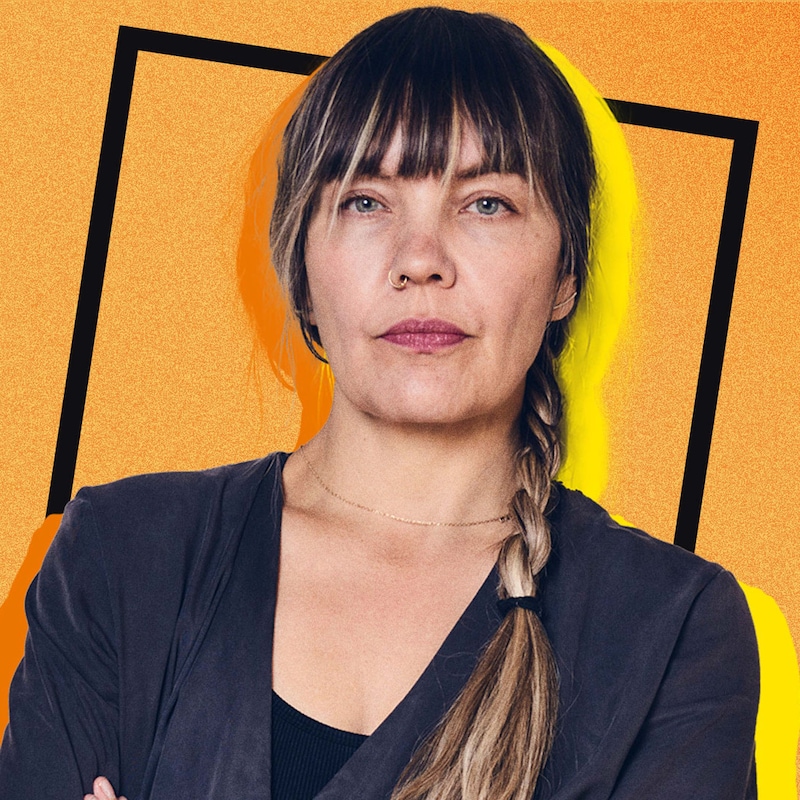
Los Angeles doesn’t do subtle, and neither does Carmen Zella. For over two decades, she’s been yanking art out of the gallery and into the city, mixing it with technology and letting it spill onto LA’s streets.
Carmen leads NOW Art, an agency that fuses art, architecture, technology, and community—sometimes all at once. She also co-founded NXT Art Foundation, the nonprofit arm of NOW Art, with a mission to shake up public spaces and reimagine how we experience the city together. The goal: break art out of the museum and let it breathe in LA’s neighborhoods.
She’s collaborated with artists like Refik Anadol and Nancy Baker Cahill, launched citywide experiments like Luminex and Attune, and found ways to connect artists, neighbors, and city officials who might never have crossed paths. If you’ve ever paused on a sidewalk in LA, caught off guard by a burst of color or light, chances are Carmen had a hand in it.
In our conversation, Carmen talks about what’s shifting in LA’s art scene, what makes public art both a thrill and a grind, and why cities need to stop micromanaging artists.
Transcripts
The Not Real Art Podcast is intended for creative audiences only.
Speaker A:The Not Real Art Podcast celebrates creativity and creative culture worldwide.
Speaker A:It contains material that is fresh, fun and inspiring and is not suitable for boring old art snobs.
Speaker A:Now let's get started and enjoy the show.
Speaker B:Greetings and salutations, my creative brothers and sisters.
Speaker B:Welcome to Not Real Art, the podcast where we talk to the world's most creative people.
Speaker B:I am your host.
Speaker B:Faithful, trusty, loyal, tireless, relentless host.
Speaker B:Sourdough coming at you from Crew West Studio in Los Angeles.
Speaker B:Man, do we have a great show for you today.
Speaker B:A real VIP in the art world.
Speaker B:The one and only Carmen Zella.
Speaker B:Carmen Zella is the owner and Chief Curator of Now Art, a creative public art agency and co founder of Next Art Foundation.
Speaker B:That's next in XT Art Foundation, a 501c3 organization dedicated to activating, inspiring and advocating for public art that advances creative expression, strengthens communities and fosters meaningful cultural dialogue.
Speaker B:Carmen is at the forefront of democratizing and redefining public art.
Speaker B:She's based here in la.
Speaker B:She's a creative thought leader and renowned curator and cultural producer whose work bridges art, architecture, technology and community.
Speaker B:Her progressive approach champions collaborations with emerging and international acclaimed artists including Rafiq Anadol and Nancy Baker Cahill, creating works that reflect both the spirit of their time and the cultural pulse of the communities they serve.
Speaker B:Zella's visionary project Luminex here in LA earned a Best of the City award and led to her TEDx talk the Healing Power of Public Art.
Speaker B:The site specific immersive outdoor digital art exhibition embodies her mission to bring art beyond museum walls and into the public realm where it can be experienced freely and collectively.
Speaker B: th edition in this October in: Speaker B:Her newest project, attune, launched on February 14 this year as a synchronized light and sound art experience unfolding across multiple locations throughout LA county, further advancing her vision of art as a connective force across distance and place.
Speaker B:So this is a fantastic conversation.
Speaker B:I'm so grateful that Carmen took time out of her busy schedule to come on the show and chop it up with me.
Speaker B:So without further ado, let's get into this fantastic conversation I had with the one and only Carmen Zella.
Speaker C:Carmen Zella, welcome to the show.
Speaker D:Thank you for having me.
Speaker C:I'm so glad you're here.
Speaker C:I know we've had a bit of an adventure coming together and you drove all the way up from Laguna beach to sunny.
Speaker C:Well, sunny Laguna beach all the way to sunny LA Hollywood there.
Speaker C:Yeah, thank you for that.
Speaker D:Yeah, yeah.
Speaker D:Actually traffic was not so bad.
Speaker C:Good.
Speaker C:For once.
Speaker D:Knock on wood.
Speaker D:I know.
Speaker C:Now you tell me how long you've been in Laguna beach now it's going.
Speaker D:To be like four years, five years.
Speaker C:Okay, okay.
Speaker C:So obviously so much of your work has been, you know, here in la, city of still.
Speaker C:What's it like working from afar now?
Speaker D:Well, you know, when you're doing public art projects, you don't need to be on site every single day.
Speaker D:So yeah, it's been, it's been really nice because, you know, I think, you know, with events coming up in Los Angeles and you know, I think of things more county wide at this point than I do necessarily like specifically in Los Angeles.
Speaker D:And so as you know, my organization and, and myself have grown, you know, we're like expanding to, to different areas of the city.
Speaker D:But I've always, you know, I'm not really like from Laguna Beach.
Speaker D:I'm very, I'm very Los Angeles based.
Speaker C:Yes.
Speaker C:City girl.
Speaker D:Yeah, I am.
Speaker D:And I just, and, and just watching, you know, I've been here now for 22 years, so just seeing the way that the city has evolved, like, you know, I mean, we've been around for.
Speaker C:A long time time, 25 years for me, but yeah, yeah.
Speaker D:And so, and our careers have been evolving, you know, in so many different ways and it's really cool to see how the scene changed, you know, who's coming in and you know, how like our arts and culture ecosystem here has been developing and it's really, really exciting.
Speaker C:And you, you know, you're so humble.
Speaker C:I mean, I can brag on you.
Speaker C:I mean, I would argue that a lot of that positive change and evolution here in the city, certainly vis a vis public art, is, can be credited to your good work and your vision and your innovation.
Speaker C:And so many of your projects have been so kind of groundbreaking and exciting for the city and for the citizens and you continue to do that.
Speaker C:And so so much of your growth professionally, certainly personally, but you know, in terms of just culturally here in la, thank you for, for all that hard, good, hard work for the folks who don't know, you know, let's take a step back and tell me in your own words about Now Art and NextArt.
Speaker D:Yeah, so when I first started, you know, in public art, it was really out of a love and a passion for interdisciplinary, you know, ways that, you know, arts can communicate.
Speaker D:That's outside of the institutional setting.
Speaker C:Yes.
Speaker D:And accessibility has always been like a huge thing for me, but also like in looking at like how artistic disciplines can grow and evolve.
Speaker D:And so, you know, that's what really drew me to the street art movement.
Speaker D:I found it was so punk rock and revolutionary at the time that, you know, artists were like taking it, taking the reins and saying, you know, this is my expression, which really evolved out of the graffiti scene.
Speaker D:And so it was a really like fun moment for me aesthetically.
Speaker D:I was more sort of still drawn to works that had, you know, a conceptual base.
Speaker C:Yes.
Speaker D:And I really loved the idea of bringing in curation into like the, the picture, whatever that looked like, and just creating these layers of, of meaning.
Speaker D:And so my former organization, you know, segued into now art.
Speaker D:I was in the south park area and working, you know, on several projects in that particular community.
Speaker D:And there was a gallery there called Pyo that was run by Heidi Chang and really had influence in is a very prestigious blue chip gallery in Seoul, Korea to this day, but had this sort of this Los Angeles location.
Speaker D:And I went into Heidi's gallery and I said, you know, I, I want there to be more of an emphasis, like a cross section with like blue chip artists, high end artists, museum quality work with public art, you know, and, and within the public art space.
Speaker D:And her and I just got along like a house on fire.
Speaker D:And so now we have a creative space that's actually like a large space at the Metropolis Loft still in the south park area, just at the Indigo Hotel.
Speaker D:And so our relationship formed Nextart Foundation.
Speaker D:And so Nextart foundation actually started off as a 501C3.
Speaker D:And as we started to get in more commercial work with cbre, with Walmart, with, you know, corporations, we made the LLC so that we could also, you know, grow in that aspect.
Speaker D:And then what happened was that the LLC and some of these larger projects started to feed into funding the foundation.
Speaker D:Full disclosure, like money and development has never really been like my strong suit.
Speaker D:My strong suit is a visionary and a dreamer and you know, somehow how things have been able to happen and it's really been because of great relationships in kind sponsorships and that kind of thing.
Speaker D:But truth be told, I have really like, I feel like Los Angeles is really has the potential to be a trailblazing still in the realm of public art.
Speaker D:And we need to fund organizations more and not just have them be, you know, tax havens, but like really get behind people that are looking to push the envelope forward and do it in collaboration with, you know, museums, with Other, you know, as a collaborative whole.
Speaker D:Because Los Angeles needs it, our public needs it.
Speaker D:And in a location like this where there's a lot of distractions with like really cool bands that are playing and you know, there's great places to go out and eat and there's just, it's a city that has this like cornucopia of possibility.
Speaker C:Yes.
Speaker D:We still need to serve in the public art space and bring people towards arts and culture because when institutions and museums are free, not everyone feels welcome there.
Speaker D:They should.
Speaker D:Our museums are fantastic and they're great and they do such a great job of programming for all different types of demographics.
Speaker D:But I feel like we also need to be able to take those exhibitions and the artists who are creating those exhibitions and give them a location to express themselves in a public realm in spaces that are less traditional, you know.
Speaker D:And so I'm excited about the future.
Speaker D:You know, there's Dataland, you know, my friend Rafiq Anadal's museum is coming online.
Speaker D:There's really, you know, there continues to be really cool projects that are still coming out that are pushing us, you know, as like a trailblazer because we've got such a huge arts community.
Speaker D:But still, how does that, how does that translate into architecture?
Speaker D:How does that translate into people's experience as they're moving through the city?
Speaker D:You know, some of those, those things still need to be resolved.
Speaker D:So the organization is really like working on a few different levels.
Speaker D:Consultation is one of them.
Speaker D:But.
Speaker D:But yeah, the next start is really where we have our incubator of experimentation for projects.
Speaker D:Leica Tune was a big experimental project and nextart is, is positioned to be that incubator that, that space where, you know, people that are creative are like what if.
Speaker D:And then it gets realized.
Speaker D:Right, right.
Speaker C:That's great.
Speaker C:So the for profit now our agency is more of a consultancy and working with organizations to help, you know, facilitate their activations or programs or interior design,.
Speaker D:Courtyard projects, you know.
Speaker D:Percent for art projects.
Speaker D:You know, with Walmart we did like the, they wanted to do community murals in every Walmart location.
Speaker D: So we did like: Speaker D:So we, we do a lot of the facilitation of, of those, those types of projects which still have all of our, you know, ethics and our, you know, nuances and the way that we look at things.
Speaker D:You know, we did the offices, the corporate offices of cbre.
Speaker D:We've done, you know, diffco.
Speaker D:We've done a lot of Those kinds of projects.
Speaker D:But when we, you know, instead of, you know, us sort of like lining our pockets and going and getting like a big brick and mortar, we take those additional funds and we help to seed ideas and, you know, feed our ecosystem of our artist economy.
Speaker D:And that's how we've been able to like continue pushing, you know.
Speaker C:That's great.
Speaker C:That's great.
Speaker C:And then when a Walmart calls like that, are they, are you calling them.
Speaker B:Or are they calling you?
Speaker D:They were calling us.
Speaker C:Great.
Speaker D:Yeah.
Speaker C:And reputation precedes you now and.
Speaker D:Yeah, thank you.
Speaker D:Yeah, yeah.
Speaker D:And I think, you know, it's just a lot of these things are, are relationship based, you know, as, as we all know, you know, and, and so, you know, we've, we've been privileged enough to like, been able to position award winning projects with developers across the county and work with amazing firms.
Speaker D:And I sit on the board of Downtown Works, which is a division of the Central city association, their 501c3.
Speaker D:And so I'm in conversations all the time with people that are a lot smarter than me in business.
Speaker D:And through organizations like Bizfed and all of these different organizations that we sit on uli, we're able to understand what the conversations are from developers, from urban planners, from businesses perspectives that are also a really important part of our economy and our ecosystem and culture of Los Angeles.
Speaker D:And then, you know, support and feed in with where we see, you know, our very, very, very important sector of arts and culture, how, you know, how they're sitting at the table, you know, voice our opinion about potentially how things should be, you know, and sometimes it lands, and sometimes, you know, it doesn't land.
Speaker D:But we've got some really exciting conversations on the table right now.
Speaker D:And you know, our relationship with the city of Santa Monica is growing, with Culver City, is growing, with Long beach, is really phenomenal.
Speaker D:So, you know, it's, you know, as is all things, one feeds into the other.
Speaker D:And so even, you know, artists that are living in one part of Los Angeles, you know, know, they should have opportunities throughout the county, you know, and when we talk with LA28 and you know, understand a little bit more about the Cultural Olympiad and, you know, try to unpack that because it's been really challenging for all of us to really understand what's happening there.
Speaker D:You know, we can ask the hard questions and, and their promise is to support all of the artist initiatives, specifically from artists that are from Los Angeles.
Speaker D:And when I say support, I mean endorse, I don't mean financially.
Speaker D:Support.
Speaker D:But it's gonna be interesting.
Speaker D:Cause the Olympics was such a big moment for arts and culture in Los angeles in the 80s.
Speaker D:It's what, you know, created the LA Opera.
Speaker D:It's what created a lot of our, you know, existing institutions and.
Speaker D:And buildings that those institutions exist in.
Speaker D:And so I do think it would be a big miss at a moment in arts and culture when our organizations really do need a lift.
Speaker D:Yes, that.
Speaker D:That they would be looked over.
Speaker D:That, you know, not just the artists, but the organizations as well.
Speaker C:Right, right.
Speaker D:You know, because there's phenomenal organizations that exist in.
Speaker D:In our ecosystem, too.
Speaker C:Yeah, that's so true.
Speaker C:Yeah.
Speaker C:You know, you hit on so many things.
Speaker C:You know, this idea of accessibility, this idea of democratization.
Speaker C:I mean, that's one of the things I think that you and I have always shared is just the values.
Speaker C:Shared set of values around the importance of democratizing art and making it accessible, taking it out of traditional spaces which, you know, serve their purpose.
Speaker C:Serves a purpose, Important purpose to serve, but also sometimes sends maybe the signal that, you know, real art is, you know, meant to be in a museum or a gallery.
Speaker C:And public art, of course, challenges that assumption and opens people's minds and expands their consciousness around, like, oh, this is art.
Speaker C:This.
Speaker C:And yes, yes, activating the sirens around town, you know, meant for nuclear fallout in the.
Speaker C:In the service of art is indeed art.
Speaker C:And so, you know, the.
Speaker C:The work that now and.
Speaker C:And next is doing to expand people's understanding, consciousness about what art is or can be is such important work.
Speaker C:And just this idea of this integration of all these various stakeholders coming together and saying, like, oh, we can activate this space.
Speaker C:We can incorporate or integrate this into this development.
Speaker C:And I don't know, there's a synthesis happening.
Speaker C:It feels like.
Speaker C:It feels like we've been in this renaissance in many ways over the last 20 years.
Speaker D:There's so much more work to do, though, because I feel like things are happening at a snail's pace.
Speaker D:And like, you know, when we first started doing murals, right.
Speaker D:Like the first one that I did with Bryson Strauss a million years ago on Main street with.
Speaker D:What was his name again?
Speaker D:The artist from.
Speaker D:He was from Brazil.
Speaker D:And it was like the arm.
Speaker D:He was like the jester with his arm cut off and the birds flying.
Speaker D:It was.
Speaker D:Yeah.
Speaker C:Oh, boy, I can't remember my memory ethos.
Speaker C:I can't remember now.
Speaker D:Yeah.
Speaker D:Where's our.
Speaker D:Where's our chat?
Speaker D:GPT.
Speaker C:Yeah.
Speaker D:Right.
Speaker D:Anyway, so that, you know, from that moment, it was really like, what is.
Speaker D:So, you know, When I think back on.
Speaker D:God, I don't even remember what year it was.
Speaker D:Ryson and I.
Speaker D:And I. I can't.
Speaker D:We were in these conversations with the city of Los Angeles about, like, why don't we do the first mural festival?
Speaker D:Right?
Speaker D:And we called it, like, urban art.
Speaker D:Something.
Speaker B:Yeah.
Speaker D:And the city was like.
Speaker D:And we were like, we could do murals in a walkable location, and we'll have, like, it had never.
Speaker D:It had never been done before.
Speaker C:Right, right, right.
Speaker D:And so now every city.
Speaker D:Yeah, that's like a mural.
Speaker C:Exactly.
Speaker D:Walk.
Speaker D: d Luminex and during COVID in: Speaker D:And it's like, why don't we do, like, a projection art festival?
Speaker D:And there was, like, maybe like, one or two internationally.
Speaker D:Right.
Speaker D:That had happened.
Speaker D:And I was like, well, I don't want to do a light festival, like, glow and whatever, like those.
Speaker D:I don't want to do a light festival.
Speaker D:I want to do, like, a really interdisciplinary video art exhibition where it's like, you're taking the medium of video and you're looking at buildings and you're creating an installation space where there's, like, storytelling and dance and, like, text and, like, really.
Speaker D:So we did, like, really architectural pieces with, like, waterfall falling off of the middle of a building that looks like a canyon and, you know, that people could exist under, and people were ripping their masks off and, like, dancing in the waterfall.
Speaker D:And just like, all this stuff was happening.
Speaker C:Beautiful.
Speaker D:So it was like, you know, how can we push the medium of video into making, like, interdisciplinary, like, you know, and obviously immersive spaces had been existing, but, like, how can we make that really site specific and integrated in a way that's, like, unique in this kind of environment as a walkable thing?
Speaker D:So it's like, what's our next moment with public art?
Speaker D:And I really feel like our next moment with public art is.
Speaker D:Is.
Speaker D:Hasn't really been realized yet.
Speaker D:And that's what I love about Los Angeles.
Speaker D:And I feel like the artists that are here are very, like, pushing the.
Speaker D:Pushing the envelope.
Speaker D:So why are we not giving them access and better space to be able to have that level of experimentation?
Speaker D:Why is there, you know, the collaborations between, you know, our Netflix and our this and that, being able to, like, create incubator spaces in the public realm with the artists in designated locations that they can really, like, craft and play in?
Speaker C:Yes.
Speaker D:You know, as part of our ecosystem here, that is, like, in these, like, you know, underused spaces.
Speaker D:If we look at all the underused spaces in the city, you know, and we're like, oh, well, all these commercial spaces are, like, dried up on Melrose or, like, Third Street Promenade or whatever.
Speaker D:And it's like, that doesn't make sense to me when artists are still trying to, like, figure out, like, how they can get their work exposed.
Speaker D:Okay.
Speaker D:So you've got a lack of exposure, a lack of public accessibility, lots of red tape, and underused spaces that are now sanctuaries for, you know, crime or houselessness or, you know, vandalism or whatever.
Speaker D:Like, there's some disconnect that's happening there.
Speaker D:Like, why is there disconnect?
Speaker D:And so the voices of, you know, trying to, like, make these connections is really an important, important part of what I try to do.
Speaker C:Yeah.
Speaker D:You know, and it.
Speaker D:I can't do it alone.
Speaker D:So it's sort of like in these kinds of.
Speaker D:I. I love collaboration.
Speaker D:I love connection.
Speaker D:I love learning about other organizations, because I don't feel an air of competitiveness.
Speaker D:I feel an air of, aha, great.
Speaker D:Let's do it together.
Speaker D:You know, like, why.
Speaker D:Why am here and you're over here.
Speaker D:Like, we can do this together.
Speaker D:There is so much potential of what we can create when we, you know, drop the ego and really, you know, which, to be quite honest, has been one of the most rewarding parts of being in Los Angeles for as long as I've been.
Speaker D:It's like if you have ADD and if you're like, you know, like Sagittarius, if you're, you know, whatever, a creative spirit.
Speaker D:And when between the ages of, like, 16 to 21, I lived in five different countries, like, it was, you know, like, I was on the move.
Speaker D:And then I went to Montreal, like, did interdisciplinary fine art.
Speaker D:And then I landed in Los Angeles, and it was a wrap because I felt a.
Speaker D:The people here were extremely creative.
Speaker C:Open.
Speaker D:Open.
Speaker D:And so nice.
Speaker C:Yeah.
Speaker D:And so cool.
Speaker C:Yeah, yeah, yeah.
Speaker D:You know, and I'm Canadian, and I was like, these people are really nice.
Speaker D:Like, they're authentically nice, you know.
Speaker C:Nice.
Speaker C:Yeah.
Speaker D:And, yeah, I mean, you know, I just felt like there was just a spirit of, like, yeah, let's do this.
Speaker D:Or, like, you know, enough.
Speaker C:Yeah.
Speaker C:And that's the challenge, right.
Speaker C:In terms of being a creative, professional artist.
Speaker C:You know, we want to say yes to everything.
Speaker C:Right.
Speaker C:And, you know, and.
Speaker C:And you can't.
Speaker C:Right.
Speaker C:Because we have 24, 7, 365.
Speaker C:So you got to pick our, you know, make our choices.
Speaker C:But, yes, everybody.
Speaker C:And that's been a blessing and a curse here in LA because, you know, it's like, everybody's down, like, let's do something.
Speaker C:And.
Speaker C:And.
Speaker C:And.
Speaker C:And then everybody's so nice as well.
Speaker C:Fun fact.
Speaker C:I didn't know you lived in so many countries.
Speaker C:That's fantastic.
Speaker D:Yeah, I was, you know, I. I moved to, like, I had my first apartment at the age of 16, and then I moved to Vancouver, and then I was like, you know what?
Speaker D:Like, I. I really want to go and check out the Middle East.
Speaker D:And then from there it was, like, crazy because then I was like.
Speaker D:And then I ended up in England.
Speaker D:That was the last place that I lived.
Speaker D:And, yeah, I mean, it was a wild ride, but I was like, you know, in places for, like, eight months, you know, nine months.
Speaker D:And I would work there and, you know, under the table and do my thing, and it was.
Speaker D:It was great.
Speaker C:But under the table, waiting tables.
Speaker D:Totally.
Speaker D:Like, I did a lot of things, but, you know, most of them were legal.
Speaker D:But, yeah, it was.
Speaker D:It was really fun.
Speaker D:Yeah.
Speaker D:So.
Speaker D:And I just had that spirit of, like, you know, I was like.
Speaker D:I was like.
Speaker D:Like, just eating up experiences.
Speaker D:I was just like, oh, man.
Speaker D:Like, and I would journal everything.
Speaker D:I, like, have.
Speaker D:Like, I kept all my journals and I was like, okay, now that AI is a thing.
Speaker D:Maybe I could just photograph the pages and have it.
Speaker C:Yeah.
Speaker D:Written out or something like that, because it was just.
Speaker D:Yeah.
Speaker D:I journaled everything, you know, and that's the problem with being creative, is that you don't want to.
Speaker D:Definitely.
Speaker D:I'm not a hoarder.
Speaker D:I'm, like, the opposite of that.
Speaker D:However, there's really weird things that I hang on to on the same way.
Speaker C:I could be very sentimental.
Speaker D:Yeah.
Speaker C:Like, I'm happy to chuck things away.
Speaker C:I don't like, you know.
Speaker D:Yeah.
Speaker D:Minimalist.
Speaker C:But there are.
Speaker C:But there are so many.
Speaker C:It went.
Speaker C:God forbid I drop dead tomorrow or today.
Speaker C:My kids go through my stuffing be.
Speaker C:Why is he.
Speaker C:Why does he.
Speaker C:Why did he save this bottle cap?
Speaker C:Exactly.
Speaker D:Exactly.
Speaker D:I have these, like, I have my.
Speaker D:My very first.
Speaker D:When I.
Speaker D:When I was like, I still have my very first braids that my mom cut from my hair.
Speaker D:Like, my.
Speaker D:My hair, which is really crazy.
Speaker D:You know, I have, like.
Speaker D:You know, I have, like, six trunks that just have, like, the most random stuff in it.
Speaker D:Right.
Speaker D:And before I had my daughter, I was really, like.
Speaker D:I lived at the Brewery Arts Complex.
Speaker C:Oh, yeah, I remember.
Speaker D:And before I lived there, I lived at the Santa Fe Arts Complex.
Speaker D:My next door Neighbors was Lynn Farr, who was the producer of the Love Boat, the Bob Newhart show and all of it.
Speaker D:Oh, yeah, she.
Speaker D:She is.
Speaker D:She lives in Hawaii now.
Speaker D:Amazing woman.
Speaker D:And.
Speaker D:And her partner, Shingo Honda was a painter and they'd met at the Zen temple in downtown.
Speaker D:And so, you know, he was a Zen Buddhist priest and a painter.
Speaker D:And she, you know, had this amazing voice.
Speaker D:She was like a blues singer at one point.
Speaker D:Like leg model, like, amazing woman.
Speaker D:And when they moved to Hawaii, Lynn brought all of their stuff out on in the middle of the courtyard at Santa Fe and said, you know, pay what you want, take what you want and just left it there, right?
Speaker D:And I was like, oh, okay.
Speaker D:Right.
Speaker D:We used to.
Speaker D:We had like a shared garden.
Speaker D:You know, I garden on my side, she'd garden on her side, and we'd drink wine and like hang out together.
Speaker C:Love that.
Speaker D:And smoke cigarettes and just, you know, chit chat when smoking cigarettes was a thing.
Speaker D:So, yeah, anyway, I looked through the stuff that she was Take whatever, and there was like, pictures of her grandma, like all this sentimental stuff.
Speaker D:And I was like, Lynn, why?
Speaker C:Yeah, what's going on?
Speaker D:Why?
Speaker D:Yeah, so I kept it.
Speaker D:I was like, you don't want to give this away.
Speaker D:And she's like, take it if you want, Carmen.
Speaker D:But she's like, you know, and none of it matters.
Speaker D:Like, nothing.
Speaker D:Like, nothing like this matters.
Speaker D:And it really floored me.
Speaker D:Like, I had to sit with that for two days.
Speaker D:I don't know why, it just hit me sideways so hard, right?
Speaker D:And I started thinking, like, nothing.
Speaker D:None of it matters.
Speaker D:And then I started thinking, nothing that I'm making as an artist matters.
Speaker D:So then I went through all my artwork, all my paintings, God, like, everything.
Speaker D:And I threw it all out.
Speaker C:Okay, this.
Speaker C:This conversation is taking a very different turn.
Speaker C:I mean, this is shocking to me.
Speaker D:It all went.
Speaker D:It all went.
Speaker D:And I was like, how can you.
Speaker D:Because at that moment I was like, nothing that I'm creating and my voice, like, really is worth, like, foreverness.
Speaker D:Like, what is it that we're creating in this world right now as people, as artists, as creators that deserves to be preserved?
Speaker D:And you're giving that to, you know, your.
Speaker D:For the test of time.
Speaker C:So I have to ask this question, but I have to ask this question, and maybe you ask this, you know, this question to your friend.
Speaker C:You know, if.
Speaker C:If.
Speaker C:Okay, if none of.
Speaker C:If this doesn't matter and these very personal artifacts, you know, if the art we make doesn't matter, like, what the matters.
Speaker D:I know, I know.
Speaker C:I Mean, I get the whole, like, Zen detachment, you know, kind of thing, and I'm a big fan of that.
Speaker C:And I try to detach and, you know, myself from all kinds of stuff.
Speaker B:But what.
Speaker C:What should we attach to?
Speaker C:What does matter?
Speaker C:And I would have thought that the art we make matters, but maybe not now.
Speaker C:Certainly the ephemeral nature of art is big part of the experience many of the time, and that baked in or whatever.
Speaker C:But.
Speaker C:But yeah, I'm just trying to think, like, could I take my photo?
Speaker C:Like.
Speaker C:Like, not to make this about me, but it's like I have all these photo out.
Speaker C:Like, I got a camera when I was 12, 30, like, SLR Yashika, you know, went to Kmart and I had it on layaway.
Speaker C:My little mowing my money for mowing lawns.
Speaker C:And eventually I got this camera.
Speaker C:And from 13 till about 25, my life's very well documented, funnily enough.
Speaker C:And I have these photo albums which, you know, will probably end up in some landfill somewhere because, you know, maybe my kids won't know what they are, give a.
Speaker C:Or whatever, but at the end of the day, to me, they are so important.
Speaker D:Yeah.
Speaker C:And if the house was on fire, besides, my kids, they'd be like, grad.
Speaker C:Grab those things.
Speaker D:Well, remember how I said that I have, like, five trunks that have, like, really.
Speaker D:That I can't.
Speaker D:So I still have those five trunks.
Speaker D:Like, my moment with Lynn's taking her pieces, which I also eventually threw them out.
Speaker D:And me throwing out my paintings was this moment of, like, confusion, realization, and questioning.
Speaker D:Like, really, like questioning.
Speaker D:And so from that moment on when I started to create work, I always think about that.
Speaker D:I always think about, like, who am I making it for?
Speaker D:Yeah, like, what is the purpose of this?
Speaker D:And certainly my comment was to say, like, that was my moment and my reaction.
Speaker D:And I threw all my paintings away at that moment because it really stumped me.
Speaker D:And I, like, did that huge cathartic thing.
Speaker D:But I do think about that.
Speaker D:Right?
Speaker D:And so public art space, to bring it back to that questioning.
Speaker D:You know, when you're doing a percent for art project, they say, you know, you have to do something that's permanent.
Speaker D:And then they've defined that permanency.
Speaker D:Sometimes it's like 50 years.
Speaker D:But it's a really bizarre thing to think about, Scott, because we're making things or we're creating things, you know, artworks that are supposed to stand the test of time.
Speaker D:So I love the space of how public art is evolving into the creation of a lot of temporary artworks.
Speaker D:Because they're part of a fluid conversation that is very meaningful.
Speaker D:But if you talk to, you know, the Department of Cultural affairs or you know, some of these corporations that have legacy public art pieces, the storage and the cumbersomeness of the maintenance of those works is also a thing.
Speaker C:Yes, the cost.
Speaker D:So I really think it's something.
Speaker D:It's really something that we have to address as artists, as creators, as creatives.
Speaker D:You could do one extreme, like the Linfar extreme, which is like, you really take nothing and it's all Zen and it's all like a part of our, you know, our moment in time and we should keep it as such and very ephemeral.
Speaker D:And then you create these monument projects.
Speaker D:But whenever we're creating something, we have to think about the impact of those materials, like the.
Speaker D:What should be in perpetuity, the people that it's addressing, and really the maintenance of those projects.
Speaker D:And so that's why, you know, in.
Speaker D:In aspects of like creating art as light or creating sound art or some of these ephemeral like it, there is really, there should really be space for those kinds of projects.
Speaker D:And one of the initiatives that I have with Percent for Art is what if you are a developer and you, you know, have to do, you know, a percent for art project or you pay the in lieu fee.
Speaker D:What if it was accepted that you created space for public art to exist instead of actually creating the work itself?
Speaker D:And if all of these developers use that money to create space and put those funds into a fluid project budget, programming budget, we would at that point be able to say, oh, I want to do, you know, like a mural festival.
Speaker D:And you'd have space to do it.
Speaker D:And you could create mural flage works that were there temporarily or I'm going to do a dance project.
Speaker D:You'd have all of the space to do it.
Speaker D:And there could be these like storytelling conversations and these fluid conversations rather than us thinking about this antiquated way of what public art is.
Speaker D:Public art is a medium like all mediums.
Speaker D:It can exist in.
Speaker D:In so many different ways.
Speaker D:And so it's really breaking through to.
Speaker D:It's not just a mural, it's not just a sculpture.
Speaker D:It's not even just a video projection.
Speaker D:It could be so many other things.
Speaker D:And that's really, I feel like what is interesting and some pieces need to be there, you know, more as memorials because we need to remember our history.
Speaker C:Yes.
Speaker D: e's a, you know, project, the: Speaker D:That should be there for all perpetuity.
Speaker D:We need to be able to have these reminders, tell these stories of our shared history.
Speaker D:It's super important to keep that, you know, and there's like a lot of really beautiful pieces by artists that are not necessarily memorials that should also, you know, be in existence as landmarks.
Speaker D:You know, I love the Chris Burden piece.
Speaker D:Yeah.
Speaker D:Of lacma.
Speaker D:Freaking amazing.
Speaker D:That should always be there in perpetuity for us to, you know, you know, have those conversations and have.
Speaker D:So, yeah, I mean, it's a thing, but it shouldn't be.
Speaker C:Yes.
Speaker D:Not considered.
Speaker D:And I feel like sometimes in this landscape of our own egos, we sometimes lose sight, you know, artistically of, like, you know, what should be long lasting and what shouldn't be, you know, what's precious to me, you know, type of thing.
Speaker D:And public art landscape really blows all of that out of the water because you should be doing works that are, you know, considering your audiences.
Speaker C:To what extent do you feel like.
Speaker C:And I have so many questions, to what extent do you feel like you are forced many times in many of these conversations, these projects, to put on your teacher educator hat or your consultant hat to help the civic leader or the corporate leader or the stakeholder, whoever they might be, sort of understand the vision or have a vision or get it, you know, because, I mean, I know in my own experience, because as creative people, right, We.
Speaker C:We're generally ahead of our time.
Speaker C:We're generally trying to bring the horse to water.
Speaker C:We can make it drink, so to speak.
Speaker C:Yeah.
Speaker C:And we see it clearly.
Speaker C:We're, like, frustrated.
Speaker C:Like, why don't you see this?
Speaker C:Why don't you get this?
Speaker C:Like, and now, I mean, obviously, I think people's consciousness is expanding.
Speaker C:People are maybe more savvy now than ever when it comes to some of these conversations.
Speaker C:But, you know, you know, how often do you bump up against that?
Speaker D:Kind of all the time.
Speaker D:Because, you know, it's sometimes like, you want to be a trailblazer and you want to be able to, like, do these things that haven't been done before or, like, at least even if they have been done before, maybe not done here before.
Speaker D:And people need examples.
Speaker D:So what if you can't show them an example, right?
Speaker D:Like, what if, you know, then they just.
Speaker D:They.
Speaker D:Then they need statistics and then they need impact reports, and then they need, you know, to.
Speaker D:And even if you bring those impact reports from other places, you know, they still don't get it.
Speaker D:Like, how would it work here?
Speaker D:And so that's where, like, the teacher hat has to come on, you know, and.
Speaker D:And sometimes it works for certain people, and sometimes it doesn't work for others.
Speaker D:But, you know, as I continue to work in this space, hopefully there's better trust, you know, from the projects that we have done and we've been able to succeed with and, you know, have made impact, that they can see a little bit more of that history of successes and just have to trust.
Speaker D:But all of public art creation, Scott, is trust.
Speaker D:If you go to a gallery, you see a painting, you're like, that's dope.
Speaker D:I want that painting right?
Speaker D:Solid, like, easy.
Speaker D:That's a transaction in public art.
Speaker D:What are we doing?
Speaker D:We're selling an idea.
Speaker C:Building from scratch.
Speaker D:Building from scratch.
Speaker D:And like, oh, this is the artist's portfolio that you're going to give, you know, $500,000 to.
Speaker D:To make a piece that's maybe similar or, you know, whatever.
Speaker D:This is their portfolio.
Speaker D:There's so much trust that's embedded in this industry and a lot of resistance, too.
Speaker C:Yes.
Speaker D:And so how do we break through that?
Speaker D:I believe that we break through that by creating solutions for vacant spaces, incubating ideas, and allowing the artists less bureaucracy in this environment to be able to share their ideas.
Speaker D:Their ideas are beautiful ideas, ideas that blow any suggestions that I could ever come up with out of the water.
Speaker D:But they need to have a stage to be able to position those ideas.
Speaker D:And what a blessing that we have some of the best artists in the world in Los Angeles.
Speaker D:Why are we not seeing their work more visibly in our urban settings?
Speaker D:How cool would it be to be able to give them more freedom of expression, to be able to exist not just in creation of murals, but I feel like we have a lot of murals here and we aren't doing a great job at maintaining the ones that we have.
Speaker D:We need to be able to have, like, more experimental spaces for artists to be able to do their thing and have it, you know, supported by the industries that are also building off of the artists that live here.
Speaker D:Like all of our, you know, our HBOs, our Sonys, our, you know, all of these organizations and industries.
Speaker D:And not just directly, like all indirectly as well.
Speaker C:Yes, yes.
Speaker D:So that's the.
Speaker D:That's the dream, like plainly, you know, that's the dream.
Speaker C:Well, and the dream is being realized slow but sure, it seems.
Speaker C:I mean, thanks to so much of your good hard work, other organizations and leaders, you know, in the public art space across the country, it's never fast enough for us.
Speaker C:Right.
Speaker C:Like.
Speaker C:Like, you know, it's Funny, I'm doing a project right now that I pitched 15 years ago.
Speaker D:Yeah.
Speaker C:And now it's, you know, it's like.
Speaker C:But the guy was like, wait, this is 15 years.
Speaker C:I know.
Speaker C:I was a little ahead of a time.
Speaker C:You know what I mean?
Speaker C:So cool.
Speaker C:And so.
Speaker C:But that's the curse, right, that we live with.
Speaker C:But.
Speaker C:But I feel like, you know, and that's why you're growing, and that's why your reputation is precede you and, you know, because of all the good hard work you've done.
Speaker C:And, And.
Speaker C:But also, you know, that Victor Hugo somebody said, nothing's more powerful than an idea whose time has come.
Speaker C:Right.
Speaker C:And it feels like for artists, for public art, for art, for creativity, you know, like we are sort of the world's catching up.
Speaker C:A little bit slow, but sure.
Speaker C:But, but, but it's, It's.
Speaker C:But it.
Speaker C:No matter where you go, right.
Speaker D:You mentioned, well, look at Saudi Arabia.
Speaker D:Right?
Speaker D:Like, look at the Middle east now they're throwing money at curators, artists, you know, like, we even had a version of Desert X. Yeah.
Speaker D:There.
Speaker D:That was like, beautiful.
Speaker D:That was, you know, a lot of, you know, my friends at uap, you know, they fabricated those pieces and I mean, just extraordinary, right?
Speaker D:And it's like, these are all ideas that, you know, like, these are.
Speaker D:These are artists that are, you know, from here.
Speaker D:Ideas that are from here.
Speaker D:Right.
Speaker D:And there's a lot of money.
Speaker D:Why are they doing that?
Speaker D:Why.
Speaker D:Why they're doing that is because art not only creates a level of prestige, but there's a huge cultural industry in bringing art into a location because people will go to those locations, you know, and there's a cache.
Speaker C:Economic driver.
Speaker D:Complete economic driver.
Speaker D:And so we need to be able to not, like, under undermine that and let that go in a place that has so.
Speaker D:Has so much of it that we sometimes lose sight of, you know, the gold that's in the pot that's already there.
Speaker D:And I think, you know, our city needs to do a better job at funding artists.
Speaker D:And whether it's through the Department of Cultural Affairs.
Speaker D:But, you know, I was sitting with a colleague who works in the department, and I was like, have you ever looked at the budget for the Department of Cultural Affairs?
Speaker D:It's not called the Department of Cultural affairs, but for the City of New York.
Speaker D:She's like, no.
Speaker D:And I'm like, okay, it is.
Speaker D:We get around 40 something.
Speaker D:It's like 300 million.
Speaker C:Yeah.
Speaker D:Which, you know, I think they also, like, that's not even enough for them.
Speaker D:So we're so underfunded here, you know, and that Department of Cultural affairs has to fund, you know, Barnsdale, like, you know, Angels Gate, like a lot of different, you know, organizations and institutions within that.
Speaker D:So.
Speaker D:And then we have a huge, huge amount of artists that are going.
Speaker D:Where do we go to get grants?
Speaker D:You know, so we're all going to the same bucket, and it's just not enough.
Speaker D:So our city has to, like, when I say that, I really, you know, mean that, you know, and we're in a really bad moment economically.
Speaker D:You know, everybody's like, oh, there's no money.
Speaker D:There's no money.
Speaker D:There's no money, there's no money.
Speaker D:So then how do we make money?
Speaker D:We create economic drivers.
Speaker D:How do we create economic drivers?
Speaker D:Well, let's look at how that's done.
Speaker D:Blink in Cincinnati.
Speaker D:They have a biennial Blink in Cincinnati.
Speaker D:That's four days that that light festival happens.
Speaker D:They bring in $205 million in those for Blink in direct economic revenue back to the city.
Speaker D:$205 Million.
Speaker D:You know, so, like, we could do.
Speaker D:We can do those things.
Speaker D:We.
Speaker D:We.
Speaker D:You know, we.
Speaker D:If.
Speaker D:If we're in a moment of scarcity, we have to look at, like, what our resources are and then create economic drivers for that to happen.
Speaker D:And not just the Olympics, but, like, for ourselves, you know, for our communities as well.
Speaker C:If.
Speaker C:If communities would just let artists be artists.
Speaker C:I remember, you know, years ago, living in Chicag, talking to my neighbor June, who have.
Speaker C:Who's an artist, and she had a little shop across the way, and.
Speaker C:And I was a young buck at the time.
Speaker C:And, you know, she said, well, you know how gentrification happens.
Speaker C:And.
Speaker C:And I've had my Guinness.
Speaker C:And I was like, no, June.
Speaker C:And she said, well, she said, artists.
Speaker C:Artists move into some plighted area of town because you can't afford anything else, and nobody wants to live there.
Speaker C:It's, like.
Speaker C:Is dangerous.
Speaker C:So we move in into these massive spaces that we get for dirt cheap.
Speaker C:And, you know, year two, three years down the road, we've turned that plighted area into a very interesting cool spot to visit, because there's the hip, cool coffee shop and the cool bookstore and the vintage shop and murals everywhere.
Speaker C:And then eventually, of course, people come there, and then they want in.
Speaker C:The money follows.
Speaker C:And then eventually rents go up, and then we got to move, you know, and we.
Speaker C:It's wash, rinse, repeat, you know, and.
Speaker C:But that's just a very kind of silly story about the economic power of artists.
Speaker C:And what artists do.
Speaker C:They come into A dead space.
Speaker C:They are, you know, creators.
Speaker C:Right.
Speaker C:They give life, create life, create energy.
Speaker D:Well, that's like the Plateau and St. Henri and Montreal or Williamsburg or, you know, friggin any number of places in Los Angeles and Venice.
Speaker D:I mean, like, it's all again, again and again.
Speaker D:And.
Speaker D:And so it's like.
Speaker D:But in a moment where we need to lean on artists, you know, because we can, we can help to regenerate these communities.
Speaker D:But it should be done with a level of ethics and intention without it being a displacing, you know, scenario for the people that are living in those communities.
Speaker D:But it should be an embrace.
Speaker D:And I think over the years we've learned, you know, I would maybe not as well as we eventually should, but there are lessons and there are, you know, case studies that we can look at to do things better.
Speaker C:Yeah.
Speaker D:If we, if we grow in a way that's learning from experience and humanity instead of just, you know, wash, rinse and repeating not all the good things, but also the bad things, we can, we can evolve that.
Speaker C:Yes.
Speaker D:But in a city like Los Angeles, we need to be having conversations about that evolution.
Speaker D:Not just in, you know, housing, like solving for housing.
Speaker D:Artists don't have housing either.
Speaker D:Right.
Speaker D:And we are in a city that has a lot of creatives.
Speaker D:You know, seniors are often, you know, really underserved and overlooked.
Speaker D:And a lot of them, you know, are also artists.
Speaker D:You know, when they retire, they start to create work and, and this and that.
Speaker D:So all of these things just need to be, I think, like, our problems have creative solutions, but we need to, in my opinion, have a more interdisciplinary approach by bringing creatives to the table.
Speaker C:Yes.
Speaker D:For some of this problem solving to really embrace us.
Speaker C:By the way, I couldn't agree more.
Speaker C:I mean, if I had $100 every time I've already argued, it's like, no, no, no, this.
Speaker C:The artist should be at the table from the beginning.
Speaker D:That's right.
Speaker C:You know, part of the conference.
Speaker C:Because they will save you so much pain and suffering.
Speaker C:And money too.
Speaker D:That's right.
Speaker C:You know, but you could then nine times out of ten, at least historically, the artist gets called last.
Speaker C:And then they have to like, you know, try to fix the, you know, garbage in, garbage out.
Speaker C:Right.
Speaker C:And so, yeah, let's get the artist into the conversation early.
Speaker D:Yeah.
Speaker D:I mean, it's just creative people.
Speaker D:Like, if you have ever had the privilege of having a conversation with, you know, Rafiq or Nancy Baker Cahill or, you know, any of these real pioneers of, you know, new mediums of Art.
Speaker D:There's a lot of ethical conversations, and they.
Speaker D:They walk in with eyes wide open and are ready to learn and are thinking about the environment, thinking about, you know, you know, Data Land is going to run the entire.
Speaker D:He's going to run the entire museum of Data Land on essentially, like, four cell phone batteries, you know, because he's very considerate about the impact of, you know, all of these large data centers and how our new world is evolving and creating chaos in another way.
Speaker D:So, you know, there are ways and pathways, you know, even within architecture, within urban planning, that when you bring creatives to the table, they can really help us think of things differently so that we don't have to just, like, be continuously doing things the same way, you know?
Speaker D:That's right.
Speaker D:And that's a really exciting cross section of public art, because as a public art consultant, you're thinking about public space.
Speaker D:Yes, and space and interaction and urban planning and architecture.
Speaker D:And there's something just so special about that, as well as thinking about, like, you know, demographics of artist expression in particular locations.
Speaker D:So, you know, I love the city of Los Angeles for many, many reasons, but it's a place that you're never going to get bored.
Speaker D:And every single neighborhood here has its own special voice.
Speaker D:And that's really what I was interested in.
Speaker D:Trying to bridge together with the tune was saying, okay, a tune was a project where we did a simultaneous public art experience in 10 locations across Los Angeles County.
Speaker D:And that, to me, is an additional evolution.
Speaker D:So that in your neighborhood, I think, like, you know, like Farmer's Market, like going Microsoft in your own neighborhood and in your own neighborhood's culture, which we were in Leimert park, you know, Porter Ranch, like all of these very diverse and culturally unique.
Speaker D:Unique places.
Speaker C:Yes.
Speaker D:How can there be a collective conversation artistically, you know, that really amplifies and supports the environment, the cultural environment of each of these locations simultaneously.
Speaker C:Yes.
Speaker C:Yes.
Speaker D:That to me is like, you know, I feel like we cracked the technology of that platform, but we didn't completely crack where that can go.
Speaker D:Right.
Speaker D:And I think that there's evolution that can still happen there, you know, that I'm really excited about.
Speaker C:Well, we could do this for hours.
Speaker C:I really believe that.
Speaker C:I love talking to you, Carmen.
Speaker C:You know, I have so much respect for you.
Speaker C:Sadly, you.
Speaker D:You.
Speaker C:You're.
Speaker C:You've got a busy day.
Speaker D:Yeah.
Speaker C:I want to be respectful of your time.
Speaker D:Thank you.
Speaker C:As we wrap up here, cutie, we even.
Speaker C:We didn't even talk about our vip.
Speaker D:Yeah.
Speaker C:But as we wrap up Here today, you know, you know, last words, you know, share something that you're excited about that you.
Speaker C:That you see coming or maybe that, you know, or maybe you're concerned about.
Speaker C:Like.
Speaker C:Like, what are your last thoughts for today?
Speaker D:My last thoughts for today?
Speaker D:You know, I just want to.
Speaker D:I want to fuel and spark the whoever's listening, you know, in the audience who feels like, yeah, I'm a creative, like, I'm a, you know, a visionary.
Speaker D:I'm a, you know, there's space for you in Los Angeles and, you know, not to give up hope.
Speaker C:Yes.
Speaker D:That your work is really valuable and.
Speaker D:And should be shared.
Speaker D:So I would encourage you to, you know, whoever it is that's out there, that's listening to, think about public art as a medium that you can participate in yourself, you know, because we need to have your voice.
Speaker D:We need to have all voices at the table, you know, so that we can create these creative dialogues in.
Speaker D:In our shared space.
Speaker D:Because really, that's truly why.
Speaker D:Why do people come to Los Angeles?
Speaker D:They come here for you.
Speaker C:Yeah.
Speaker D:They come here for the artists.
Speaker C:That's right.
Speaker C:You know, well, and if I could be so bold to just, you know, add on to that a little bit because, you know.
Speaker C:Absolutely.
Speaker C:And not only do we want you and need you here in la, but if you're listening to this and you live in Wichita, Kansas, or Gary, Indiana, where I was born, you know, engage with your community there, make art there, engage with your community to make public art wherever you live.
Speaker D: se we, you know, curated over: Speaker D:They're retired school teachers, they are veterans, they are people with different abilities.
Speaker D:They're teenagers.
Speaker D:They're your next door neighbor.
Speaker D:They're, you know, fishermen.
Speaker D:They're all over the place.
Speaker D:And the work that I saw from the artists in and like, from all across the country was really, truly phenomenal.
Speaker D:So, yeah, absolutely.
Speaker D:They need to.
Speaker D:They need to participate more.
Speaker C:Go artists.
Speaker C:More art.
Speaker C:We need more art.
Speaker D:We do.
Speaker C:Carmen Zella, you're the best.
Speaker C:Thanks so much for coming on the show.
Speaker D:Thank you for having me.
Speaker D:This was fun.
Speaker C:Anytime.
Speaker E:Thanks for listening to the Not Real Art podcast.
Speaker E:Please make sure to like this episode, write a review and share with your friends on Social.
Speaker E:Also, remember to subscribe so you get all of our new episodes.
Speaker E:Not Relart is produced by Crew West Studios in Los Angeles.
Speaker E:Our theme music was created by Ricky Peugeot and Desi DeLauro from the band Parlor Social.
Speaker E:Not Real Art is created by we edit podcasts and hosted by Captivate.
Speaker E:Thanks again for listening to Not Real Art.
Speaker E:We'll be back soon with another inspiring episode celebrating creative culture and the artists who make it.

